
Embarking on a journey from the historic streets of Boston, Massachusetts, to the charming island haven of Martha’s Vineyard is a classic New England adventure. This idyllic island, renowned for its pristine beaches, picturesque lighthouses, and vibrant cultural scene, draws visitors from around the globe seeking a quintessential coastal escape. Whether you’re planning a quick weekend getaway, a leisurely vacation, or a day trip, understanding the various transportation options available from Boston is crucial for a smooth and enjoyable experience. This comprehensive guide will illuminate the most efficient, cost-effective, and scenic routes to help you navigate your way to this beloved island paradise.

Understanding Your Gateway to Martha’s Vineyard
Before diving into the specifics of travel methods, it’s beneficial to grasp the essence of your destination and the strategic starting point. Martha’s Vineyard is not directly accessible by bridge, meaning all journeys culminate in a ferry ride or a flight. This uniqueness adds to its allure but also necessitates careful planning.
Why Martha’s Vineyard?
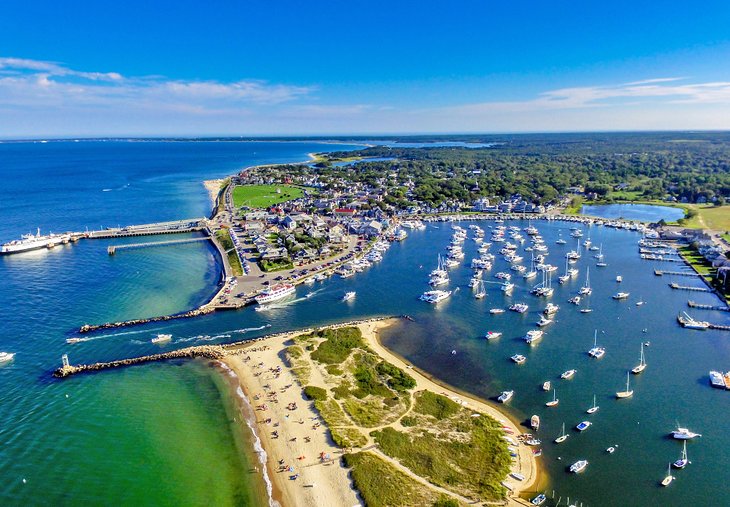
Martha’s Vineyard offers a diverse range of experiences, from the vibrant gingerbread cottages of Oak Bluffs and the bustling port of Vineyard Haven to the serene, upscale charm of Edgartown and the dramatic clay cliffs of Aquinnah. Its appeal lies in a blend of natural beauty, recreational activities, and a relaxed, yet sophisticated, atmosphere. Visitors come for the beaches, the fresh seafood, the art galleries, and the opportunity to unwind in a setting that feels a world away from the mainland’s hustle and bustle. The island’s popularity means that travel, especially during peak season, requires foresight.
The Journey’s Starting Point: Boston
Boston, the capital city of Massachusetts, serves as a major transportation hub for New England. Its strategic location, well-developed infrastructure, and status as an international gateway make it the perfect springboard for a trip to Martha’s Vineyard. From Boston Logan International Airport (BOS) to its expansive bus and train terminals, numerous options connect the city to the Cape Cod ferry ports or directly to the island’s airport. Understanding how to leverage Boston’s transportation network is key to initiating your island escape.
Key Considerations for Your Trip
When planning your journey, several factors should influence your choice of transportation. The time of year significantly impacts availability and pricing, with summer being the busiest and most expensive season. Your budget will dictate whether you opt for the convenience of flying or the more economical bus and ferry combination. Convenience, including factors like travel time, ease of connections, and luggage handling, will also play a role. Finally, your personal travel style—whether you prioritize speed, scenic routes, or the ability to bring your own vehicle—will guide your decision-making process. Thinking through these elements upfront will streamline your planning and enhance your overall travel experience.
Direct Air Travel: The Fastest Route
For those prioritizing speed and convenience, flying directly from Boston to Martha’s Vineyard is undoubtedly the quickest option. This method bypasses traffic on the Cape and the ferry logistics, delivering you straight to the island’s doorstep.
Flights from Boston Logan International Airport (BOS)
Several regional airlines offer flights from Boston Logan International Airport (BOS) to Martha’s Vineyard Airport (MVY). The most prominent carrier on this route is Cape Air, known for its frequent service and use of smaller aircraft, such as the Cessna 402. The flight duration is remarkably short, typically ranging from 30 to 45 minutes, making it an ideal choice for quick transfers. While flights operate year-round, the frequency significantly increases during the peak summer months (June to September). It’s advisable to book well in advance, especially for summer travel, as these small planes fill up quickly, and prices can surge.
Arrival at Martha’s Vineyard Airport (MVY)
Upon arrival at Martha’s Vineyard Airport (MVY), you’ll find yourself conveniently located near the towns of West Tisbury and Edgartown. The airport is small but efficient, offering various ground transportation options. Taxis and ride-sharing services are readily available to take you to your accommodation in any of the island’s towns. Additionally, the Vineyard Transit Authority (VTA) provides public bus service from the airport, connecting passengers to Vineyard Haven, Oak Bluffs, and Edgartown, making onward travel straightforward and economical. Car rental agencies also have counters at the airport for those who prefer to have their own vehicle on the island.
Pros and Cons of Flying
The primary advantage of flying is its unparalleled speed. It eliminates the potential for traffic delays on the mainland and significantly cuts down travel time. This is particularly appealing for short trips or for travelers with limited time. However, flying also comes with certain drawbacks. It is typically the most expensive transportation option, especially during peak season. Baggage allowances on regional airlines like Cape Air are often more restrictive than on larger carriers, meaning you might need to pack lighter or pay for extra luggage. Additionally, flights can be subject to weather delays, particularly fog, which is not uncommon in coastal New England. Despite these considerations, for many, the time saved and direct route make flying the preferred choice.
The Scenic Route: Bus & Ferry Combinations
For a more traditional and often more budget-friendly approach, combining a bus journey from Boston with a ferry ride from Cape Cod offers a quintessential New England travel experience. This option allows you to relax and enjoy the changing landscapes as you make your way to the island.
Bus Services from Boston to Ferry Terminals
The most common starting point for a bus and ferry trip is Boston’s South Station. Reputable bus lines, such as Peter Pan Bus Lines, provide regular service directly from South Station to the ferry terminal in Woods Hole, Massachusetts. The bus journey typically takes around 1.5 to 2 hours, depending on traffic, especially during the summer months when roads to Cape Cod can become congested. These buses are comfortable, often equipped with Wi-Fi and power outlets, allowing you to relax or get some work done en route. This service is a convenient option as it drops you directly at the ferry dock, minimizing the hassle of transfers.
Ferry Services to Martha’s Vineyard
Once in Woods Hole, your next leg of the journey is by ferry. The Woods Hole, Martha’s Vineyard and Nantucket Steamship Authority (often referred to simply as “The Steamship Authority”) is the primary ferry operator. They offer year-round service from Woods Hole to two ports on Martha’s Vineyard: Vineyard Haven and Oak Bluffs. Vineyard Haven receives ferries year-round, while Oak Bluffs operates seasonally, typically from May to October. The ferry ride itself is a pleasant 45-minute journey across the Vineyard Sound, offering scenic views of the coastline. It’s crucial to distinguish between passenger-only ferries and car ferries, as booking a vehicle spot is a separate, highly competitive process. For foot passengers, tickets can often be purchased on-site, but booking in advance, especially during peak times, is always recommended to avoid long queues.
Pros and Cons of Bus & Ferry
The bus and ferry combination is generally more cost-effective than flying, especially for travelers on a budget. It also offers a more traditional and scenic introduction to island life, allowing passengers to experience the charming coastal landscapes of Cape Cod and the refreshing sea breeze on the ferry deck. This method is also often less susceptible to weather delays than small aircraft. However, the total travel time is considerably longer, typically ranging from 3 to 4 hours, not including potential wait times for connections. During peak summer weekends, traffic on the Cape can significantly extend the bus journey, and ferry lines can be substantial. Planning your connections carefully and allowing ample buffer time is essential for a stress-free trip using this method.
Driving and Ferry: Bringing Your Car to the Island
For some travelers, having their own vehicle on Martha’s Vineyard is indispensable for exploring the island at their own pace. This option involves driving from Boston to the ferry terminal and then transporting your car across the sound.
Driving from Boston to Woods Hole
The drive from Boston to Woods Hole typically takes approximately 1.5 to 2 hours, covering about 75 miles. The most common route involves taking I-93 South out of Boston, connecting to Route 3 South, and then merging onto Route 6 West (Mid-Cape Highway) before taking Route 28 South directly to Woods Hole. While the drive itself is straightforward, traffic can be a significant factor, especially on summer Fridays and weekends. Departing early in the morning or later in the evening can help avoid the worst of the congestion. Ensure you factor in extra time for potential delays, particularly if you have a scheduled ferry reservation.
Reserving Your Car Ferry Spot
If you plan to bring your car to Martha’s Vineyard, reserving a vehicle spot on the Woods Hole, Martha’s Vineyard and Nantucket Steamship Authority ferry is an absolute necessity, not merely a recommendation. Vehicle reservations, especially for the summer season, open in January and often sell out within minutes or hours of becoming available. The cost for vehicle transport is considerably higher than for foot passengers, and prices vary by season and vehicle size. Without a pre-booked reservation, it is highly unlikely you will be able to bring your car onto the ferry, particularly during the busy months. Plan meticulously and be prepared to book as soon as reservations open.
Parking Options at Woods Hole
For those who prefer not to bring their car to the island (which many visitors find unnecessary given the island’s excellent public transportation), but still wish to drive to the ferry, ample parking is available in and around Woods Hole. The Steamship Authority operates several official parking lots a short distance from the terminal, with shuttle services running regularly to transport passengers and their luggage. These lots can also fill up quickly during peak season, so arriving early is crucial. There are also privately operated parking lots in the area. Fees apply for all parking options, and it’s wise to check the Steamship Authority’s website for up-to-date information on parking availability and rates.
Pros and Cons of Driving & Ferry
The main advantage of bringing your car is the freedom and flexibility it provides for exploring Martha’s Vineyard at your leisure. You won’t be reliant on public buses, taxis, or bicycle rentals, making it easier to visit more remote beaches, attractions, and towns. However, this convenience comes at a significant cost, both in terms of the ferry fare for the vehicle and the potential for long waits and traffic. Parking on the island can also be challenging and expensive, especially in the popular towns. Given the island’s efficient public transit system (VTA buses), extensive bike paths, and available taxis/ride-sharing, many visitors find that bringing a car is often more trouble and expense than it’s worth. Consider your itinerary and budget carefully before deciding to transport your vehicle.
Seasonal and Alternative Transportation Methods
Beyond the primary air, bus, and car-ferry options, there are also seasonal and more niche ways to reach Martha’s Vineyard directly from Boston or with specialized services.
Seasonal Ferry Services from Boston
During the peak summer months, direct passenger-only ferry services from Boston to Martha’s Vineyard become available. Companies like Boston Harbor Cruises and Seastreak Ferry offer high-speed catamaran service that departs from downtown Boston (typically from the Seaport District) and arrives directly in Oak Bluffs or Vineyard Haven. These services eliminate the need for an additional bus transfer to Cape Cod, offering a seamless and scenic journey across the water. The travel time is usually around 3 to 4 hours, combining the speed of a high-speed ferry with the convenience of a direct departure from Boston. While generally more expensive than the bus and ferry combination from Woods Hole, they offer a comfortable and often less stressful alternative, particularly for those staying in downtown Boston. Availability is strictly seasonal, so check schedules and book well in advance.
Private Car Services and Shuttles
For travelers seeking ultimate comfort, convenience, or those traveling in a group, private car services and shuttles offer a door-to-door solution. Many companies provide executive sedan or SUV services from any location in Boston directly to the Woods Hole ferry terminal or even to Boston Logan International Airport for a connecting flight. Some even offer direct transfers for the entire journey, including arranging ferry tickets for you. While significantly more expensive than public transport, these services provide a stress-free experience, especially for those with heavy luggage or specific time constraints. They are ideal for families, business travelers, or anyone who values a personalized and comfortable travel experience above all else. Research reputable local providers and request quotes in advance.
Essential Tips for a Smooth Journey
Regardless of your chosen mode of transport, a few universal tips can help ensure your trip to Martha’s Vineyard is as smooth and enjoyable as possible.
Book in Advance
This cannot be stressed enough, especially for travel during the summer season (June through Labor Day). Flights, car ferry reservations, and even popular bus and seasonal ferry routes sell out quickly. Booking your transportation several months ahead of time will not only guarantee your spot but also often secure better prices. Last-minute bookings are generally more expensive and may leave you with limited options.
Pack Smart
If flying on a regional airline, be mindful of their stricter baggage size and weight restrictions to avoid unexpected fees. For bus and ferry travel, while limits are generally more generous, remember that you’ll be handling your luggage during transfers. Consider using wheeled luggage and packing essentials in a smaller carry-on.
Understand Island Transportation
Once you arrive on Martha’s Vineyard, getting around is relatively easy. The Vineyard Transit Authority (VTA) operates an extensive public bus system connecting all major towns and attractions. Buses are frequent, affordable, and a great way to explore the island without a car. Taxis, ride-sharing apps, and numerous bike rental shops are also available. Familiarizing yourself with these options beforehand can help you decide whether bringing a car to the island is truly necessary.
Check Schedules and Weather
Always double-check your transportation schedules closer to your travel date, as times can change. New England weather, particularly coastal fog, can impact flights and ferry crossings. Stay informed about weather forecasts, especially if traveling during less predictable seasons.

Have a Backup Plan
While unlikely, delays or cancellations can occur. Having a general idea of alternative routes or knowing where to find immediate information can alleviate stress if your original plans are disrupted. This is particularly relevant for connecting journeys where a delay in one leg could impact the next.
Traveling from Boston to Martha’s Vineyard is a well-trodden path, with numerous reliable options to suit every preference and budget. Whether you opt for the swift convenience of air travel, the scenic charm of a bus and ferry combination, the flexibility of bringing your own car, or a direct seasonal ferry, careful planning is the cornerstone of a memorable island getaway. By considering your priorities and booking in advance, you can ensure a smooth, enjoyable, and stress-free journey to one of New England’s most cherished destinations.
LifeOutOfTheBox is a participant in the Amazon Services LLC Associates Program, an affiliate advertising program designed to provide a means for sites to earn advertising fees by advertising and linking to Amazon.com. Amazon, the Amazon logo, AmazonSupply, and the AmazonSupply logo are trademarks of Amazon.com, Inc. or its affiliates. As an Amazon Associate we earn affiliate commissions from qualifying purchases.