
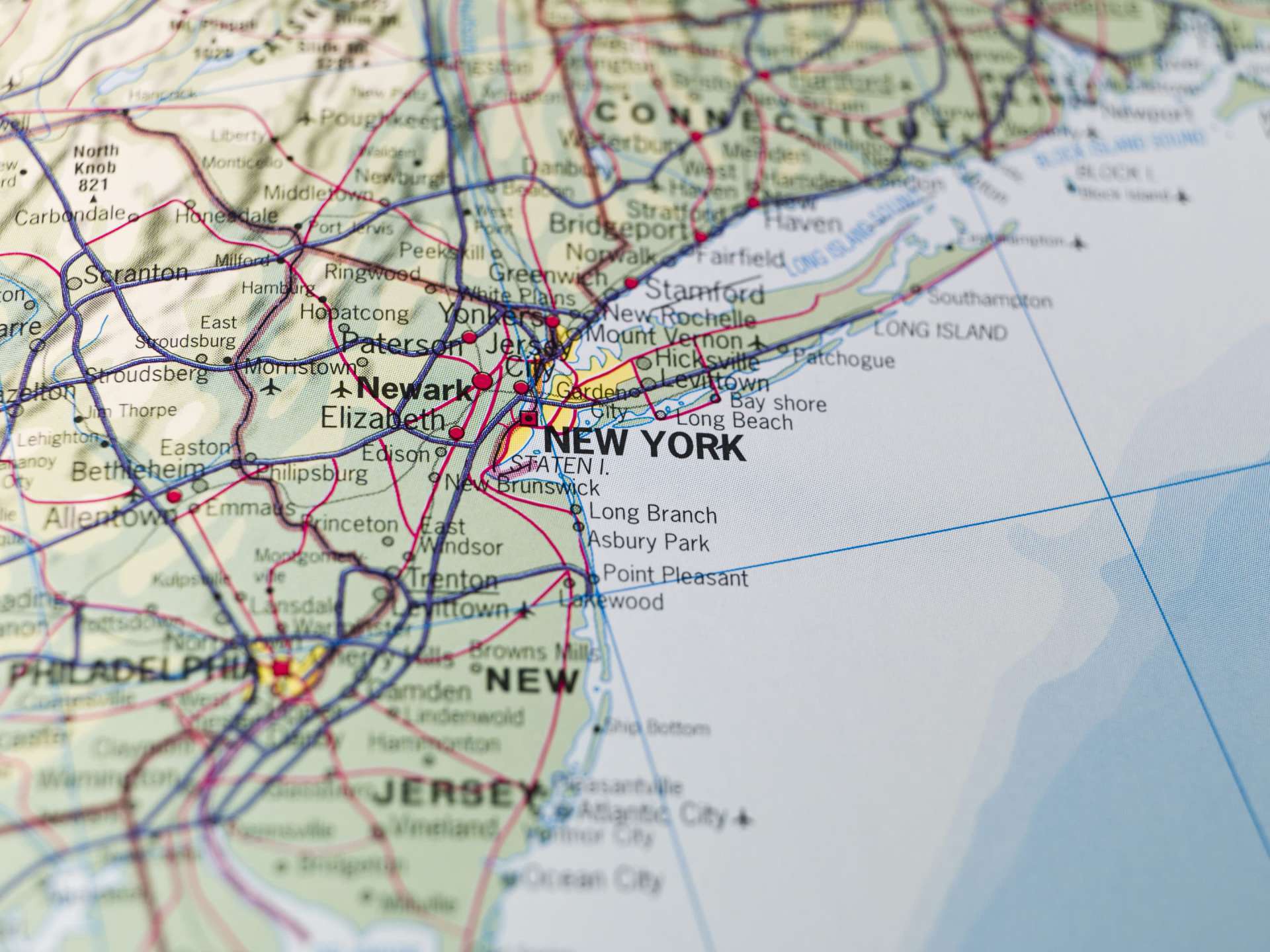
Traveling between New York and Philadelphia is one of the most common transit routes in the United States. Separated by a relatively short distance—approximately 95 miles—the two major metropolitan hubs are well-connected by an array of transport options. Whether you are a business traveler prioritizing speed or a vacationer looking for scenery, understanding the nuances of each mode of transit is essential for a seamless trip.
Traveling by Train: The Efficient Choice
For many, the train remains the gold standard for traveling between the Northeast corridor’s most prominent cities.
Amtrak Services
The most popular option is Amtrak, which operates high-speed and regional rail services. The Acela express train is the fastest way to bridge the gap, often completing the journey in just over an hour. Passengers depart from Moynihan Train Hall or Penn Station and arrive at 30th Street Station, a stunning landmark in its own right. While tickets can be pricey if booked last-minute, the comfort of spacious seating and reliable Wi-Fi makes it the top choice for professionals.
NJ Transit and SEPTA
If you are looking for a more budget-friendly approach, you can combine NJ Transit and SEPTA. You would take a commuter train from New York Penn Station to Trenton Transit Center. From there, you transfer to a regional rail train that brings you directly into the heart of Philadelphia. While this route takes significantly longer than Amtrak and requires a transfer, it is highly economical and operates with great frequency throughout the day.
Road Travel: Driving and Bus Options
Driving or taking the bus offers flexibility, though it comes with the trade-off of potentially unpredictable traffic conditions on major thoroughfares like the New Jersey Turnpike.
Navigating the Road
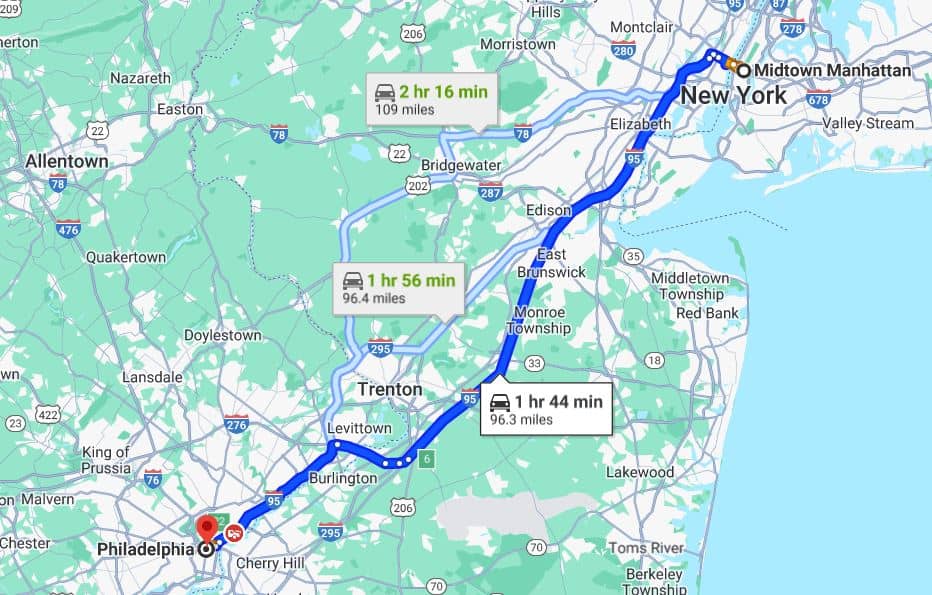
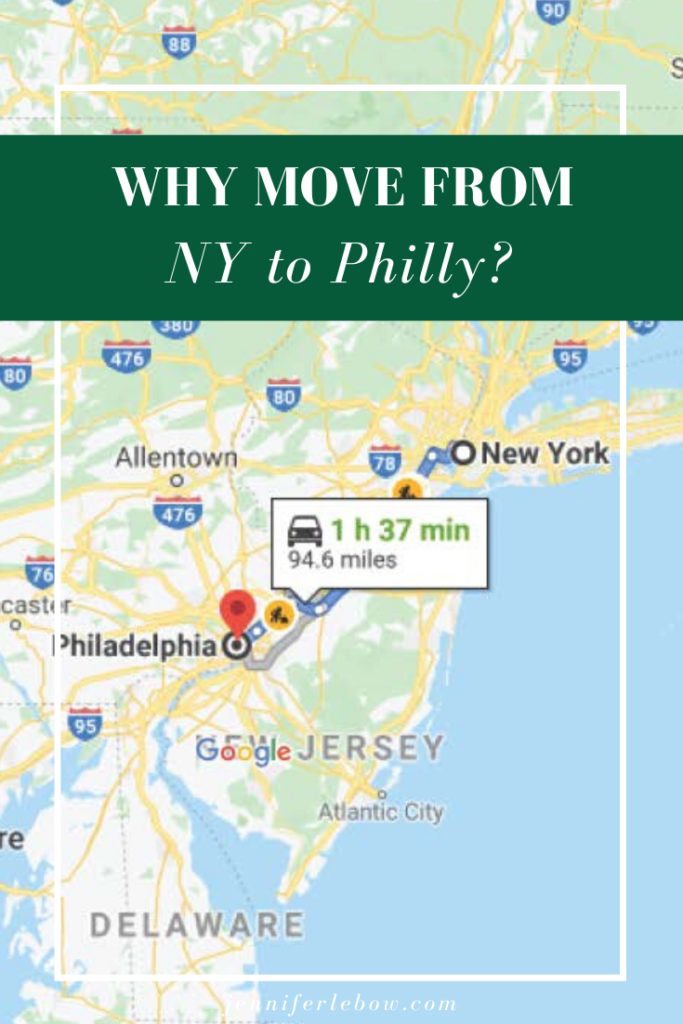
If you choose to drive, the journey typically takes between two and three hours, depending on the congestion at the Holland Tunnel or the Lincoln Tunnel. Departing from Manhattan during peak rush hours can add significant time to your trip, so timing your departure is critical. Once you arrive in Pennsylvania, parking in the city center can be expensive, so it is often wise to pre-book a spot in a garage near your final destination.
The Convenience of Bus Travel
Bus companies such as Megabus, FlixBus, and Greyhound provide frequent departures from various points across New York City. These buses usually pick up passengers near the Port Authority Bus Terminal or at designated curbside stops. While road conditions remain a factor, modern bus lines offer reserved seating, power outlets, and free Wi-Fi, making it a productive environment for those catching up on work or enjoying a podcast during the commute.
Planning Your Transit Strategy
Choosing the right method depends on your personal priorities regarding budget, comfort, and schedule.
Balancing Cost and Speed
If time is your most precious asset, direct rail is the only way to go. The ability to avoid Interstate 95 traffic during the busy morning and evening commutes is worth the premium fare for many travelers. Conversely, if you are planning a weekend getaway and want to save money for dining in Center City, the regional rail combination or a budget bus line provides excellent value.
Navigating the Two Cities
Once you arrive, it is worth noting that both cities are highly navigable by public transit. In New York, the subway system is the pulse of the city, while in Philadelphia, the SEPTA network covers both subways and trolleys that reach major attractions like the Philadelphia Museum of Art and Independence Hall.
Essential Tips for Your Journey
- Book in Advance: Whether you are opting for the Acela or a standard bus, booking tickets at least two weeks in advance can save you a substantial amount of money.
- Monitor Traffic Apps: If driving, use real-time traffic updates to adjust your route. The George Washington Bridge may be an alternative to the tunnels if there are delays, depending on your point of origin.
- Check Seasonal Schedules: During major holidays like Thanksgiving or Christmas, travel demand spikes. Always check the websites for both Amtrak and NJ Transit for schedule changes or service disruptions.
- Consider Ride-Sharing: If you are traveling in a group, a rideshare service might be a cost-effective and convenient alternative to the bus, providing door-to-door service that eliminates the stress of navigating public transit stations with luggage.
Ultimately, the choice of how to travel between New York and Philadelphia is defined by the needs of your trip. The proximity of these two historic East Coast giants ensures that, regardless of your preference, you are never more than a few hours away from your destination. By weighing the ease of rail travel against the flexibility of the road, you can ensure that your transition between the Big Apple and the City of Brotherly Love is as smooth and pleasant as possible. As you prepare for your journey, remember that the transit experience is the first part of your adventure, setting the tone for the experiences that await in these vibrant urban landscapes.
LifeOutOfTheBox is a participant in the Amazon Services LLC Associates Program, an affiliate advertising program designed to provide a means for sites to earn advertising fees by advertising and linking to Amazon.com. Amazon, the Amazon logo, AmazonSupply, and the AmazonSupply logo are trademarks of Amazon.com, Inc. or its affiliates. As an Amazon Associate we earn affiliate commissions from qualifying purchases.