
Escaping the sprawling urban landscape of Los Angeles for the serene, Mediterranean-like charm of Santa Catalina Island is a quintessential Southern California experience. Located just 22 miles off the coast, this island gem—often simply referred to as “Catalina”—offers a unique blend of rugged adventure, historic elegance, and tranquil seaside living. Whether you are seeking a day trip or an extended weekend getaway, understanding the logistics of the crossing is the first step toward a seamless island retreat.
Navigating the Ferry Services: The Primary Conduit
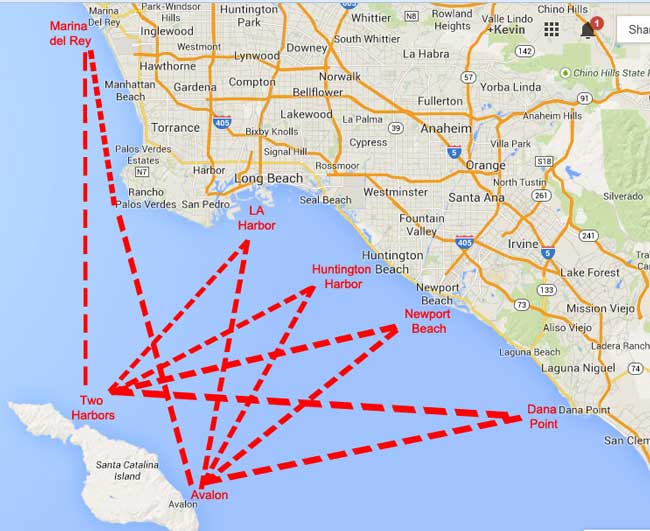
For the vast majority of visitors, the ferry is the preferred method of travel. Two primary operators manage the bulk of the transit from the mainland to the island: Catalina Express and Catalina Flyer. Both services provide reliable, high-speed travel, but they originate from different harbors and offer varying amenities.

Departure Harbors in Southern California
The Catalina Express offers the most flexibility with multiple departure points. Travelers can board in Long Beach, San Pedro, and Dana Point. Each terminal has its own unique logistical considerations:
- Long Beach: Located at Downtown Long Beach Landing, this terminal is highly convenient for those staying in Orange County or near the Long Beach Airport. It features ample parking structures and immediate access to the waterfront.
- San Pedro: Situated at the World Cruise Center, this location is ideal for travelers coming from South Bay or West Los Angeles. It often hosts the largest vessels, which can be advantageous if you are prone to seasickness, as larger boats tend to provide a smoother ride through the Pacific Ocean.
- Dana Point: This terminal serves those further south. While the drive might be longer for those departing from Hollywood, the harbor itself offers a scenic departure point with plenty of local dining options nearby.
The Catalina Flyer operates exclusively out of the Newport Beach Balboa Pavilion. This is a single, large catamaran vessel that makes one daily round-trip during peak seasons. It is an excellent choice for those who prefer a more relaxed schedule and are looking to spend the maximum amount of time on the island before returning in the late afternoon.
Essential Travel Tips for Ferry Passengers
Reservations are not just recommended—they are essential, especially during the summer months and on weekends. Booking your seat online in advance ensures you get your preferred departure time and avoids the risk of sold-out vessels. It is standard practice to arrive at the terminal at least 45 to 60 minutes before departure to handle baggage check-in and boarding procedures. Remember to bring a valid photo ID, as this is required for all passengers.
Aerial Transit: Reaching the Island by Air
If you prefer to skip the sea crossing, or if you simply want to add an element of luxury and speed to your journey, flying to Santa Catalina Island is a spectacular option. While there are no major commercial airlines landing on the island, Island Express Helicopters provides private and shared charter flights that can cut travel time to approximately 15 minutes.
The Helicopter Experience
Departing from Long Beach or San Pedro, these flights offer unparalleled aerial views of the California coastline and the crystal-clear blue waters surrounding the island. This is perhaps the most exhilarating way to arrive. Upon landing at the Avalon heliport, you are just a short shuttle ride away from the heart of the town.
Flying into the “Airport in the Sky”
For private pilots or those chartering small aircraft, the Catalina Airport, affectionately known as the “Airport in the Sky,” sits atop a mountain 1,600 feet above sea level. This unique airfield provides a challenging but rewarding landing experience. From the airport, visitors can take a ground shuttle down the winding roads into the town of Avalon, taking in panoramic views of the island’s interior, which is largely protected by the Catalina Island Conservancy.
Arrival Logistics: Getting Settled in Avalon
Once you arrive at the Avalon Ferry Terminal, you will find yourself in the center of the action. Unlike the mainland, Santa Catalina Island has strict limitations on personal automobiles. If you arrive by boat, you will not be driving your own car off the vessel.
Transportation Within the Town
The charm of Avalon is best experienced on foot. The town is compact and highly walkable, with most shops, restaurants, and hotels located within a few blocks of the bay. For those who prefer not to walk, or for trips to further sights like the Catalina Casino or Descanso Beach Club, renting a golf cart is the quintessential island activity. These vehicles are the primary mode of motorized transport for tourists and locals alike, allowing you to navigate the steep hills and narrow streets with ease.
Coordinating Your Baggage
Most hotels and resorts, such as the historic Hotel Atwater or the Pavilion Hotel, offer shuttle services to and from the ferry terminal. It is wise to call your accommodation in advance to coordinate your arrival time. If you are staying at a rental property, taxis are readily available at the pier to transport you and your belongings to your destination.
Planning Your Timing and Seasonal Considerations
The experience of traveling to Santa Catalina Island changes with the seasons. Understanding the climate and the tourist calendar will help you make the best choice regarding your mode of transport and the timing of your trip.
Summer vs. Off-Season Travel
During the summer months—from June through September—the demand for ferry tickets is at its peak. Schedules are expanded to accommodate the influx of tourists, and the weather is reliably warm and sunny, perfect for snorkeling or glass-bottom boat tours. Conversely, the winter and shoulder seasons offer a quieter, more intimate atmosphere. While some water sports may be less accessible, the island is often at its most beautiful during the spring, when the wildflowers are in bloom, or in the crisp, clear autumn days.

Preparing for Weather and Sea Conditions
Regardless of the season, it is helpful to monitor the marine forecast. On particularly windy days, the ride can be slightly choppy. If you are prone to motion sickness, choosing a larger vessel and sitting on the lower deck near the center of the boat can significantly mitigate any discomfort. Both Catalina Express and Catalina Flyer are well-equipped to handle standard ocean swells, ensuring that your journey remains safe and efficient, allowing you to focus on the anticipation of reaching one of the most beautiful destinations in the United States.
LifeOutOfTheBox is a participant in the Amazon Services LLC Associates Program, an affiliate advertising program designed to provide a means for sites to earn advertising fees by advertising and linking to Amazon.com. Amazon, the Amazon logo, AmazonSupply, and the AmazonSupply logo are trademarks of Amazon.com, Inc. or its affiliates. As an Amazon Associate we earn affiliate commissions from qualifying purchases.