
Nestled amidst the breathtaking red rock formations of Arizona, Sedona is a destination that captivates the soul and rejuvenates the spirit. Famous for its stunning natural beauty, vibrant arts scene, and purported spiritual energy vortexes, Sedona beckons travelers from around the globe. Whether you’re seeking adventure, relaxation, or a profound connection with nature, planning your journey to this magical city is the first exciting step. This comprehensive guide will navigate you through the various transportation options, helping you reach Sedona, Arizona with ease and anticipation.
Planning Your Trip to Sedona: Essential Considerations
Before embarking on your Sedona adventure, a little pre-trip planning will ensure a smooth and enjoyable experience. Understanding the best times to visit, the distances involved from major hubs, and the various travel methods available will allow you to tailor your journey to your specific needs and preferences.
Best Times to Visit
Sedona experiences distinct seasons, each offering a unique charm.
- Spring (March-May): This is arguably the most popular time to visit. The weather is pleasant, with average temperatures ranging from the 60s to 70s Fahrenheit. The landscape bursts with wildflowers, and outdoor activities are at their peak. However, this popularity also means higher prices and larger crowds.
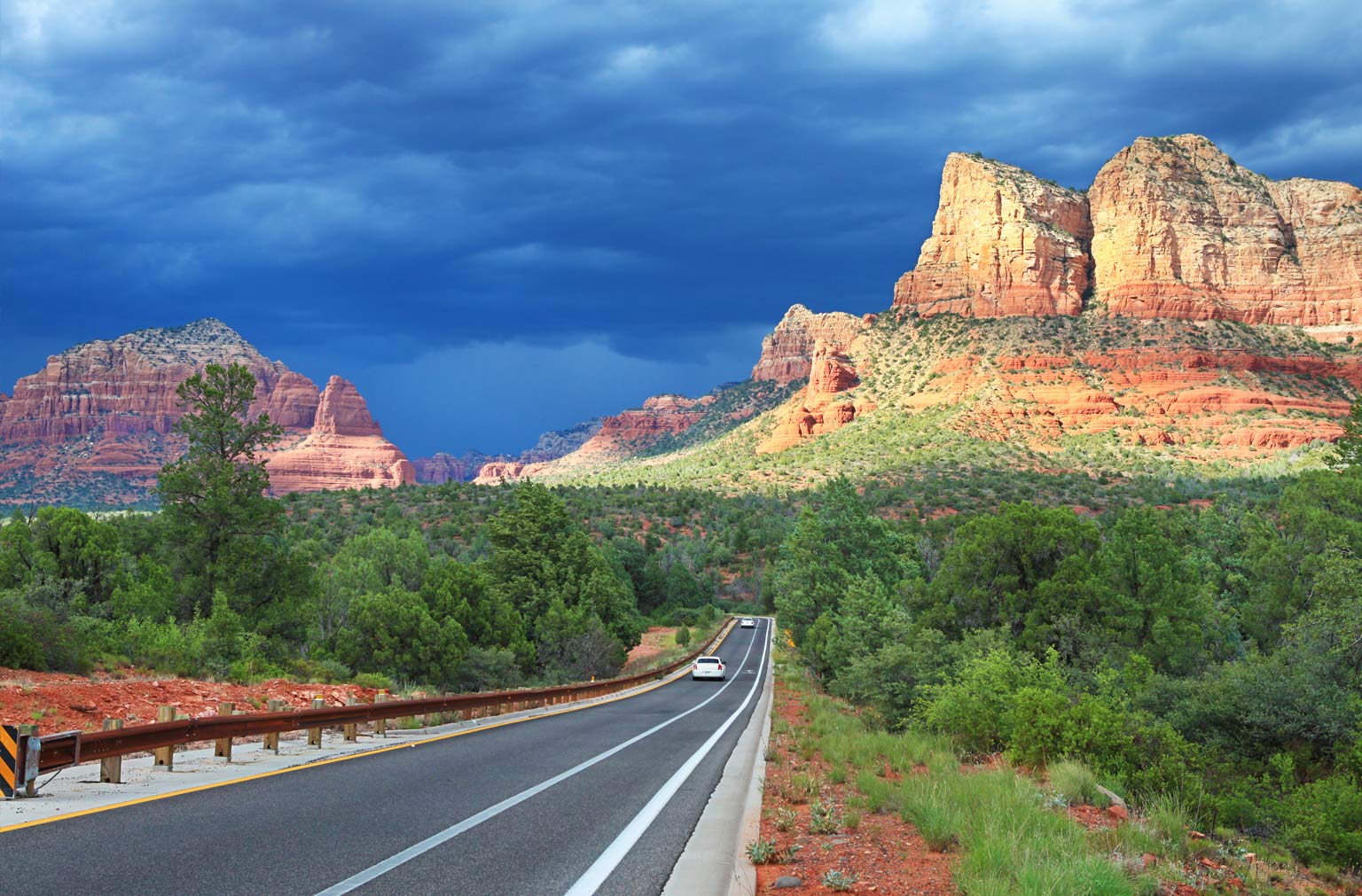
- Summer (June-August): Summers in Sedona can be hot, with temperatures frequently exceeding 90°F. While still a viable time to visit, especially for those who don’t mind the heat and plan activities for the cooler mornings and evenings, it’s advisable to stay hydrated and seek shade during the midday sun. Monsoon season can bring dramatic thunderstorms, which can be a beautiful spectacle but may disrupt outdoor plans.
- Fall (September-November): Autumn offers a delightful reprieve from the summer heat, with crisp air and comfortable temperatures ideal for hiking and exploring. The surrounding Oak Creek Canyon displays stunning fall foliage, painting the landscape in vibrant hues of red, orange, and yellow. Like spring, this is a popular time, so booking accommodations and activities in advance is recommended.
- Winter (December-February): Winters in Sedona are generally mild, with average daytime temperatures in the 50s Fahrenheit. Snowfall is infrequent but can occur, dusting the red rocks with a picturesque white blanket, creating a surreal and beautiful contrast. This season offers a quieter, more tranquil experience with fewer crowds and potentially lower accommodation rates.
Proximity to Major Airports and Cities
Understanding Sedona’s location relative to major transportation hubs is crucial for planning your arrival.
- Phoenix Sky Harbor International Airport (PHX): Located approximately 115 miles south of Sedona, PHX is the closest major international airport. It serves a vast number of domestic and international flights, making it the most common gateway for visitors flying into Arizona.
- Flagstaff Pulliam Airport (FLG): Situated about 30 miles north of Sedona, FLG is a smaller regional airport that offers limited commercial flights, primarily connecting to Phoenix and Denver. While closer, flight options are fewer and can be more expensive.
- Major Cities: Sedona is easily accessible by car from other popular Arizona destinations. It’s about a 2-hour drive from Phoenix and a 3.5 to 4-hour drive from Las Vegas, Nevada.
Transportation Options to Sedona
Reaching Sedona, Arizona can be accomplished through a variety of convenient transportation methods, catering to different travel styles and preferences.
Flying into Sedona
For those traveling from further afield, flying is often the most practical option.
Main Airport: Phoenix Sky Harbor International Airport (PHX)
As mentioned, Phoenix Sky Harbor International Airport (PHX) is the primary airport for most visitors heading to Sedona. Once you land at PHX, you have several choices to complete your journey:
- Rental Cars: This is the most popular and flexible option. Numerous car rental agencies operate at PHX, offering a wide range of vehicles. Renting a car gives you the freedom to explore Sedona and the surrounding areas at your own pace, including day trips to nearby attractions like the Grand Canyon. The drive from PHX to Sedona is scenic, taking approximately 2 hours via Interstate 17 North and State Route 179. The route is well-maintained and offers glimpses of the evolving Arizona landscape.
- Shuttle Services: Several private shuttle companies offer direct transportation from PHX to Sedona. These services can be pre-booked and provide a comfortable, hassle-free transfer. This is a great option if you prefer not to drive or are traveling solo and want to relax on the way. The journey typically takes about 2 to 2.5 hours.
- Rideshare Services: While possible, using rideshare services like Uber or Lyft for the entire journey from PHX to Sedona can be quite expensive due to the distance. It might be a more viable option for shorter trips within the Phoenix metro area before connecting to another mode of transport.
Secondary Airport: Flagstaff Pulliam Airport (FLG)
Flagstaff Pulliam Airport (FLG) is a closer alternative to PHX.
- Rental Cars: Similar to PHX, rental cars are available at FLG. The drive from Flagstaff to Sedona is significantly shorter, about 45 minutes to an hour, making it an attractive option if flight schedules and prices align. The route along State Route 89A is particularly stunning, winding through the mountains and descending into Oak Creek Canyon.
- Limited Shuttle and Rideshare Options: Shuttle services directly from FLG to Sedona are less common than from PHX, and rideshare availability might be more restricted due to the smaller airport and city. It’s essential to research and book any required ground transportation in advance if opting for FLG.
Driving to Sedona
For many, the allure of a road trip is part of the adventure. Driving to Sedona allows for flexibility and the opportunity to discover hidden gems along the way.

From Phoenix and Southern Arizona
As previously noted, the drive from Phoenix is straightforward and typically takes around 2 hours.
- Take Interstate 17 North from Phoenix.
- Exit onto State Route 179 North towards Sedona.
- State Route 179 will lead you directly into Sedona, also known as the “Red Rock Scenic Byway.”
From Northern Arizona and Grand Canyon
If you’re coming from Flagstaff or the Grand Canyon National Park, the drive is equally scenic.
- From Flagstaff, take State Route 89A South.
- This road will take you through the breathtaking Oak Creek Canyon, a truly unforgettable drive with numerous pull-offs for scenic views.
- Continue on 89A South, which will bring you directly into Sedona.
From Las Vegas, Nevada
The drive from Las Vegas is longer, approximately 4.5 to 5 hours, but offers a different perspective of the Southwest.
- Take US-93 South from Las Vegas.
- Connect to Interstate 40 East towards Flagstaff.
- In Flagstaff, merge onto State Route 89A South towards Sedona, enjoying the drive through Oak Creek Canyon.
Important Driving Notes
- Road Conditions: Arizona highways are generally well-maintained. However, it’s always wise to check road conditions before you travel, especially during winter months, as snow and ice can affect mountain passes.
- Gas Stations: While there are gas stations in Sedona and Flagstaff, it’s a good idea to fill up your tank before leaving major cities like Phoenix or Las Vegas, especially if you plan on exploring more remote areas.
- Navigation: GPS and mapping apps are reliable, but it’s also good to have a general sense of direction, especially in areas with limited cell service.
Public Transportation and Bus Services
While Sedona is not directly served by major intercity bus lines like Greyhound, there are limited options to consider, particularly if you’re arriving from Flagstaff.
- Groome Transportation: This is a popular shuttle service that operates between Phoenix Sky Harbor International Airport (PHX) and Flagstaff, and also offers direct shuttle services to Sedona. This can be a convenient option if you don’t want to rent a car.
- Local Public Transit (limited): Sedona does have a local bus system, the Sedona Shuttle, which operates primarily to popular trailheads and attractions within the city, reducing the need for a personal vehicle once you’ve arrived. However, it does not connect Sedona to other major cities.
Getting Around Sedona Once You Arrive
Once you’ve made your way to Sedona, you’ll find that getting around the city and its surrounding natural wonders is relatively straightforward, with options to suit different preferences.
Within Sedona
- Rental Car: As mentioned, having a rental car provides the most flexibility for exploring Sedona and its numerous attractions, including trailheads, art galleries, and viewpoints.
- Sedona Shuttle: This fantastic service connects visitors to popular trailheads and attractions, helping to alleviate parking issues and providing a more sustainable way to explore. It’s an excellent option for accessing hiking spots like Cathedral Rock Trail or Devil’s Bridge Trail. Check their schedule and routes in advance.
- Tours and Excursions: Many tour operators in Sedona offer guided experiences, including jeep tours, bus tours, and shuttle services to specific sites. This is a great way to learn about the area’s history, geology, and spiritual significance without needing to navigate yourself.
- Walking and Biking: The Uptown Sedona area is quite walkable, with shops, restaurants, and galleries clustered together. Biking is also a popular activity, with dedicated paths and numerous mountain biking trails for all skill levels.
- Taxis and Rideshare: Taxis and rideshare services are available for getting around town, though their availability might be less frequent in more remote areas outside of the main tourist hubs.

Day Trips from Sedona
Sedona’s central location makes it an ideal base for exploring other remarkable Arizona destinations.
- Grand Canyon National Park: Approximately a 2-hour drive north, the Grand Canyon is a must-visit. You can drive yourself, or consider joining an organized tour that often includes transportation.
- Jerome: This historic former mining town, now a vibrant arts community, is just a 30-minute drive from Sedona and offers a unique glimpse into Arizona’s past.
- Oak Creek Canyon: Driving or hiking through this stunning canyon, which is part of the route to Flagstaff, is an experience in itself, offering beautiful vistas and opportunities for swimming and picnicking.
- Flagstaff: A charming mountain town with a rich history and a gateway to the Grand Canyon, Flagstaff is easily accessible for a day trip.
By considering these transportation options and planning your journey, you’ll be well on your way to experiencing the magic of Sedona, Arizona. Whether you choose to fly, drive, or utilize shuttle services, the captivating red rocks and serene landscapes await your arrival.
LifeOutOfTheBox is a participant in the Amazon Services LLC Associates Program, an affiliate advertising program designed to provide a means for sites to earn advertising fees by advertising and linking to Amazon.com. Amazon, the Amazon logo, AmazonSupply, and the AmazonSupply logo are trademarks of Amazon.com, Inc. or its affiliates. As an Amazon Associate we earn affiliate commissions from qualifying purchases.