
Florida, often referred to as the “Sunshine State,” offers an unparalleled aquatic playground, beckoning adventurers to its shimmering waters. From the tranquil expanse of the Gulf of Mexico to the vibrant ecosystems of the Atlantic Ocean and its intricate network of rivers, lakes, and intercoastal waterways, boating here is an experience unlike any other. However, to truly navigate these beautiful environments safely and legally, understanding the requirements for obtaining a Boating Safety Education Identification Card – commonly known as a boater’s license – is paramount. This comprehensive guide will walk you through the essential steps, ensuring you’re well-prepared to embark on your Floridian boating adventures with confidence and compliance.
Understanding Florida’s Boating Requirements
Before you even think about setting sail, it’s crucial to understand who needs a Boating Safety Education Identification Card in Florida and why. These regulations are designed to enhance safety on the water, protecting both boaters and the state’s precious marine life. The Florida Fish and Wildlife Conservation Commission (FWC) is the governing body responsible for enforcing these rules and issuing the necessary credentials.
Who Needs a Boating Safety Education Identification Card?
The primary requirement for obtaining a Boating Safety Education Identification Card in Florida revolves around age and vessel type. Generally, anyone born on or after January 1, 1988, who operates a vessel powered by a 10 horsepower or greater motor, including sailboats 8 feet or more in length with a motor, must possess this card. This applies to both residents and non-residents operating vessels within Florida’s waters. The card serves as proof that you have successfully completed an approved boating safety course, demonstrating a fundamental understanding of boating laws, safety procedures, and navigation. It’s not technically a “license” in the traditional sense, but rather a certification that validates your boating education. Failure to comply can result in fines and other penalties, so it’s a vital step for any eligible boater.
Exemptions to the Rule
While the requirement is broad, certain individuals are exempt from needing the Boating Safety Education Identification Card. These exemptions include:
- Operators licensed by the U.S. Coast Guard: Those holding a valid U.S. Coast Guard license for operating vessels are exempt.
- Non-residents operating in Florida for fewer than 90 days: Provided they have a valid boating safety education identification card or equivalent from their state of residency.
- Individuals operating vessels on a private lake or pond: This exemption applies only if the water body is entirely enclosed and not navigable to other public waters.
- Persons accompanied by a qualified operator: An individual who is otherwise required to have the card may operate a vessel if a person 18 years of age or older who possesses the card is onboard and responsible for the safe operation of the vessel.
- Individuals operating a vessel within 90 days of purchase: During this period, the owner or operator can apply for and complete an approved boating safety course.
- Persons operating a vessel for competition: Provided they are participating in an organized race or event authorized by a governmental entity.
Understanding these exemptions is important, but for most individuals looking to enjoy the vast boating opportunities in Florida, completing an approved safety course and obtaining the card is the straightforward path to compliance.
Choosing Your Boating Safety Course
Once you’ve determined that you need the Boating Safety Education Identification Card, the next step is to complete an approved boating safety course. Florida offers several convenient options, allowing you to choose the format that best suits your learning style and schedule. All approved courses cover the essential knowledge required to operate a vessel safely and responsibly.
Online Boating Courses
For many, online boating courses offer the most flexible and convenient way to fulfill the education requirement. These self-paced programs allow you to learn from the comfort of your home, fitting the coursework around your existing commitments. Several providers offer FWC-approved online courses, which typically include interactive modules, quizzes, and a final exam. Popular options are often accredited by organizations such as the National Association of State Boating Law Administrators (NASBLA). Upon successful completion of the course and passing the final exam, you will typically receive a temporary certificate, and your information will be forwarded to the FWC for the issuance of your permanent card. Ensure that any online course you choose is explicitly FWC-approved to guarantee its validity.
In-Person Classes
For those who prefer a more traditional learning environment, in-person classes are available across Florida. These classes often provide hands-on instruction, opportunities for direct interaction with experienced instructors, and the chance to engage with fellow boating enthusiasts. Organizations like the U.S. Coast Guard Auxiliary and the United States Power Squadrons frequently offer FWC-approved courses in communities from Miami to Tampa and Orlando. These courses typically span several days or weeks, culminating in a proctored exam. The structure of in-person classes can be particularly beneficial for those who learn best through direct engagement and question-and-answer sessions. Check the FWC website for a list of approved in-person course providers near your location.
Course Content Overview
Regardless of whether you choose an online or in-person format, all approved boating safety courses cover a comprehensive range of topics essential for safe boating. Key areas of study include:
- Boating Basics: Fundamental terminology, vessel types, and equipment.
- Safety Equipment: Requirements for life jackets, fire extinguishers, visual distress signals, and other essential gear.
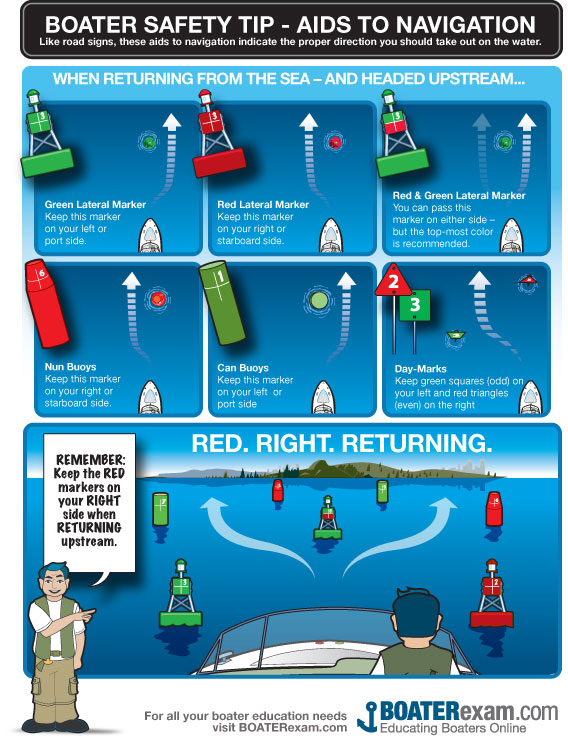
- Navigation Rules: Understanding “rules of the road,” right-of-way, and aids to navigation like buoys and markers.
- Safe Operation: Docking, anchoring, trailering, fueling, and operating in various weather conditions.
- Legal Requirements: Florida’s specific boating laws, including speed limits, personal watercraft regulations, and BUI (Boating Under the Influence) laws.
- Emergency Procedures: What to do in case of accidents, capsizing, man overboard, and other emergencies.
- Environmental Awareness: Protecting Florida’s sensitive marine ecosystems, minimizing wake, and proper waste disposal.
Mastering these topics not only ensures compliance but also significantly enhances your safety and enjoyment on the water.
The Application and Certification Process
After successfully completing an FWC-approved boating safety course, the final steps involve submitting your application and receiving your official Boating Safety Education Identification Card. This process is generally straightforward, designed to get you on the water as quickly as possible.
Submitting Your Application
For most online courses, the course provider will automatically submit your successful completion information to the Florida Fish and Wildlife Conservation Commission (FWC). If you took an in-person course, the instructor or organization would typically handle this submission. In some cases, you might receive a temporary certificate immediately upon passing the exam. This temporary certificate is often valid for a short period (e.g., 90 days) and allows you to legally operate a vessel while you await your permanent card. Always keep a copy of your temporary certificate with you when boating.
Receiving Your Boating Safety Education ID Card
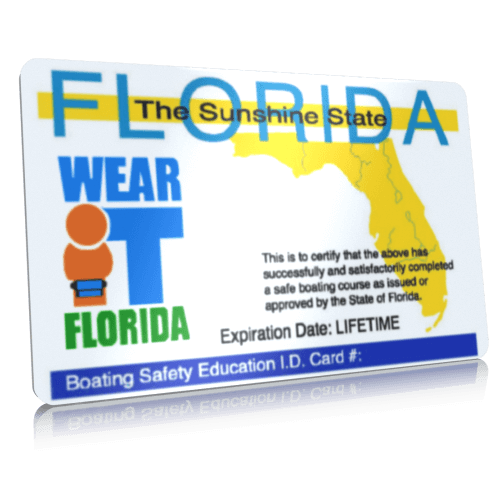
Once the FWC processes your completion information, they will mail your permanent Boating Safety Education Identification Card to the address you provided. This card is typically a durable, wallet-sized card, similar to a driver’s license, featuring your name, birthdate, and a unique identification number. The processing time can vary, so it’s advisable to complete your course well in advance of your planned boating activities, especially if you plan to visit popular destinations like Key West or Fort Lauderdale. If you haven’t received your card within a reasonable timeframe, you can contact the FWC directly to inquire about its status. The card does not expire, but it is crucial to keep it safe, as you will need to present it if requested by law enforcement.
What to Carry Onboard
When operating a vessel that requires the Boating Safety Education Identification Card, you must have the card, or a valid temporary certificate, physically onboard the vessel. In addition to your Boating Safety Education Identification Card, you should always carry:
- Photo Identification: A government-issued photo ID (like a driver’s license) to verify your identity.
- Vessel Registration: Proof of current vessel registration.
- Required Safety Equipment: Ensure all required safety equipment (life jackets, fire extinguisher, sound-producing device, etc.) is onboard, accessible, and in good working order.
Having all necessary documentation and equipment readily available ensures a smooth experience should you encounter marine patrol officers and, more importantly, ensures your safety and compliance with Florida law.
Why Get Licensed? The Benefits of Boating in Florida
Beyond legal compliance, obtaining your Boating Safety Education Identification Card unlocks a world of benefits, enhancing your travel experiences across Florida’s diverse aquatic landscapes. It’s an investment in safety, knowledge, and unparalleled recreational opportunities.
Exploring Florida’s Waterways
With your card in hand, you gain the freedom to explore countless stunning destinations. Imagine navigating through the pristine waters of Biscayne Bay near Miami, discovering secluded coves in the Florida Keys, or venturing into the intricate estuaries of Naples and St. Petersburg. You can access remote fishing spots, enjoy watersports, or simply cruise along scenic coastlines. From the serene Everglades National Park to the bustling intercoastal waterways, Florida’s aquatic offerings are truly endless, and your certification ensures you can experience them responsibly.
Safety and Confidence
The education received through the boating safety course instills a profound sense of confidence. You’ll learn how to react in emergency situations, properly navigate busy channels, understand weather patterns, and operate your vessel efficiently. This knowledge reduces the risk of accidents and makes for a more enjoyable experience for everyone on board. Knowing you are well-prepared to handle various scenarios allows you to relax and fully immerse yourself in the beauty of Florida’s natural environment.
Legal Compliance and Insurance
Adhering to Florida’s boating laws is not just about avoiding fines; it’s about contributing to a safe boating community. Your Boating Safety Education Identification Card proves you understand and respect these laws. Furthermore, many insurance companies offer discounts on boat insurance premiums to individuals who have completed an approved boating safety course. This financial incentive further underscores the value of obtaining your certification, making your boating adventures more affordable and protected.
Beyond the License: Essential Boating Tips for Florida Waters
While obtaining your Boating Safety Education Identification Card is a critical first step, mastering the art of boating in Florida requires ongoing vigilance and adherence to best practices. The unique challenges and unparalleled beauty of Florida’s marine environment demand a mindful approach.
Pre-Departure Checklist
Every successful boating trip begins with a thorough pre-departure checklist. Before leaving the dock, ensure you have:
- Weather Check: Always consult the latest marine weather forecast. Florida’s weather can change rapidly, especially during summer storm seasons.
- Fuel Levels: Verify you have sufficient fuel for your intended journey, plus a reserve.
- Safety Gear: Confirm all required safety equipment is onboard, operational, and easily accessible (life jackets for everyone, fire extinguisher, sound-producing device, visual distress signals, first-aid kit).
- Communication: Have a fully charged cell phone in a waterproof bag and consider a VHF radio for offshore communication.
- Float Plan: Inform someone on shore of your itinerary, including your destination, estimated return time, and the number of people aboard.
These simple steps can prevent minor inconveniences from escalating into serious hazards.
Navigating Florida’s Unique Marine Environment
Florida’s waters present specific navigational considerations. Many areas, particularly along the coast and in the Ten Thousand Islands, feature shallow depths and intricate channels. Always:
- Observe Charts and GPS: Utilize up-to-date nautical charts and a reliable GPS system, especially in unfamiliar waters.
- Monitor Depths: Pay close attention to your depth sounder to avoid running aground, which is a common issue in many parts of Florida.
- Respect “No Wake” Zones: These zones are crucial for safety, erosion control, and protecting marine life, particularly in residential canals and near marinas.
- Beware of Manatees: Florida is home to the endangered manatee. Observe all manatee protection zones and slow down in their habitats.
- Sun Protection: The Florida sun is intense. Wear sunscreen, hats, and protective clothing to prevent sunburn and heat exhaustion.

Respecting Wildlife and the Environment
Boating in Florida offers unparalleled opportunities to witness diverse wildlife, from dolphins and sea turtles to various bird species. It is our collective responsibility to protect these natural treasures:
- Maintain Distance: Never approach marine wildlife too closely. Give them space and avoid disturbing their natural behaviors.
- Proper Waste Disposal: Absolutely no littering. Carry out everything you carry in and dispose of waste properly on shore.
- Anchoring Responsibly: Anchor in sandy areas to avoid damaging sensitive seagrass beds and coral reefs. If available, use mooring buoys.
- Clean Boating Practices: Minimize fuel spills, use environmentally friendly cleaning products, and ensure your vessel’s engine is well-maintained to reduce emissions.
By following these guidelines, you not only ensure your safety and compliance but also contribute to the preservation of Florida’s breathtaking natural beauty for generations of boaters and travelers to come. With your Boating Safety Education Identification Card and a commitment to responsible practices, you are ready to embark on unforgettable aquatic adventures across the Sunshine State.
LifeOutOfTheBox is a participant in the Amazon Services LLC Associates Program, an affiliate advertising program designed to provide a means for sites to earn advertising fees by advertising and linking to Amazon.com. Amazon, the Amazon logo, AmazonSupply, and the AmazonSupply logo are trademarks of Amazon.com, Inc. or its affiliates. As an Amazon Associate we earn affiliate commissions from qualifying purchases.