
Embarking on a new career path can be one of life’s most impactful decisions, offering both challenges and immense rewards. For many seeking a stable, well-paying profession with significant demand, becoming a commercial driver in the vibrant state of Florida presents a compelling opportunity. Far more than just a job, a career behind the wheel of a commercial vehicle is a lifestyle, offering freedom, responsibility, and the chance to be a vital part of the nation’s economy. This comprehensive guide will walk you through the journey of obtaining your Commercial Driver’s License (CDL) in Florida, helping you navigate the process and prepare for a fulfilling professional life on the open road.
Why Choose a CDL Career in Florida?
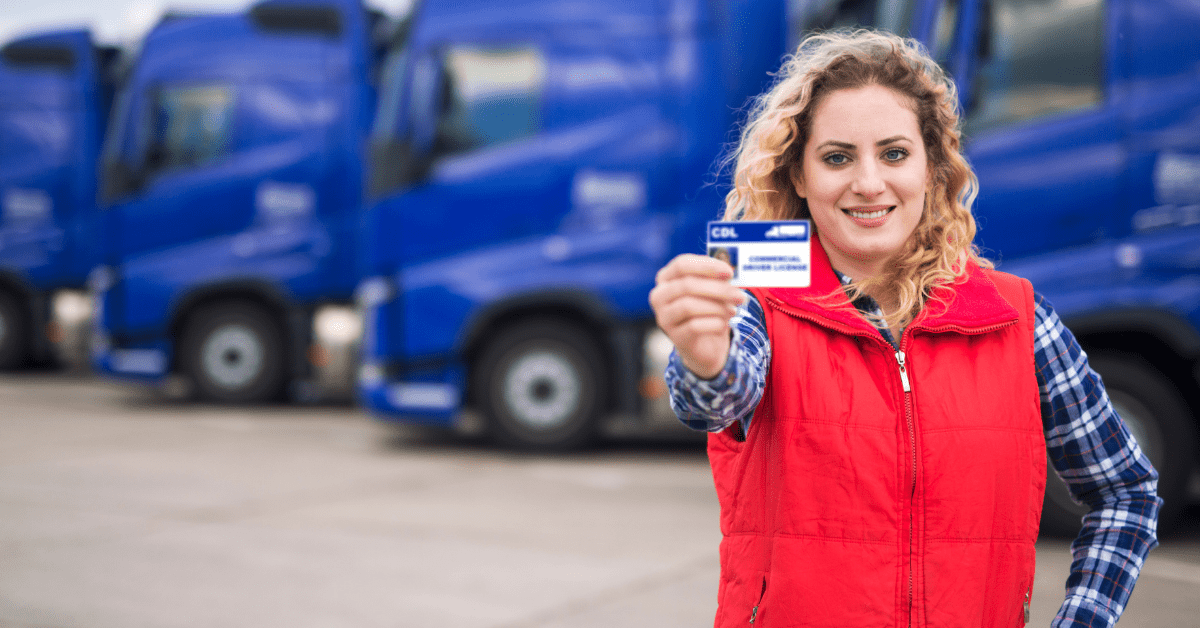
Choosing to pursue a CDL in Florida is a strategic move for several reasons, directly impacting one’s lifestyle and long-term professional satisfaction. The demand for qualified commercial drivers remains consistently high, offering job security in a fluctuating economic landscape. This career path promises more than just employment; it offers a lifestyle of independence and significant contribution.
Economic Stability and Demand
The logistics and transportation sectors are cornerstones of both Florida’s and the broader United States‘ economy. From transporting goods to facilitating trade, commercial drivers are indispensable. Florida’s growing population, booming tourism, and extensive network of ports and distribution centers create an insatiable demand for CDL holders. This translates into competitive salaries, comprehensive benefits, and a wide array of job opportunities ranging from long-haul trucking to local delivery services. For those seeking a career change or a path to greater financial independence, the stability offered by a CDL is incredibly appealing.
A Lifestyle of Independence and Impact
Beyond the financial incentives, a commercial driving career often appeals to individuals who value independence and a dynamic work environment. While the perception might be one of solitude, the reality is a mix of solitary driving time and frequent interactions at delivery points, weigh stations, and truck stops. Drivers play a critical role in ensuring that essential goods reach consumers and businesses, contributing directly to the daily functioning of society. This sense of purpose, coupled with the freedom of being on the road, creates a unique lifestyle that many find deeply rewarding. Whether it’s seeing new parts of the state or simply enjoying the rhythm of the highway, a CDL career offers a distinct way of life that stands apart from traditional office-bound jobs.
Eligibility Requirements: Paving Your Path
Before you can even think about hitting the pavement, understanding the stringent eligibility requirements set by both state and federal regulations is paramount. These requirements are in place to ensure that all commercial drivers are responsible, capable, and safe individuals, safeguarding the public and the industry’s reputation. Meeting these criteria is the first and most crucial step towards your new lifestyle.
Fundamental Prerequisites
To apply for a CDL in Florida, you must first meet several fundamental criteria. Applicants must be at least 18 years old to drive intrastate (within Florida) and 21 years old to drive interstate (across state lines) or transport hazardous materials. You must possess a valid, non-commercial Florida Class E driver’s license. Furthermore, a clean driving record is often expected, as past infractions can impact your eligibility. These prerequisites establish a baseline for responsible driving, essential for the demanding nature of commercial operations.
Medical and Background Clearances
The health and safety of commercial drivers are non-negotiable. All applicants must pass a Department of Transportation (DOT) physical examination administered by a certified medical examiner. This examination assesses your overall physical and mental fitness to operate a commercial vehicle safely, including vision, hearing, blood pressure, and general health. You’ll receive a Medical Examiner’s Certificate (Med Card), which must be kept current. Additionally, federal regulations require commercial drivers to be registered with the Federal Motor Carrier Safety Administration (FMCSA) Drug and Alcohol Clearinghouse, which maintains records of drug and alcohol violations. A clean record here is imperative, reflecting the industry’s zero-tolerance policy for substance abuse.
The CDL Application Process: A Step-by-Step Guide
Navigating the application process for a CDL can seem daunting, but breaking it down into manageable steps clarifies the journey. This process is designed to thoroughly vet candidates, ensuring only the most qualified and safety-conscious individuals earn the privilege of commercial driving. Each step is a building block towards your professional future.
Obtaining Your Commercial Learner’s Permit (CLP)
Your journey begins at a Florida Department of Highway Safety and Motor Vehicles (FLHSMV) office. After meeting the initial eligibility requirements and passing the DOT physical, you’ll apply for a Commercial Learner’s Permit (CLP). This involves passing a series of written knowledge tests specific to the type of CDL you intend to obtain (Class A, B, or C) and any endorsements you desire (e.g., air brakes, tanker, hazardous materials, passenger). The CLP allows you to practice driving a commercial vehicle on public roads, but only with a qualified CDL holder present in the vehicle. You must hold your CLP for a minimum of 14 days before you can take the CDL skills test, ensuring adequate practice time.
Training and Endorsements
While not strictly mandated by the state, enrolling in a reputable CDL training program is highly recommended. These programs provide invaluable hands-on experience, classroom instruction, and preparation for the rigorous skills tests. They simulate real-world driving conditions, teach crucial safety protocols, and familiarize you with vehicle inspections, all vital for a successful career. Additionally, consider which endorsements are relevant to your desired lifestyle and career path. A hazardous materials endorsement, for example, opens up opportunities in specialized sectors, while a passenger endorsement is essential for bus drivers. Each endorsement requires additional knowledge and/or skills testing.
The CDL Skills Test
After thorough preparation with your CLP, the final hurdle is the CDL skills test. This multi-part examination is conducted by a certified examiner at an FLHSMV designated testing site. It consists of three main components:
- Vehicle Inspection Test: You must demonstrate your ability to perform a pre-trip inspection, identifying various components and explaining their functions to ensure the vehicle is safe to operate.
- Basic Controls Test: This evaluates your ability to maneuver the commercial vehicle in a controlled environment, including backing up, turning, and parking.
- Road Test: This is the practical driving portion, assessing your skills in real-world traffic conditions, including starting, stopping, shifting gears, turning, observing traffic laws, and managing speed.
Passing all three components is essential for obtaining your CDL. Failure in any section requires retaking that specific part.
Preparing for Your CDL Exams: Mastering the Road Ahead
Success in obtaining your CDL is not just about showing up; it’s about meticulous preparation, unwavering dedication, and a commitment to mastering the necessary knowledge and skills. This preparation phase is where you lay the groundwork for a safe and prosperous lifestyle as a commercial driver.
Study Materials and Practice
The Florida CDL Handbook is your bible. It contains all the information you need to pass the written knowledge tests for your CLP and any endorsements. Read it thoroughly, chapter by chapter, and take practice tests regularly. Many online resources and apps also offer practice questions that mirror the actual exams. Focus on understanding the concepts, not just memorizing answers. For the skills tests, consistent practice with a commercial vehicle is non-negotiable. This means spending hours behind the wheel, refining your maneuvers, and becoming intimately familiar with the vehicle’s controls and dimensions.
Formal Training Programs
While self-study can get you through the written tests, a formal CDL training school offers structured instruction and hands-on experience that significantly boosts your chances of success in the skills tests. These schools provide certified instructors, access to appropriate vehicles, and a curriculum designed to prepare you for every aspect of the examination. Beyond just passing the test, these programs instill safe driving habits and equip you with the practical knowledge needed for a successful career. They are an investment in your new lifestyle, offering a robust foundation that will serve you well on the road. Many programs also offer job placement assistance, further streamlining your entry into the profession.
Life as a Commercial Driver in Florida: Opportunities and Outlook
Once you’ve earned your CDL, a new world of career possibilities opens up, impacting your lifestyle in significant ways. The decision to become a commercial driver is a commitment to a particular way of life, one that offers diverse opportunities and a stable future in Florida’s thriving economy.
Diverse Career Paths
A CDL is a versatile credential, opening doors to a multitude of specialized roles. You could become a long-haul truck driver, exploring routes across the country; a local delivery driver, serving businesses and communities within Florida; or a specialized transporter for oversized loads, construction materials, or hazardous goods. Other options include bus driving (school buses, public transit, charter services), dump truck operation, or even becoming a driving instructor yourself. Each path offers a different lifestyle, from being home daily to spending weeks on the road, allowing you to choose the fit that best suits your personal and family needs.

Professional Growth and Development
The journey doesn’t end once you receive your CDL. The commercial driving profession offers continuous opportunities for professional growth. Experienced drivers can take on more complex routes, operate specialized equipment, or move into supervisory roles. Many companies offer ongoing training, safety programs, and incentives for maintaining a clean driving record. With experience, you can command higher wages, explore independent contracting, or even start your own trucking business. The commitment to continuous learning and safety translates into a rewarding career with ample room for advancement, solidifying the choice of a CDL as a long-term lifestyle investment.
Obtaining your Commercial Driver’s License in Florida is more than just getting a permit; it’s an intentional step towards a new professional lifestyle. It requires dedication, rigorous training, and a commitment to safety, but the rewards—in terms of job security, financial stability, and personal independence—are substantial. By understanding the requirements, diligently preparing for the exams, and embracing the diverse opportunities available, you can successfully embark on a fulfilling and impactful career as a commercial driver, shaping your future on the open roads of Florida and beyond.
LifeOutOfTheBox is a participant in the Amazon Services LLC Associates Program, an affiliate advertising program designed to provide a means for sites to earn advertising fees by advertising and linking to Amazon.com. Amazon, the Amazon logo, AmazonSupply, and the AmazonSupply logo are trademarks of Amazon.com, Inc. or its affiliates. As an Amazon Associate we earn affiliate commissions from qualifying purchases.