
Navigating the initial steps towards obtaining a driver’s license can feel like charting a new territory, especially for young aspiring drivers in the Sunshine State. The learner’s permit is the foundational document, unlocking the door to supervised driving practice and the eventual freedom of independent mobility. This guide aims to demystify the process of acquiring your learner’s permit in Florida, ensuring a smooth and efficient experience. From understanding eligibility requirements to mastering the necessary tests, we’ll cover all you need to know to confidently embark on this exciting journey.
Understanding the Eligibility and Requirements
Before you even step foot into a Florida Department of Highway Safety and Motor Vehicles (FLHSMV) office, it’s crucial to ensure you meet the prerequisite conditions for a learner’s permit. These requirements are designed to foster responsible new drivers and ensure they possess a basic understanding of traffic laws and safe driving practices.
Age Restrictions
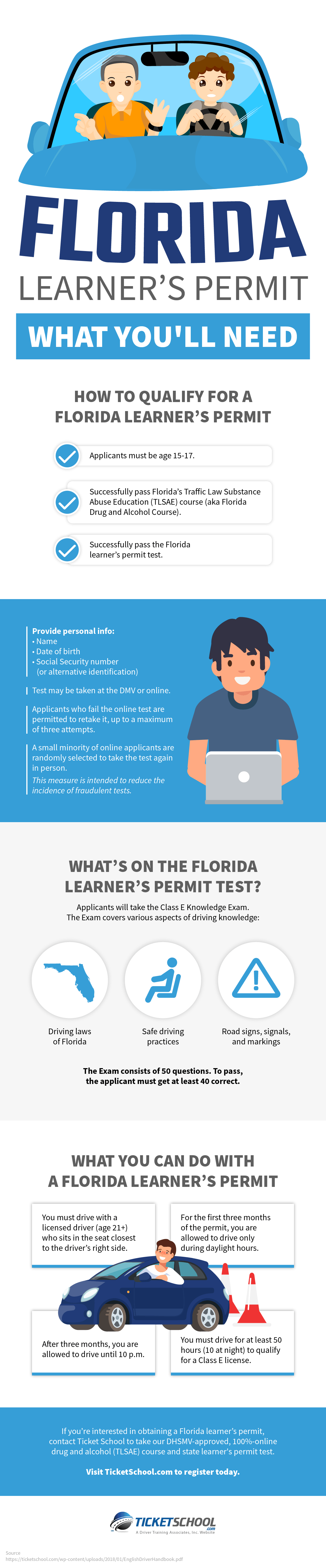
In Florida, the minimum age to obtain a learner’s permit is 15 years old. However, there are specific requirements tied to age. Applicants who are 15 years old must complete a Traffic Law and Substance Abuse Education (TLSAE) course. Those who are 16 or 17 years old also need to complete this course, along with holding their learner’s permit for at least one year before they can apply for a driver’s license, provided they have no traffic violations.
Necessary Documentation
Gathering the correct documentation is a cornerstone of a hassle-free application process. The FLHSMV requires proof of identity, date of birth, and residential address.
- Proof of Identity and Date of Birth: This typically includes original or certified copies of documents such as a U.S. Birth Certificate, a U.S. Passport, or an Alien Registration Card.
- Proof of Residential Address: Two proofs of residency are needed. Acceptable documents include a utility bill, a bank statement, a rental agreement, or a school transcript, provided they show your name and Florida address.
- Proof of Social Security Number: Your Social Security card or a W-2 form will suffice.
- Proof of U.S. Citizenship or Legal Presence: This can be established through the same documents used for proof of identity, such as a birth certificate or passport.
It is highly recommended to visit the official FLHSMV website or contact your local driver’s license service center for the most up-to-date list of acceptable documents, as requirements can occasionally change.
The Traffic Law and Substance Abuse Education (TLSAE) Course
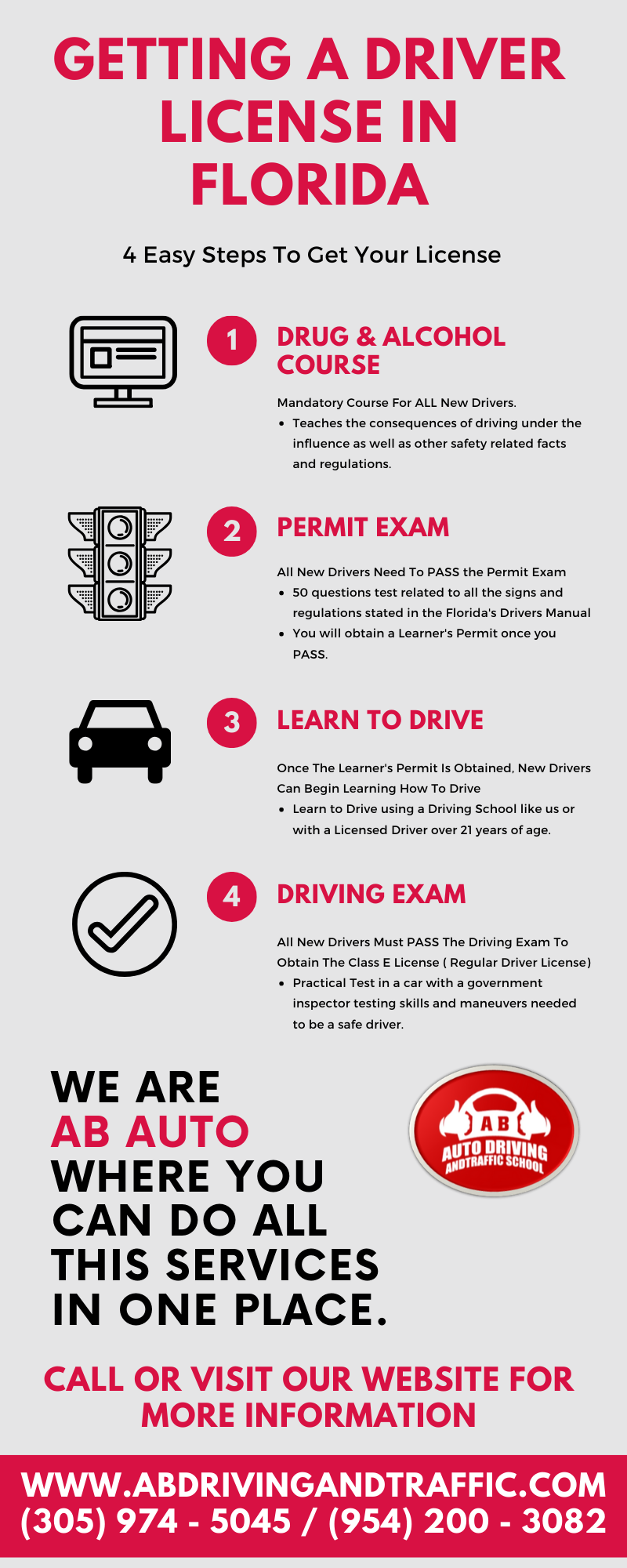
As mentioned, completing the TLSAE course is a mandatory step for all applicants under the age of 18 seeking a learner’s permit. This course is designed to educate individuals about the dangers of impaired driving, the consequences of traffic violations, and fundamental traffic laws.
Course Delivery and Completion
The TLSAE course can be completed through various authorized providers, both online and in person. Many high schools offer this course as part of their curriculum, and numerous private driving schools and community centers also provide it. Upon successful completion, you will receive a certificate, which you must present when applying for your learner’s permit. Ensure the provider you choose is state-approved to avoid any issues with your application.
Preparing for the Knowledge and Vision Tests
Once you meet the eligibility criteria and have your documentation in order, the next significant hurdle is passing the required tests. The learner’s permit exam consists of two primary components: a vision test and a knowledge test, assessing your understanding of Florida traffic laws and your visual acuity.
The Vision Test
The vision test is a straightforward assessment of your eyesight to ensure you can see clearly enough to operate a vehicle safely. You will be asked to read letters on a chart from a specified distance. If you wear glasses or contact lenses, it is essential to bring them with you, as the test will be administered both with and without them. Should you require corrective lenses, your learner’s permit will be issued with a restriction mandating their use while driving.
The Knowledge Test
The knowledge test, also known as the written or permit test, evaluates your comprehension of Florida traffic laws, road signs, and safe driving practices. The test typically consists of multiple-choice questions.
Study Resources and Strategies
To excel on the knowledge test, thorough preparation is key. The primary resource for study is the official Florida Driver’s Handbook. This comprehensive guide covers all the information you need to know, including traffic laws, rules of the road, and safe driving techniques.
- Read the Handbook Diligently: Don’t just skim through it. Understand the concepts behind each rule and sign. Pay close attention to sections on traffic signals, right-of-way, speed limits, and impaired driving.
- Utilize Practice Tests: Many online resources and driving schools offer practice knowledge tests that simulate the actual exam. These are invaluable for identifying areas where you need further study and for familiarizing yourself with the question format.
- Focus on Key Areas: Certain topics are consistently emphasized on the permit test. Ensure you have a firm grasp of topics like maintaining a safe following distance, understanding different types of intersections, and the legal implications of traffic violations.
- Review Road Signs: Memorizing the meaning of various traffic signs is crucial. Many questions on the test relate directly to sign recognition.
The knowledge test can be taken at any FLHSMV driver license service center. You may retake the test if you do not pass, but there may be waiting periods and additional fees associated with retakes.
The Application Process at the Driver License Service Center
With your documentation, TLSAE completion certificate, and readiness for the tests, you are prepared to visit an FLHSMV service center to formally apply for your learner’s permit. Understanding the steps involved at the center will help streamline your visit.
Scheduling an Appointment
While walk-ins are sometimes accommodated, it is highly advisable to schedule an appointment in advance through the FLHSMV website. Appointments significantly reduce wait times and ensure that you are seen efficiently. During the appointment booking process, you will be prompted to select a service center and a convenient time.
At the Service Center
Upon arrival at the service center, you will typically check in at the reception desk. Be prepared to present all your gathered documentation. A customer service representative will review your documents, verify your identity, and guide you through the next steps.
- Document Verification: All original documents you brought will be examined for authenticity and validity.
- Application Submission: You will fill out the necessary application forms.
- Vision and Knowledge Tests: If you haven’t already completed them, you will be directed to take the vision and knowledge tests. If you have completed the TLSAE course, ensure your certificate is readily available for submission.
- Photo and Signature: Once you pass the tests, your photograph will be taken, and you will provide your signature for the learner’s permit.
- Fee Payment: There will be a fee associated with the application and issuance of the learner’s permit. Payment can typically be made via cash, check, or credit card, depending on the specific service center.
Receiving Your Learner’s Permit
After successfully completing all the requirements, including passing the tests and paying the fee, you will be issued your Florida learner’s permit. This permit is usually a temporary document, and your official card will be mailed to your provided address within a few weeks.
Life with a Learner’s Permit: Responsibilities and Next Steps
Obtaining a learner’s permit is not the end of the journey but rather the beginning of supervised driving experience. It comes with specific responsibilities and sets the stage for obtaining a full driver’s license.
Driving Restrictions and Requirements
Your learner’s permit allows you to drive, but only under specific conditions. These restrictions are in place to ensure your safety and the safety of others on the road.
- Supervision: You must be accompanied by a licensed driver who is at least 21 years old and occupying the front passenger seat. This licensed driver is responsible for supervising your driving.
- Curfew: In Florida, drivers under 17 years old with a learner’s permit are subject to a curfew. You cannot drive between the hours of 11:00 p.m. and 6:00 a.m., unless accompanied by a licensed driver 21 years or older, or traveling to or from work or a school-sponsored activity.
- No Mobile Device Use: The use of any handheld mobile device, including for talking or texting, is prohibited for permit holders while driving. Hands-free use is also restricted for those under 18.

Transitioning to a Driver’s License
The learner’s permit is a stepping stone towards the ultimate goal: a driver’s license. The process involves accumulating supervised driving experience and then demonstrating your driving proficiency.
- Minimum Holding Period: For drivers under 18, the learner’s permit must be held for at least one year. This year is crucial for developing the necessary skills and judgment behind the wheel.
- Driving Log: While not always strictly enforced with a formal log, it is highly recommended to keep track of your supervised driving hours. This practice ensures you gain a diverse range of driving experience in various conditions.
- Road Test: Once you have met the holding period requirement and are at least 16 years old, you can schedule and take the driving skills road test at an FLHSMV service center. This test assesses your ability to safely operate a vehicle in real-world driving situations.
By understanding and adhering to these steps and regulations, aspiring drivers in Florida can confidently navigate the process of obtaining their learner’s permit and pave the way for a safe and responsible driving future.
LifeOutOfTheBox is a participant in the Amazon Services LLC Associates Program, an affiliate advertising program designed to provide a means for sites to earn advertising fees by advertising and linking to Amazon.com. Amazon, the Amazon logo, AmazonSupply, and the AmazonSupply logo are trademarks of Amazon.com, Inc. or its affiliates. As an Amazon Associate we earn affiliate commissions from qualifying purchases.