
Securing a driver’s license is a significant milestone, offering newfound independence and access to a state as vast and diverse as Texas. For those turning 18, the process in the Lone Star State is streamlined, though it still requires careful adherence to specific requirements. Unlike younger applicants who must navigate a graduated licensing system, individuals aged 18 and over can pursue a provisional or regular driver’s license directly. This guide aims to demystify the steps, ensuring a smooth and successful application process for aspiring drivers in Texas.
Understanding the Requirements for 18-Year-Olds in Texas
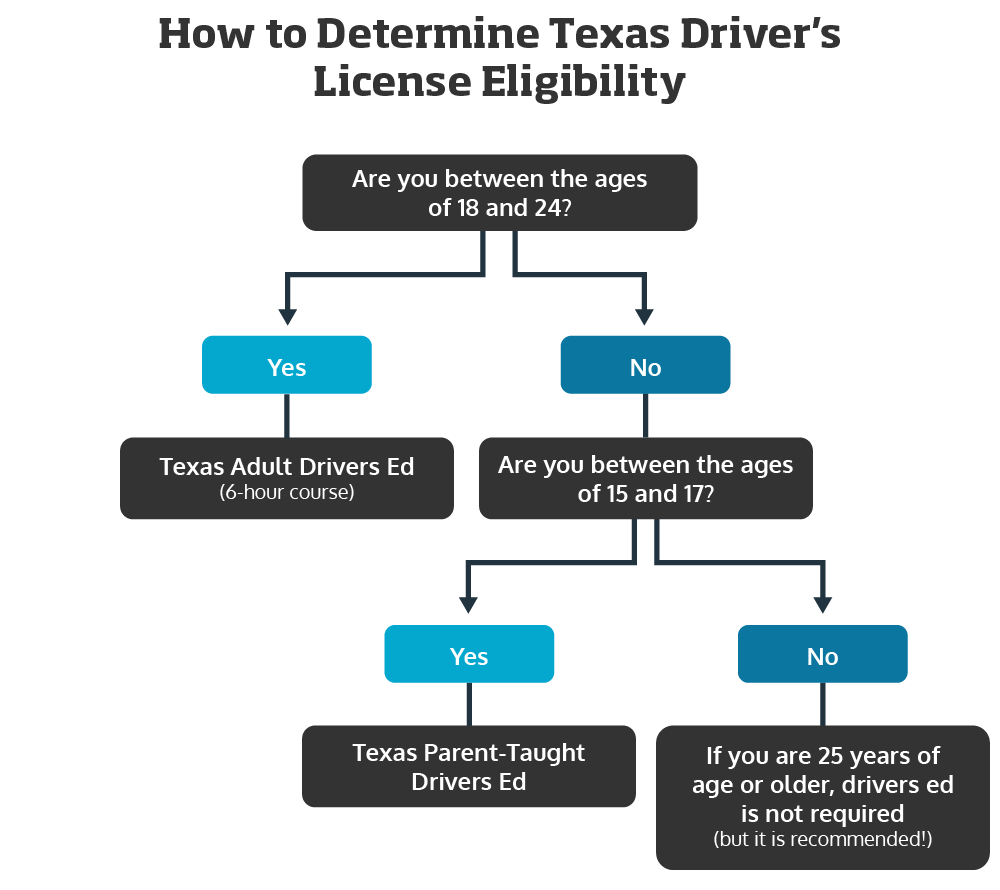
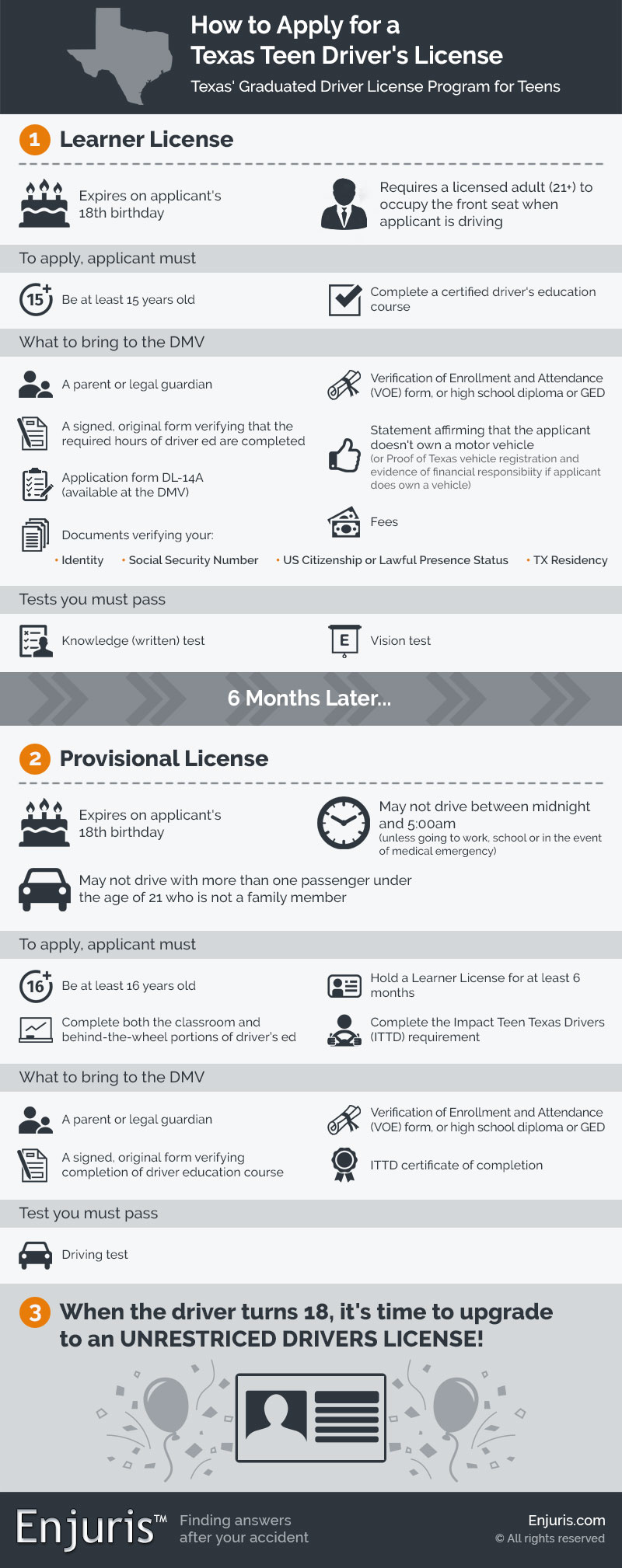
In Texas, the requirements for obtaining a driver’s license at 18 differ from those under 18. While the graduated driver’s license (GDL) program is designed to build driving experience gradually for teenagers, adults aged 18 and older can bypass some of these steps. However, certain essential criteria must still be met.
Essential Documentation: Gathering Your Proof
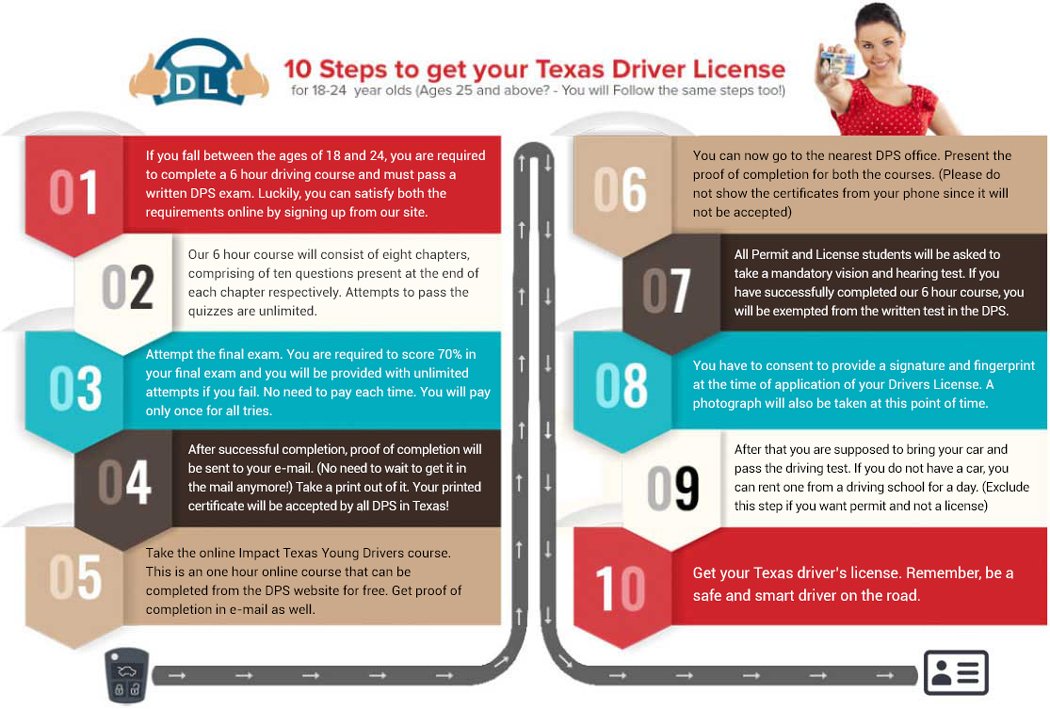
The foundation of any successful license application lies in providing accurate and complete documentation. For individuals applying at 18 or older, the Texas Department of Public Safety (DPS) requires proof of identity, legal presence, and residency. It’s crucial to have these documents in order before your visit to a driver license office.
- Proof of Identity and Citizenship/Lawful Presence: You will need to present a primary document that establishes your identity and U.S. citizenship or lawful presence in the United States. Acceptable documents include a U.S. Birth Certificate (original or certified copy), a U.S. Passport, a Certificate of Citizenship, or a Certificate of Naturalization. If you are not a U.S. citizen, you will need specific documentation like a Permanent Resident Card or an Employment Authorization Document.
- Proof of Social Security Number: Your Social Security card is typically required. If you do not have your card, you may be able to present other acceptable documents that display your Social Security number.
- Proof of Texas Residency: You must prove that you reside in Texas. Two separate documents are needed, dated within the last 60 days for most utilities and within the last 90 days for others. Examples include utility bills (electricity, water, gas), bank statements, rental or lease agreements, or mail from a government agency. Ensure that these documents clearly show your name and Texas address.
- Proof of Identity (Secondary): In some cases, a secondary document may be required to verify your identity, especially if your primary document doesn’t fully meet all requirements. This could include a U.S. Social Security card, a school transcript, or a marriage certificate.
Vision and Knowledge Tests: Assessing Your Abilities
Before you can take to the roads of Texas, you’ll need to demonstrate your proficiency in both vision and traffic law.
- Vision Test: This is a standard part of the licensing process. You’ll be asked to read letters on a chart to ensure your eyesight meets the minimum requirements for safe driving. If you wear corrective lenses, you should bring them to the test.
- Knowledge Test (Written Exam): While adults 18 and over are exempt from the formal driver education course, they are still required to pass a knowledge test. This exam covers traffic laws, road signs, and safe driving practices as outlined in the Texas Driver Handbook. It’s highly recommended to study the handbook thoroughly before taking the test. You can find the latest version on the Texas DPS website. The test is typically administered on a computer and consists of multiple-choice questions.
The Driving Test: Demonstrating Practical Skills
The final hurdle in obtaining your license is the driving test, also known as the road test. This practical assessment evaluates your ability to operate a vehicle safely and competently.
- Vehicle Requirements: The vehicle you use for the driving test must be in good working condition, properly registered, and insured. Ensure that all lights, turn signals, brakes, and horn are functioning correctly. The examiner will likely check these before beginning the test.
- Test Components: The driving test assesses a range of skills, including:
- Basic Vehicle Control: Starting the engine, shifting gears (if applicable), steering, and braking.
- Traffic Law Compliance: Adhering to speed limits, obeying traffic signals and signs, and signaling intentions.
- Maneuvers: Performing tasks such as three-point turns, parallel parking (though not always required for an adult license, it’s good practice), backing up, and changing lanes safely.
- Observation Skills: Checking mirrors, blind spots, and being aware of your surroundings.
- Defensive Driving Techniques: Demonstrating awareness of potential hazards and making safe decisions.
The examiner will provide specific instructions during the test. It’s important to remain calm, focus on safety, and demonstrate your understanding of traffic laws and responsible driving habits.
The Application Process: Step-by-Step
Navigating the application process in Texas is straightforward when you are prepared. The Texas DPS has implemented efficient systems to facilitate license issuance.
Step 1: Complete the DL-180 Application Form
Before visiting a driver license office, you can often begin the application process online by completing the DL-180 “Application for Driver License.” This form collects essential personal information and helps expedite your visit. You can download this form from the Texas DPS website.
Step 2: Schedule an Appointment and Visit a Driver License Office
While walk-ins are sometimes accommodated, scheduling an appointment at a Texas DPS driver license office is highly recommended to minimize wait times. You can usually schedule appointments online through the Texas DPS website. Be prepared to bring all your required documentation, your completed DL-180 form, and the necessary fees.
Step 3: Pass the Vision, Knowledge, and Driving Tests
At your appointment, you will undergo the vision test, and if you haven’t already passed it online or through an approved program, the knowledge test. After successfully passing these, you will typically be scheduled for your driving test. Some locations may allow you to take the driving test on the same day, but it is not guaranteed.
Step 4: Receive Your Temporary Driver’s License
Upon successfully passing all required tests and providing all necessary documentation, you will be issued a temporary driver’s license. This temporary document is valid for a specific period, usually 60 to 90 days, allowing you to drive legally while your permanent license is being processed and mailed.
Step 5: Receive Your Permanent Driver’s License
Your permanent driver’s license will be mailed to the address you provided on your application. This process can take several weeks. It’s essential to keep your temporary license with you at all times while driving during this period.
Tips for a Smooth License Acquisition
Preparation is key to a stress-free experience when applying for your driver’s license in Texas. Following these tips can help ensure you have everything you need and are ready for each stage of the process.
Pre-Visit Preparations
- Verify Documentation: Double-check that you have all the required original or certified documents. Copies are generally not accepted.
- Study the Driver Handbook: Thoroughly review the Texas Driver Handbook. Pay close attention to road signs, traffic laws, and safe driving practices. Many resources are available online to help you prepare for the knowledge test.
- Practice Driving: If you have access to a vehicle, practice your driving skills, especially those that will be tested during the road test, such as parallel parking, three-point turns, and lane changes.
During Your Visit
- Arrive Early: Even with an appointment, arriving a little early can help you settle in and complete any preliminary paperwork without rushing.
- Be Courteous and Clear: Be polite to the DPS staff. If you have any questions, don’t hesitate to ask for clarification.
- Stay Calm During Tests: It’s natural to feel a bit nervous, but try to remain calm and focused during the vision, knowledge, and driving tests.
- Understand the Driving Test Criteria: Familiarize yourself with what the examiner will be looking for during the driving test. This includes safe driving habits, adherence to traffic laws, and proper vehicle control.
Post-Issuance
- Keep Your Temporary License Safe: Treat your temporary license as you would your permanent one. It is a legal document.
- Update Your Address (If Necessary): If you move after applying, ensure you update your address with the DPS to receive your permanent license.
By understanding the requirements, preparing your documents meticulously, and studying the necessary material, obtaining your driver’s license at 18 in Texas becomes an achievable and rewarding goal, opening up a new chapter of freedom and mobility across the state.
LifeOutOfTheBox is a participant in the Amazon Services LLC Associates Program, an affiliate advertising program designed to provide a means for sites to earn advertising fees by advertising and linking to Amazon.com. Amazon, the Amazon logo, AmazonSupply, and the AmazonSupply logo are trademarks of Amazon.com, Inc. or its affiliates. As an Amazon Associate we earn affiliate commissions from qualifying purchases.