
Navigating the landscape of medical cannabis can seem complex, particularly in a state like Colorado where recreational marijuana is also legal. However, for residents suffering from specific medical conditions, obtaining a medical marijuana card offers significant advantages, including access to higher potency products, increased purchase limits, and often substantial tax savings. This comprehensive guide will walk you through the process, providing insights into eligibility, application steps, and what to expect once you’ve secured your card. Understanding the nuances of Colorado’s medical marijuana program is crucial for anyone considering this path as part of their lifestyle and health management strategy.
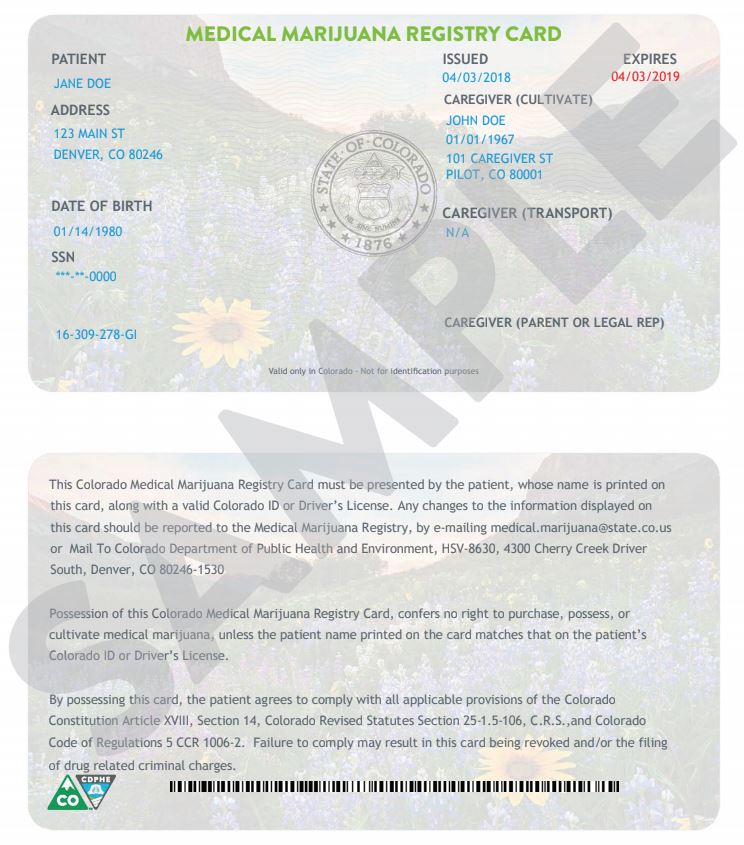
Understanding Colorado’s Medical Marijuana Program
Colorado has been at the forefront of cannabis legislation for decades, first establishing a medical marijuana program under Amendment 20 in 2000. This program provides registered patients with legal access to medical cannabis, cultivated and dispensed under strict state regulations. The intent behind the program is to offer relief to individuals with debilitating medical conditions that have not responded to conventional treatments. It’s a carefully structured system designed to ensure patient safety and responsible access.
Who is Eligible?
Eligibility for a medical marijuana card in Colorado is primarily based on two key criteria: residency and qualifying medical conditions.
Firstly, applicants must be Colorado residents. Proof of residency, such as a Colorado driver’s license or state identification card, is mandatory during the application process. This ensures that the program serves the citizens of the state who contribute to its healthcare and tax systems.
Secondly, applicants must suffer from one or more of the state-approved qualifying medical conditions. These conditions have been identified through legislative processes as those for which medical cannabis can provide therapeutic benefits. The current list of qualifying conditions includes:
- Cancer
- Glaucoma
- HIV or AIDS
- Cachexia (wasting syndrome)
- Persistent muscle spasms
- Seizures
- Severe nausea
- Severe pain
- Post-Traumatic Stress Disorder (PTSD)
- Any debilitating or disabling medical condition that a physician has diagnosed, and for which the physician believes the medical use of marijuana would be beneficial to the patient.
It’s important to note that the “any debilitating or disabling medical condition” clause offers a broader pathway, allowing physicians to exercise their professional judgment in recommending cannabis for conditions not explicitly listed, provided they believe it will genuinely benefit the patient’s health and well-being.
Benefits of a Medical Card
While recreational marijuana is readily available in Colorado for adults 21 and over, a medical marijuana card (often referred to as a “red card”) provides several significant advantages that enhance the lifestyle and financial well-being of qualifying patients:
- Tax Savings: This is often the most immediate and tangible benefit. Recreational cannabis purchases in Colorado are subject to a significant state sales tax (2.9%), a state special sales tax (15%), and a state excise tax (15% on wholesale), totaling over 30% in state taxes alone, plus local taxes. Medical marijuana, however, is generally only subject to the standard state sales tax and any local sales taxes, resulting in considerable savings, especially for regular users.
- Higher Potency and Product Variety: Medical dispensaries often carry a broader range of products, including those with higher THC concentrations and specific cannabinoid profiles that may not be available in recreational stores. This allows patients to find the most effective medicine for their specific symptoms.
- Increased Purchase Limits: Medical cardholders can purchase significantly larger quantities of cannabis (typically 2 ounces of flower per transaction) compared to recreational consumers (1 ounce of flower). This reduces the frequency of dispensary visits and ensures patients have an adequate supply of their medicine.
- Age Requirement: While recreational marijuana is for adults 21 and older, patients aged 18-20 can obtain a medical marijuana card with two physician recommendations. For patients under 18, a parent or legal guardian must act as their primary caregiver, and two physicians must recommend medical cannabis.
- Cultivation Limits: Medical patients generally have higher personal cultivation limits, often up to six plants (three flowering, three non-flowering), with the potential for more if medically justified by their recommending physician.
- Legal Protections: A medical card provides an additional layer of legal protection, clearly defining the cardholder as a patient accessing medication under state law.
Differentiating from Recreational Use
The distinction between medical and recreational use in Colorado is crucial. Recreational cannabis, legalized in 2012, permits adults 21 and over to purchase and possess limited amounts of marijuana for personal use. It is widely available through licensed recreational dispensaries across the state.
Medical cannabis, conversely, is specifically for patients with qualifying conditions who have received a doctor’s recommendation and registered with the state. The program is overseen by the Colorado Department of Public Health and Environment (CDPHE). The key differences lie in eligibility, legal protections, taxes, potency, and purchase limits, as detailed above. While both avenues provide legal access to cannabis, the medical program is tailored to the needs of patients, offering a more robust and therapeutic framework for use.
The Step-by-Step Application Process
Obtaining your medical marijuana card in Colorado involves a structured application process. While it requires attention to detail, following these steps will guide you smoothly through the system.
Step 1: Confirming Your Eligibility
Before you begin, re-evaluate your eligibility based on Colorado residency and the list of qualifying medical conditions. Gather any existing medical records that document your condition, treatments you’ve tried, and their outcomes. These records will be essential for your consultation with a recommending physician. Having a clear understanding of your medical history and how it aligns with the qualifying conditions will streamline the process.
Step 2: Obtaining a Physician’s Recommendation
This is perhaps the most critical step. You need a recommendation from a Colorado-licensed physician that you have a qualifying medical condition for which medical marijuana would be beneficial.
Finding a Qualified Doctor
Not all doctors are willing or authorized to recommend medical cannabis. You’ll need to find a physician who is registered with the state to issue these recommendations. Many clinics specialize in medical marijuana evaluations, and a quick online search for “medical marijuana doctors Colorado” will yield several options. Ensure the physician is licensed in Colorado and in good standing. It’s advisable to choose a clinic that has experience with the state’s application requirements.
The Consultation Process
During your appointment, the physician will review your medical history, perform a physical examination if necessary, and discuss your symptoms and previous treatments. This is where your gathered medical records become invaluable. Be prepared to discuss how your condition impacts your daily life and why you believe medical marijuana could be a suitable treatment option. The physician must establish a bona fide physician-patient relationship. If the physician determines that you have a qualifying condition and that medical marijuana is appropriate, they will provide you with a written certification. This certification is a critical document for your application to the state.
Step 3: Registering with the Colorado Department of Public Health and Environment (CDPHE)
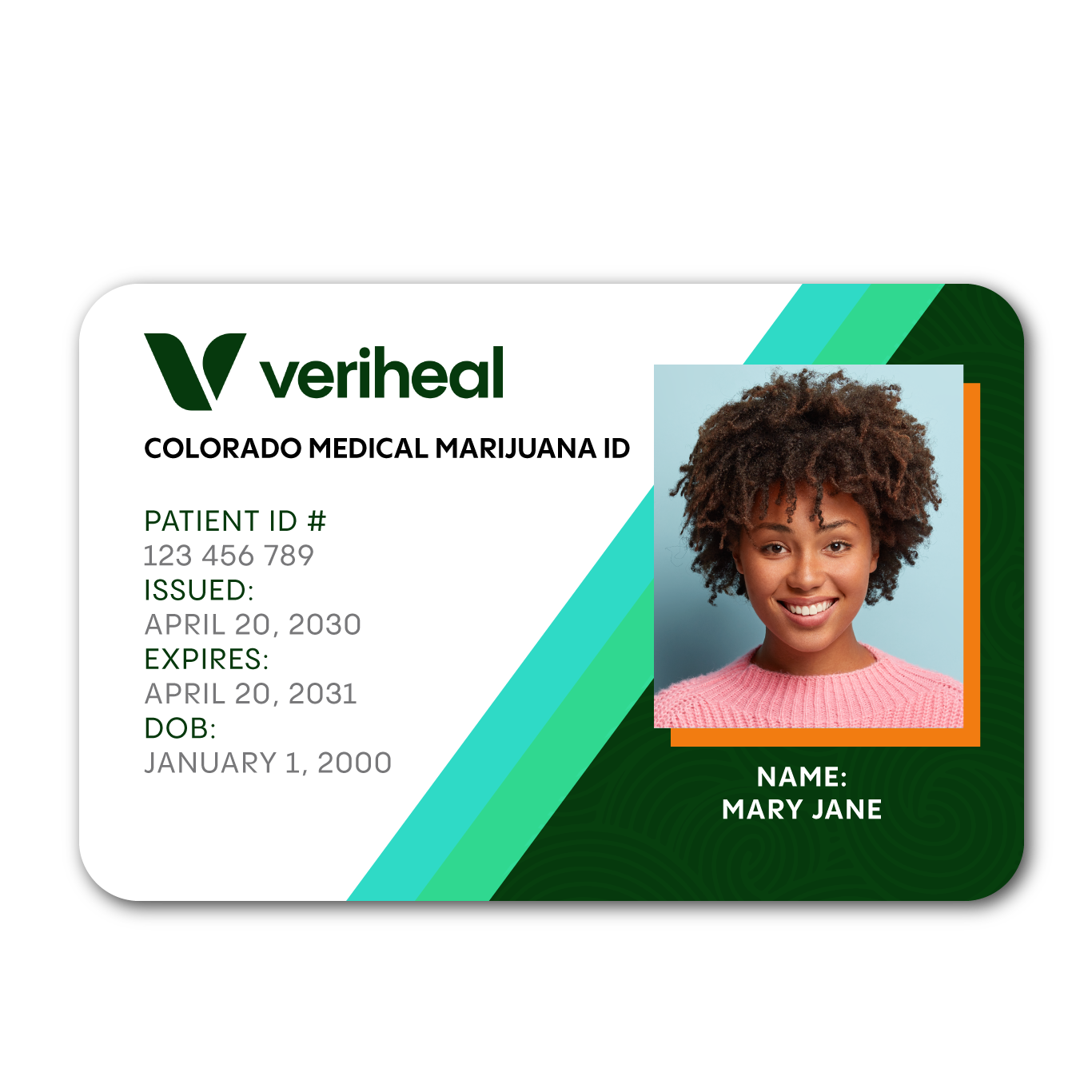
Once you have your physician’s recommendation, the next step is to register with the Colorado Department of Public Health and Environment (CDPHE), which manages the Colorado Medical Marijuana Registry.
Online vs. Mail Application
The CDPHE strongly encourages online applications, as they are processed much faster. The online system is user-friendly and guides you through each section. While mail-in applications are still accepted, they typically take significantly longer to process.
Required Documentation
Regardless of whether you apply online or by mail, you will need to submit several documents:
- Physician’s Certification: The written recommendation from your Colorado-licensed physician. This must be uploaded or submitted with your application.
- Proof of Colorado Residency: A clear copy of your valid Colorado driver’s license or state identification card.
- Application Fee: There is a non-refundable application fee (typically around $29.50, but verify the current amount on the CDPHE website). This fee can usually be paid online with a credit or debit card.
- Caregiver Designation (if applicable): If you are designating a primary caregiver to assist you with your medical marijuana, their information and a copy of their Colorado ID will also be required.
Ensure all documents are clear, legible, and accurately reflect your information. Any discrepancies or missing information can lead to delays or rejection of your application.
Step 4: Awaiting Your Approval and Card Issuance
After submitting your complete application and paying the fee, the CDPHE will review your submission. Online applications are generally processed within 1-3 business days, and upon approval, you will receive an email confirmation. This email includes your temporary medical marijuana card, which you can print and use immediately. Your official plastic card will then be mailed to you within a few weeks. For mail-in applications, the processing time can extend to several weeks or even months. It’s advisable to frequently check the status of your application online.
Navigating Common Challenges and Considerations
While the process is straightforward, some aspects often raise questions or present minor challenges for applicants.
Finding a Colorado Medical Marijuana Doctor
One common hurdle is finding a physician who is knowledgeable about medical cannabis and willing to provide recommendations. As mentioned, specialized clinics exist to cater to this need. When choosing a clinic, consider their reputation, the professionalism of their staff, and their understanding of the CDPHE requirements. It’s also wise to inquire about their fees for the consultation, as these are separate from the state application fee. Many clinics offer telehealth options, which can be convenient for initial consultations, though some may require an in-person visit.
Understanding Application Fees and Renewal
The initial application fee for the medical marijuana card is a state requirement. Keep in mind that this card needs to be renewed annually. The renewal process is similar to the initial application, requiring an updated physician’s recommendation and payment of the renewal fee. It’s crucial to track your card’s expiration date to ensure continuous access to medical cannabis. The CDPHE usually sends reminders, but it’s ultimately the patient’s responsibility to renew on time.
Legal Protections and Responsibilities
While holding a medical card provides legal protection under state law, it’s vital to understand its limitations. Federal law still classifies marijuana as an illegal substance, meaning a medical card does not protect you on federal property (e.g., national parks, federal courthouses, airports). Furthermore, your card does not grant you the right to consume cannabis anywhere you please; public consumption remains illegal. Always carry your physical medical marijuana card and a valid Colorado ID when possessing or purchasing medical cannabis. Understanding these responsibilities is a key aspect of responsible lifestyle choices in Colorado.
What to Do If Your Application is Denied
In rare cases, an application might be denied due to incomplete information, lack of valid proof of residency, or a physician’s recommendation that doesn’t meet state standards. If your application is denied, the CDPHE will send you a letter explaining the reason. You will typically have the opportunity to correct the issue and resubmit your application without incurring an additional fee, provided you do so within a specified timeframe. It’s important to promptly address any deficiencies to avoid further delays.
Maximizing Your Medical Marijuana Card
Once you have your Colorado medical marijuana card, you can fully leverage its benefits to manage your health and well-being.
Visiting Medical Dispensaries
With your card in hand, you can now visit licensed medical dispensaries in Colorado. These facilities are specifically tailored to serve patients, often employing knowledgeable staff (budtenders) who can help you choose products best suited for your condition and desired effects. When you visit, always bring your physical medical card and a valid Colorado ID. Many dispensaries also offer patient loyalty programs and discounts, further enhancing the financial benefits of having a card.
Understanding Purchase Limits and Product Types
Familiarize yourself with the state’s purchase limits for medical patients. Typically, you can purchase up to 2 ounces of flower, 8 grams of concentrate, or 800mg of edibles in a single transaction, though these limits can vary and should be confirmed with your dispensary or the CDPHE website. Medical dispensaries stock a wide array of products, including flower, edibles, concentrates (shatter, wax, oils), topicals, and tinctures. Discuss with your physician or a knowledgeable dispensary consultant which product types and strains might be most effective for your specific symptoms.
Patient Rights and Privacy
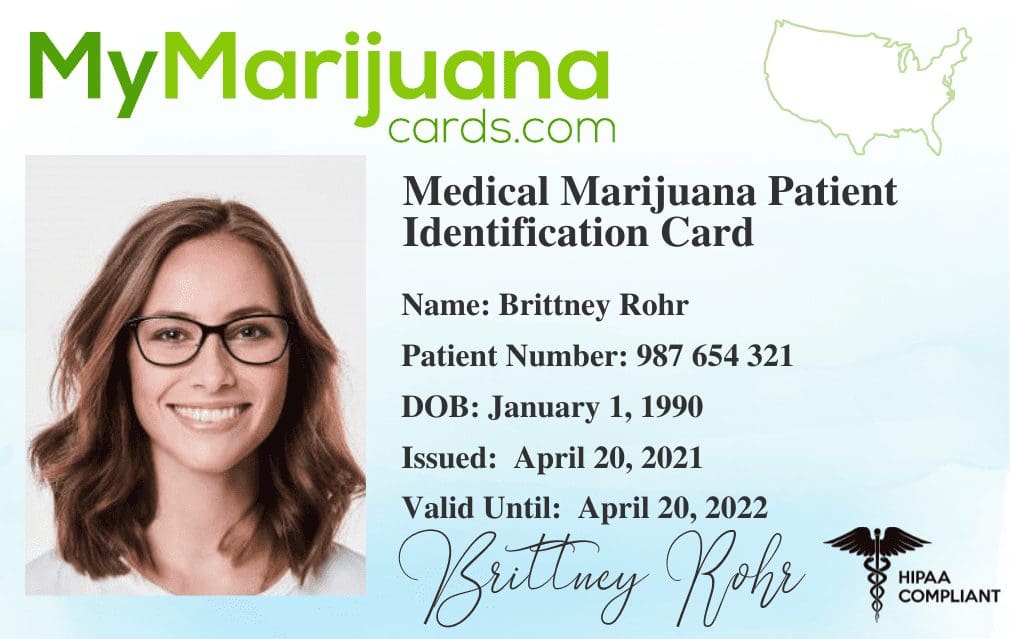
As a medical marijuana patient in Colorado, you have certain rights, including the right to privacy regarding your medical condition and cannabis use. Your information within the Colorado Department of Public Health and Environment registry is confidential and protected by state privacy laws. However, remember that federal law still supersedes state law, which can create complexities, particularly regarding employment drug testing or firearms ownership for medical cannabis users. It’s important to stay informed about the evolving legal landscape and how it might impact your lifestyle choices.
Obtaining a medical marijuana card in Colorado is a clear and manageable process for eligible residents. By understanding the requirements, carefully following the application steps, and being aware of the associated responsibilities, patients can access the therapeutic benefits of cannabis and integrate it effectively into their health and wellness lifestyle.
LifeOutOfTheBox is a participant in the Amazon Services LLC Associates Program, an affiliate advertising program designed to provide a means for sites to earn advertising fees by advertising and linking to Amazon.com. Amazon, the Amazon logo, AmazonSupply, and the AmazonSupply logo are trademarks of Amazon.com, Inc. or its affiliates. As an Amazon Associate we earn affiliate commissions from qualifying purchases.