
Grilling a Boston Butt is more than just cooking a piece of pork; it’s an immersive journey into the heart of American culinary tradition, particularly the rich and smoky world of Southern barbecue. For the culinary tourist or the home enthusiast eager to replicate authentic regional flavors, mastering the Boston Butt is an essential activity. This guide will walk you through the process, transforming a humble cut of pork into a succulent masterpiece of pulled pork, inviting you to savor the local culture through its most delicious expressions.
The Culinary Heart of Southern Barbecue: Understanding the Boston Butt
Before we fire up the grill, understanding the star of our show is paramount. The Boston Butt is a cut steeped in history and flavor, forming the cornerstone of countless barbecue festivals and family gatherings across the United States. Its prevalence in Southern cuisine makes it a critical point of interest for anyone exploring regional food culture.
What Exactly is a Boston Butt?
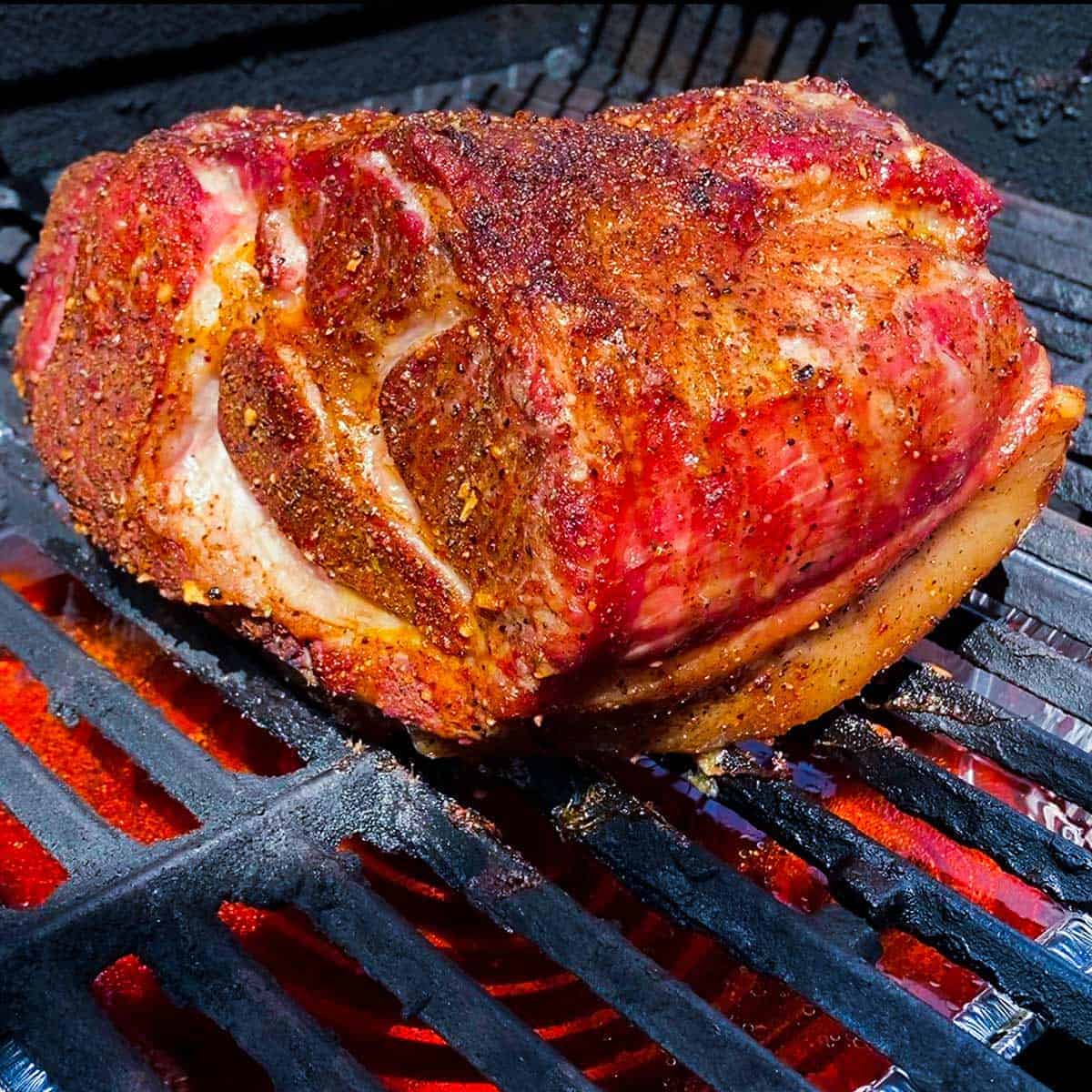
Despite its misleading name, the Boston Butt is neither from the “butt” end of the hog nor is it exclusively a Boston delicacy. This flavorful cut comes from the upper part of the pig’s front shoulder, specifically the area just above the shoulder blade. In colonial New England, butchers would pack less prized cuts of pork into barrels known as “butts” for storage and transport. The pork shoulder from Boston quickly became known as the “Boston Butt,” and the name stuck. This cut is characterized by its generous marbling of fat and connective tissue, which, when cooked low and slow, renders down to create incredibly tender, juicy, and flavorful meat. It’s the ideal choice for pulled pork, a dish beloved for its melt-in-your-mouth texture and deep, smoky taste.
Why the Boston Butt is a Barbecue Staple
The Boston Butt’s inherent qualities make it perfectly suited for the long, slow cooking methods central to traditional barbecue. Unlike leaner cuts that would dry out, the fat and collagen within the Boston Butt slowly break down, basting the meat from within, ensuring succulence and imparting a rich, gelatinous mouthfeel. This transformation is a testament to the patient artistry of barbecue, a culinary activity that celebrates time and technique over speed. For those seeking to truly experience the depth of Southern food culture, understanding this cut’s role is fundamental. It’s not just food; it’s history, community, and a ritual passed down through generations.
A Taste of American Tradition
The act of grilling a Boston Butt connects you directly to a storied American tradition. From the smokehouses of Texas to the vinegar-based sauces of the Carolinas and the sweet, tangy glazes of Kansas City, barbecue is a culinary language spoken across regions, each with its unique dialect. While specific styles vary, the Boston Butt remains a common denominator for exceptional pulled pork. Engaging in this cooking process allows you to actively participate in this tradition, offering a hands-on experience of local culture that goes far beyond simply tasting the finished product.
Essential Tools and Preparations for Your Barbecue Adventure
Embarking on the journey to grill a perfect Boston Butt requires more than just meat and a grill. It demands careful preparation and the right tools, ensuring your culinary activity is both rewarding and delicious. These tips are crucial for a successful barbecue experience.
Gathering Your Grilling Arsenal
To achieve barbecue excellence, you’ll need a few key pieces of equipment. A reliable charcoal grill or smoker is ideal for imparting that signature smoky flavor, though a gas grill can also be adapted with a smoke box. A good meat thermometer (preferably a wireless, leave-in probe thermometer) is non-negotiable for monitoring internal temperature throughout the long cook, ensuring safety and optimal doneness. You’ll also need a sharp knife for trimming, a sturdy set of tongs, heat-resistant gloves for handling hot meat, and a large pan or foil to catch drippings. For shredding, “bear claws” or two forks will make the job much easier. These tools are your companions on this flavorful exploration.
The Art of Rubbing: Flavor Foundations
The dry rub is the soul of barbecue, a blend of spices that penetrates the meat, creating a flavorful crust (or “bark”) and enhancing the pork’s natural taste. While pre-made rubs are available, creating your own is a rewarding activity that allows for personalization. A classic Southern rub typically includes brown sugar, paprika (smoked paprika for extra depth), salt, black pepper, garlic powder, onion powder, and a touch of cayenne for heat.
To prepare your Boston Butt:
- Trim the Fat: While some fat is desirable for moisture, excessive fat on the outside can prevent the rub from penetrating and developing a good bark. Trim the fat cap down to about 1/4 inch thickness. Score the remaining fat in a crosshatch pattern to help it render and allow the rub to adhere.
- Apply the Rub: Generously coat the entire surface of the Boston Butt with your chosen rub. Don’t be shy; aim for an even, thick layer. Many pitmasters prefer to apply the rub the night before and let the pork sit, uncovered, in the refrigerator. This allows the rub to meld with the meat and creates a slightly tacky surface, which promotes better bark formation.
Setting the Stage: Grill Setup and Temperature Control
Maintaining a consistent low temperature is critical for tender pulled pork. The target temperature for smoking a Boston Butt is typically between 225°F and 275°F (107°C to 135°C).
For charcoal grills/smokers:
- Use an indirect heat setup, placing coals to one side or in a “snake” method around the perimeter, with a drip pan under the pork to catch juices and help regulate temperature.
- Add wood chunks (hickory, apple, cherry, or oak are popular choices) to the coals for smoke flavor. Soak them briefly if you want a longer, less intense smoke.
- Monitor your grill’s temperature closely with an external thermometer. Adjust vents as needed to maintain a steady temperature.
For gas grills:
- Light only one or two burners to a low setting, placing the Boston Butt on the unlit side.
- Use a smoker box filled with wood chips (soaked for 30 minutes) placed directly over the lit burner to generate smoke.
Consistency is key to the long cook ahead. This patient approach is part of the charm and cultural significance of barbecue.
The Grilling Process: Low and Slow Perfection
The heart of cooking a Boston Butt is the “low and slow” method. This technique, celebrated across barbecue regions from Memphis to the Carolinas, is what transforms a tough cut into a buttery-soft delight. It’s a culinary marathon, not a sprint, and understanding its stages is vital for success.
Initial Smoke and Heat Infusion
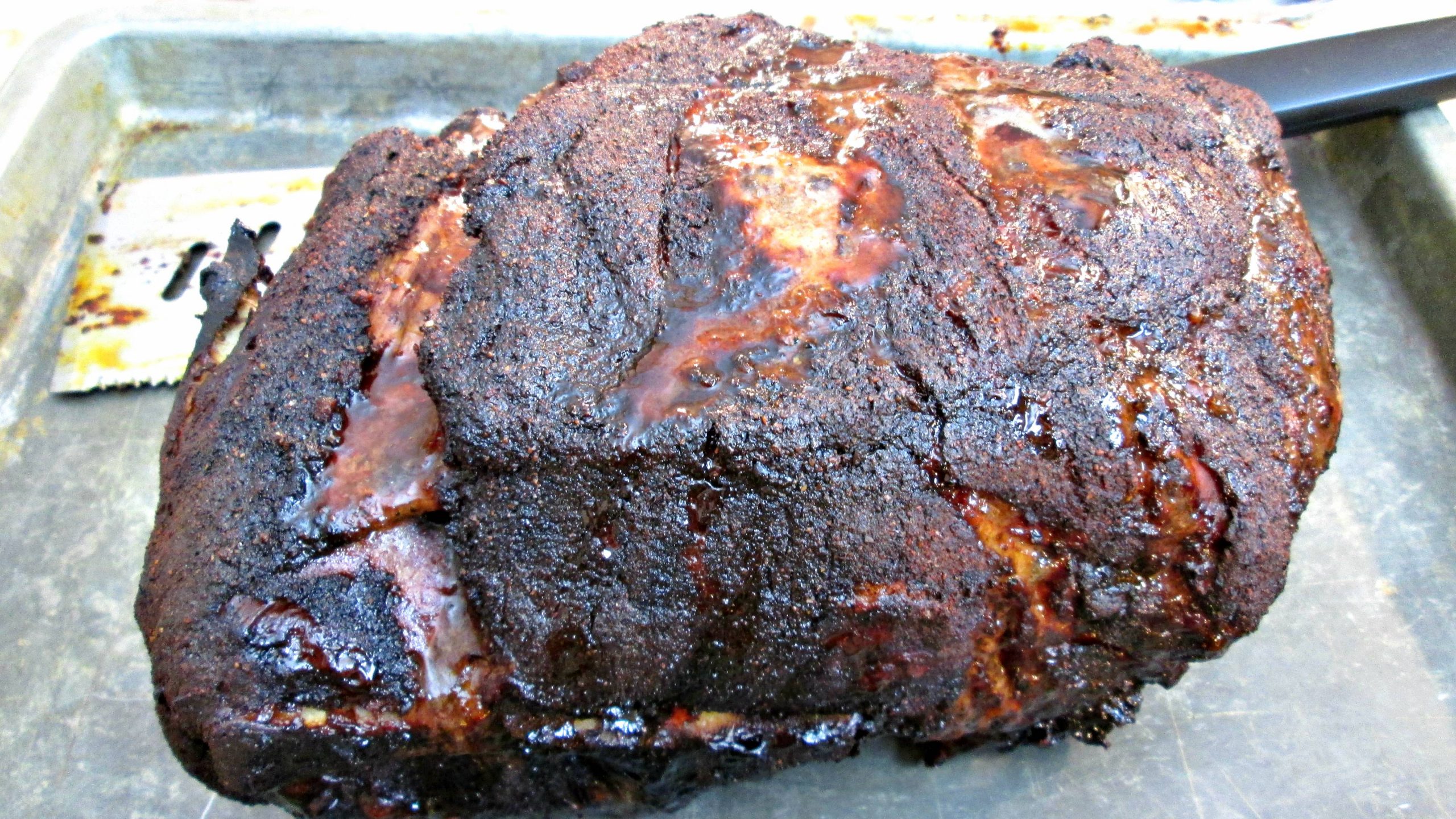
Once your grill is stabilized at 225-275°F, place the prepared Boston Butt on the grates, fat-side up (some prefer fat-side down for protection, but fat-up allows it to slowly baste the meat). Close the lid and let the magic begin. For the first few hours (typically 3-4 hours), avoid opening the lid frequently, as this releases precious heat and smoke. This initial phase is crucial for developing the smoky flavor and forming the prized “bark”—the dark, flavorful crust on the exterior of the pork. The internal temperature will slowly rise during this period.
The Stall: Navigating the Plateau
Around 150-165°F (65-74°C) internal temperature, you’ll likely encounter “the stall.” This phenomenon occurs when moisture evaporating from the surface of the meat cools it, much like sweating cools the human body. The temperature can plateau for several hours, sometimes even dropping slightly. Don’t panic; this is a normal and expected part of the process.
To power through the stall:
- The Texas Crutch: Many pitmasters wrap the Boston Butt tightly in foil or butcher paper at this point. This traps moisture and heat, helping the temperature rise faster and preventing the bark from getting too dark. While it speeds up the cook, some argue it softens the bark.
- Patience: If you prefer a firmer bark, simply continue cooking unwrapped. It will eventually push through the stall, albeit taking longer.
This stage requires patience, a virtue highly regarded in the world of barbecue.
Mopping and Maintaining Moisture
During the long cook, especially if unwrapped, the Boston Butt can benefit from occasional mopping or spritzing. A simple mixture of apple cider vinegar, water, and a touch of rub can be sprayed or brushed onto the meat every hour or two after the initial smoking phase (or after wrapping, if desired). This helps keep the surface moist, adds another layer of flavor, and contributes to a beautiful bark. Be quick when opening the lid to avoid significant heat loss.
Achieving Pulled Pork Paradise: Finishing and Resting
The true reward of your barbecue adventure comes in the final stages, transforming the cooked Boston Butt into luscious pulled pork. These steps are as critical as the cooking itself.
The Bend Test and Internal Temperature
While the target internal temperature for pulled pork is often cited as 200-205°F (93-96°C), don’t rely solely on temperature. The true indicator of doneness is tenderness. Insert a probe thermometer into various parts of the meat; it should slide in with very little resistance, “like butter.” Another popular test is the “bend test” with the bone: if you can easily twist and pull the bone clean from the meat, it’s ready. This tactile test is a classic pitmaster technique, a true tip from the pros.
The Crucial Rest
Once the Boston Butt reaches optimal tenderness, remove it from the grill. This next step is perhaps the most important for juicy results: the rest. Loosely wrap the pork in foil (if not already wrapped), then wrap it in a towel and place it in an insulated cooler for at least 1-2 hours, or even up to 4 hours. This allows the muscle fibers to relax and reabsorb the juices, ensuring maximum moisture and flavor. Skipping this step will result in dry pulled pork, undermining all your hard work.
Pulling Apart the Masterpiece
After resting, it’s time for the grand finale. Place the Boston Butt in a large pan or baking dish. Using bear claws or two forks, begin to shred the meat. It should literally fall apart with minimal effort. Discard any large pieces of unrendered fat or connective tissue, but don’t be afraid to incorporate some of the rendered fat and bark for added flavor and moisture. Toss the pulled pork with some of its collected juices, or a splash of Carolina vinegar sauce for an authentic Southern kick.
Serving Suggestions and Embracing the Southern Experience
Having successfully grilled a Boston Butt, you’ve unlocked a key experience in Southern food culture. Now, it’s time to enjoy the fruits of your labor and share this culinary activity with others.
Classic Sides for a Complete Meal
Pulled pork is rarely served alone. A full Southern barbecue spread is an experience in itself, often featuring a vibrant array of complementary sides. Classic pairings include creamy coleslaw (a must for contrast and crunch), baked beans (often doctored with bacon and brown sugar), corn on the cob, potato salad, macaroni and cheese, and cornbread. These sides are integral to the local culture of barbecue, creating a balanced and satisfying meal.
Exploring Regional Sauce Variations
The sauce is where regional barbecue identities truly shine. While your pulled pork is delicious on its own, offering a variety of sauces allows guests to customize their experience and explore different facets of American barbecue.
- Carolina Vinegar-Based: Tangy and thin, popular in Eastern North Carolina.
- South Carolina Mustard-Based: A unique, tangy-sweet option, often called “Carolina Gold.”
- Kansas City Style: Thick, sweet, and smoky, a popular choice nationwide.
- Alabama White Sauce: A mayonnaise-based sauce, fantastic with pork and chicken, especially in Northern Alabama.
Providing these options is a tip for a truly immersive culinary tourism experience, even from your own backyard.
Bringing Southern Hospitality to Your Table
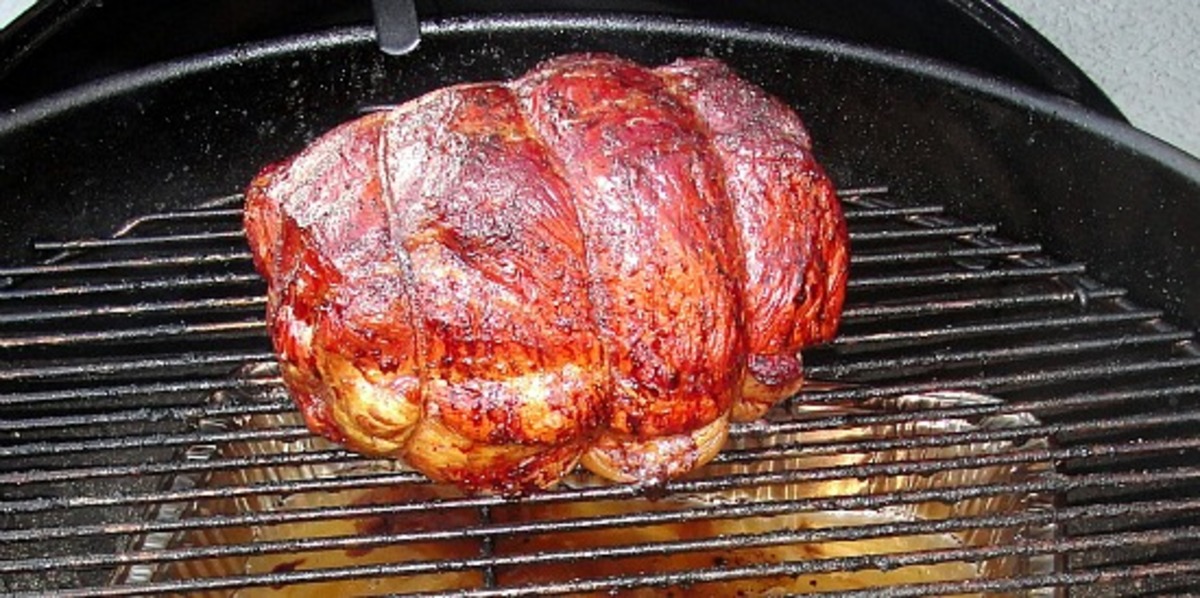
Grilling a Boston Butt is more than just cooking; it’s an act of Southern Hospitality. It’s about sharing good food, good company, and good times. Whether you’re hosting a backyard barbecue or simply enjoying the fruits of your labor with family, the process and the product embody a rich local culture. So, gather your friends, set the table, and relish in the slow-cooked perfection that only a patiently grilled Boston Butt can deliver. You’ve not just cooked a meal; you’ve crafted an experience.
LifeOutOfTheBox is a participant in the Amazon Services LLC Associates Program, an affiliate advertising program designed to provide a means for sites to earn advertising fees by advertising and linking to Amazon.com. Amazon, the Amazon logo, AmazonSupply, and the AmazonSupply logo are trademarks of Amazon.com, Inc. or its affiliates. As an Amazon Associate we earn affiliate commissions from qualifying purchases.