
Texas, a state renowned for its vast landscapes and diverse climates, offers a surprisingly fertile ground for cultivating a variety of crops, including the humble yet versatile potato. While many envision potatoes as a crop for cooler regions, with the right knowledge and timing, Texans can enjoy a bountiful harvest from their own gardens. This guide delves into the specifics of growing potatoes in the Lone Star State, addressing the unique challenges and opportunities presented by its climate and soil conditions.
Understanding Texas’s Potato Growing Seasons
The key to successful potato cultivation in Texas lies in understanding its distinct seasons. Unlike many other regions where potatoes are planted in spring and harvested in late summer or fall, Texas often requires a dual planting strategy.

The Fall Planting Advantage
In much of Texas, the most successful potato harvest often comes from a fall planting. The scorching Texas summer is not conducive to potato tuber development. Instead, planting in late August or September allows the plants to establish themselves during the milder autumn months. As the weather cools into winter, the tubers can develop. The plants will then either overwinter in warmer parts of the state or begin to die back with the first hard freezes, signaling that harvest time is approaching. This strategy leverages the state’s mild winters in many regions.
The Early Spring Planting Option
For areas with less severe winters, an early spring planting is also feasible. This typically involves planting as soon as the danger of a hard frost has passed, often in late February or March. The goal is to have the plants mature and produce tubers before the intense heat of the Texas summer arrives in June and July. This window can be tight, especially in South Texas, where summer heat arrives earlier. However, by selecting early-maturing varieties, this can still be a viable option.
Frost Protection Strategies
Regardless of the planting season, understanding and mitigating the risk of frost is crucial. Young potato plants are susceptible to frost damage. Hardy varieties may tolerate a light frost, but a hard freeze can damage or kill the foliage, hindering tuber development. Row covers, blankets, or even mounding extra soil over the young plants can provide essential protection during unexpected cold snaps.
Selecting the Right Potato Varieties for Texas
Not all potato varieties are created equal, and choosing the right ones for the Texas climate is paramount. Some varieties are more heat-tolerant or have shorter growing cycles, making them better suited for the state’s conditions.
Early-Maturing Varieties
For those planting in early spring or aiming for a quicker harvest, early-maturing varieties are your best bet. These “new potatoes” are typically smaller and have a thinner skin. Examples include:
- Yukon Gold: A popular all-purpose potato with a buttery flavor and yellow flesh, known for its relatively early maturity.
- Red Norland: A dependable early red potato that performs well in various conditions and has good disease resistance.
- Irish Cobbler: An older, reliable variety that produces round, white-fleshed potatoes with a good flavor.
Mid-Season and Late-Season Varieties
While less common for the main Texas harvest due to summer heat, some mid-season and late-season varieties can be grown, particularly for the fall planting. These tend to produce larger, more mature potatoes.
- Russet Burbank: A classic baking potato, but its longer growing season makes it a better candidate for the fall planting in Texas.
- Kennebec: A versatile, high-yielding white potato that can be used for boiling, baking, or frying. It has some heat tolerance, making it a good choice for fall.
Seed Potatoes vs. Grocery Store Potatoes
It is crucial to use certified disease-free seed potatoes for planting. Potatoes purchased from grocery stores have often been treated with sprout inhibitors and may carry diseases that can infect your soil and future crops. Seed potatoes are specifically grown for planting and are available from reputable garden centers or online suppliers.
Preparing Your Texas Garden for Potatoes
Successful potato growing begins with proper soil preparation, a critical step in any gardening endeavor, but especially so in the varied soils found across Texas.
Soil Type and Drainage
Potatoes thrive in well-drained, loose, and slightly acidic soil. Heavy clay soils, common in some parts of Texas, can be problematic, leading to poor tuber development and increased risk of rot. Amending heavy clay with organic matter, such as compost and well-rotted manure, is essential to improve drainage and aeration. Sandy soils, on the other hand, may require the addition of organic matter to improve water and nutrient retention. A soil pH between 5.0 and 6.0 is ideal.
Soil Amendments and Fertilization
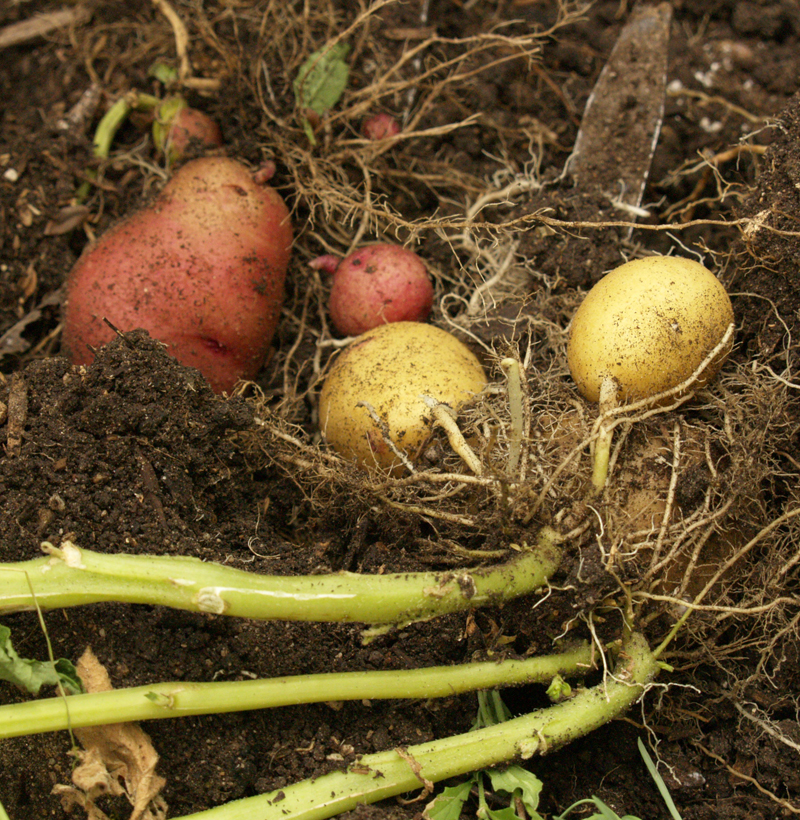
Before planting, incorporate generous amounts of compost into the soil. This not only improves soil structure but also provides essential nutrients. For fertilization, a balanced fertilizer with a slightly higher phosphorus content is beneficial for tuber development. Avoid fertilizers with excessive nitrogen, as this can promote lush foliage at the expense of tuber formation. Consider a soil test to determine specific nutrient deficiencies in your garden.
Raised Beds and Containers
For gardeners with challenging soil conditions or limited space, raised beds or containers offer excellent alternatives. Raised beds provide better control over soil composition and drainage. Potato bags or large containers can also be highly effective, allowing for easy harvesting and better management of soil conditions. Ensure any container used has adequate drainage holes.
Planting and Growing Potatoes in Texas
With your soil prepared and varieties chosen, it’s time to get planting. The technique of “hilling” is fundamental to successful potato cultivation.
The Planting Process
- Cutting Seed Potatoes: If your seed potatoes are large, cut them into pieces, ensuring each piece has at least one or two “eyes” (buds). Allow the cut pieces to cure for a day or two in a dry, well-ventilated area to form a protective callus. This helps prevent rot.
- Planting Depth and Spacing: Dig trenches or holes about 6-8 inches deep. Place the seed potato pieces, eye-side up, about 12 inches apart. Space rows about 2-3 feet apart to allow ample room for hilling.
- Initial Covering: Cover the seed pieces with about 4 inches of soil.
The Art of Hilling
Hilling is the practice of gradually mounding soil around the base of the potato plant as it grows. This serves several critical purposes:
- Encourages Tuber Growth: Potatoes develop along the buried stem. Hilling provides more space for tubers to form.
- Protects Tubers from Sunlight: Exposure to sunlight can cause developing potatoes to turn green and produce solanine, a toxic compound. Hilling keeps the tubers covered.
- Suppresses Weeds: A thick layer of soil can help smother weeds.
- Improves Drainage: The mounded soil helps channel excess water away from the developing tubers.
As the plant grows to about 8-10 inches tall, gently rake or hoe loose soil from around the plant and pile it up around the base, leaving about 4-6 inches of the stem exposed. Repeat this hilling process every 2-3 weeks as the plant continues to grow, until the plant begins to flower or the top of the potato mound reaches about 12 inches from the ground.
Watering and Weeding
Consistent moisture is crucial for potato development. Water deeply and regularly, especially during dry periods. Aim to keep the soil consistently moist but not waterlogged. Mulching around the plants can help retain soil moisture, suppress weeds, and keep the soil cool. Regular weeding is also important, as weeds compete for water, nutrients, and sunlight. However, be careful when weeding near the plants to avoid damaging the developing tubers.
Harvesting and Storing Texas Potatoes
Knowing when and how to harvest your Texas-grown potatoes ensures the best flavor and storage life.
Determining Harvest Time
The harvest time depends on the variety and planting date.
- New Potatoes: These can be harvested approximately 2-3 weeks after the plants begin to flower. Gently brush away some soil around the base of the plant and carefully pick a few of the larger, developing tubers without disturbing the rest of the plant. This allows the plant to continue producing more, larger potatoes.
- Mature Potatoes: For larger, storage-quality potatoes, wait until the foliage begins to yellow and die back. This indicates that the tubers have reached their full size. For fall-planted potatoes, this may occur in late spring or early summer. For spring-planted crops, it will be before the peak of summer heat.
The Harvesting Process
Once the foliage has died back, wait a week or two for the skins of the mature potatoes to harden. This makes them less susceptible to damage during harvest and improves their storage potential.
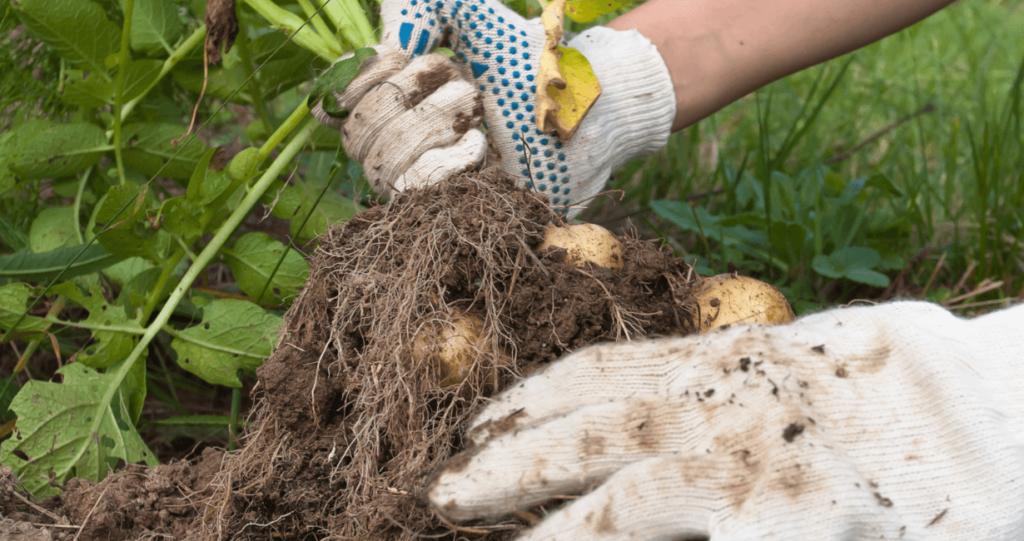
- Gentle Excavation: Using a garden fork or shovel, carefully dig around the base of the plant. Start several inches away from the stem to avoid spearing the potatoes. Gently loosen the soil and lift the plant and its attached tubers.
- Inspect and Cure: Inspect the harvested potatoes for any damage. Bruised or cut potatoes should be used first, as they will not store as well. Allow the harvested potatoes to cure in a warm, dry, well-ventilated place for 1-2 weeks. This allows the skins to fully harden and any minor wounds to heal. Avoid direct sunlight during this curing period.
Storage Recommendations
Proper storage is key to enjoying your homegrown potatoes for an extended period.
- Ideal Conditions: Store cured potatoes in a cool, dark, and dry place. Ideal temperatures are between 45-55°F (7-13°C). A basement, cellar, or unheated garage can be suitable.
- Avoid Light and Moisture: Exposure to light will cause them to turn green. Excessive moisture can lead to sprouting or rot.
- Ventilation: Store potatoes in breathable containers like burlap sacks, mesh bags, or crates. Avoid plastic bags, which trap moisture.
- Separation: Do not store potatoes with onions, as the gases they emit can cause each other to spoil more quickly.
By following these guidelines, Texans can successfully cultivate and enjoy fresh, homegrown potatoes, adding a delicious and rewarding element to their gardening experience.
LifeOutOfTheBox is a participant in the Amazon Services LLC Associates Program, an affiliate advertising program designed to provide a means for sites to earn advertising fees by advertising and linking to Amazon.com. Amazon, the Amazon logo, AmazonSupply, and the AmazonSupply logo are trademarks of Amazon.com, Inc. or its affiliates. As an Amazon Associate we earn affiliate commissions from qualifying purchases.