
Deciding to homeschool your children in California is a significant and exciting choice, opening doors to a personalized educational journey that can profoundly shape their development. Beyond the academic advantages, homeschooling offers unparalleled flexibility, enabling families to integrate learning with a dynamic lifestyle that often includes travel, cultural immersion, and exploration of new destinations. For families who value adventure and experiential learning, homeschooling in the Golden State provides a unique framework, allowing education to extend far beyond the traditional classroom walls and into the rich tapestry of the world. This comprehensive guide will walk you through the essential steps, legal requirements, and lifestyle considerations for homeschooling in California, emphasizing how this educational path can beautifully intertwine with a life of travel and discovery.
Understanding California Homeschooling Options
California offers several distinct pathways for parents who wish to homeschool their children, each with its own set of requirements and implications. Understanding these options is the first crucial step in establishing your homeschooling foundation. The state’s approach provides flexibility, allowing families to choose the method that best aligns with their educational philosophy, lifestyle, and financial situation. Navigating these choices carefully ensures compliance with state law while maximizing the benefits for your children.
The Private School Affidavit (PSA) Method
The most common and straightforward method for homeschooling in California is operating as a private school in your own home. Under this approach, parents file a Private School Affidavit (PSA) with the California Department of Education between August 1st and October 15th each year. By doing so, your home effectively becomes a private school, and your children are considered students enrolled in that school. This method grants parents maximum autonomy over curriculum, teaching methods, and scheduling.
With the Private School Affidavit, you are responsible for:
- Maintaining attendance records: Documenting the days your children are engaged in educational activities.
- Keeping health records: Ensuring immunizations are up-to-date or maintaining proper exemptions.
- Maintaining records of courses offered: Creating a general description of the subjects taught.
- Employing “persons capable of teaching”: This typically means the parents themselves, who are deemed qualified by virtue of their parental role.
- Providing instruction in the English language: Though additional languages can certainly be taught.
- Teaching the standard subjects: Including reading, writing, spelling, English, social sciences, mathematics, science, fine arts, health, and physical education.
The Private School Affidavit method is particularly appealing for families whose lifestyle incorporates frequent travel or extended stays away from a fixed address. The flexibility it affords means you can structure your academic year to accommodate travel plans, dedicating blocks of time to intensive study before or after a trip, or even integrating learning directly into your travel experiences while on the road. This autonomy is a cornerstone for what many refer to as “roadschooling,” turning every destination into a potential classroom.
Private School Satellite Programs (PSP)
Another popular option is enrolling your child in a Private School Satellite Program (PSP). A PSP is essentially an umbrella private school that oversees homeschooling families. These programs vary widely, but generally, they file the necessary Private School Affidavit on behalf of their enrolled families, thereby taking on some of the administrative burden.
PSPs can offer various levels of support and services, such as:
- Record-keeping: Managing attendance, grades, and transcripts.
- Curriculum guidance: Providing suggestions or even complete curriculum packages.
- Community events: Organizing field trips, co-ops, and social gatherings.
- Legal coverage: Ensuring compliance with state regulations.
Enrolling in a PSP can be an excellent choice for new homeschooling families seeking guidance and support, or for those who appreciate the communal aspect. While PSPS offer structure, many are still flexible enough to accommodate travel schedules, particularly those that are independent study-based. It’s crucial to research different PSPs to find one whose philosophy, services, and flexibility align with your family’s needs and aspirations for travel and learning. Some PSPS might have specific requirements for reporting or check-ins, so understanding these details is key for families planning extended travel or long-term stays in various accommodations.
Public School Independent Study Programs (ISP)
For families who prefer to remain within the public school system but desire the flexibility of homeschooling, a Public School Independent Study Program (ISP) is an option. These programs are offered through local public school districts or charter schools and are tuition-free. Students enrolled in an ISP are still considered public school students, meaning they receive state funding and must adhere to public school standards and curriculum guidelines.
Key characteristics of ISPs include:
- Supervising teachers: A credentialed teacher oversees the student’s progress, typically meeting with the family regularly (e.g., weekly or bi-weekly).
- Curriculum provision: The school district or charter typically provides the curriculum and materials.
- Standardized testing: Students are often required to participate in state-mandated testing.
- Attendance requirements: Students must complete a certain number of assignments or hours of instruction to be considered present.
While ISPs offer structure and resources without cost, they generally provide less flexibility than the PSA or PSP options, particularly concerning travel. The regular meetings with a supervising teacher and adherence to a prescribed curriculum might make extended or spontaneous travel more challenging. However, some ISPs are designed with virtual learning in mind, which could offer some leeway for families engaging in domestic travel or short-term excursions. For families prioritizing a highly mobile lifestyle, careful inquiry into an ISP’s specific travel policies is paramount.
Tutoring by a Credentialed Private Tutor
Another less common but viable option in California is to have your child taught by a private tutor holding a valid California teaching credential for the grade level being taught. The tutor must provide at least three hours of instruction per day for 175 days each school year. This method is often chosen by families seeking specialized instruction or those with unique circumstances. While it offers personalized education, the cost and the requirement for a credentialed tutor to deliver the bulk of instruction make it less practical for many homeschooling families, especially those desiring complete control over their child’s education or planning extensive travel.
Crafting Your Homeschool Curriculum and Educational Experiences
Once you’ve chosen your legal framework, the next exciting phase involves designing your child’s curriculum and integrating rich educational experiences. California’s diverse landscape and vibrant culture offer an unparalleled backdrop for experiential learning, especially when combined with a flexible homeschooling approach. This is where your family’s passions, your child’s interests, and the world’s endless opportunities converge to create a truly unique educational journey.
Tailoring Learning to Your Child’s Needs
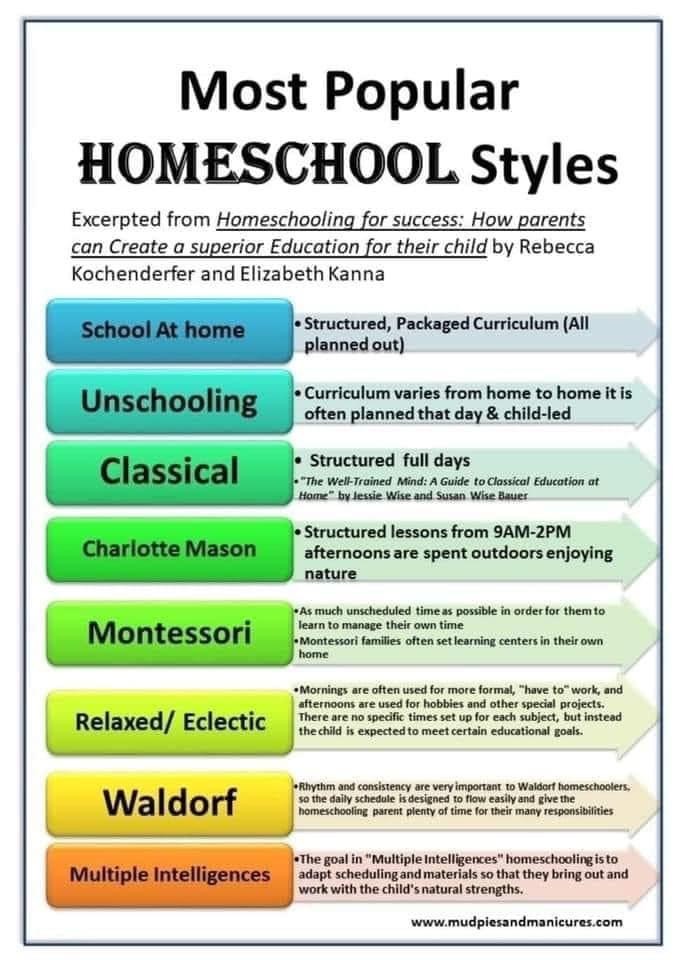
One of the greatest advantages of homeschooling is the ability to customize education to your child’s individual learning style, pace, and interests. Unlike traditional schooling, which often follows a rigid curriculum, homeschooling allows for a dynamic and adaptive approach.
Considerations for curriculum design:
- Learning styles: Does your child thrive with hands-on activities, visual aids, auditory lessons, or reading?
- Interests: Integrate subjects that genuinely excite your child, whether it’s dinosaurs, space, coding, or ancient civilizations. Learning becomes far more engaging when it’s driven by curiosity.
- Pace: Allow your child to move quickly through mastered concepts and take more time on challenging areas without the pressure of keeping up with a class.
- Resources: Utilize a wide array of resources, including online courses, textbooks, educational apps, library books, documentaries, and community programs.
For families on the go, this tailored approach means that “school” can happen anywhere. A road trip across California can be a geography lesson, a visit to a historical landmark a history lesson, and a stop at a local farm a science lesson. This flexibility is what transforms mere travel into profound educational experiences.
Integrating Travel and Experiential Learning

California is a treasure trove of educational destinations and attractions that can serve as an extension of your homeschool curriculum. Integrating travel and real-world experiences enriches understanding, fosters critical thinking, and creates lasting memories. This experiential approach aligns perfectly with the website’s focus on travel, tourism, and landmarks.
- Museums and Cultural Sites: California boasts world-class museums. Explore the California Academy of Sciences in San Francisco for biology and environmental science, or the Getty Center in Los Angeles for art history and architecture. A visit to Alcatraz Island provides a tangible history lesson, while exploring the historic missions across the state offers insights into early California life.
- Natural Wonders and National Parks: Leverage California’s breathtaking natural beauty for science, ecology, and physical education. Take a trip to Yosemite National Park to study geology and wildlife, explore the giant redwoods at Redwood National Park, or discover unique desert ecosystems at Joshua Tree National Park. These landmarks offer unparalleled outdoor classrooms.
- Cities and Local Culture: Each California city offers unique learning opportunities. In San Diego, learn about marine life at the San Diego Zoo and Birch Aquarium, or explore the historical Gaslamp Quarter. In Los Angeles, the Griffith Observatory offers astronomy lessons, while Universal Studios Hollywood can be a fun dive into physics and engineering of rides. Even simply experiencing local culture and local food in diverse neighborhoods of cities like Oakland or Sacramento becomes a social studies lesson.
- Technological and Agricultural Hubs: Visit the California Science Center in Los Angeles or explore agricultural regions like the Napa Valley to understand different industries and scientific processes.
- Beaches and Coastal Exploration: The extensive California coastline, from Monterey to Santa Barbara, provides living laboratories for marine biology, geology, and environmental studies.
By incorporating these real-world attractions into your curriculum, you transform abstract concepts into tangible, memorable experiences. Homeschooling, when combined with intentional travel, becomes a dynamic, immersive journey through California’s rich educational landscape.
The Homeschooling Lifestyle: Flexibility, Travel, and Accommodation
Beyond curriculum and legalities, homeschooling in California often defines a unique family lifestyle. The inherent flexibility of this educational choice opens up possibilities for extensive travel, varied accommodation experiences, and a deeper integration of learning into everyday life. For families whose passions include exploring new destinations, homeschooling provides the framework to make those dreams a reality.
The Freedom to Roam: Roadschooling and Long-Term Travel
One of the most compelling aspects of homeschooling is the freedom it grants to design your family’s schedule and location. This flexibility makes “roadschooling” a viable and increasingly popular option. Roadschooling involves taking your homeschooling on the road, turning every journey into an educational adventure. Whether it’s a cross-country tour of the United States or an extended exploration of California’s diverse regions, homeschooling frees you from the constraints of a traditional school calendar and location.
For parents with remote work opportunities or those pursuing a digital nomad lifestyle, homeschooling is particularly synergistic. It allows for:
- Extended Family Trips: Take that month-long trip to Lake Tahoe or Palm Springs without worrying about missed school days.
- Seasonal Relocation: Spend winters exploring the deserts of Southern California or summers in the cooler northern forests.
- Learning on Location: Study ancient Roman history while visiting Italy (or a Roman-themed park!), or marine biology at a coastal destination.
- Flexible Schedules for Business Stays: If a parent needs to travel for work, the whole family can often accompany them, integrating learning with the business stay.
This lifestyle emphasizes that learning isn’t confined to a classroom but is an ongoing process that happens through interaction with the world. It cultivates adaptability, independence, and a global perspective in children, preparing them not just for tests, but for life itself.
Navigating Accommodation for Homeschooling Families
When homeschooling families embark on travel, finding suitable accommodation becomes a key consideration. The needs of a homeschooling family often differ from those of a typical vacationer, emphasizing space for learning, cooking facilities, and a comfortable environment for long-term stays. The website’s expertise in hotels, resorts, apartments, and villas becomes invaluable here.
Types of Accommodation to Consider:
- Vacation Rentals (Airbnb, Vrbo): These are often ideal for homeschooling families. They provide multiple bedrooms, living areas, and crucial kitchen facilities, allowing for home-cooked meals and a more settled routine. Many vacation rentals are also set up for long-term stays, often with discounts. Platforms like Airbnb and Vrbo offer extensive filtering options to find properties with specific amenities like dedicated workspaces or outdoor areas.
- Suite Hotels and Extended-Stay Hotels: Brands like Residence Inn by Marriott or Homewood Suites by Hilton offer apartment-style suites with kitchens and separate living/sleeping areas, perfect for families. These typically include breakfast, Wi-Fi, and sometimes even laundry facilities, making them convenient for long-term stays.
- Apartment or Villa Rentals: For truly immersive experiences or stays of several weeks or months, renting a local apartment or villa provides a sense of community and deeper cultural immersion. Websites like Booking.com often list these types of accommodation.
- Family-Friendly Resorts: While potentially more expensive, some resorts offer kids’ clubs or educational programs, which can be a fun break and supplement to homeschooling. Many in California are situated near attractions like Disneyland Park or on beautiful beaches.
Tips for Booking Accommodation for Homeschooling Travel:
- Prioritize Amenities: Look for Wi-Fi, a designated workspace, kitchen facilities, and laundry access. A pool or nearby park can also be great for physical activity breaks.
- Read Reviews: Pay attention to what other families say about the property, especially regarding quietness, cleanliness, and suitability for children.
- Consider Long-Term Stay Discounts: Many properties offer significant discounts for stays of a week, a month, or longer.
- Location, Location, Location: Choose accommodation that is convenient to educational landmarks, museums, natural areas, or public transport.
- Budget Travel vs. Luxury Travel: Homeschooling can adapt to any budget. Whether you’re staying in an economical motel or a luxury villa, the focus remains on leveraging the environment for learning. Comparison sites can help you find the best value for your needs.
By strategically planning your accommodation, you ensure that your homeschooling journey, whether rooted in California or venturing beyond, remains comfortable, conducive to learning, and deeply integrated into your family’s adventurous lifestyle.
Building a Supportive Homeschool Community in California
While homeschooling offers unparalleled independence, it doesn’t mean you have to embark on this journey alone. In fact, building a strong support network is often key to a successful and fulfilling homeschooling experience. California, with its vast and diverse population, is home to numerous homeschooling communities, resources, and organizations that can provide invaluable assistance, camaraderie, and opportunities for both parents and children.
Connecting with Other Homeschoolers
Finding and connecting with other homeschooling families can provide a sense of belonging, offer practical advice, and create opportunities for social interaction and collaborative learning for your children. These connections can be particularly beneficial for families new to homeschooling or those who frequently move or travel.
Ways to connect:
- Local Homeschool Groups and Co-ops: Many cities and regions in California have established homeschooling groups. These groups often organize park days, field trips, classes, and social gatherings. Co-ops might involve parents pooling their talents to teach various subjects to a group of children. Online searches for “California homeschool groups” or specific city names like “San Jose homeschool co-op” are a great starting point.
- Online Forums and Social Media: Platforms like Facebook host numerous California homeschooling groups, offering a virtual space for questions, advice, and event notifications. These online communities are especially useful for mobile families who might not have a consistent local group.
- Homeschool Conferences and Events: Attend local or state-wide homeschooling conferences, workshops, and conventions. These events are excellent opportunities to meet other families, discover new resources, and gain inspiration.
- Extracurricular Activities: Enroll your children in local sports leagues, art classes, music lessons, or community clubs. These activities are natural places to meet other families, both homeschooled and traditionally schooled, and can broaden your children’s social circles.
Connecting with fellow homeschoolers allows you to share experiences, exchange curriculum ideas, and find accountability partners. For children, these interactions provide crucial opportunities for friendships, group projects, and developing social skills outside the immediate family unit.

Resources and Support Networks
Beyond peer support, California offers a wealth of resources and formal support networks designed to assist homeschooling families. These can range from legal advocacy organizations to educational material providers.
Key resources include:
- Homeschooling Organizations: Organizations like the Home School Legal Defense Association (HSLDA) provide legal protection and guidance for homeschooling families nationwide, including in California. State-specific groups, such as the California Homeschool Network (CHN) or the Homeschool Association of California (HSC), offer valuable information, advocacy, and community support tailored to California’s unique legal landscape.
- Public Libraries: California’s extensive public library systems are invaluable. They offer not only books but also access to digital resources, educational programs, workshops, and interlibrary loan services. Many libraries have dedicated sections for homeschooling resources.
- Educational Suppliers and Curricula: From comprehensive boxed curricula to specific subject workbooks, online platforms, and educational games, the market is rich with resources. Explore different options to find what best suits your child’s learning style and your teaching philosophy. Online reviews and recommendations from other homeschooling parents can be very helpful.
- Community Colleges and Universities: As children approach high school age, California community colleges often offer concurrent enrollment programs, allowing homeschoolers to take college-level courses for credit. This can provide advanced academic challenges and help prepare for higher education.
Building a robust support network ensures that you have access to information, guidance, and community, regardless of where your homeschooling journey takes you within or beyond California’s borders. This network not only enriches the homeschooling experience but also helps navigate any challenges that may arise, allowing your family to fully embrace the freedom and flexibility that homeschooling provides.
Homeschooling in California is an extraordinary opportunity to provide a tailored, engaging education for your children while embracing a lifestyle rich in travel and exploration. By understanding the legal options, crafting an individualized curriculum, and leveraging the state’s incredible landmarks and attractions for experiential learning, you can create an educational journey that is truly transformative. The flexibility it offers, especially concerning accommodation and tourism, makes it an ideal choice for families who see the world as their classroom. Embrace the adventure, build your community, and watch as your children thrive in an educational environment designed just for them, filled with discovery at every turn.
LifeOutOfTheBox is a participant in the Amazon Services LLC Associates Program, an affiliate advertising program designed to provide a means for sites to earn advertising fees by advertising and linking to Amazon.com. Amazon, the Amazon logo, AmazonSupply, and the AmazonSupply logo are trademarks of Amazon.com, Inc. or its affiliates. As an Amazon Associate we earn affiliate commissions from qualifying purchases.