
Understanding the Enemy: What Are Bed Bugs and Why Do They Target Hotels?
When planning a getaway to iconic destinations like New York City or relaxing at luxury properties such as the Ritz-Carlton, the last thing on most travelers’ minds is an unwanted microscopic hitchhiker. Yet, bed bugs remain one of the most persistent and universally dreaded pests in the hospitality industry. Understanding what these insects look like, how they behave, and why they infiltrate even the most prestigious establishments is the first step toward safeguarding your travel experience.
Bed bugs are small, oval-shaped, reddish-brown parasitic insects that feed exclusively on blood. Adult bed bugs are roughly the size of an apple seed, measuring about 4 to 5 millimetres in length. Because of their flat bodies, they can easily squeeze into microscopic crevices, making detection a challenge for even the most meticulous travelers. Unlike ticks or fleas, bed bugs do not fly or jump; instead, they crawl swiftly across surfaces, transferring from luggage, clothing, and textiles.

The Myth of the “Dirty” Hotel
A common misconception among guests is that encountering bed bugs is a reflection of poor housekeeping or subpar cleanliness. In reality, bed bugs are completely indifferent to hygiene standards. They can thrive just as easily in a five-star suite in Paris as they can in a budget roadside motel in Texas.
Bed bugs are attracted to warmth, carbon dioxide, and blood—not dirt. Because hotels experience a constant, high-volume turnover of international guests, they present an ideal environment for these pests. A traveler might unknowingly transport a pregnant female bed bug in their suitcase after visiting a bustling metropolis like London, leaving the insect behind in a pristine room for the next unsuspecting occupant. Therefore, vigilance is required regardless of how upscale or reputable your chosen accommodation may be.
The Systematic Room Inspection: Where to Look First
Upon entering your hotel room—whether you are staying at the historic Fairmont Hotel or a modern high-rise in Tokyo—resist the urge to immediately unpack your clothes and toss your luggage onto the bed. Instead, perform a systematic inspection of the sleeping quarters.
Before placing any personal items down, secure your luggage on a metal luggage rack away from walls and soft furniture, or place it inside the bathroom bathtub temporarily. Bed bugs struggle to climb smooth, vertical metal or porcelain surfaces, making these areas safe staging zones while you inspect the room.
The Bed and Mattress Protocol
The primary habitat for bed bugs is, true to their name, the bed itself. However, they rarely rest directly in the middle of the mattress where they might be crushed. Instead, they seek out dark, undisturbed seams, folds, and structural joints.
- Pillows and Pillowcases: Remove the decorative shams and pillowcases first. Inspect the seams and piping of the pillows for tiny dark spots or shed skins.
- Sheets and Blankets: Pull back the linens slowly, checking the corners of the fitted sheet and the underside of the mattress pad.
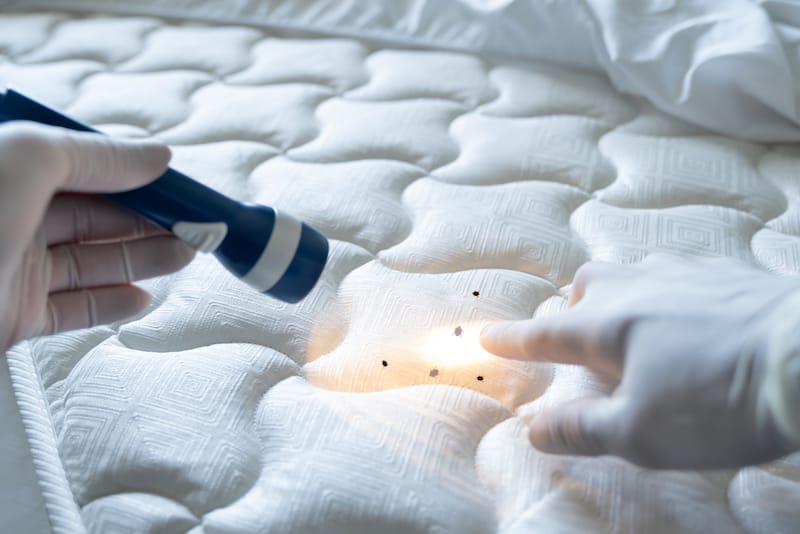
- Mattress Seams: Using a flashlight (your smartphone light will suffice), meticulously examine the entire perimeter of the mattress. Look closely at the piped edges, tufts, and buttons.
- Box Springs and Bed Frames: This is often the favorite hiding spot for bed bugs because box springs offer complex wooden frameworks and dark internal cavities. Check the underside dust cover, staples, and wooden joints of the bed frame, particularly where the headboard meets the wall.
Beyond the Bed: Secondary Hiding Spots
While mattresses are the most common ground zero, bed bugs are resilient and can disperse to other areas of the hotel room if the primary feeding source is overcrowded. If you are staying at a sprawling resort in Hawaii or a boutique hotel in Rome, do not neglect the surrounding furniture.
Examine upholstered armchairs, sofas, and ottomans, paying special attention to the cushions and wooden legs. Bed bugs also frequently inhabit the seams of heavy drapes, the interiors of bedside nightstands, and even behind picture frames mounted on the walls. If there is a desk chair upholstered in fabric, run your fingers along the underside welt cords to check for anomalies.
Recognizing the Physical Evidence of an Infestation
Knowing what to look for can save you from a miserable vacation filled with itchy, red bites. Bed bugs leave distinct physiological markers and biological traces that give away their presence even if the insects themselves remain hidden.
Visual Signatures of Bed Bugs
When searching a hotel room, you should look for four distinct indicators:
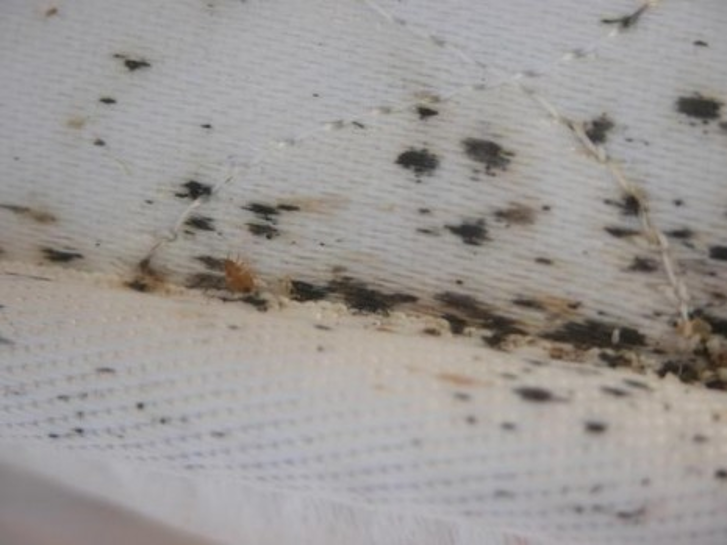
- Live Bugs: Adult bed bugs are visible to the naked eye. They possess a reddish-brown hue, though they turn a brighter, deeper red after a recent blood meal. Nymphs (immature bed bugs) are smaller, translucent, or yellowish-white, making them much harder to spot.
- Exoskeletons: As bed bugs grow, they shed their outer shells through a process called molting. Finding translucent, amber-colored shed skins in mattress crevices is a definitive sign of an active or recent infestation.
- Fecal Spots: One of the most common warning signs is the presence of dark, ink-like fecal spots. These look as though someone touched the fabric with a fine-tip black marker. They often smear slightly if you wet them.
- Blood Stains: Unexplained rust-colored or red smears on sheets, pillowcases, or mattresses are frequently the result of a bed bug being accidentally crushed by a sleeping guest.
Differentiating Bed Bug Bites From Other Pests
It is important to note that you should never rely solely on skin reactions to confirm a bed bug presence. Insect bites can be notoriously deceptive. Mosquitoes, fleas, spiders, and even dry skin conditions can mimic the appearance of bed bug bites. Furthermore, human physical reactions to bed bug saliva vary wildly; some individuals develop prominent, intensely itchy red welts within hours, while others show absolutely no physical symptoms at all.
Typically, bed bug bites appear in a linear pattern or small cluster—often referred to colloquially as “breakfast, lunch, and dinner”—as the insect feeds multiple times along a blood vessel. If you wake up with unexplained bites after staying at a destination like Sydney, re-inspect your sleeping area immediately.
What to Do If You Find Bed Bugs
Discovering evidence of bed bugs can instantly derail your sense of security and relaxation. However, handling the situation calmly, decisively, and professionally will ensure that you do not bring the infestation back to your home.
Immediate Steps Within the Hotel
If you confirm the presence of bed bugs, take swift action before doing anything else:
- Do Not Panic, But Act Fast: Gather your belongings immediately. If your luggage was kept safely on a luggage rack or in the bathroom, your items are likely still secure.
- Document Everything: Take clear, high-resolution photographs and videos of the live bugs, fecal stains, or discarded skins. Visual proof is essential when discussing the matter with hotel management.
- Notify Management Immediately: Go straight to the front desk and request to speak with the general manager or head of housekeeping. Show them the photographic evidence. A reputable hotel will be deeply concerned, apologetic, and proactive.
- Demand a Room Change: Ask to be moved to a completely different room—ideally on a different floor and far away from the infested zone, as bed bugs can occasionally travel through adjoining wall cavities or utility lines. Ensure the new room undergoes the same rigorous inspection before bringing your belongings inside. Alternatively, check out entirely and relocate to a different property, such as the Marriott Hotel.
Preventing Post-Travel Contamination
Even if you successfully avoid an infested room, your travel gear may have been exposed during transit. Taking preventative measures upon returning home from your trip—whether you were exploring Barcelona or touring Cairo—will give you total peace of mind.
Never unpack your suitcase on your bed or carpeted floors when you return home. Instead, empty your luggage directly onto a hard surface like a hardwood floor or utility room table. Immediately launder all clothing—even items you did not wear—in hot water (at least 120°F or 49°C) and dry them on the highest heat setting for a minimum of 30 minutes. High heat is lethal to bed bugs in all stages of their lifecycle, from eggs to adults.
Inspect your suitcase thoroughly, using a vacuum attachment to clean all seams and pockets. Empty the vacuum canister immediately into an outdoor trash bin and seal the bag tightly. By maintaining this level of disciplined vigilance, you can explore the globe with confidence, ensuring that your travels remain memorable for all the right reasons.
LifeOutOfTheBox is a participant in the Amazon Services LLC Associates Program, an affiliate advertising program designed to provide a means for sites to earn advertising fees by advertising and linking to Amazon.com. Amazon, the Amazon logo, AmazonSupply, and the AmazonSupply logo are trademarks of Amazon.com, Inc. or its affiliates. As an Amazon Associate we earn affiliate commissions from qualifying purchases.