
While the allure of a luxurious spa often conjures images of opulent massages and soothing aromatherapy, the true essence of a rejuvenating spa experience can be significantly enhanced by something less tangible yet equally vital: the water. Specifically, understanding and managing the alkalinity of your spa’s water is crucial for optimal performance, guest comfort, and the longevity of your equipment. This guide delves into why alkalinity matters in a spa setting and provides actionable steps on how to increase it, ensuring your spa remains a sanctuary of relaxation and well-being.
Alkalinity, often referred to as Total Alkalinity (TA), is a measure of the water’s ability to resist changes in pH. Think of it as the water’s buffering capacity. In a spa, maintaining the correct TA is paramount for several reasons. Incorrect alkalinity levels can lead to a cascade of problems, from discomfort for bathers to costly damage to spa equipment. For travelers seeking the ultimate relaxation at a resort like the Four Seasons Resort Orlando at Walt Disney World Resort, the clarity and feel of the water are integral to the experience. Similarly, for a boutique hotel offering a private in-room spa experience, such as those found in Viceroy Riviera Maya, the water quality directly impacts the guest’s perception of luxury and care.
The Importance of Balanced Alkalinity in Spa Water
Before we explore how to increase alkalinity, it’s essential to grasp why it’s such a critical parameter. Alkalinity acts as a stabilizer for the pH. Without adequate alkalinity, the pH of the spa water can fluctuate wildly, often referred to as a “pH crash.” This instability can lead to several undesirable outcomes.
Impact on Bather Comfort
For guests enjoying a therapeutic soak at a wellness retreat in Bali, uncomfortable water can be a significant detractor from the overall experience. Water with low alkalinity often becomes corrosive. This can manifest as skin irritation, red eyes, and dry, itchy hair. These issues detract from the intended relaxation and can leave guests feeling less than refreshed. Conversely, excessively high alkalinity can make the water feel slippery and can also cause skin dryness. The sweet spot for spa water alkalinity is typically between 80 and 120 parts per million (ppm), though some manufacturers may recommend slightly different ranges for their specific equipment. Achieving this balance ensures a pleasant and safe bathing environment, whether you’re at a secluded villa in Tuscany or a bustling urban spa in New York City.
Protection of Spa Equipment
Beyond guest comfort, maintaining proper alkalinity is vital for protecting your spa’s valuable equipment. Water with low alkalinity is acidic and corrosive. This can damage the spa shell, internal plumbing, jets, and even the heater. Over time, this corrosion can lead to leaks, component failures, and costly repairs. Imagine a pristine spa at the Ritz-Carlton, Kyoto experiencing damage due to neglect of water chemistry – it’s a scenario that any high-end establishment aims to avoid. Conversely, water with very high alkalinity can lead to scaling, where mineral deposits build up on surfaces and within the equipment. This can reduce the efficiency of the heater and pumps, and can eventually clog pipes and jets. Therefore, consistent alkalinity management is a form of preventative maintenance that saves money and extends the life of your spa.
Effectiveness of Sanitizers
The efficacy of your chosen sanitizer, whether it’s chlorine or bromine, is also directly influenced by the water’s alkalinity. Sanitizers work best within a specific pH range, and as we’ve discussed, alkalinity is the key to maintaining that stable pH. If the pH fluctuates due to low alkalinity, your sanitizer may become less effective, leading to an increased risk of bacterial growth and cloudy water. For travelers who prioritize hygiene, especially during extended stays in serviced apartments in London, this is a critical factor. Clear, clean water is a hallmark of a well-maintained accommodation.
Understanding the Causes of Low Alkalinity
Before we can effectively increase alkalinity, it’s helpful to understand what might cause it to drop in the first place. Several factors can contribute to a depletion of total alkalinity in spa water.
Dissolved Contaminants and Bather Load
The most common cause of decreasing alkalinity is the introduction of contaminants into the water. This includes organic matter from bathers, such as lotions, oils, sweat, and even small amounts of urine. As these substances dissolve, they can consume the alkaline reserves in the water. A busy spa with a high bather load, like a popular resort spa at Walt Disney World Resort, will see its alkalinity drop more rapidly than a spa used infrequently. The sheer volume of people utilizing the amenities contributes to this effect.
Rainwater and Additives
Rainwater, depending on the environmental conditions of the location – be it the lush rainforests of Costa Rica or the urban landscape of Chicago – can be acidic. When rain enters the spa, it can lower both the pH and the alkalinity. Similarly, some spa treatments or cleaning chemicals, if not properly balanced, can also impact alkalinity levels.
Evaporation and Aeration
While evaporation primarily affects water level, the dissolved minerals that contribute to alkalinity do not evaporate. As water evaporates, the concentration of these minerals can actually increase, potentially leading to scaling if not managed. However, the process of aeration, where water is vigorously churned and exposed to air (as happens with spa jets), can sometimes contribute to the loss of carbon dioxide, which can, in turn, lead to a slight decrease in alkalinity over time, especially if the pH is already on the lower side.
Methods for Increasing Alkalinity in Your Spa
Fortunately, increasing the total alkalinity of your spa water is a straightforward process with readily available solutions. The primary product used for this purpose is sodium bicarbonate, commonly known as baking soda. However, other alkalinity increaser products are also available, which are essentially specialized forms of sodium bicarbonate or a blend that may include other alkaline salts.
Using Sodium Bicarbonate (Baking Soda)
For spa owners and managers aiming for a cost-effective and accessible solution, standard household baking soda is an excellent choice. It is the active ingredient in many commercial spa alkalinity increaser products. The key is to use a sufficient quantity and to add it gradually.
Dosage and Application
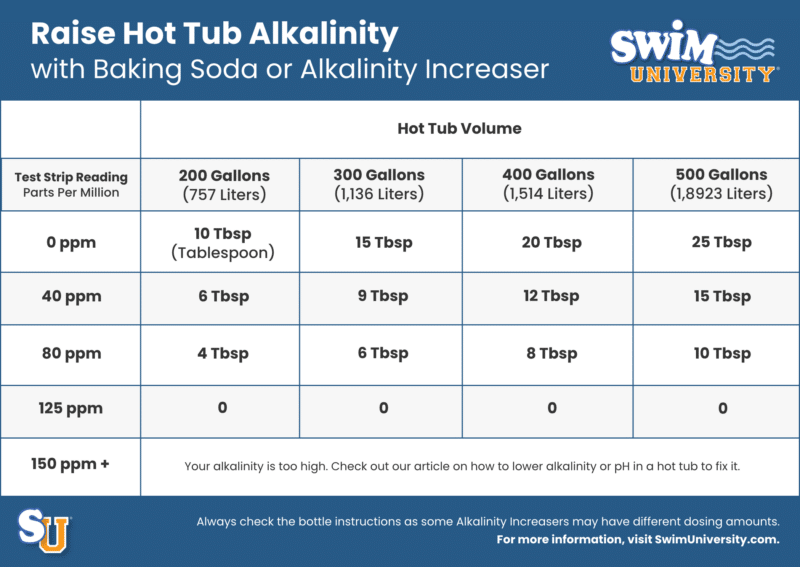
The exact amount of sodium bicarbonate needed will depend on the volume of your spa and its current alkalinity reading. It’s crucial to test your water first using a reliable test kit to determine the current alkalinity level. As a general guideline, for every 1,000 gallons (approximately 3,785 liters) of spa water, adding one pound (approximately 0.45 kg) of sodium bicarbonate can raise the total alkalinity by about 10 ppm.
Steps for Application:
- Test the Water: Use a spa test kit to measure the current Total Alkalinity.
- Calculate Dosage: Determine how much alkalinity needs to be raised and calculate the required amount of sodium bicarbonate based on your spa’s volume.
- Pre-dissolve (Optional but Recommended): While not strictly necessary for baking soda, pre-dissolving it in a bucket of spa water can help ensure it disperses evenly and doesn’t clump at the bottom.
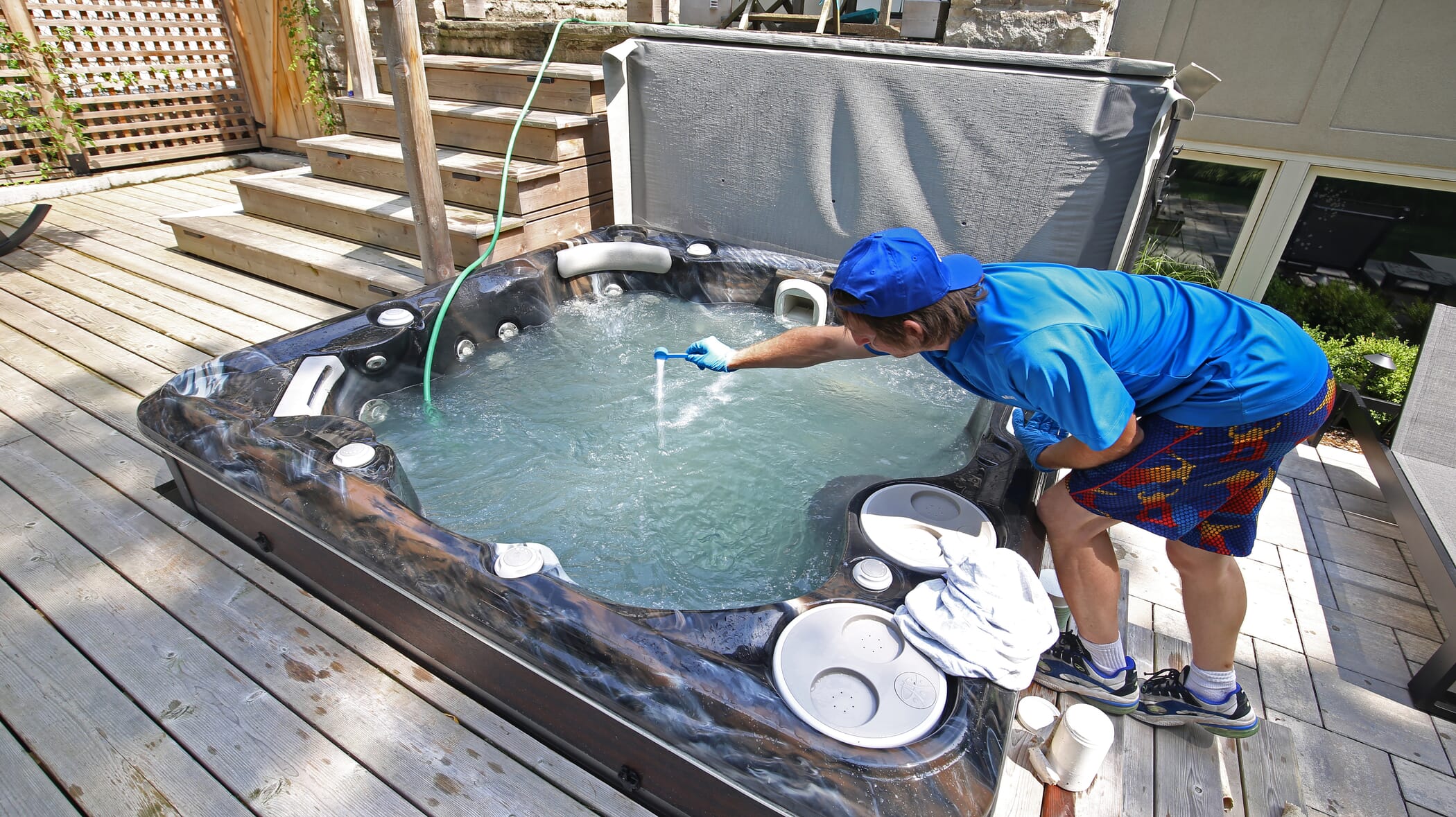
- Add Gradually: Sprinkle the measured amount of sodium bicarbonate into the spa water. It’s best to do this while the spa jets are running to help it circulate and dissolve quickly. Avoid adding a large amount all at once.
- Circulate and Retest: Allow the spa’s circulation system to run for at least 4-6 hours, or overnight. Then, retest the Total Alkalinity to see the effect.
- Repeat if Necessary: If the desired alkalinity level hasn’t been reached, repeat the process, adding smaller doses and allowing for circulation and retesting.
It’s important to note that adding sodium bicarbonate will also slightly increase the pH of the water. You may need to make minor pH adjustments after raising the alkalinity.
Commercial Alkalinity Increaser Products
Many pool and spa supply stores offer products specifically labeled as “Alkalinity Increaser” or “Total Alkalinity Up.” These products typically contain sodium bicarbonate as their primary ingredient, but may also include other alkaline salts that can help boost alkalinity more efficiently or with less impact on pH.
Benefits and Usage
Using a commercial product can offer convenience and sometimes more precise control. The packaging usually provides clear dosage instructions based on the size of your spa and the desired increase in alkalinity. These products are formulated to dissolve readily and work effectively.
Steps for Application (General):
- Read Product Instructions: Always follow the specific instructions on the product label.
- Test Water: Measure your current Total Alkalinity.
- Calculate Dosage: Use the product’s guidelines to determine the correct amount.
- Dissolve and Add: Some products recommend pre-dissolving in a bucket of water, while others can be added directly to the spa. Add the product to the circulating spa water.
- Circulate and Retest: Allow the spa system to run for several hours and retest the alkalinity.
- Adjust pH: As with baking soda, be prepared to adjust the pH of the water if it shifts significantly after adding the alkalinity increaser.
Regardless of whether you choose household baking soda or a commercial product, consistency is key. Regularly testing and maintaining your spa’s water chemistry will prevent drastic fluctuations and ensure a consistently enjoyable and safe experience for all who use it, whether they are on a romantic getaway to the Maldives or enjoying a family vacation in Orlando. Proper water management is an integral part of the luxury and well-being offered by any reputable spa.
LifeOutOfTheBox is a participant in the Amazon Services LLC Associates Program, an affiliate advertising program designed to provide a means for sites to earn advertising fees by advertising and linking to Amazon.com. Amazon, the Amazon logo, AmazonSupply, and the AmazonSupply logo are trademarks of Amazon.com, Inc. or its affiliates. As an Amazon Associate we earn affiliate commissions from qualifying purchases.