
The allure of travel often involves the promise of comfortable stays in unfamiliar locales, from bustling urban centers like New York City to serene island retreats. Yet, a common, often whispered, concern for many travelers is the unwelcome possibility of encountering bed bugs. These nocturnal pests are not a sign of uncleanliness, but rather opportunists that can hitchhike into even the most pristine of environments. An infestation can swiftly transform a dream vacation into a sleepless nightmare, not only disrupting your immediate stay but also posing a risk of bringing these pests back to your home.

Being proactive and understanding how to thoroughly inspect your hotel room is an indispensable skill for any modern traveler. This guide provides a systematic, professional approach to safeguarding your comfort and peace of mind, ensuring your focus remains on the enriching experiences your journey offers, rather than battling an unseen menace. Whether you’re checking into a budget-friendly inn or a luxurious suite at a Hilton Hotels & Resorts property, vigilance is your best defense against these tenacious invaders.
Understanding the Threat: Why Bed Bugs Matter
Bed bugs, scientifically known as Cimex lectularius, are small, reddish-brown parasitic insects that feed exclusively on the blood of warm-blooded animals, primarily humans. They are flat, oval-shaped, and about the size of an apple seed. While their bites are not known to transmit diseases, they can cause itchy welts, skin irritation, and significant psychological distress, leading to anxiety, insomnia, and a general decline in well-being during and after an infested stay.
The pervasive myth that bed bugs are only found in dirty environments is simply untrue. They can be found in any type of lodging, from hostels to five-star resorts, because their presence is primarily linked to human movement and travel. Travelers inadvertently transport them in luggage, clothing, and personal items, allowing them to spread rapidly across geographical boundaries and into new accommodations.
The Cost of a Bed Bug Infestation
Beyond the immediate discomfort of bites, the financial and emotional repercussions of a bed bug encounter can be substantial. For the traveler, this could mean discarding infested luggage, replacing clothing, or incurring professional pest control costs upon returning home. The stress of dealing with an infestation can linger for weeks or even months.
For hotels, a bed bug report can severely damage reputation, lead to lost bookings, costly room closures, extensive pest management treatments, and potential legal liabilities. This mutual vulnerability underscores the importance of both travelers and accommodation providers taking bed bug prevention and detection seriously. Early detection is key to mitigating these costs and ensuring a pleasant experience for guests.
Identifying Bed Bugs: What to Look For
Spotting a live bed bug is the most definitive proof of an infestation, but these creatures are masters of disguise and evasion. You’re more likely to find indirect evidence. Key indicators include:
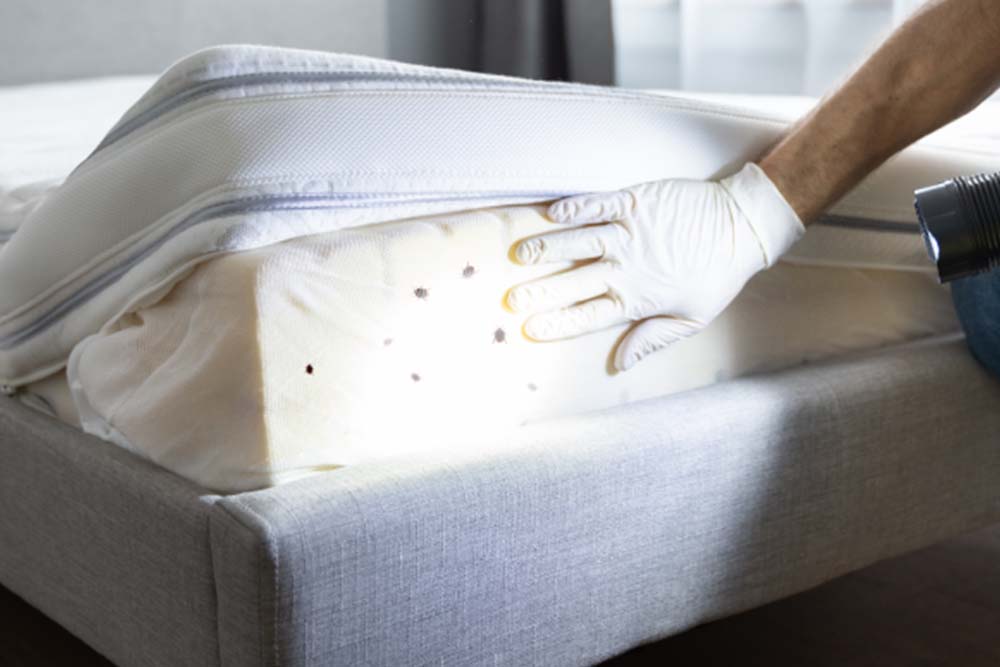
- Small, reddish-brown stains: These are typically bed bug fecal spots, which look like tiny dots of dried blood or rust, often found on sheets, pillowcases, mattress seams, or upholstered furniture.
- Tiny, clear or whitish eggs and eggshells: Bed bug eggs are about 1mm in size, pearly white, and often found in clusters in crevices.
- Shed skins (exoskeletons): As bed bugs grow, they shed their outer shells. These empty, translucent skins can be found in the same areas as live bugs or eggs.
- Live bed bugs: These can range from nymphs (smaller, paler versions of adults) to fully grown adults. They often hide in cracks and crevices.
- Sweet, musty odor: In severe infestations, a distinct, sickly sweet or musty odor, often described as smelling like coriander, raspberries, or almonds, may be present. This is caused by the bed bugs’ alarm pheromones.
- Bite marks: While not definitive evidence (many insects can bite), bed bug bites often appear as small, red, itchy welts arranged in lines or clusters, frequently on exposed skin like arms, legs, or neck.
Knowing what to look for empowers you to act decisively and protect yourself from potential issues.
Your Pre-Entry Protocol: Initial Steps
Your inspection begins the moment you step into your hotel room, even before you unpack. A strategic approach to entry can significantly reduce the risk of bringing bed bugs into your luggage or onto your person. This initial protocol sets the stage for a thorough investigation and helps establish immediate defenses.
Luggage Placement: Your First Line of Defense
Resist the urge to immediately throw your suitcase onto the bed or the floor upon entering the room. These are prime locations for bed bugs to transfer from the room to your belongings. Instead, follow these steps:
- Isolate your luggage: Place your suitcase, carry-on, and any other bags in the bathroom, preferably in the bathtub, shower, or on a hard tiled surface away from walls. Bed bugs struggle to climb smooth, slick surfaces. Alternatively, place luggage on a metal luggage rack, away from the wall, after a quick inspection of the rack itself.
- Avoid upholstered surfaces: Keep all bags off upholstered chairs, sofas, and carpets until you’ve completed your full inspection.
- Inspect the luggage rack: If using the provided luggage rack, inspect it thoroughly before use. Check all joints, seams, and straps for any signs of bed bugs or their tell-tale fecal spots.
This simple act of strategic luggage placement creates a critical buffer, preventing potential invaders from easily accessing your personal items while you conduct your detailed search.
Quick Visual Scan: The Initial Assessment
Once your luggage is secured, take a moment for a preliminary scan of the room. This quick overview can sometimes reveal obvious signs of trouble without requiring a deep dive.
- Ambient light check: Walk around the room with the lights on. Look for any immediate, noticeable signs on obvious surfaces like the duvet, headboard, or visible seams of furniture.
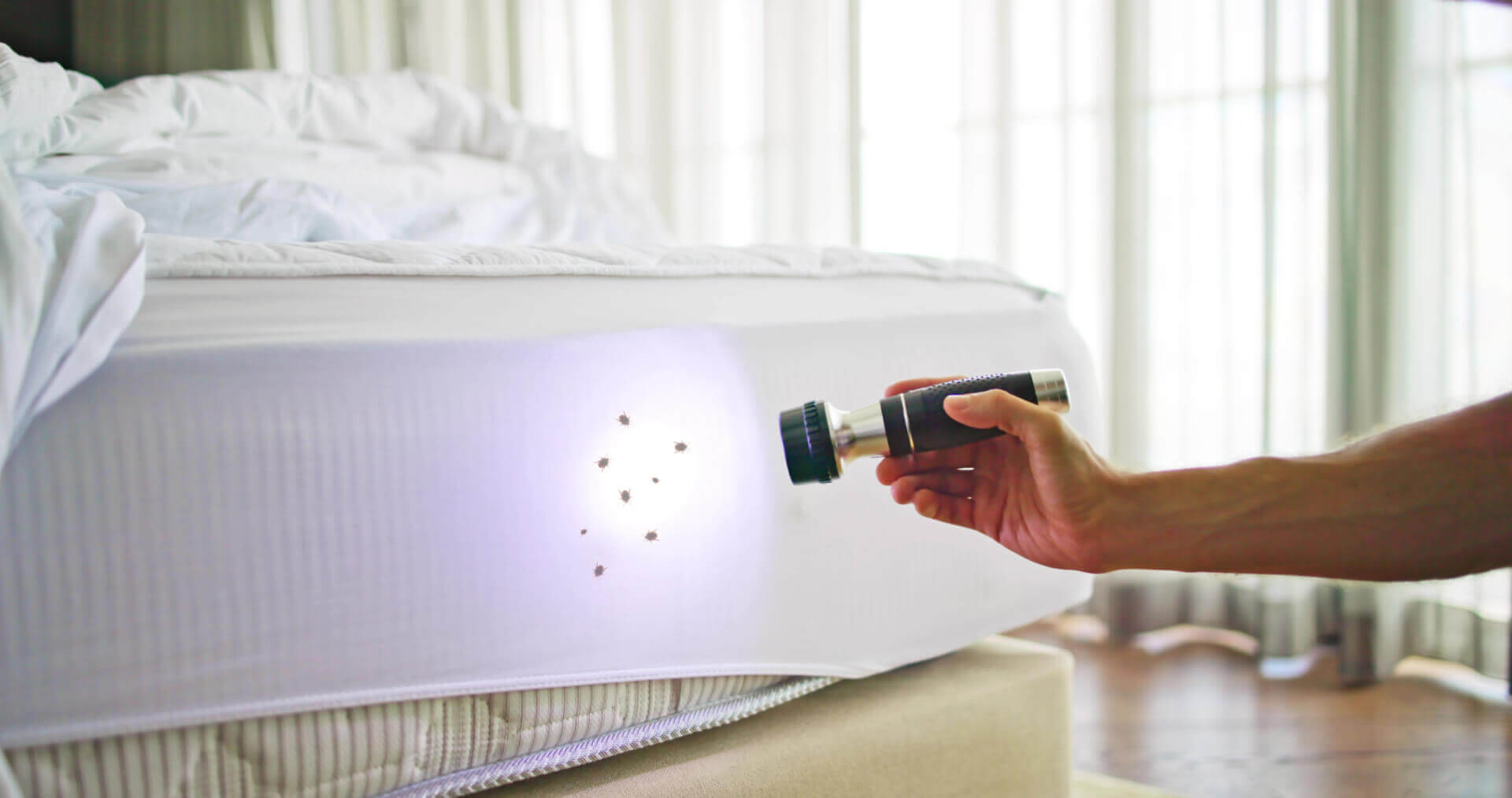
- Use a flashlight: Even in a well-lit room, a flashlight (your phone’s flashlight works perfectly) is indispensable. Bed bugs prefer dark, hidden spaces. Shine your light into corners, along baseboards, and under furniture.
- Check common hiding spots: Briefly check the most common areas without moving anything yet. This includes the edges of the mattress and the area behind the headboard if easily visible. If you spot any glaring red flags at this stage, it’s a strong indication to proceed with extreme caution or request a new room immediately.
This initial assessment serves as a reconnaissance mission, informing your next steps and preparing you for a more focused, systematic inspection.
The Systematic Inspection: A Room-by-Room Guide
A thorough bed bug inspection requires patience and a methodical approach, covering all potential hiding spots within the room. While the bed area is the primary concern, bed bugs can infest a surprising array of locations. Always keep your flashlight handy and wear gloves if you prefer not to touch surfaces directly.
The Bed Area: Where Bed Bugs Thrive
The bed is ground zero for bed bug activity because it’s closest to their food source – you. This area demands the most meticulous examination.
Mattress Seams and Tags
This is often the first place professional pest control experts look.
- Peel back the sheets: Carefully pull back the sheets, blankets, and mattress pad.
- Inspect mattress piping and seams: Using your flashlight, slowly run your finger along the piping and seams of the mattress, paying close attention to the crevices. Look for live bugs, eggs, shed skins, or the tiny black fecal spots.
- Examine the mattress tags: These fabric tags provide ideal hiding spots. Lift them up and inspect underneath and along their seams.
- Flip the mattress: If possible and safe to do so, carefully lift and flip the mattress. Inspect the underside, especially the seams and corners of the entire mattress. Pay particular attention to the box spring as well; bed bugs frequently hide within its fabric covering and wooden frame.
Headboards and Bed Frames
These structures offer numerous cracks and crevices perfect for bed bug concealment.
- Check the headboard: If the headboard is affixed to the wall, shine your flashlight into the gap between the headboard and the wall. Look for any signs of bed bugs. If it’s a freestanding headboard, check behind it.
- Inspect the bed frame: Examine the entire bed frame, especially along joints, screw holes, and any decorative carvings or gaps in the wood or metal. Bed bugs can squeeze into incredibly tight spaces. Look underneath the bed frame as well.
- Nightstands and Nearby Furniture
Bed bugs don’t just stay in the bed. They can venture out to nearby furniture, especially if it offers dark, sheltered spots close to the host. - Empty and inspect nightstands: Remove everything from the nightstands. Inspect the interior, drawers (especially the undersides and joints), and the back of the nightstand that faces the wall.
- Check lamps and clocks: Examine the bases of lamps, alarm clocks, and any other items on the nightstand for signs of bed bugs.
- Furniture seams: Look at the seams of any upholstered chairs or sofas within close proximity to the bed.
Upholstered Furniture and Curtains
Beyond the bed, upholstered items and window treatments are the next most common hiding spots.
- Sofas and chairs: Inspect all seams, tufts, and crevices of upholstered sofas and chairs. Lift cushions and check underneath. Pay attention to the underside of these pieces of furniture, where fabric meets the frame.
- Curtains: Examine the pleats, folds, and seams of curtains, especially near the top where they meet the rod and where they touch the floor. Bed bugs can climb walls to reach these spots.
- Throw pillows: If the room includes decorative throw pillows, inspect their seams and zippers.
Walls and Electrical Outlets
While less common than bed or furniture infestations, bed bugs can still be found in these unexpected places, especially in severe cases.
- Wall art and mirrors: Carefully lift or tilt any framed pictures or mirrors on the wall and inspect behind them, particularly around the edges of the frame.
- Cracks in walls and baseboards: Scan along the baseboards and any visible cracks in the walls or plaster.
- Electrical outlets: Bed bugs are known to hide inside electrical outlets. While you should never insert anything into an outlet, you can carefully unscrew the faceplate (if comfortable and equipped) or simply shine your flashlight into the openings and around the edges of the plate for any signs of activity.
What to Do If You Find Bed Bugs
Discovering bed bugs is undoubtedly distressing, but knowing how to react professionally and efficiently can save you further trouble and ensure a swift resolution from the hotel.
Documenting the Evidence
Before you do anything else, thoroughly document what you’ve found. This visual proof is crucial for your claim.
- Take clear photos and videos: Use your phone to take multiple close-up photos and videos of the live bugs, eggs, fecal spots, and shed skins. Capture the specific locations where you found them (e.g., mattress seam, headboard).
- Note the date and time: Record when and where you made the discovery.
- Do not disturb the evidence: Try to avoid disturbing the evidence more than necessary for documentation.
Notifying Hotel Management
Your next step is to immediately contact the hotel’s front desk or management.
- Request a manager: Speak directly with a manager, not just a front desk clerk, as they have the authority to address the situation properly.
- Present your evidence: Calmly explain what you’ve found and present your photographic evidence. Be polite but firm in your request for a solution.
- Request a new room: Ask for a new room that is not adjacent, above, or below the infested room. Bed bugs can easily travel through walls and utility lines. Ideally, ask for a room in a different section or even a different building if available.
- Inspect the new room: Always perform the same thorough inspection in your new room, even if the hotel assures you it’s clean.
Many reputable hotel chains, such as Marriott International and Hyatt Hotels Corporation, have protocols in place to handle such situations discreetly and efficiently, prioritizing guest safety and satisfaction.
Seeking Alternative Accommodation
If the hotel cannot provide a suitable alternative room, or if you feel uncomfortable with their response or remediation efforts, do not hesitate to seek accommodation elsewhere. Your health and peace of mind are paramount. While an inconvenience, moving to a different hotel is a far better option than enduring an infested stay or risking a home infestation. Ensure you negotiate for a refund or compensation for the troubled night and any associated costs incurred due to the incident.
Post-Trip Precautions: Preventing a Home Infestation
The inspection doesn’t end when you leave the hotel. Taking preventive measures upon returning home is critical to ensure you don’t inadvertently bring bed bugs into your living space.
Laundry Protocol
Heat is a bed bug’s enemy. High temperatures effectively kill all life stages of bed bugs.
- Wash and dry all clothes immediately: As soon as you arrive home, transport all your clothes (clean or dirty) directly to the laundry room. Do not bring them into your bedroom.
- Hot wash, high heat dry: Wash all garments in hot water, if fabric allows. Then, dry everything on the highest heat setting for at least 30-40 minutes. Even items that haven’t been worn should go through this cycle.
- Items not washable: For items that cannot be washed or dried on high heat, consider professional dry cleaning or sealing them in airtight bags and placing them in a freezer for several days (though this method requires prolonged exposure to extreme cold).
Luggage Treatment
Your suitcase is a prime suspect for transporting bed bugs.
- Inspect thoroughly: Inspect your suitcase, inside and out, in a well-lit area, preferably outdoors or in a garage. Use your flashlight to check all zippers, seams, pockets, and crevices.
- Vacuum: Thoroughly vacuum your suitcase, paying extra attention to all folds and seams. Immediately discard the vacuum bag (or empty the canister into a sealed bag) and dispose of it outdoors.
- Heat treatment (if applicable): If your suitcase is robust enough, a short stint in a hot car on a sunny day (where temperatures can reach bed bug lethal levels) or a steam cleaning can be effective.
- Storage: Store your luggage away from your bedroom, ideally in a garage or basement, until you’re confident it’s bug-free. Consider sealing it in a large plastic bag.
Continued Vigilance
Even after taking all precautions, remain vigilant for several weeks post-trip.
- Monitor your sleep: Pay attention to any new or unusual bites.
- Regular checks: Periodically check your own mattress and bed frame for any signs of bed bug activity.
- Educate family members: Ensure anyone who traveled with you also follows these protocols.
By adopting a comprehensive approach to bed bug prevention—from a meticulous inspection of your hotel room to careful post-trip precautions—you can significantly reduce your risk and ensure your travels remain joyful and worry-free. Staying informed and prepared is the ultimate key to a safe and comfortable journey.
LifeOutOfTheBox is a participant in the Amazon Services LLC Associates Program, an affiliate advertising program designed to provide a means for sites to earn advertising fees by advertising and linking to Amazon.com. Amazon, the Amazon logo, AmazonSupply, and the AmazonSupply logo are trademarks of Amazon.com, Inc. or its affiliates. As an Amazon Associate we earn affiliate commissions from qualifying purchases.