
Bed bugs are a traveler’s worst nightmare. These tiny, tenacious pests can turn a dream vacation into a waking one, leaving behind itchy bites and a lingering sense of unease. While the thought of encountering them is unsettling, being informed and prepared can significantly reduce your risk. This comprehensive guide, drawing upon insights from the worlds of travel, accommodation, and lifestyle, will equip you with the knowledge to identify potential bed bug infestations and take proactive steps to ensure a pest-free stay.
Understanding the Bed Bug Threat
Bed bugs (Cimex lectularius) are small, reddish-brown insects that feed on the blood of humans and animals. They are nocturnal, meaning they are most active at night, and are excellent at hiding. Their flattened bodies allow them to squeeze into tiny crevices, such as mattress seams, bed frames, headboards, and even electrical outlets. While bed bugs are not known to transmit diseases, their bites can cause allergic reactions, leading to itching, swelling, and discomfort. For travelers, especially those frequenting popular tourist destinations or staying in budget accommodations, understanding the common hiding places and signs of bed bugs is paramount.
Why Bed Bugs Are a Concern in Hotels
Hotels, by their very nature, are transient environments where people from all walks of life come and go. This constant flow of guests, combined with the numerous nooks and crannies within hotel rooms, provides an ideal breeding ground for bed bugs. While reputable hotel chains, such as the Marriott International or Hilton Worldwide, invest heavily in pest control and prevention, no establishment is entirely immune. Infestations can occur even in luxury resorts or boutique hotels, making vigilance a necessary part of modern travel. The tourism industry, while offering incredible experiences, also necessitates a cautious approach to accommodation.
Common Signs of a Bed Bug Infestation
Identifying the presence of bed bugs before settling in is key to avoiding a miserable experience. These signs are subtle but tell-tale, and knowing what to look for can save you a lot of trouble.
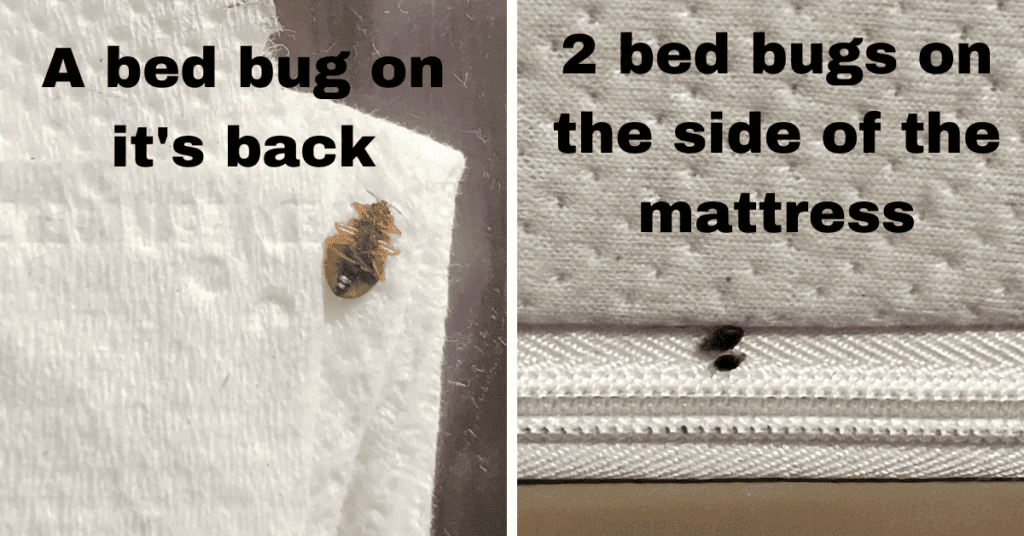
- Live Bed Bugs: The most obvious sign is spotting a live bed bug. They are about the size of an apple seed and have an oval, flattened body. They are typically reddish-brown in color. Seeing one is a clear indication of an infestation, even if it’s the only one you see.
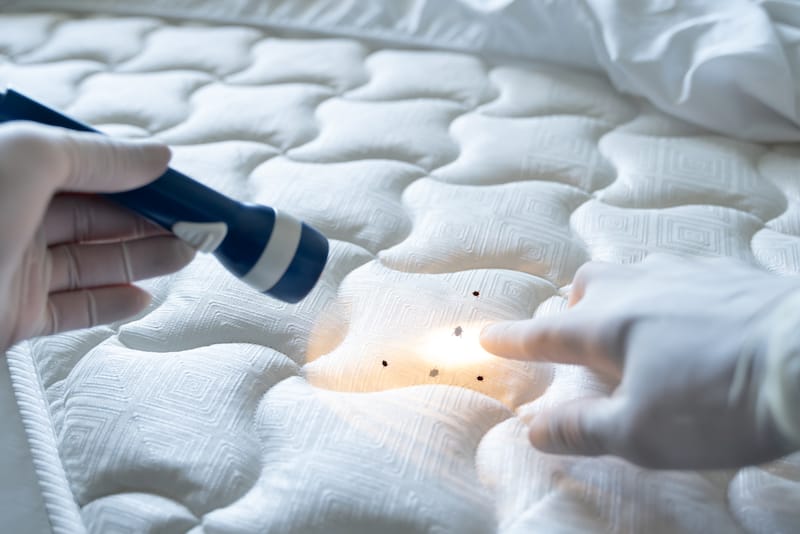
- Bed Bug Fecal Spots: These are small, dark spots, often appearing as if someone has used a permanent marker. They are essentially digested blood and can be found on mattresses, sheets, pillowcases, and surrounding furniture. If you see several of these spots clustered together, it strongly suggests the presence of bed bugs.
- Blood Stains: If you wake up with unexplained blood stains on your sheets or pillowcases, it could be due to crushing a bed bug while sleeping, or from bites themselves.
- Bed Bug Eggs and Molted Skins: Bed bugs lay tiny, pearly white eggs in crevices. As they grow, they shed their exoskeletons, leaving behind translucent, hollow shells. Finding these can indicate that bed bugs have been present for some time and are reproducing.
- Musty Odor: In severe infestations, a sweet, musty odor may be detectable. This is due to the scent glands of a large number of bed bugs.
Proactive Steps for a Bed Bug-Free Stay
Beyond simply knowing the signs, there are several proactive measures you can take before and during your hotel stay to minimize your risk of encountering bed bugs. These strategies blend practical travel tips with smart accommodation choices, ensuring a more comfortable and enjoyable experience, whether you’re on a budget or indulging in luxury travel.

Pre-Arrival Checks and Booking Strategies
The first line of defense begins before you even step foot in your hotel room. Smart booking and a bit of research can go a long way.
- Read Recent Reviews: Before booking a hotel, especially in a new city or country, take the time to read recent guest reviews. Websites like Tripadvisor and Booking.com often have detailed feedback from travelers. Look specifically for mentions of “bed bugs,” “pests,” or any negative comments related to cleanliness or room quality. Pay attention to reviews from the past few months, as older reviews might not reflect the current situation.
- Choose Reputable Chains: While not foolproof, established hotel chains generally have more robust pest control protocols in place. Brands like Hyatt Hotels Corporation or InterContinental Hotels Group often have dedicated teams or contracted services focused on maintaining cleanliness and hygiene.
- Consider Room Location: While less critical for bed bugs than for noise, sometimes rooms at the end of hallways or those that are less frequently occupied might theoretically have a lower chance of initial infestation. However, bed bugs can spread rapidly within a hotel, so this is a minor consideration.
During Your Stay: Inspection and Prevention
Once you’ve arrived at your destination, whether it’s a bustling metropolis like New York City or a tranquil retreat in the French Alps, the inspection of your hotel room is crucial. This is where the practical application of your knowledge comes into play, ensuring that your accommodation choice aligns with your expectations for a safe and comfortable stay.
Inspecting Your Hotel Room
Upon entering your room, before unpacking or settling in, conduct a thorough inspection. This might seem tedious, but it’s a small investment of time that can yield significant peace of mind.
- Examine the Bedding:
- Pull back the duvet and sheets. Carefully inspect the mattress seams, box spring, and headboard for any of the signs mentioned earlier: live bugs, dark fecal spots, blood stains, or shed skins.
- Pay close attention to the corners and piping of the mattress, as these are prime hiding spots.
- Check behind the headboard if it’s movable or attached to the wall.
- Inspect Surrounding Furniture:
- Bed bugs don’t limit their hiding places to the bed. Inspect the upholstery of chairs and sofas, the seams of curtains, and even the drawers of bedside tables.
- Pull out drawers and check the undersides and the inside edges for any signs.
- Check Other Crevices:
- Look around electrical outlets, picture frames, and any cracks or crevices in the walls or furniture. Bed bugs are masters of concealment.
- Use a Flashlight: A small flashlight, easily packed in your luggage, can be incredibly helpful for spotting tiny fecal spots or molted skins in darker areas.
What to Do If You Suspect Bed Bugs
If, despite your best efforts, you discover evidence of bed bugs, it’s important to act swiftly and calmly. Your primary goal is to avoid bringing these pests home with you and to secure alternative accommodations.
- Do Not Unpack: If you find evidence of bed bugs before unpacking, do not bring your luggage into the room. Keep your bags in a sealed plastic bag if possible, and certainly do not unpack clothing or personal items.
- Contact Hotel Management Immediately: Politely but firmly inform the front desk or hotel manager about your findings. Show them the evidence if possible. Most reputable establishments will take your concerns seriously.
- Request a Room Change: Ask for a room change. It’s advisable to request a room on a different floor or in a different section of the hotel to minimize the risk of being in a room that is also infested.
- Inspect the New Room Thoroughly: Before accepting the new room, conduct the same thorough inspection you did in the first. If the hotel cannot provide a suitable alternative, consider seeking accommodation elsewhere, even if it means a financial loss on your initial booking. Document everything.
- If You’ve Been Bitten or Brought Them Home: If you’ve stayed in a room and later discover bites or suspect you’ve brought bed bugs home, immediately consult a pest control professional. Thoroughly inspect and clean all your luggage and belongings. Consider sealing items in plastic bags for a period or having them professionally cleaned.
By understanding the signs, employing proactive inspection techniques, and knowing how to respond if an issue arises, you can significantly enhance your travel experience and protect yourself from the unwelcome company of bed bugs. Whether you are exploring the historical landmarks of Rome or enjoying the natural beauty of Banff National Park, a little vigilance ensures your focus remains on the adventure, not on an infestation.
LifeOutOfTheBox is a participant in the Amazon Services LLC Associates Program, an affiliate advertising program designed to provide a means for sites to earn advertising fees by advertising and linking to Amazon.com. Amazon, the Amazon logo, AmazonSupply, and the AmazonSupply logo are trademarks of Amazon.com, Inc. or its affiliates. As an Amazon Associate we earn affiliate commissions from qualifying purchases.