
Understanding the legal landscape of any state is crucial, especially when planning travel or considering a significant stay. For those who might be traveling to or residing in Texas, knowing the status of any outstanding legal matters, such as warrants, is paramount to avoiding unforeseen complications. This guide delves into the accessible methods for determining if a warrant exists for your arrest in Texas, empowering you to travel with peace of mind and to manage your affairs responsibly.
Understanding Warrants in Texas
A warrant, in the simplest terms, is a legal document issued by a judge or magistrate that authorizes law enforcement officials to take specific actions. In the context of criminal justice, an arrest warrant allows police to detain an individual suspected of committing a crime. These warrants are not issued arbitrarily; they are typically based on probable cause presented by law enforcement or a prosecutor.
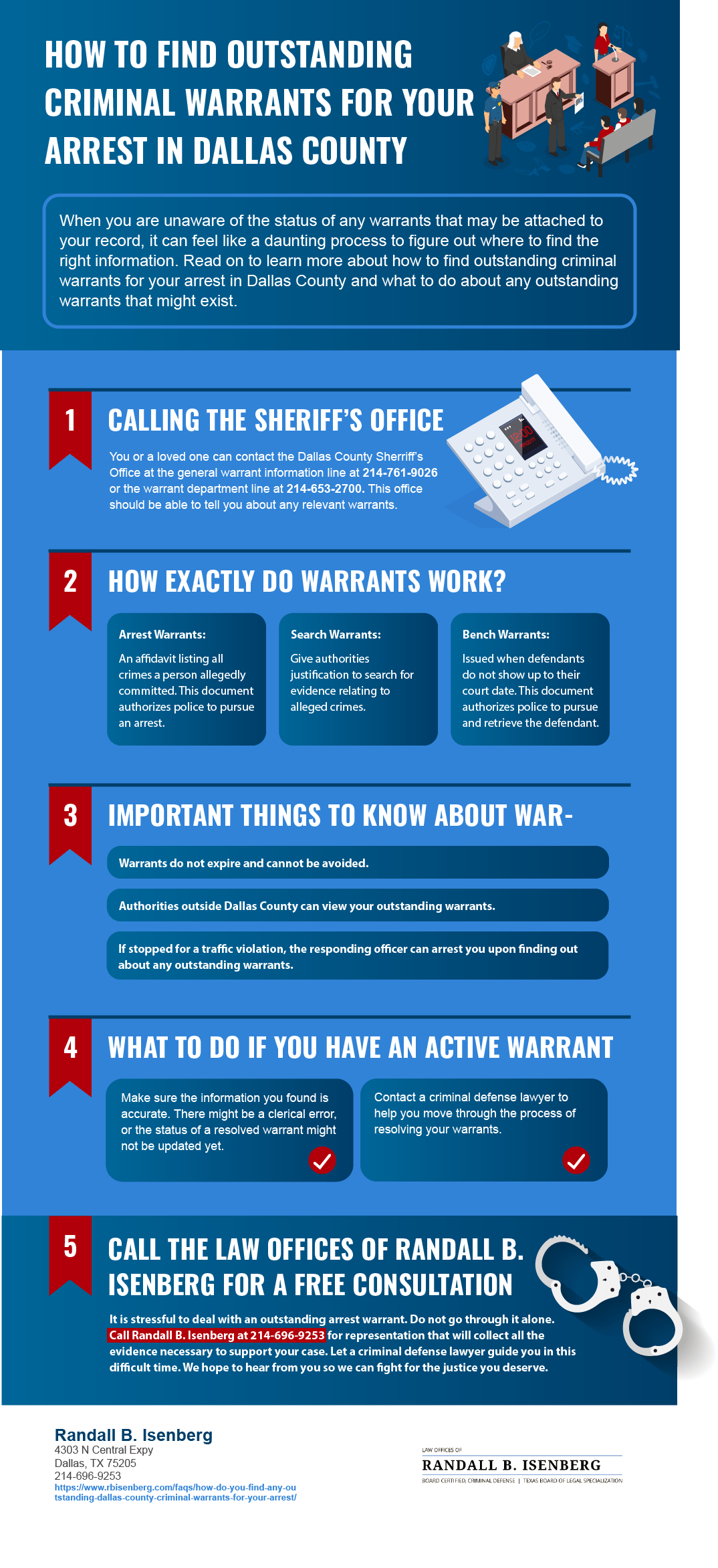
In Texas, warrants can be issued for a variety of reasons. The most common scenarios include:
- Failure to Appear: If you have a court date for a misdemeanor or felony charge and do not show up, a bench warrant can be issued for your arrest. This is a frequent reason for outstanding warrants.
- New Criminal Charges: If you are arrested and charged with a new offense, a judge may issue an arrest warrant if you are not taken into custody immediately or if you are released pending further investigation.
- Probation Violations: If you are on probation or parole and violate its terms (e.g., failing a drug test, missing meetings with your probation officer, committing a new offense), a warrant can be issued to bring you back before the court.
- Outstanding Fines or Fees: In some cases, if you have unpaid fines or court fees stemming from a previous conviction, a warrant might eventually be issued if payment arrangements are not made or honored.
- Civil Bench Warrants: While less common for travelers to worry about, civil warrants can be issued for failure to appear in civil court proceedings, such as family law matters or debt collection cases. These are distinct from criminal arrest warrants but can still lead to detention until the matter is resolved.
It is important to distinguish between a warrant for your arrest and a summons or citation. A summons is a court order requiring you to appear on a specific date and time. A citation is typically a ticket for a minor offense, like a traffic violation, which may require you to pay a fine or appear in court. Failing to comply with either a summons or a citation can lead to a warrant being issued.
The implications of having an outstanding warrant in Texas can be far-reaching. Even for minor offenses, an arrest warrant means that if you have any interaction with law enforcement, you are subject to immediate arrest. This could occur during a routine traffic stop, at an airport, or even when attempting to conduct everyday business. For travelers, this can lead to significant disruption, including detention, missed flights, and potential legal proceedings that could affect future travel plans or residency.
How Warrants are Issued
The process of issuing a warrant in Texas generally begins with law enforcement or a prosecutor filing a complaint or affidavit with a judge or magistrate. This document outlines the alleged offense and the evidence supporting probable cause. The judge reviews the information, and if they find sufficient probable cause, they will sign the warrant, authorizing law enforcement to execute it.
For bench warrants related to a failure to appear, the process is often initiated by the court clerk notifying the judge of the missed appearance. The judge then typically issues the warrant without requiring a new affidavit, as the missed court date itself establishes the grounds for the warrant.
Understanding this process helps to underscore why proactive checks are so important. Ignorance of a warrant is not a defense against its execution.
Checking for Outstanding Warrants in Texas
Fortunately, Texas provides several avenues for individuals to inquire about potential warrants. These methods range from official government resources to more informal inquiries, each with its own level of detail and accessibility. It’s vital to use these resources responsibly and understand their limitations.
Official County and Municipal Court Websites
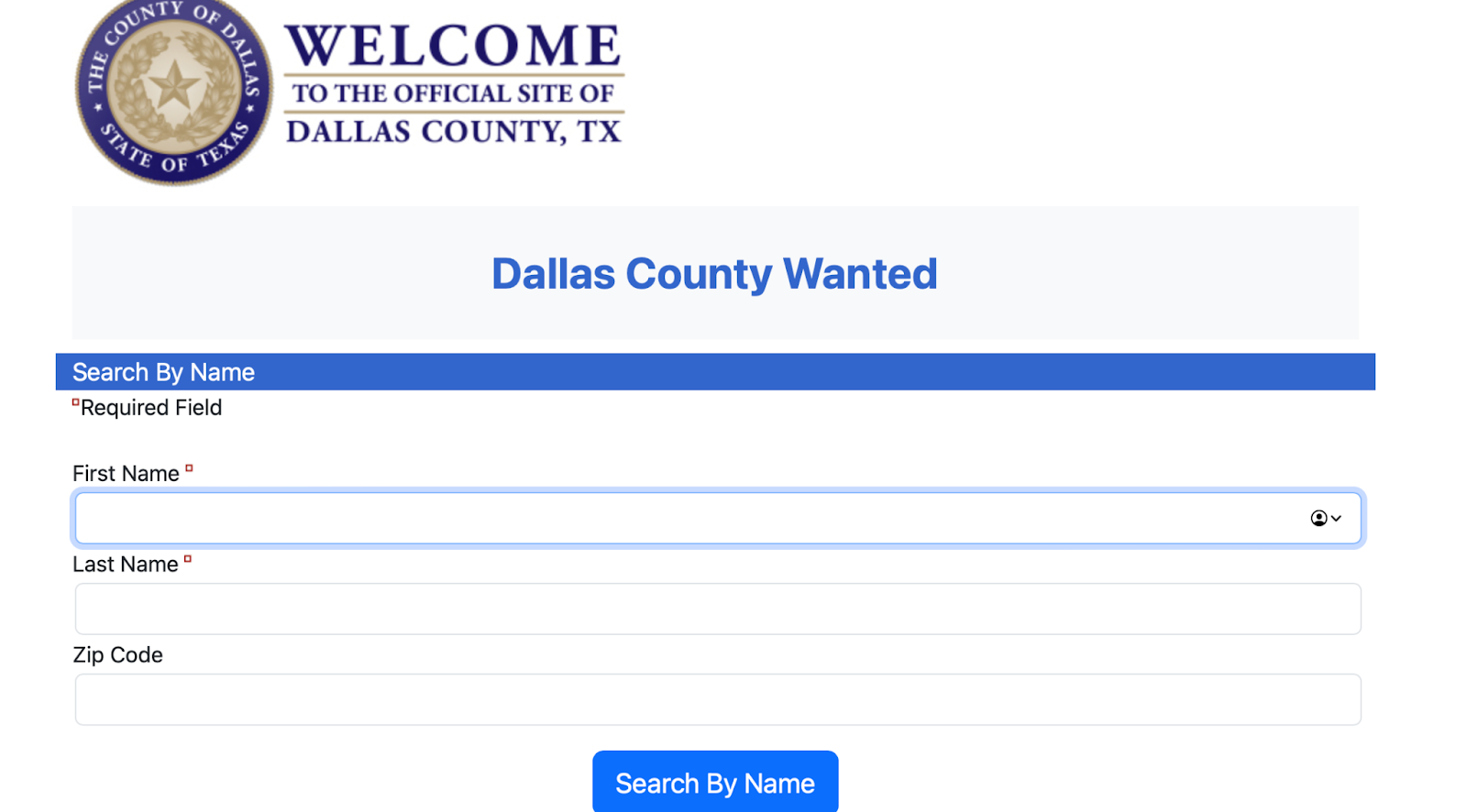
Many Texas counties and municipalities maintain online portals where you can search for court records, including outstanding warrants. This is often the most direct and official way to check.
- County Clerk Websites: The County Clerk’s office in each of Texas‘s 254 counties is responsible for maintaining court records. Many County Clerk websites offer searchable databases for criminal court dockets, arrest records, and sometimes, specific warrant information. You will typically need to know the county in which you might have an outstanding legal matter. If you lived in or visited a specific area of Texas, you would start by searching the website for that county’s Clerk.
- Municipal Court Websites: For minor offenses like traffic violations or city ordinance infractions, warrants may be issued through municipal courts. Many larger cities in Texas, such as Houston, Dallas, San Antonio, and Austin, have dedicated municipal court websites with searchable databases.
How to Search: When using these online portals, you will typically be prompted to enter your full name and, sometimes, your date of birth. Some systems may also allow searches by case number if you have one. The results will display any active warrants or pending court cases associated with your name.
Limitations: The comprehensiveness of these online databases can vary significantly. Not all counties or municipalities have fully digitized their records, and some may not have an easily accessible warrant search function. It’s possible that an arrest warrant might exist but not be immediately visible through a simple online query, especially if it’s a very recent issuance.
Texas Department of Public Safety (DPS)
The Texas Department of Public Safety (DPS) maintains a statewide database of criminal history information. While the DPS does not directly provide a public-facing warrant search tool for individuals to check themselves, their records are the basis for many law enforcement interactions.
- Criminal History Background Checks: The DPS offers services for individuals to obtain their own criminal history record. This process usually involves submitting a request form, providing identification, and paying a fee. While this report is not a direct warrant search, it will reflect any arrests and convictions that may have led to an outstanding warrant. This can be a more comprehensive, though less immediate, method of checking.
Important Note: The DPS criminal history record is intended for personal use and background screening purposes. It is not a real-time warrant notification system.
Contacting Law Enforcement Agencies Directly
While not always recommended due to the potential for immediate arrest if a warrant is confirmed, you can, in some circumstances, inquire about warrants through official channels.
- Local Sheriff’s Office: If you suspect a warrant exists in a particular county, you can contact the county sheriff’s office. They are responsible for executing warrants within their jurisdiction. However, it is critical to understand that calling to ask about a warrant may put you on their radar, and if a warrant is active, you could be subject to arrest. It is generally advisable to consult with an attorney before making such inquiries.
- Local Police Department: Similarly, you can contact the police department of a city or town where you believe a warrant might exist. Again, exercise extreme caution when doing so.
Best Practice: If you have a serious concern about an active warrant, the most prudent course of action is to consult with a qualified criminal defense attorney in Texas. An attorney can often conduct a confidential inquiry on your behalf, review your situation, and advise you on the best legal strategy. They have established methods for checking warrant status that are designed to protect their clients’ rights and minimize risks.
Third-Party Background Check Services
Numerous online services claim to provide background checks and warrant information. While some of these services may aggregate public records, they are not official government sources and their accuracy can be questionable.
- Data Aggregation: These services often pull data from various public records, including court dockets and arrest records. However, the data may not be up-to-date, complete, or accurately presented.
- Reliability Concerns: It is generally advisable to rely on official government websites or legal professionals for definitive information about warrants. These third-party services may charge a fee for information that is publicly available for free or at a lower cost through official channels.
Recommendation: Use these services with skepticism. Always cross-reference any information found with official sources or a legal professional.
Consequences of Ignoring a Warrant
The decision to ignore an outstanding warrant in Texas can lead to serious legal repercussions, significantly impacting your freedom and future.
Immediate Arrest
The primary consequence of an active arrest warrant is that law enforcement officers are legally empowered to arrest you upon sight. This can happen at any time and in any place where you might have contact with law enforcement. This includes, but is not limited to:
- Traffic Stops: A routine traffic stop for a minor violation could lead to your arrest if a warrant check reveals an active warrant.
- Airport Security: When traveling by air, particularly through airports like Dallas/Fort Worth International Airport or George Bush Intercontinental Airport, warrant checks are part of security protocols.
- Routine Encounters: Any interaction with police officers, even for non-criminal reasons, could result in an arrest if a warrant is discovered.
Booking and Jail Time
Once arrested on a warrant, you will be taken to a local jail, booked, and processed. Depending on the nature of the warrant and the court’s schedule, you may be held until you can appear before a judge. This could mean spending days, weeks, or even longer in jail, depending on the severity of the original charge and whether bail is an option.
Legal Complications
Having an outstanding warrant can complicate any future legal matters. If you are arrested for a new offense while a warrant is active, the new charge will be compounded by the existing warrant, potentially leading to harsher penalties.
Impact on Travel and Employment
For individuals who travel frequently, an active warrant can be a significant impediment. You may be denied boarding on flights, detained at borders, or face other travel restrictions. In Texas and elsewhere, employers often conduct background checks, and an active warrant can lead to the denial of employment opportunities.
Increased Penalties
In some cases, ignoring a warrant or delaying its resolution can lead to increased penalties for the original offense. Courts may view this as a lack of respect for the legal system, which can influence sentencing decisions.
Resolving an Outstanding Warrant in Texas
If you discover that you have an outstanding warrant in Texas, it is crucial to address it promptly and strategically. The best approach often depends on the nature of the warrant and your personal circumstances.
Surrendering to Law Enforcement
One method is to voluntarily surrender yourself to the authorities. This is often done in coordination with an attorney.
- Controlled Surrender: A criminal defense attorney can help arrange a “walk-through” or controlled surrender. This involves contacting the jail or courthouse in advance to schedule a time for you to appear. The purpose is to minimize the time spent in custody and to potentially expedite your release through a pre-arranged bond or arraignment.
- Benefits of a Controlled Surrender: This approach demonstrates your willingness to comply with the legal process and can lead to a more orderly resolution compared to an unexpected arrest.
Posting Bond
If the warrant is for an offense that allows for bond, you may be able to post bail to secure your release from custody while your case is pending.
- Bail Bondsman: You can use the services of a bail bondsman, who will post the bond on your behalf in exchange for a fee (typically a percentage of the total bond amount).
- Cash Bond: You can pay the full bond amount directly to the court. This amount is usually refundable upon the resolution of your case, minus any court fees.
Hiring a Criminal Defense Attorney
As repeatedly emphasized, consulting with a criminal defense attorney is often the most effective and safest way to handle an outstanding warrant in Texas.
- Confidential Consultations: Attorneys can conduct confidential investigations into your warrant status and provide personalized advice.
- Legal Representation: They can represent you in court, negotiate with prosecutors, and work towards resolving the warrant, whether through dismissal, reduction of charges, or setting an appropriate bond.
- Minimizing Risk: An attorney can help you navigate the legal system, understand your rights, and minimize the risks associated with having an active warrant.

Addressing Minor Offenses
For minor issues like traffic tickets or small fines, the resolution might be simpler.
- Paying Fines: If the warrant stems from unpaid fines, contacting the relevant court to arrange a payment plan or pay the outstanding amount may resolve the issue.
- Court Appearance: For more serious infractions, you may need to appear in court to address the citation and any associated warrant.
Ultimately, facing a warrant requires a proactive and informed approach. By utilizing the available resources to check your status and consulting with legal professionals, you can take the necessary steps to resolve any outstanding legal matters and ensure your ability to travel and live freely in Texas and beyond.
LifeOutOfTheBox is a participant in the Amazon Services LLC Associates Program, an affiliate advertising program designed to provide a means for sites to earn advertising fees by advertising and linking to Amazon.com. Amazon, the Amazon logo, AmazonSupply, and the AmazonSupply logo are trademarks of Amazon.com, Inc. or its affiliates. As an Amazon Associate we earn affiliate commissions from qualifying purchases.