
While the allure of exploring new destinations, indulging in luxurious resorts, and immersing oneself in local culture often dominates travel discussions, a fundamental aspect of personal identity, the legal name, can sometimes necessitate a change. Whether for personal reasons, marriage, divorce, or simply a desire for a fresh start, navigating the legalities of a name change in California is a process that, while requiring attention to detail, is entirely manageable. This guide aims to demystify the steps involved in legally altering your name within the Golden State, ensuring a smooth transition for all aspects of your life, from updating your travel documents to booking your next accommodation.
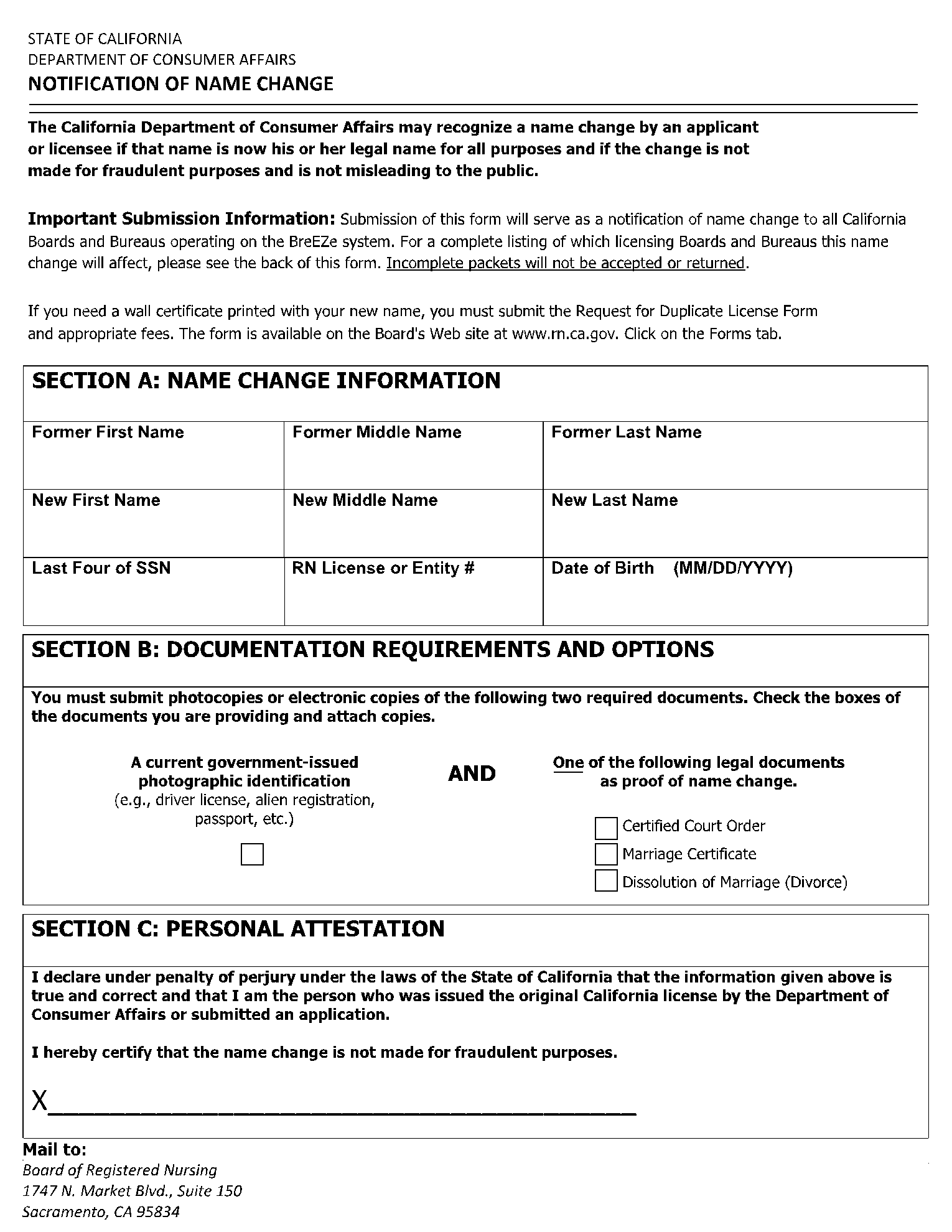
The journey to a new legal name in California typically involves a court order. This process ensures that the change is officially recognized, allowing you to update all your identification and records without future complications. While the core requirements are consistent across the state, specific procedures can vary slightly depending on the county. Therefore, it is always advisable to consult with your local superior court for the most precise guidance relevant to your specific location, whether you reside in the bustling streets of Los Angeles, the tech-centric hub of San Francisco, or the picturesque coastal towns.
The Foundation: Understanding the Process and Eligibility
Before embarking on the legal name change process in California, it’s crucial to understand the fundamental requirements and the general pathway. The most common method involves petitioning the superior court for a name change. This process generally requires you to be at least 18 years old and to have resided in California for at least one year prior to filing your petition. There are specific grounds for name changes, and while most are straightforward, certain situations might have additional considerations.
Eligibility and Legal Requirements
To initiate the legal name change process in California, you must meet certain criteria. As mentioned, being an adult (18 years or older) is paramount. You also need to demonstrate a residency of at least one year in the state. This residency requirement ensures that the court has jurisdiction over your case. The petition is filed in the county where you currently reside.
It’s important to note that a name change cannot be sought for fraudulent purposes, such as evading debts, escaping criminal prosecution, or misrepresenting your identity for deceptive gains. The court will review your petition to ensure the intent is legitimate and not malicious. If you are changing your name due to marriage or divorce, specific procedures and forms may apply, and these are often handled concurrently with the marriage/divorce proceedings rather than as a separate name change petition. However, for all other reasons, the court petition remains the standard route.
Common Reasons for Name Changes
People seek to legally change their name in California for a variety of personal and practical reasons. These can include:
- Personal Preference: Many individuals simply wish to adopt a name that better reflects their identity, feels more authentic, or honors their heritage. This is a common reason for individuals who may have been given a name at birth that they no longer connect with.
- Marriage: While many jurisdictions allow for a spouse to adopt the other’s surname by simply using it on official documents after marriage, a legal name change petition offers definitive legal recognition and ensures smooth transitions for all documentation.
- Divorce: After a divorce, individuals often wish to revert to their maiden name or a previous surname.
- Gender Transition: Individuals undergoing gender transition often legally change their name to align with their gender identity.
- Adoption: For adopted children, a legal name change is often part of the adoption process, formalizing their new identity.
- Correcting Errors: Sometimes, a name change is necessary to correct errors made on birth certificates or other official documents.
- Dissatisfaction with Current Name: Simple dislike of a given name or surname can be sufficient reason for a legal change.
Understanding your motivation will help you navigate the petition process, as the court may ask for the reasoning behind your request.
The Petition Process: Step-by-Step Guidance
The core of a legal name change in California lies in the petition process. This involves completing specific forms, filing them with the court, and adhering to publication and hearing requirements. While the exact forms can be found on your county’s superior court website or at the court clerk’s office, the general steps are consistent.
Filing the Petition and Necessary Forms
The first tangible step is to obtain and complete the necessary legal forms. In California, the primary forms you will likely need are:
- Petition for Change of Name (Form NC-100): This is the main document where you will provide your current name, your desired new name, your address, your date of birth, and the reason for the name change.
- Order to Show Cause for Change of Name (Form NC-120): This document sets a date for a court hearing and requires you to publish notice of your intended name change.
- Decree Changing Name (Form NC-130): This is the final court order that, once signed by the judge, officially changes your name.
You will also need to complete a Civil Case Cover Sheet (Form CM-010) and potentially other local forms depending on your county. Ensure you fill out all forms accurately and legibly. Any mistakes or omissions could delay your case. You can usually find these forms online through the Judicial Council of California or on your local superior court’s website.
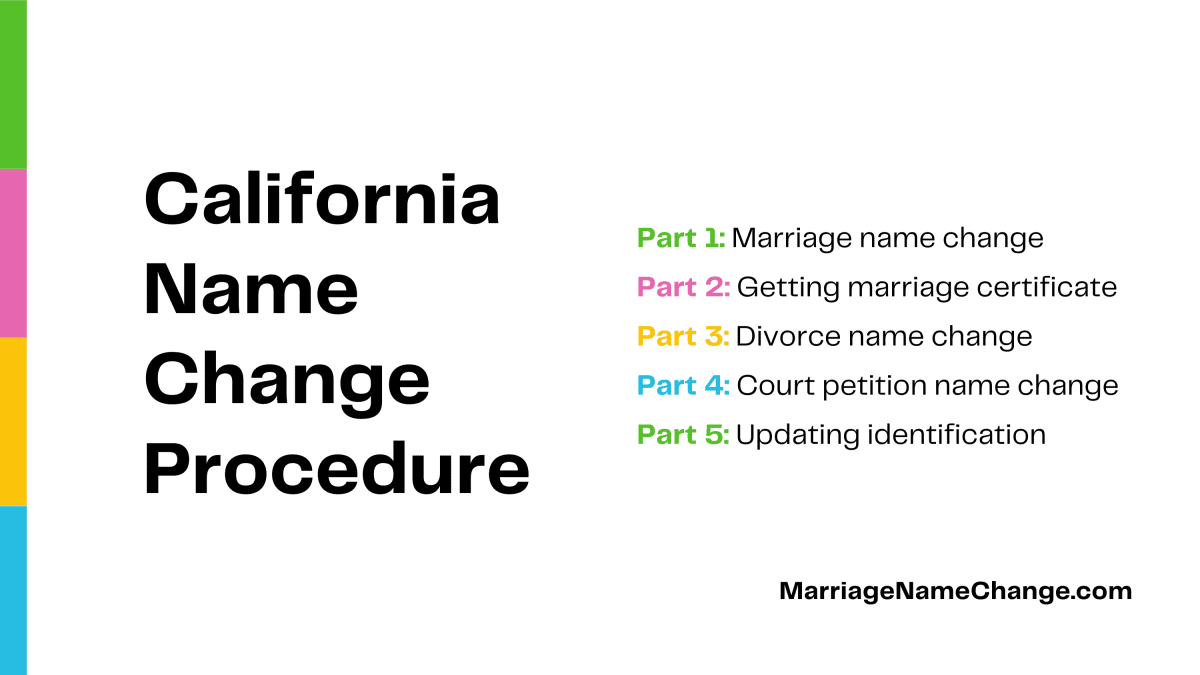
Once completed, you will file these forms with the clerk of the superior court in your county of residence. There will be a filing fee associated with this process. If you cannot afford the fee, you may be eligible to apply for a fee waiver. The clerk will stamp your forms, assign a case number, and schedule a hearing date.
Publication of Notice and Objections
A crucial step in the California name change process is the publication of your intended name change. This is to inform the public of your request and to allow anyone who might object to come forward. The “Order to Show Cause for Change of Name” (Form NC-120) will specify the required publication period and the newspaper where the notice must be published.
You will need to arrange for the notice to be published in a newspaper of general circulation in your county. The newspaper will provide you with a “Proof of Publication” once the notice has run for the required duration. This proof must then be filed with the court. The publication period typically spans several weeks, and the hearing date is scheduled to allow ample time for this to be completed.
During the publication period, anyone who wishes to object to your name change can file an objection with the court. Objections are rare and usually only arise if there is a concern about fraudulent intent or a specific legal impediment. If an objection is filed, you will be notified, and the court may require a more formal hearing to address the concerns.
The Court Hearing
On the date of your scheduled hearing, you must appear before a judge. You will need to bring copies of all your filed documents, including the “Proof of Publication.” The judge will review your petition and the evidence. If there are no objections and all paperwork is in order, the judge will typically grant your petition.
During the hearing, the judge may ask you a few questions to confirm your identity and your reasons for the name change. Be prepared to answer honestly and clearly. If the judge approves your petition, they will sign the “Decree Changing Name” (Form NC-130). This signed decree is the official court order legally changing your name. It is crucial to obtain certified copies of this document from the court clerk, as you will need them for all subsequent steps.
Post-Change: Updating Your Identity and Records
Legally changing your name is just the first part of the journey; the subsequent steps involve updating all your official documents and notifying relevant institutions. This is where the certified copies of your “Decree Changing Name” become invaluable. This phase requires patience and diligence, ensuring every aspect of your identity reflects your new legal name.
Social Security Administration and Driver’s License/ID
The very first and most important step after obtaining your court order is to update your name with the Social Security Administration (SSA). You will need to visit an SSA office with your certified court order and valid identification. Your Social Security card will be updated with your new name, and this information will then be shared with other government agencies.
Following the SSA update, you should visit your local Department of Motor Vehicles (DMV) office to update your driver’s license or state identification card. You will need to present your certified court order, your current driver’s license or ID, and potentially other supporting documents. This is essential for identification purposes when traveling, booking hotels, or engaging in any activity requiring proof of identity.
Passports, Banks, and Other Institutions
Once your Social Security and driver’s license are updated, you can proceed to update your name with other vital institutions. This includes:
- U.S. Department of State for Passport: If you hold a U.S. passport, you will need to apply for a new one with your updated name. The process may vary depending on whether your passport is recently issued or older. You’ll typically need to submit your current passport, the certified court order, and the appropriate application form.
- Banks and Financial Institutions: Inform your bank, credit card companies, and any other financial institutions about your name change. You’ll need to provide them with a certified copy of your court order to update your accounts, checks, and cards.
- Employer and Payroll: Notify your employer so they can update your payroll records, tax forms (W-2, etc.), and employee benefits.
- Voter Registration: Update your voter registration to ensure your ballot is sent to the correct name and address.
- Insurance Providers: Inform your auto, health, and life insurance providers about your name change.
- Utility Companies and Service Providers: Update your name with your internet provider, phone company, and any other service providers.
- Schools and Educational Institutions: If you are a student or have children who are, update their school records.
- Healthcare Providers: Ensure your doctors and healthcare providers have your correct name on file.
- Loyalty Programs and Memberships: Update any loyalty programs, memberships, or subscriptions you may have, including those related to travel or lifestyle brands.
This comprehensive updating process ensures that your legal identity is consistent across all platforms, preventing potential confusion or complications, especially when planning your next adventure, whether it involves exploring the natural beauty of Yosemite National Park or enjoying the vibrant tourism scene in San Diego.
By carefully following these steps, you can successfully navigate the legal name change process in California. While it requires attention to detail and adherence to legal procedures, the outcome is a fully recognized new identity that aligns with your personal journey, allowing you to embrace new experiences and travel with confidence under your chosen name. Remember to always keep certified copies of your court order in a safe place, as they will be your key to unlocking a seamless transition in all aspects of your life.
LifeOutOfTheBox is a participant in the Amazon Services LLC Associates Program, an affiliate advertising program designed to provide a means for sites to earn advertising fees by advertising and linking to Amazon.com. Amazon, the Amazon logo, AmazonSupply, and the AmazonSupply logo are trademarks of Amazon.com, Inc. or its affiliates. As an Amazon Associate we earn affiliate commissions from qualifying purchases.