
Embarking on a journey to change your name in the great state of Texas is a significant step, often prompted by life events such as marriage, divorce, or simply a desire for a fresh start. While the prospect might seem daunting, understanding the legal process is key to a smooth and successful transition. This comprehensive guide, woven through the lens of travel, lifestyle, and memorable experiences, will walk you through the essential steps to legally alter your name in Texas, ensuring you can continue your adventures and daily life with your new identity.
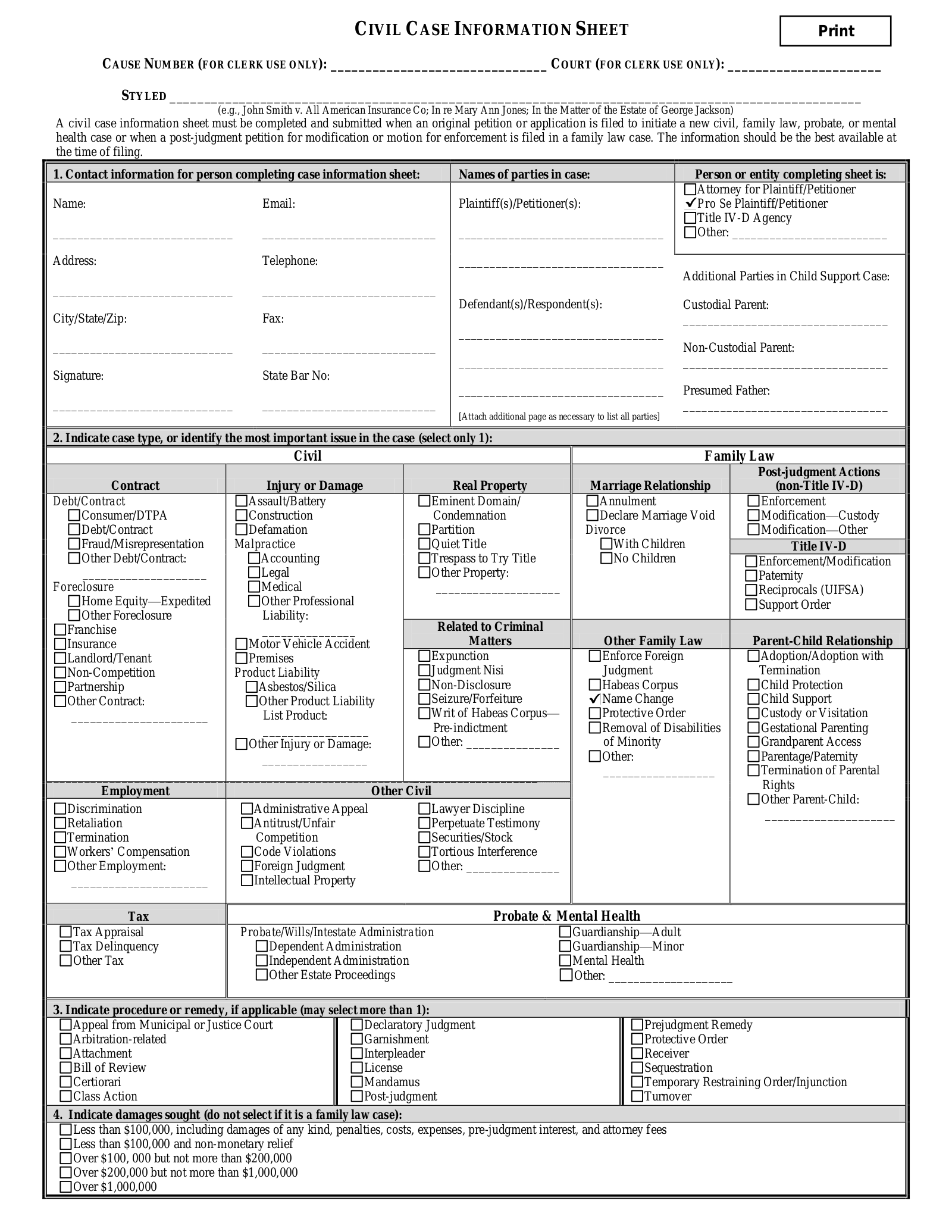
The allure of Texas is undeniable, from the bustling metropolises of Houston and Dallas to the charming historic towns and vast, open landscapes. Whether you’re planning a luxurious escape to a resort in the Hill Country or a cultural immersion in Austin, having your legal documentation reflect your current identity is crucial. This process ensures seamless travel, effortless booking of accommodations, and a clear record for all your life’s experiences.
Understanding the Legal Framework for Name Changes in Texas
In Texas, the primary method for legally changing your name outside of marriage or divorce is through a court order. This involves petitioning a Texas court to grant your name change request. The process is designed to be thorough, ensuring that the change is not made for fraudulent purposes. By understanding the core requirements and the logical flow of the legal proceedings, you can navigate this administrative pathway with confidence.
The Petition for Name Change: Your Formal Request
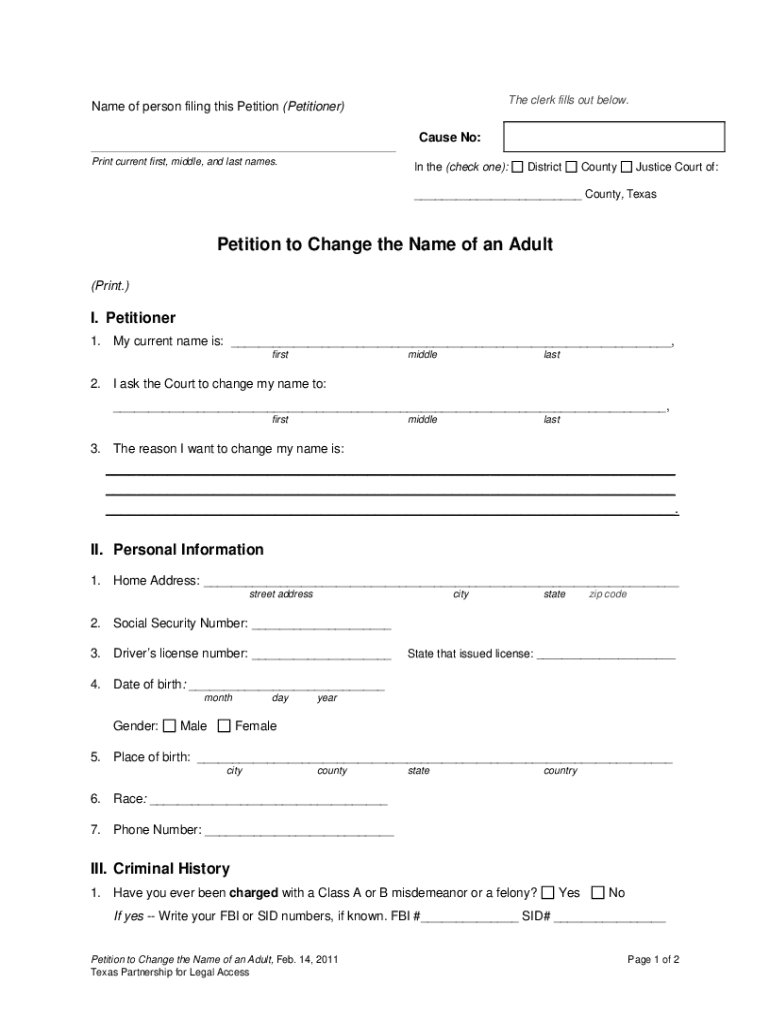
The first formal step in legally changing your name in Texas is to file a “Petition for Change of Name” with the appropriate court. This document is the cornerstone of your request and must contain specific information required by Texas law.
Key Information Required in Your Petition:
- Your Current Name and Requested Name: Clearly state your full legal name as it currently appears on your identification and the full legal name you wish to adopt. This is the most critical piece of information, signifying the transformation you are seeking.
- Your Residential Address and Jurisdiction: You must demonstrate that you reside within the jurisdiction of the court where you are filing. This typically means filing in the county where you have lived for a specified period.
- Grounds for the Name Change: While a simple desire for a new name is often sufficient, you will need to state a reason. Common reasons include wanting to revert to a maiden name after a divorce, adopting a name that better reflects your identity, or choosing a name for personal reasons. Importantly, the petition must affirm that the name change is not being sought to defraud creditors or for any other illegal purpose.
- Criminal History and Civil Litigation: You will be required to disclose any felony convictions or ongoing civil litigation. This is a standard part of the process to prevent individuals from changing their names to evade legal responsibilities.
- Other Required Declarations: The petition will also include declarations that you are of sound mind and that you understand the implications of a legal name change.
Gathering the necessary documentation to support your petition is crucial. This might include your birth certificate, existing identification documents, and any relevant court orders (such as a divorce decree if applicable). Precision in filling out this petition is paramount; any errors or omissions could lead to delays or even the rejection of your request. Think of this as preparing your itinerary for a significant trip – every detail matters for a smooth journey.
Navigating the Court Process: Hearings, Notifications, and Final Orders
Once your Petition for Name Change is filed, the court process typically involves several stages, designed to ensure transparency and due process. Understanding these steps will help you prepare for what lies ahead.
Publication Requirements: Informing the Public
In many instances, Texas law requires that you publish a notice of your intended name change in a local newspaper. This publication requirement serves as a public notification, allowing anyone who might have a valid objection to your name change to come forward. The specifics of the publication, including the newspaper chosen and the duration of the publication, are governed by state law and court rules. You will typically need to file proof of this publication with the court. This step is akin to announcing your travel plans to ensure everyone is aware of your new direction.
The Court Hearing: Presenting Your Case
After the publication period has passed and assuming no valid objections are raised, your case will be scheduled for a court hearing. This hearing is your opportunity to present your case to the judge. While many name change hearings are straightforward and brief, especially when there are no objections, it’s important to be prepared. The judge will review your petition, the supporting documents, and proof of publication. They may ask you questions to confirm your identity, your reasons for the name change, and to ensure you understand the legal ramifications.
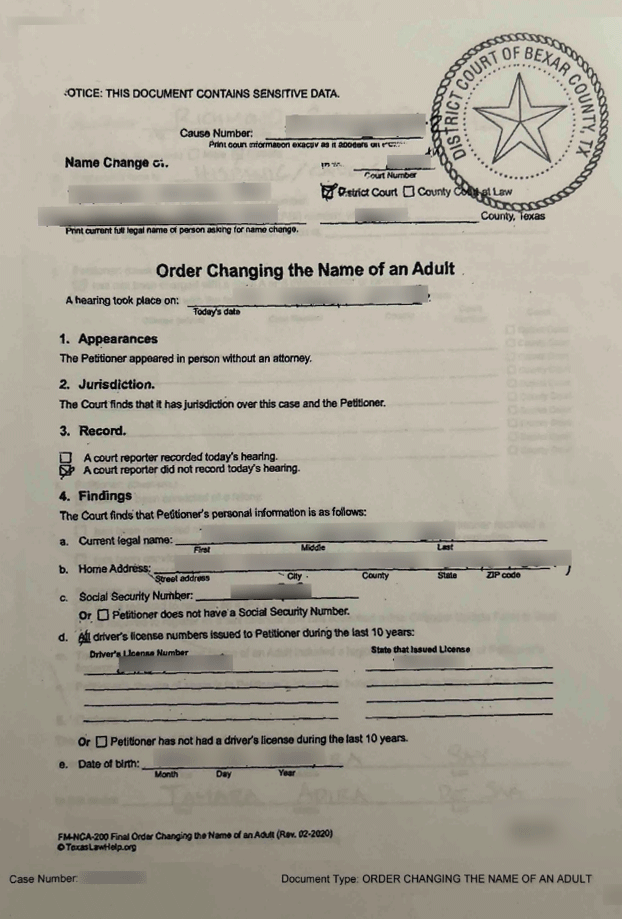
If the judge approves your request, they will sign a “Final Decree of Name Change.” This document is the official court order that legally changes your name. It is essential to obtain a certified copy of this decree, as it will be required for updating your identification and other important records. Think of this decree as your new passport – the official document validating your identity for all your future endeavors.
Updating Your Identity: Practical Steps After Your Name Change
Receiving your Final Decree of Name Change is a momentous occasion, marking the legal completion of your name change. However, the journey doesn’t end there. The crucial next step involves updating your name on all your official documents and records. This is where your new identity truly comes to life in the practicalities of daily living and your future travels.
Essential Documentation Updates: Your New Identity in Action
The certified copy of your Final Decree of Name Change is your golden ticket to updating your identity. You will need this document to officially change your name with various government agencies and private institutions.
Key Agencies and Institutions to Notify:
- Social Security Administration (SSA): This is typically the first and most important agency to update. You will need to visit a local SSA office with your certified court order and proof of identity (such as your updated birth certificate, if applicable, or other government-issued ID) to get a new Social Security card with your new name. This is a fundamental step that impacts numerous other processes.
- Department of Public Safety (DPS) – Driver’s License/ID: After updating your Social Security record, you can visit a Texas DPS office to get a new driver’s license or state identification card. You will need your certified court order and your updated Social Security card or proof of the update. A new driver’s license is crucial for travel, whether you’re renting a car in San Antonio or boarding a flight from Dallas/Fort Worth International Airport.
- U.S. Department of State – Passport: If you have a U.S. passport, you will need to apply for a new one with your updated name. You can do this by mail or in person, depending on your circumstances, and will need to submit your certified court order and your old passport. This is essential for international travel, ensuring your passport aligns with your new legal identity. Imagine trying to board a flight to Cancun with mismatched documentation – it’s a travel nightmare you want to avoid!
- Voter Registration: Update your voter registration to ensure your ballot is cast under your correct legal name.
- U.S. Postal Service: Inform your local post office of your name change to ensure mail is delivered to you correctly.
- Financial Institutions: This includes banks, credit card companies, investment firms, and loan providers. You will need to present your certified court order to update your accounts.
- Employer and Payroll: Notify your employer of your name change so your paychecks and employment records are accurate.
- Health Insurance Providers and Healthcare Professionals: Update your insurance and inform your doctors and dentists.
- Educational Institutions: If you are a student or alumnus, update your records with schools and universities.
- Other Important Records: This can include utility companies, professional licenses, vehicle titles, and any other official documentation where your name is recorded.
The process of updating all these records can be time-consuming, so it’s advisable to create a checklist and work through it systematically. Think of it as packing for a long-term stay in a new destination – you need to ensure you have everything you need for comfort and functionality.
Considerations for Special Circumstances and Ongoing Lifestyle
While the general process for a legal name change in Texas is consistent, there are specific considerations depending on your personal circumstances and how you envision your lifestyle evolving with your new name.
Name Changes Related to Marriage and Divorce: Streamlined Processes
For those changing their name due to marriage or divorce, the process is often simpler.
- Marriage: When you get married in Texas, your marriage license application typically includes a section where you can indicate your intention to change your surname. The certified copy of your marriage certificate then serves as the legal document to change your name with agencies like the SSA and DPS. This streamlined process allows you to seamlessly adopt your spouse’s surname or a hyphenated name.
- Divorce: If you wish to return to your maiden name or a former surname after a divorce, this is usually addressed within the divorce decree itself. The court order granting the divorce will often specify the name change, and a certified copy of the divorce decree will serve as your legal document for updating your identity. This offers a practical solution for individuals seeking to revert to a name they previously used.
Lifestyle Impacts: Travel, Leisure, and Identity
A legal name change can have subtle yet significant impacts on your lifestyle, particularly when it comes to travel and personal identification.
- Travel: Having your legal documents accurately reflect your name is paramount for all forms of travel. This includes domestic flights, international trips, and even cruises. When booking hotels or accommodations, ensure your booking name matches your new legal name. A discrepancy could lead to complications at check-in, at airport security, or when trying to access attractions. For those who love exploring landmarks or experiencing local culture, a consistent identity simplifies every interaction. Whether you’re planning a luxurious family trip or a budget-friendly adventure, ensuring your documentation is in order is the first step to a stress-free journey.
- Personal Identity: Beyond the legalities, a name change can be a deeply personal and empowering experience. It can signify a new chapter, a shedding of the past, or the embrace of an identity that feels more authentic. This aligns with the broader concept of lifestyle, where personal choices shape our daily realities and aspirations. The ability to travel freely, book resorts with ease, and engage with the world under your chosen name allows for a more genuine and unburdened experience of life’s diverse offerings.
In conclusion, legally changing your name in Texas requires a structured approach, starting with a formal petition to the court and culminating in the meticulous updating of all your personal and official records. By understanding each step and its implications, you can navigate this process with clarity and efficiency, ensuring that your new identity is recognized across all aspects of your life, from your daily routines to your most memorable travel adventures.
LifeOutOfTheBox is a participant in the Amazon Services LLC Associates Program, an affiliate advertising program designed to provide a means for sites to earn advertising fees by advertising and linking to Amazon.com. Amazon, the Amazon logo, AmazonSupply, and the AmazonSupply logo are trademarks of Amazon.com, Inc. or its affiliates. As an Amazon Associate we earn affiliate commissions from qualifying purchases.