
The thrill of travel and exploring new destinations often comes with the expectation of comfortable and restful nights. Whether you’re settling into a luxurious resort in the Maldives, a charming boutique hotel in Paris, or a practical apartment in New York City, a good night’s sleep is paramount. However, the thought of unwanted hitchhikers – bed bugs – can cast a shadow over even the most idyllic vacation. These tiny nocturnal insects are a persistent problem in the hospitality industry worldwide, and encountering them can lead to itchy bites, discomfort, and a ruined travel experience. Fortunately, with a bit of knowledge and a systematic approach, you can significantly reduce your risk of bringing these unwelcome guests home with you. This guide will equip you with the essential steps to inspect your hotel room for bed bugs, ensuring your accommodation remains a sanctuary, not a breeding ground.

Understanding the Bed Bug Threat and Your Inspection Strategy
Before diving into the inspection process, it’s crucial to understand what you’re looking for. Bed bugs are small, oval, reddish-brown insects, about the size of an apple seed, that feed on the blood of humans and animals. While they don’t transmit diseases, their bites can cause significant itching and allergic reactions in some individuals. They are masters of hiding, preferring to dwell in dark, secluded places close to where people sleep. This makes hotel rooms – with their numerous cracks, crevices, and upholstered furniture – ideal habitats.
Your inspection strategy should be thorough and systematic. Don’t just glance around; actively seek out signs of their presence. The key is to examine the most likely hiding spots, focusing on areas where bed bugs would congregate. This proactive approach is your first line of defense against an infestation. Remember, early detection is key. If you find evidence of bed bugs, you should immediately notify the hotel management and request a different room, preferably one on a different floor and far away from the suspected infested area.
Common Hiding Spots: Where Bed Bugs Like to Roost
Bed bugs are drawn to warmth, darkness, and proximity to their food source (you). They are excellent climbers and can navigate their way into even the smallest of spaces. Therefore, your inspection should prioritize the areas where they are most likely to hide and breed.
The Mattress: Your First and Foremost Focus
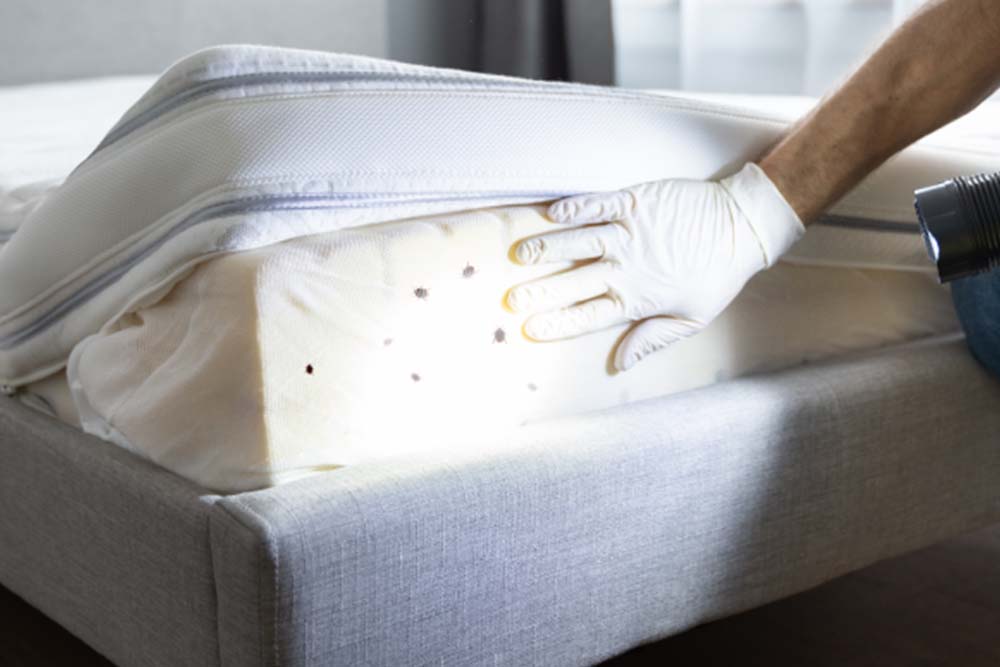
The mattress is the primary habitat for bed bugs, as it’s closest to where you’ll be sleeping. Start your inspection here, paying close attention to the seams, tufts, and any labels or tags.
- Mattress Seams and Tufted Buttons: Run your fingers along the edges of the mattress, feeling for any small, dark, reddish-brown spots that might be dried blood or fecal matter. Inspect the tufted buttons, as these are common hiding places. Look for tiny, pearl-like eggs or the bugs themselves.
- Mattress Labels and Tags: Bed bugs often hide under the labels and tags that are sewn onto the mattress. Carefully lift these and peer underneath.
- Pillows: Don’t forget your pillows. Inspect the seams and any decorative piping. Like the mattress, check for tiny spots of blood or fecal matter.
Beyond the Mattress: Expanding Your Search
While the mattress is the most critical area, bed bugs are not confined to it. They can spread to other parts of the bed and the room itself.
- Box Spring: The underside of the box spring is another prime hiding spot. Turn it over or lift it if possible and inspect the entire surface, especially the corners and any seams. Look for the same signs as on the mattress.
- Headboard: The headboard is often attached to the wall and can have numerous crevices where bed bugs can hide. Carefully inspect the back and sides of the headboard, as well as where it meets the wall. This is a particularly common area for infestations.
- Bed Frame and Bed Skirts: Examine the entire bed frame, including any joints, crevices, or decorative elements. If the bed has a bed skirt, lift it and inspect the underside of the mattress and the frame that it covers.
- Nightstands and Furniture: Bed bugs can also hide in the drawers, joints, and underneath nightstands, dressers, and other furniture items in the room. Pull out drawers and inspect their interior and the space behind them. Check any upholstered furniture, like chairs or sofas, for signs of infestation, especially in the seams and under cushions.
- Electrical Outlets and Wall Hangings: In more severe infestations, bed bugs can venture further from the bed. Look around electrical outlets, light switches, and behind any pictures or art hanging on the walls. They may also hide in the seams of curtains or behind loose wallpaper.
Identifying the Evidence: What to Look For
Successfully identifying bed bugs requires knowing what signs to look for. It’s not always as simple as spotting the insect itself, especially when they are small or have recently fed.
Physical Signs of Bed Bugs
- Live Bed Bugs: Adult bed bugs are about ¼ inch long, oval-shaped, and reddish-brown. They may appear darker after feeding. Nymphs (young bed bugs) are smaller and can be translucent or yellowish.
- Bed Bug Eggs: These are tiny (about 1 mm), pearl-white, and often found in clusters in crevices. They are very difficult to spot with the naked eye.
- Bed Bug Fecal Spots: These are small, dark, reddish-brown or black spots, often found in clusters. They are essentially digested blood and can bleed if wiped with a wet cloth, similar to ink.
- Shed Skins (Exuviae): As bed bugs grow, they molt their exoskeletons. These shed skins are translucent and will resemble the shape of a bed bug. Finding these indicates that the bugs have been present for some time and have gone through their life cycle.
- Blood Stains: Small, rusty or reddish stains on the sheets, mattress, or nearby surfaces can indicate that a bed bug was crushed after feeding, or that you have been bitten and bled.

What to Bring for Your Inspection
While most hotel rooms are well-maintained, it’s always wise to be prepared. A small flashlight can be incredibly helpful for illuminating dark crevices and corners. Some travelers also bring a magnifying glass for a closer look at suspicious spots.
Your diligence in inspecting your hotel room is an essential part of smart travel. By knowing where to look and what to look for, you can significantly improve your chances of having a comfortable and bite-free stay, allowing you to fully enjoy your travel experiences and the unique attractions and local culture of your chosen destination. Whether you’re visiting Disneyland or exploring the historic streets of Rome, a proactive approach to accommodation safety ensures your focus remains on the adventure, not on the potential for unwelcome guests.
LifeOutOfTheBox is a participant in the Amazon Services LLC Associates Program, an affiliate advertising program designed to provide a means for sites to earn advertising fees by advertising and linking to Amazon.com. Amazon, the Amazon logo, AmazonSupply, and the AmazonSupply logo are trademarks of Amazon.com, Inc. or its affiliates. As an Amazon Associate we earn affiliate commissions from qualifying purchases.