
For anyone considering a move to the Lone Star State, investing in a vacation rental, or even just planning a long-term stay in one of its vibrant cities, understanding property taxes is a crucial component of financial planning. Texas is celebrated for its diverse landscapes, from the bustling urban cores of Houston and Dallas to the serene beauty of the Texas Hill Country and the coastal charm of Galveston. While there’s no state income tax, property taxes play a significant role in the overall cost of living and owning property here. For savvy individuals who appreciate intelligent lifestyle choices, whether it’s investing in a dream vacation home or settling down in a dynamic new locale, knowing how to navigate and potentially lower your property tax burden is an invaluable skill. This guide will delve into the intricacies of Texas property taxes and equip you with the knowledge to optimize your financial well-being, allowing you to focus more on enjoying the rich experiences Texas has to offer.

Navigating the Texas Property Tax Landscape for Savvy Travelers and Investors
Texas’s property tax system is unique, largely due to the absence of a state income tax. This means that local governments – including counties, cities, school districts, and special districts – rely heavily on property taxes to fund public services. For those exploring Texas as a potential destination for long-term accommodation, a second home, or an investment in the burgeoning vacation rental market, understanding this system is paramount. The appeal of cities like Austin, with its vibrant music scene and tech industry, or San Antonio, rich in history with its iconic Alamo and picturesque River Walk, often comes with a consideration of property ownership costs. Similarly, acquiring a charming villa in Fredericksburg or a beachfront apartment in South Padre Island for personal use or as an income-generating asset requires a clear grasp of tax implications.
Understanding Texas’ Unique Property Tax System
In Texas, property taxes are locally assessed and collected. The process begins with your local appraisal district determining the market value of your property as of January 1st each year. This appraised value, minus any exemptions, forms the basis for your tax bill. Various taxing units then apply their individual tax rates to this assessed value. These rates can vary significantly from one jurisdiction to another. For example, a property in an affluent suburb like The Woodlands might face different rates and values compared to a historic home in El Paso. This decentralized system means that thorough research into specific locations is essential for anyone considering a property purchase, whether it’s a cozy boutique hotel investment or a family home near top-rated schools in Plano. The goal isn’t just to find a great property, but also to find one where the overall cost of ownership aligns with your lifestyle and financial goals.
Key Strategies to Reduce Your Property Tax Burden
Proactive management of your property taxes can lead to substantial savings over time, freeing up funds for more memorable travel experiences, upgrading your accommodation, or enhancing your daily lifestyle. Several key strategies are available to Texas property owners.
The Power of Homestead Exemptions
One of the most effective ways to lower your property tax bill in Texas is by applying for a Homestead Exemption. If your property is your primary residence, you are likely eligible. This exemption reduces the appraised value of your home, thereby lowering the taxable amount. The State of Texas mandates a general residence homestead exemption for school district taxes, and many local taxing units, such as cities and counties, also offer optional homestead exemptions.
For example, qualifying for a homestead exemption in Fort Worth or Corpus Christi means a significant portion of your home’s value is exempted from taxation by the school district, and potentially by the city and county as well. This is particularly beneficial for those looking to make Texas their permanent home, as it directly impacts their annual cost of living. Beyond the general exemption, additional exemptions are available for specific groups. Seniors (aged 65 or older) and individuals with disabilities can apply for further exemptions, which not only reduce the appraised value but also provide a tax ceiling for school district taxes, ensuring their tax bill doesn’t increase beyond a certain point regardless of rising property values. This offers invaluable financial stability for those planning retirement or long-term care in the state.
Mastering the Property Tax Appraisal Protest
Every year, your local appraisal district sends out a Notice of Appraised Value. This is your opportunity to review their assessment of your property’s market value. Many property owners, especially those new to Texas or busy with travel plans, overlook this notice, but it’s a critical document. If you believe the appraised value is too high, you have the right to protest it. The process typically involves filing a notice of protest with your appraisal district by a specific deadline (usually May 15th or 30 days after the notice is mailed, whichever is later).
To successfully protest, you’ll need evidence. This often includes:
- Comparable Sales (Comps): Recent sales of similar properties in your neighborhood that sold for less than your appraised value. Websites and real estate agents can often assist in finding this data.
- Property Condition: Evidence of damage, needed repairs, or obsolescence that negatively impacts your home’s value.
- Inequity: Proof that your property is appraised at a higher value than similar properties in your neighborhood.
The protest process usually begins with an informal review with an appraisal district staff member. If an agreement isn’t reached, you can proceed to a formal hearing before the Appraisal Review Board (ARB). Preparing thoroughly for this hearing can make a substantial difference. For individuals owning vacation rentals in popular destinations like Port Aransas or Grapevine, maintaining detailed records of property conditions and local market values is crucial for maximizing profitability by minimizing tax overheads.
Exploring Specialized Exemptions and Freezes
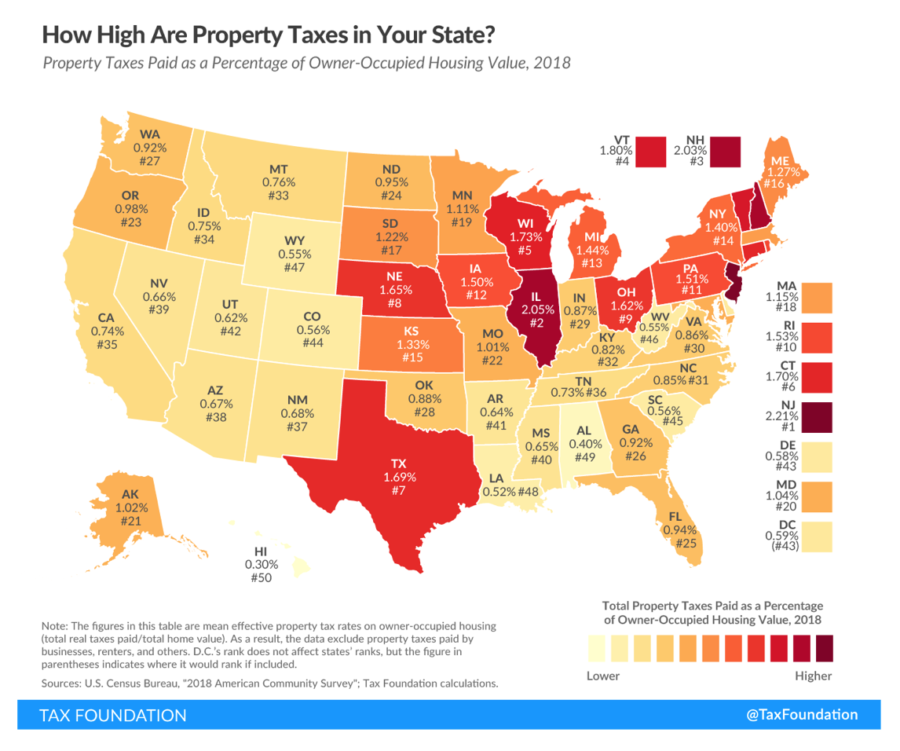
Beyond the homestead and general senior/disabled exemptions, Texas offers other avenues for tax relief.
- Over-65 and Disabled Person Tax Ceilings: As mentioned, these exemptions not only reduce the taxable value but also ‘freeze’ the school district taxes at the level they were when you qualified, providing immense financial predictability for seniors and disabled individuals. Many cities and counties also offer tax ceilings to these groups, though it’s not mandated.
- Agricultural and Wildlife Management Exemptions: If you own a significant parcel of land and use it primarily for agricultural purposes (e.g., farming, ranching, timber production) or for wildlife management (e.g., preserving endangered species habitat), you may qualify for a “1-d-1” (open-space) agricultural appraisal. This appraises the land based on its capacity to produce agricultural products rather than its market value for development. While often associated with large ranches, smaller parcels can sometimes qualify. This is particularly relevant for those who dream of a rural Texas lifestyle or wish to invest in land near attractions like Big Bend National Park or Guadalupe Mountains National Park with a sustainable focus.
- Disabled Veteran Exemptions: Veterans who have a service-connected disability are eligible for exemptions ranging from $5,000 to $12,000 off the appraised value of their home, depending on their disability rating. A 100% disabled veteran may even qualify for a total property tax exemption on their homestead.
These specialized exemptions cater to various life circumstances and land uses, showcasing Texas’s commitment to supporting its residents. Understanding eligibility for these programs can significantly impact your property ownership costs and enhance your quality of life in Texas.
Strategic Property Ownership and Lifestyle Choices in Texas
The allure of Texas extends far beyond its low cost of living relative to other major U.S. states. Its booming economy, diverse job market, and rich cultural tapestry make it a magnet for residents, tourists, and investors alike. However, the decision to purchase property, whether it’s a primary residence, a vacation getaway, or an income-generating asset, must be informed by a holistic understanding of the local economic landscape, where property taxes play a significant role. For those who view property as an integral part of their lifestyle or investment portfolio, integrating tax considerations into their decision-making is paramount.
Investing in Texas: Vacation Rentals, Second Homes, and Relocation
Texas’s booming tourism industry makes it an attractive market for vacation rentals and second homes. From the sun-drenched beaches of South Padre Island to the artistic enclaves of Marfa and the scenic vineyards of Fredericksburg, there are countless opportunities for those seeking to invest in accommodation. However, unlike a primary residence, second homes and vacation rentals generally do not qualify for a homestead exemption. This means their full appraised value is subject to property taxes, making the annual appraisal protest even more critical for these types of properties.
Investors eyeing the vibrant short-term rental market in cities like Austin or Dallas must factor in property tax rates as a major operational expense. High property taxes can significantly impact the return on investment (ROI) for these properties. Therefore, when researching potential investment locations, it’s not enough to simply look at purchase prices and rental income projections; a deep dive into historical and projected property tax rates for that specific school district, city, and county is essential. Some investors may find it more advantageous to purchase in areas with lower tax rates, even if the property value is slightly higher, to achieve better long-term profitability. For those relocating, understanding the property tax implications of different neighborhoods within a city like Houston or San Antonio can guide decisions on where to settle, influencing everything from housing affordability to access to local amenities.
Planning Your Texas Experience: From Short Stays to Permanent Residences
For the discerning traveler, Texas offers an array of experiences, from exploring the historical significance of the Sixth Floor Museum in Dallas to marveling at space exploration at Space Center Houston, or enjoying the natural beauty of Palo Duro Canyon State Park. For those considering an extended stay, or even a permanent relocation, property taxes subtly influence the entire lifestyle proposition.
If you are a digital nomad considering an extended period in McKinney or Ennis, understanding the local tax structure can inform your long-term accommodation choices. While short-term rentals are typically unaffected by property taxes on a direct consumer level, the underlying cost of ownership for the proprietor can influence rental prices. For those looking to retire in Texas, the significant benefits of the Over-65 tax ceiling and additional homestead exemptions make property ownership a more financially viable and predictable option. This financial foresight allows individuals to budget more effectively for travel, dining, and cultural experiences, rather than being caught off guard by escalating tax bills. Making informed decisions about where to live, whether in a bustling city or a tranquil rural setting, requires appreciating how property taxes contribute to the overall cost of living and, by extension, the quality of your Texas lifestyle.
Proactive Management and Continuous Review
Lowering property taxes in Texas is not a one-time event; it’s an ongoing process that requires vigilance and proactive engagement. The real estate market is dynamic, and property values can fluctuate annually, leading to corresponding changes in your tax assessments. Therefore, maintaining an active role in managing your property tax obligations is crucial for long-term financial health and peace of mind.

Staying Informed with Your Appraisal District
Your local county appraisal district is the primary authority for property valuations. It is your best resource for understanding your property’s assessment and available exemptions. Regularly visiting their website or contacting their office can provide you with crucial information.
- Review Your Notice of Appraised Value Annually: Do not simply file it away. Open it, review the appraised value, and compare it with what you believe your property is worth.
- Understand Tax Rates: Taxing entities (cities, counties, school districts, etc.) hold public hearings to set their tax rates. Staying informed about these rates can help you anticipate changes to your tax bill.
- Verify Exemptions: Ensure all applicable exemptions (homestead, senior, disabled, veteran, agricultural) are correctly applied to your property. Mistakes happen, and it’s your responsibility to catch them.
- Document Everything: Keep meticulous records of all communications with the appraisal district, evidence used in protests, and any improvements or damages to your property. This documentation will be invaluable if you need to protest your appraisal in subsequent years.
By staying engaged and informed, Texas property owners can effectively challenge unfair appraisals, capitalize on available exemptions, and ultimately lower their property tax burden. This proactive approach ensures that more of your hard-earned money can be directed towards enjoying the rich culture, diverse attractions, and luxurious lifestyle options that Texas so generously provides.
In conclusion, navigating the property tax system in Texas requires a blend of knowledge, diligence, and strategic planning. Whether you’re a seasoned investor, a traveler seeking long-term accommodation, or someone considering making Texas your permanent home, understanding how to effectively manage and potentially lower your property taxes is a vital aspect of smart financial living. By leveraging homestead exemptions, mastering the appraisal protest process, and exploring specialized relief programs, you can significantly reduce your tax obligations. This not only frees up resources for enjoying the incredible travel destinations and lifestyle experiences across the state but also ensures that your investment in Texas property remains a rewarding and sustainable venture. Embrace the opportunities, stay informed, and enjoy the journey of smart property ownership in the heart of the Lone Star State.
LifeOutOfTheBox is a participant in the Amazon Services LLC Associates Program, an affiliate advertising program designed to provide a means for sites to earn advertising fees by advertising and linking to Amazon.com. Amazon, the Amazon logo, AmazonSupply, and the AmazonSupply logo are trademarks of Amazon.com, Inc. or its affiliates. As an Amazon Associate we earn affiliate commissions from qualifying purchases.