
Maintaining the ideal water chemistry in a spa is paramount to ensuring a safe, enjoyable, and effective spa experience. One of the most crucial parameters to monitor is the pH level. When the pH of your spa water is too high, it can lead to cloudy water, scale formation, and reduced effectiveness of sanitizers like chlorine or bromine. This article will delve into the importance of proper spa pH, common reasons for high pH, and detailed methods for lowering it, all within the context of enhancing your overall spa and lifestyle experience.
Understanding Spa pH and Its Importance
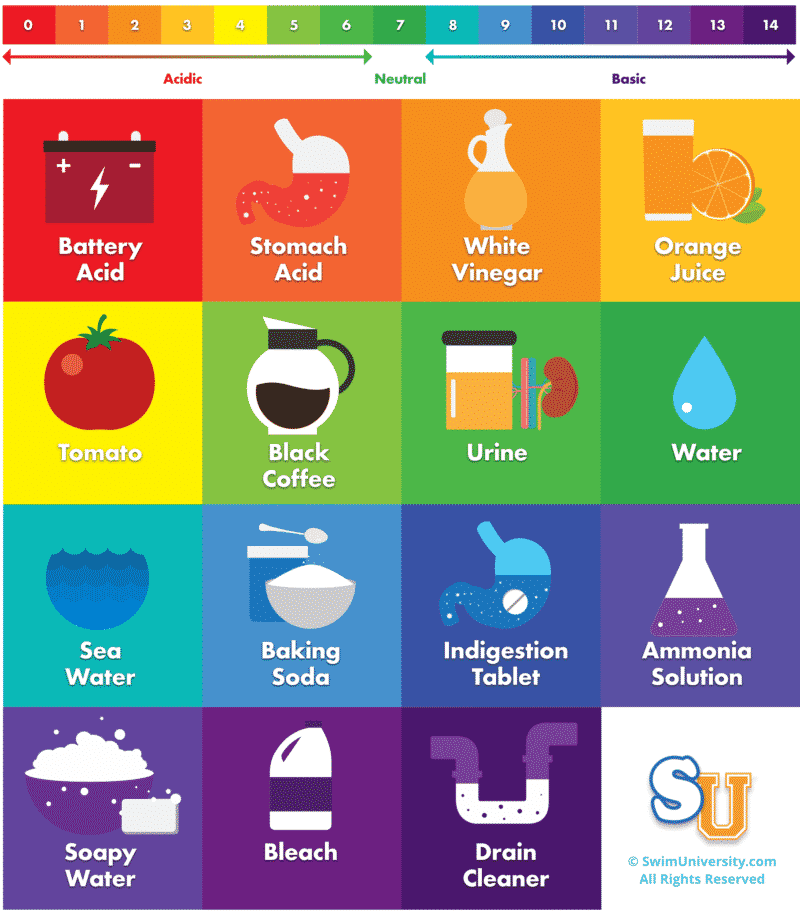
The pH scale measures how acidic or basic a substance is, ranging from 0 to 14. A pH of 7 is considered neutral. For spa water, the ideal pH range is typically between 7.2 and 7.8. This range is crucial for several reasons, directly impacting the quality of your spa and the health of its users.

The Impact of pH on Spa Water Quality
When your spa’s pH is elevated, several issues can arise. High pH can cause calcium carbonate to precipitate out of the water, leading to the formation of unsightly and damaging scale on spa surfaces, heaters, and jets. This scaling not only detracts from the aesthetic appeal of your spa but can also lead to costly repairs. Furthermore, high pH significantly reduces the efficacy of your chosen sanitizer. For instance, if you use chlorine to sanitize your spa, high pH levels mean that less of the chlorine is in its active, disinfecting form, rendering it less effective at killing bacteria and other harmful microorganisms. This compromises the safety of your spa water, making it a breeding ground for germs.
The Influence on User Comfort and Health
Beyond the operational aspects, spa pH directly affects user comfort and health. Water with a high pH can feel “slippery” or “soapy,” which is an unpleasant sensation. More importantly, it can irritate the skin, eyes, and respiratory system. If you’ve ever experienced red eyes or itchy skin after a spa session, an imbalanced pH is often the culprit. Maintaining the correct pH ensures that the water feels soft and refreshing against your skin, enhancing the therapeutic benefits of your spa. This is particularly important for individuals who use their spa for relaxation and wellness, aligning with a lifestyle focused on self-care and luxury.
Common Causes of High Spa pH
Understanding why your spa’s pH might be creeping up is the first step in effectively managing it. Several factors contribute to an increase in spa water pH, and recognizing these can help you implement preventative measures.
Bather Load and Contaminants
The most common contributor to high pH is the bather load. When people enter the spa, they bring with them various substances from their skin, hair, and swimwear. Sweat, oils, lotions, and cosmetics can all introduce alkaline compounds into the water, gradually increasing the pH. Additionally, organic matter from the environment, such as leaves or dirt, can also contribute to pH imbalance. The more people use the spa, and the more frequently it is used, the greater the impact these contaminants will have on the water chemistry.
Alkalinity and Water Source
Total alkalinity plays a significant role in buffering pH, acting as a first line of defense against pH fluctuations. If your spa’s total alkalinity is too high, it can make it more difficult to lower the pH, even with the addition of pH decreasers. High alkalinity essentially resists changes to pH. The source of your fill water can also influence initial pH levels. If you are filling your spa with water from a municipal supply or a well that is naturally alkaline, this will contribute to a higher starting pH. Testing your source water’s pH and alkalinity before filling can provide valuable insight.
Chemical Additives and Aeration
The type and amount of chemicals you use to maintain your spa can also impact pH. Some sanitizers or shock treatments, particularly those that are alkaline-based, can cause a temporary or even sustained rise in pH. Over-sanitizing or using incorrect dosages can exacerbate this. Furthermore, excessive aeration from the spa jets can also contribute to an increase in pH. While aeration is essential for circulating water and introducing oxygen for sanitization, prolonged or intense aeration can drive off dissolved carbon dioxide, a process that increases alkalinity and consequently pH.
Steps to Lower Spa pH
Lowering your spa’s pH is a straightforward process, but it requires careful attention to chemical handling and gradual adjustments. The most common and effective way to lower pH is by using a pH decreaser, which is typically a mild acid.
Using pH Decreaser (Acid)
The most effective method for lowering spa pH is by adding a pH decreaser, commonly known as muriatic acid (a diluted form of hydrochloric acid) or sodium bisulfate. These chemicals are acidic and will neutralize the alkalinity in the water, thereby lowering the pH.
Measuring and Adding the Decreaser
1. Test Your Water: Before adding any chemicals, it’s crucial to accurately test your spa’s current pH level. Use a reliable test kit, such as a liquid reagent kit or test strips, to get a precise reading.
2. Calculate the Dosage: The amount of pH decreaser needed will vary depending on the volume of your spa water and how high the pH is. Always refer to the product manufacturer’s instructions for specific dosage recommendations. It’s generally safer to start with a smaller dose than you think you might need and make adjustments gradually. A common starting point might be 1-2 fluid ounces for a 500-gallon spa for a moderate pH adjustment.
3. Dilute and Distribute: Never add concentrated acid directly to your spa. Always dilute the pH decreaser with water in a clean plastic bucket. Pour the diluted solution slowly around the perimeter of the spa water with the pumps running. This ensures even distribution and prevents concentrated acid from settling on the spa surfaces, which could cause damage.
4. Circulate and Retest: Allow the spa’s circulation system to run for at least 30-60 minutes after adding the chemical. This ensures thorough mixing. After circulation, retest the pH level. It’s important to wait for the water to circulate fully before retesting to get an accurate reading.
5. Repeat if Necessary: If the pH is still too high, repeat the process, adding smaller increments of the pH decreaser and allowing for circulation and retesting each time. It’s better to make several small adjustments than one large one, which can lead to overshooting your target pH.
Safety Precautions
When handling spa chemicals, especially acids, safety is paramount. Always wear appropriate personal protective equipment, including chemical-resistant gloves and eye protection. Never mix different spa chemicals together, as this can create dangerous fumes or reactions. Store chemicals in a cool, dry, and well-ventilated area, out of reach of children and pets.
Adjusting Total Alkalinity
While directly lowering pH is the primary goal, it’s also essential to monitor and manage total alkalinity. If your total alkalinity is excessively high, it will resist pH changes.
Understanding the Relationship
Total alkalinity acts as a buffer for pH. It determines the water’s ability to resist changes in pH. Ideal total alkalinity for a spa is typically between 80-120 ppm (parts per million). If your alkalinity is too high, lowering it can make it easier to manage your pH.
Lowering Total Alkalinity
Similar to lowering pH, you can use a pH decreaser to lower total alkalinity. The process is the same: dilute the chemical, add it gradually with the pumps running, and allow for circulation before retesting. However, note that lowering alkalinity also lowers pH, so you will be addressing both parameters simultaneously. If your primary concern is lowering a very high pH, focusing on the pH decreaser will likely also bring down your alkalinity.
Alternative and Preventative Measures
While chemical adjustments are the most direct way to lower pH, several practices can help prevent it from rising in the first place.
Regular Water Testing and Maintenance
Consistent water testing is key. Ideally, test your spa water daily or at least several times a week, especially if the spa is in frequent use. This allows you to catch pH fluctuations early before they become significant problems. Regular draining and refilling of your spa water, as recommended by the manufacturer (often every 3-4 months), also helps to reset water chemistry and remove accumulated contaminants.
Managing Bather Load and Hygiene
Encourage bathers to shower before entering the spa to rinse off lotions, oils, and sweat. Keeping the spa covered when not in use will prevent debris from entering the water. Reducing excessive aeration, if possible, can also help maintain pH stability. If you find your pH consistently rises quickly, it might be worth investigating alternative sanitization methods or shock treatments that are less alkaline.
By following these steps and understanding the underlying principles of spa water chemistry, you can effectively manage your spa’s pH levels. This will not only protect your investment in your spa but, more importantly, ensure a consistently clean, comfortable, and healthy environment for your relaxation and enjoyment, enhancing your lifestyle and well-being. Whether you’re enjoying a solitary soak after a long day of exploring a new city like Rome or unwinding with family at a resort in Bali, a perfectly balanced spa awaits.
LifeOutOfTheBox is a participant in the Amazon Services LLC Associates Program, an affiliate advertising program designed to provide a means for sites to earn advertising fees by advertising and linking to Amazon.com. Amazon, the Amazon logo, AmazonSupply, and the AmazonSupply logo are trademarks of Amazon.com, Inc. or its affiliates. As an Amazon Associate we earn affiliate commissions from qualifying purchases.