
Navigating the electoral process in any state can sometimes feel like exploring a new city without a map. For residents of Texas, understanding the nuances of absentee or mail-in voting is crucial for ensuring your voice is heard. While the term “mail-in vote” is commonly used, in Texas, the official term is “absentee voting,” and it’s available under specific circumstances. This guide will demystify the process, from eligibility to casting your ballot, ensuring you are well-equipped to participate in the democratic process from the comfort of your home.
Understanding Absentee Voting in Texas
Texas has a distinct approach to voting by mail, often referred to as absentee voting. Unlike some states that offer “no-excuse” absentee voting, Texas requires voters to meet specific eligibility criteria to cast their ballot through the mail. This distinction is fundamental to understanding how to participate in this method of voting.

Who is Eligible for Absentee Voting?
Eligibility for absentee voting in Texas is strictly defined by law. Voters must meet one of the following criteria:
- Age 65 or older: If you are 65 years of age or older on election day, you are eligible to vote by mail.
- Disability: You have a sickness or physical condition that prevents you from appearing at your polling place on election day without a reasonable expectation of needing personal assistance or without the risk of contracting a disabling illness or disease.
- Away from your county: You will necessarily be absent from your county on election day and during the hours the polls are open. This includes individuals who are traveling for work, vacation, or other personal reasons, or who are students attending a college or university in another county.
- Incarceration: You are incarcerated, provided that you have been convicted of a misdemeanor or have otherwise had your civil rights restored but not fully, and are otherwise eligible to vote.
It is important to note that being a registered voter does not automatically grant eligibility for absentee voting. You must meet one of these specific conditions.
The Importance of Voter Registration
Before you can even consider absentee voting, you must be a registered voter in Texas. The deadline to register to vote is typically 30 days before an election. You can register online through the Texas Secretary of State’s website, by mail, or in person at your local county voter registrar’s office. Ensure your registration is current and accurate, especially if you have recently moved.
The Absentee Ballot Application Process
The journey to casting your absentee ballot begins with a properly filled-out application. This is a critical step, as errors or omissions can lead to delays or the rejection of your application.
Obtaining an Application for Ballot by Mail (ABBM)
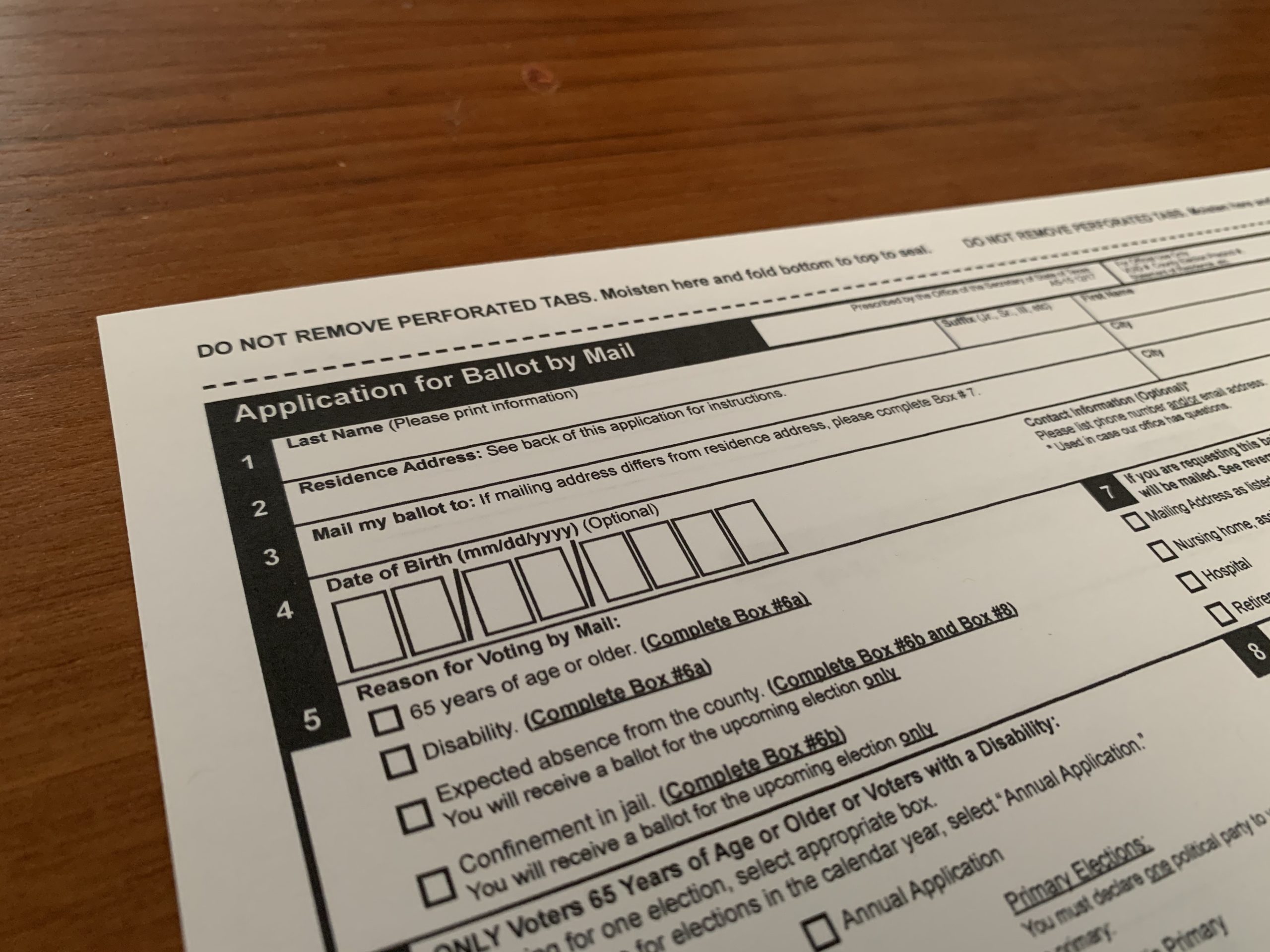
Applications for Ballot by Mail (ABBM) are readily available. You can download the official form from the Texas Secretary of State’s website, or obtain one from your local county election official. It is highly recommended to use the official form to avoid any potential issues.
Completing the Application Accurately
The ABBM requires specific information. You will need to provide:
- Your Full Name and Residential Address: This must match your voter registration record.
- Your Date of Birth: To verify your identity.
- Your Voter Unique Identifier (VUID): This is often your Texas driver’s license number or the last four digits of your Social Security number.
- Your Mailing Address: If it differs from your residential address, where you want your ballot sent.
- The Reason for Requesting an Absentee Ballot: You must select the specific eligibility reason that applies to you from the provided options.
- Your Signature and Date: Your signature must match the one on your voter registration application.
Important Considerations for the Application:
- VUID: Accurately providing your VUID is essential. If you do not have a driver’s license or Social Security number, you will need to indicate this and provide other identifying information as instructed on the form.
- Matching Signatures: The signature on your ABBM must match the signature on your voter registration. If you typically sign differently, make a conscious effort to sign consistently.
- Witness or Notary: In most cases, for a standard absentee ballot application, a witness or notary is not required. However, always check the most current instructions on the official form, as requirements can sometimes be updated.
Submitting Your Application
Once completed, your ABBM must be submitted to your local county election official. There are specific deadlines for submitting your application, which are crucial to adhere to:
- Regular Elections: The ABBM must be received by the close of business on the 11th day before the election.
- Special Elections and Runoff Elections: The deadline is typically the 7th day before the election.
It is always advisable to submit your application as early as possible to allow ample time for processing and to avoid any last-minute postal delays. You can typically mail your application to the county clerk or election administrator’s office. Some counties may also offer online submission portals or fax options, but confirm this with your local election office.
Receiving and Marking Your Absentee Ballot
Once your ABBM is approved, you will receive your absentee ballot by mail. Handling this ballot correctly is paramount to ensuring it is counted.
What to Expect in Your Mailer
Your absentee ballot mailer will typically include:
- The Official Ballot: This will contain all the races and propositions for the election.
- Instructions for Marking Your Ballot: These are vital and should be read carefully.
- An Outer Envelope: This is where you will seal your voted ballot.
- An Inner Secrecy Envelope (sometimes): This is a plain envelope designed to keep your choices confidential once placed inside the outer return envelope.
Marking Your Ballot Correctly
Follow the instructions provided with your ballot precisely. Generally, you will use a pen (often blue or black ink is specified) to fill in the ovals next to your chosen candidates or on issues you wish to vote for or against.
Key Guidelines for Marking:
- Use the correct writing instrument: Typically a black or blue ink pen.
- Fill in the oval completely: Avoid making checkmarks, Xs, or circling.
- Do not make extraneous marks: Any marks outside of the intended voting ovals could potentially invalidate your ballot.
- Do not vote for more candidates than allowed in a race: This is known as overvoting and will cause that specific race to be disregarded.
- If you make a mistake: Do not try to erase or cross it out. Contact your local election official immediately to request a replacement ballot.
Completing the Carrier Envelope
After marking your ballot, you must place it in the designated carrier envelope. This envelope usually requires you to:
- Sign your name: In the designated space. This signature is compared to your voter registration signature by election officials.
- Provide your printed name and address.
- Provide your date of birth.
- Potentially provide your VUID.
Crucially, you must also have a witness or notary public complete their section of the carrier envelope, unless you are voting under specific exceptions. However, under the recent legal interpretations and processes in Texas, for most eligible voters, the witness requirement for the ballot itself (not the application) has been clarified. If you are voting due to age (65+) or disability, you are generally not required to have a witness sign your ballot’s carrier envelope. If you are voting because you will be out of your county, a witness is typically required. Always refer to the instructions included with your ballot for the most accurate and up-to-date requirements.
Returning Your Absentee Ballot
The final step is ensuring your completed absentee ballot is returned to the proper election office by the deadline.
Options for Returning Your Ballot
- By Mail: You can mail your ballot back to your local county election official. Allow ample time for postal delivery, especially around busy election periods. It is generally recommended to mail it back at least a week before the election deadline.
- In Person: In many counties, you can hand-deliver your absentee ballot to the county election official’s office or a designated early voting polling place. This is often the most secure method to ensure your ballot arrives on time. Check with your local county election office for specific drop-off locations and operating hours.
Deadline for Return
Just as with the application, there are strict deadlines for the return of your voted absentee ballot:
- Regular Elections: The ballot must be received by the county election official no later than the close of polls on Election Day.
- Special Elections and Runoff Elections: The deadline is typically the close of polls on Election Day.
Note: The ballot must be received by the deadline, not just postmarked. This emphasizes the importance of returning it early or hand-delivering it.
Tracking Your Ballot
Many counties in Texas offer online ballot tracking services. After submitting your ABBM, you can often track the status of your application and your returned ballot to confirm it has been received and accepted. This provides peace of mind and allows you to take action if there are any issues.
Common Questions and Best Practices
Navigating absentee voting can raise questions. Here are some frequently asked points and tips to ensure a smooth experience.
What if My Ballot is Rejected?
If your absentee ballot is rejected, the county election official must notify you of the reason for rejection and provide an opportunity to “cure” the defect, if possible. This usually involves correcting a signature mismatch or providing missing information. Timeliness is key for curing defects, so stay in communication with your local election office.
Can I Vote in Person if I Requested an Absentee Ballot?
If you have requested an absentee ballot but have not yet returned it, you can still vote in person at an early voting location or on Election Day at your assigned polling place. Your absentee ballot will be canceled, and your in-person vote will be counted. However, if you have already returned your absentee ballot, you generally cannot vote in person.

Best Practices for Absentee Voting
- Start Early: Begin the process of requesting your absentee ballot as soon as applications become available.
- Read All Instructions Carefully: Do not skip any steps or assume you know the process.
- Keep Your Ballot Secure: Treat your ballot like cash. Store it in a safe place until you are ready to mark and return it.
- Avoid Ballot Harvesting: In Texas, it is illegal for anyone other than the voter, a family member, or a caregiver to return your ballot. Be wary of individuals or groups offering to collect ballots.
- Verify with Your Local Election Office: Election laws and procedures can be complex and may have slight variations by county. Always refer to your local county clerk or election administrator for the most accurate and up-to-date information. Their websites and phone lines are invaluable resources.
By understanding the eligibility requirements, carefully completing your application and ballot, and adhering to the submission deadlines, you can successfully cast your vote by mail in Texas. This method of voting ensures that every eligible citizen has the opportunity to participate in shaping the future of their communities and their state.
LifeOutOfTheBox is a participant in the Amazon Services LLC Associates Program, an affiliate advertising program designed to provide a means for sites to earn advertising fees by advertising and linking to Amazon.com. Amazon, the Amazon logo, AmazonSupply, and the AmazonSupply logo are trademarks of Amazon.com, Inc. or its affiliates. As an Amazon Associate we earn affiliate commissions from qualifying purchases.