
The California Roll stands as a testament to culinary innovation, a vibrant bridge between traditional Japanese sushi and the evolving palates of the Western world. More than just a dish, it’s a cultural phenomenon that has captivated food enthusiasts across continents, becoming a staple on menus from bustling city eateries to tranquil luxury resorts. Its approachable nature, combining familiar flavors with the exotic appeal of sushi, has made it a beloved gateway for many to explore the diverse and intricate world of Japanese cuisine. For travelers and foodies alike, understanding how to craft this iconic roll isn’t just about cooking; it’s about embarking on a journey into fusion cuisine, an adventure that brings the sun-kissed shores of California and the meticulous artistry of Japan right into your kitchen.
This guide delves into the essence of the California Roll, offering not only a comprehensive step-by-step method for its creation but also exploring its fascinating history, cultural significance, and the joy it brings to home cooks and culinary explorers. Whether you’re planning a trip to California and want to appreciate its culinary roots, or simply wish to enhance your lifestyle with new skills and delicious meals, mastering the California Roll is an enriching experience. It’s a dish that embodies the spirit of travel—discovery, adaptation, and the delightful blend of different worlds.

The Culinary Journey: Unpacking the California Roll’s History and Appeal
Before we dive into the practicalities of rolling, it’s worth appreciating the rich backstory and widespread appeal of this culinary icon. The California Roll isn’t just food; it’s a piece of modern culinary history, embodying the very spirit of fusion that defines much of contemporary global cuisine. Its journey from a humble restaurant innovation to a global sensation is a compelling narrative, deeply intertwined with the vibrant cultural landscape of its birthplace.
A Taste of Innovation: The Birth of a Fusion Classic
The story of the California Roll typically begins in the 1960s or early 1970s in Los Angeles, California. At this time, traditional Japanese sushi, with its emphasis on raw fish, was still an exotic and somewhat daunting concept for many American palates. Enter chefs with a vision to adapt. One of the most widely credited figures is Ichiro Mashita, a sushi chef at the Tokyo Kaikan restaurant in Los Angeles. Facing a scarcity of fresh tuna and aiming to make sushi more appealing to his American clientele, Mashita began experimenting. He famously substituted tuna with avocado, a creamy, readily available local fruit, and used cooked crab meat (or imitation crab, surimi) instead of raw fish.
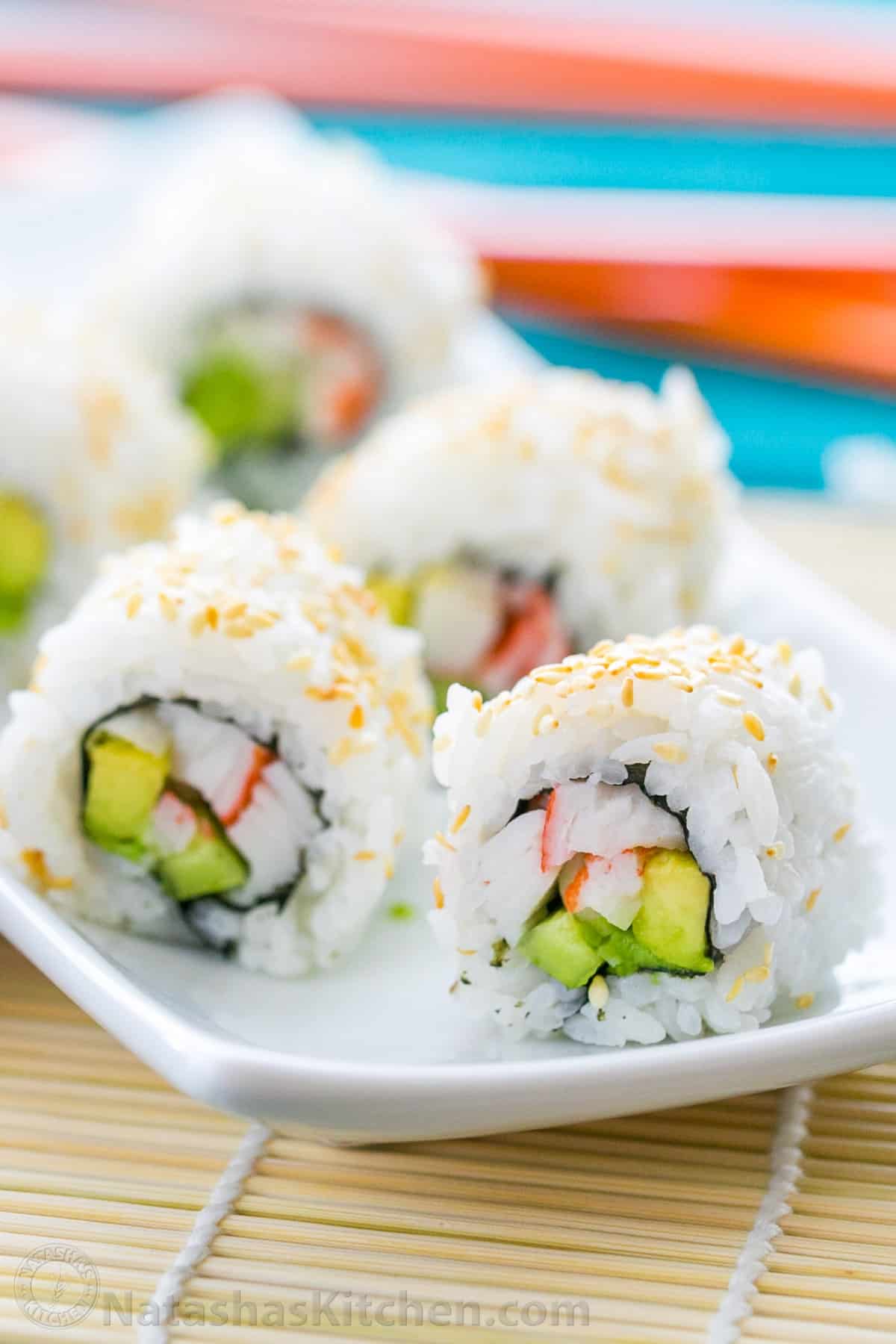
Perhaps his most ingenious innovation was flipping the roll “inside-out,” known as uramaki. By placing the nori (seaweed) on the inside and the rice on the outside, he addressed the common apprehension many Westerners had towards the texture and appearance of dark seaweed. This seemingly small change was revolutionary. The visible rice, often adorned with vibrant tobiko (flying fish roe) or sesame seeds, made the roll far more inviting. This clever adaptation was a stroke of genius, effectively creating a “gateway” sushi that retained the essence of Japanese culinary artistry while embracing local ingredients and tastes. It quickly gained popularity, first in Los Angeles, then across California, and eventually throughout the entire United States and beyond, cementing its status as a quintessential example of Japanese-American culinary fusion.
More Than Just Sushi: Its Place in Global Cuisine
The California Roll’s impact extends far beyond the realm of sushi. It represents a significant moment in the globalization of food, demonstrating how culinary traditions can evolve and merge to create something entirely new yet universally appealing. Its success paved the way for countless other fusion dishes, inspiring chefs worldwide to experiment with cross-cultural flavors and techniques. Today, you can find variations of the California Roll in virtually every major city, from sophisticated establishments in New York and London to casual dining spots in Paris and throughout Asia.
For those interested in culinary tourism, the California Roll serves as a fascinating case study. It highlights how local ingredients and cultural adaptation can transform a traditional dish into a global phenomenon. Exploring the diverse culinary scene in California today often involves encountering both traditional Japanese sushi and creative, modern interpretations—a direct legacy of the California Roll’s pioneering spirit. It’s also a wonderful dish for the home chef, offering a taste of international travel and gourmet dining without leaving the comfort of your kitchen. Preparing it can be a rewarding experience, a culinary activity that enhances your lifestyle by bringing diverse flavors and skills into your everyday routine.
Gathering Your Essentials: Ingredients and Equipment for the Perfect Roll
Crafting a superb California Roll begins with selecting the right ingredients and ensuring you have the necessary tools at hand. While the process is simpler than many traditional sushi rolls, quality ingredients and proper equipment make all the difference in achieving that satisfying texture and flavor profile.
Premium Ingredients: Sourcing for Authenticity and Flavor
The beauty of the California Roll lies in its harmonious blend of fresh, vibrant components. Here’s what you’ll need:
- Sushi Rice (Short-Grain Japanese Rice): This is the foundation of any good sushi. Short-grain rice has the ideal stickiness and texture when cooked and seasoned properly. Avoid long-grain or jasmine rice, as they won’t hold together correctly.
- Nori (Roasted Seaweed Sheets): These dark green sheets provide the structural integrity and a subtle umami flavor. Look for high-quality, crisp nori.
- Imitation Crab Meat (Surimi): The classic filling. While some prefer real crab meat, surimi is the traditional choice for a California Roll and offers a consistent, slightly sweet flavor. Shred it or slice it into strips.
- Fresh Avocado: Choose ripe but firm avocados. They should yield slightly when gently squeezed. Slice them into thin, even strips. The creamy texture of avocado is a signature element of this roll.
- Cucumber: A crisp, refreshing counterpoint to the richer ingredients. Persian or English cucumbers work best, sliced into thin matchsticks after removing the watery core.
- Mayonnaise: Often mixed with the crab meat for added creaminess and flavor. Japanese mayonnaise (like Kewpie) is preferred for its richer, tangier profile, but any good quality mayonnaise will work.
- Tobiko or Masago (Optional): These small fish roe add a vibrant pop of color, a subtle brininess, and a delightful textural crunch to the exterior of the uramaki roll.
- Rice Vinegar, Sugar, Salt: Essential for seasoning the sushi rice, giving it that characteristic slightly sweet and tangy flavor.
- Serving Accompaniments (Optional but Recommended): Soy sauce, pickled ginger (gari), and wasabi for dipping and cleansing the palate.
Sourcing these ingredients can be part of the adventure. Visiting an Asian grocery store offers an immersive experience, or you might find specialty items in gourmet sections of larger supermarkets. In California, local farmers’ markets often provide exceptionally fresh avocados and cucumbers, further enhancing the quality of your homemade rolls.
Essential Tools: Gearing Up for Sushi Success
While you don’t need a professional sushi chef’s arsenal, a few key tools will make the process much smoother and more enjoyable:
- Bamboo Rolling Mat (Makisu): This is indispensable for shaping your rolls. A good quality mat helps compress the ingredients evenly, creating a tight, uniform roll.
- Sharp Knife: A very sharp, thin-bladed knife is crucial for clean, precise slices. A dull knife will tear the nori and squish the fillings.
- Cutting Board: A stable surface for preparing your ingredients and slicing the rolls.
- Rice Paddle or Spatula: For mixing and handling the cooked sushi rice without crushing the grains.
- Small Bowl of Water with a Splash of Vinegar: Used to moisten your hands to prevent rice from sticking and to clean your knife between cuts.
- Plastic Wrap: Essential for covering your bamboo mat when making inside-out (uramaki) rolls, preventing rice from sticking to the mat.
Having these tools ready before you begin will streamline your rolling process and contribute significantly to the aesthetic appeal and structural integrity of your finished California Rolls.
Mastering the Art: Step-by-Step Guide to Crafting Your California Roll
With your ingredients and tools prepared, it’s time to embark on the most rewarding part: assembling your California Rolls. This section breaks down the process into manageable steps, ensuring you achieve professional-looking and tasting results.
Preparing Your Components: The Foundation of Flavor
- Cook and Season the Sushi Rice:
- Rinse 2 cups of sushi rice under cold water until the water runs clear. This removes excess starch, preventing the rice from becoming too sticky.
- Cook the rice according to package instructions, typically in a rice cooker or on the stovetop with a 1:1 ratio of rice to water.
- While the rice cooks, prepare the sushi vinegar seasoning: In a small saucepan, combine 1/4 cup rice vinegar, 2 tablespoons sugar, and 1 teaspoon salt. Heat gently until sugar and salt dissolve, then let it cool.
- Once the rice is cooked, transfer it to a large, non-metallic bowl. Pour the cooled seasoning over the rice and gently fold it in with a rice paddle or spatula, using a slicing motion to avoid mashing the grains. Fan the rice to help it cool quickly to body temperature. This process is crucial for the rice’s flavor and texture.

- Prepare the Fillings:
- Imitation Crab: If using sticks, shred them lengthwise or cut into strips. In a small bowl, mix the shredded crab with a tablespoon or two of mayonnaise until well combined.
- Avocado: Halve the avocado, remove the pit, and gently scoop out the flesh. Slice it lengthwise into thin, even strips, about 1/4 inch thick.
- Cucumber: Wash and peel the cucumber (if desired). Cut it into thin matchsticks, about 1/4 inch thick and the length of your nori sheet. You can remove the watery seed core for a firmer texture.
The Rolling Technique: Achieving the Perfect Form
This is where the magic happens. The key to a great California Roll is a firm but not overly compressed roll.
- Set Up Your Rolling Station: Lay your bamboo mat flat. Cover it completely with a sheet of plastic wrap – this is essential for uramaki (inside-out) rolls to prevent rice from sticking to the mat.
- Lay the Nori: Place one sheet of nori, shiny side down, on top of the plastic-wrapped bamboo mat.
- Spread the Rice: Dip your hands in the vinegared water to prevent sticking. Take about 3/4 to 1 cup of seasoned sushi rice and spread it evenly over the entire surface of the nori, going edge to edge. Don’t press too hard; just ensure an even, thin layer.
- Add Optional Topping: If using tobiko or sesame seeds, sprinkle them evenly over the rice.
- Flip the Nori: Carefully flip the nori sheet over so the rice side is now facing down on the plastic-wrapped mat, and the nori side is facing up.
- Arrange the Fillings: About an inch from the bottom edge of the nori (the side closest to you), arrange your fillings in a neat line: a strip of the mayonnaise-crab mix, a few avocado slices, and a few cucumber matchsticks. Don’t overfill, as this makes rolling difficult.
- Begin Rolling: Lift the edge of the bamboo mat closest to you, bringing it up and over the fillings, tucking the edge of the nori tightly around the fillings. Press down firmly but gently with your fingers to secure the fillings.
- Continue Rolling: Roll the mat forward, away from you, applying gentle pressure to shape the roll into a cylinder. As you roll, pull back the bamboo mat slightly with each turn to prevent it from getting rolled into the sushi itself. Ensure the roll is tight and even.
- Seal the Roll: Once you reach the end, give the roll one final squeeze to ensure it’s firmly sealed and holds its shape.
Slicing and Serving: Presentation Matters
- Prepare for Slicing: Remove the rolled sushi from the bamboo mat. Place it on a clean cutting board.
- Wet and Slice: Moisten your sharp knife with water (the vinegared water is ideal). This prevents rice from sticking to the blade. Slice the roll in half, then line up the halves and slice each into 3-4 even pieces, typically 6-8 pieces per roll. Wipe the knife clean between each cut for the cleanest slices.
- Arrange and Serve: Artfully arrange your freshly cut California Roll pieces on a serving platter. Garnish with a side of soy sauce, a dollop of wasabi, and a few slices of pickled ginger. The vibrant colors and elegant presentation make it perfect for entertaining guests or simply enjoying a luxurious meal at home.
Elevating Your Experience: Tips, Variations, and Cultural Connections
Making a California Roll is more than just following a recipe; it’s an opportunity for culinary expression and a deeper connection to global food culture. Here are some ways to refine your technique and expand your sushi horizons.
Expert Tips for a Flawless Roll
- Don’t Overfill: This is the most common mistake. Too many fillings will make the roll difficult to close and prone to falling apart. Start with smaller amounts and adjust as you gain experience.
- Moisten Your Hands and Knife: Keep a bowl of vinegared water nearby. Dipping your hands before handling rice and wetting your knife before slicing will prevent sticking and ensure clean cuts.
- Be Gentle but Firm: When spreading the rice, be gentle to avoid mashing the grains. However, when rolling, apply firm, even pressure to create a tight, cohesive roll.
- Use Fresh Ingredients: The quality of your ingredients directly impacts the taste. Fresh, ripe avocado and crisp cucumber make a significant difference.
- Practice Makes Perfect: Don’t be discouraged if your first roll isn’t perfect. Sushi rolling is an art that improves with practice. Embrace the process and enjoy the learning curve.
- Serve Immediately: For the best texture and flavor, California Rolls are best enjoyed fresh, shortly after being made.
Creative Variations: Beyond the Classic
While the classic California Roll is delightful on its own, its adaptable nature encourages experimentation. Many restaurants, including those found in luxury hotels and resorts, offer creative twists.
- Spicy California Roll: Mix Sriracha or a spicy chili sauce with the mayonnaise and crab for a fiery kick.
- Philadelphia Roll: Add a strip of cream cheese alongside the traditional fillings for a richer, tangier flavor profile.
- Cooked Shrimp or Tempura: Substitute the imitation crab with cooked shrimp or crispy shrimp tempura for a different texture and taste.
- Vegetarian Options: For a plant-based delight, omit the crab and add ingredients like bell peppers, asparagus, carrots, or even mango for a tropical twist.
- Mexican-Inspired: Drawing inspiration from California’s proximity to Mexico, consider adding a sprinkle of cilantro, a dash of lime, or a thin strip of jalapeño for a zesty, fusion flavor.
- Mediterranean Twist: Imagine incorporating sun-dried tomatoes, feta cheese, and olives for a unique Mediterranean-inspired sushi roll.
These variations demonstrate the versatility of the uramaki format and allow you to personalize your sushi experience, making it a truly bespoke dish.
The California Roll and Travel: A Culinary Landmark
For those passionate about travel and culinary exploration, the California Roll offers a unique lens through which to view global food trends and cultural exchange. It’s not just a recipe; it’s a story of immigration, adaptation, and the universal appeal of delicious food. When you visit California, whether exploring the vibrant food scene of Los Angeles or enjoying a luxurious stay at a coastal resort, you’ll encounter countless interpretations of this iconic dish. Many hotels feature sushi bars that proudly serve their take on the California Roll, often using premium local ingredients or adding gourmet flair.
Learning to make a California Roll at home can be an extension of your travel experiences, allowing you to recreate flavors from your journeys or to prepare a themed meal inspired by a destination. It’s a wonderful activity for a staycation, offering a taste of adventure without leaving your home. Furthermore, mastering such a dish enhances your lifestyle by building culinary confidence, making healthy and delicious meals accessible, and providing a fantastic option for entertaining guests. As you embark on your own culinary journey with the California Roll, remember that each roll is a small piece of history, a fusion of cultures, and a testament to the endless possibilities of food. Enjoy the process, savor the flavors, and let this iconic roll transport your senses.
LifeOutOfTheBox is a participant in the Amazon Services LLC Associates Program, an affiliate advertising program designed to provide a means for sites to earn advertising fees by advertising and linking to Amazon.com. Amazon, the Amazon logo, AmazonSupply, and the AmazonSupply logo are trademarks of Amazon.com, Inc. or its affiliates. As an Amazon Associate we earn affiliate commissions from qualifying purchases.