
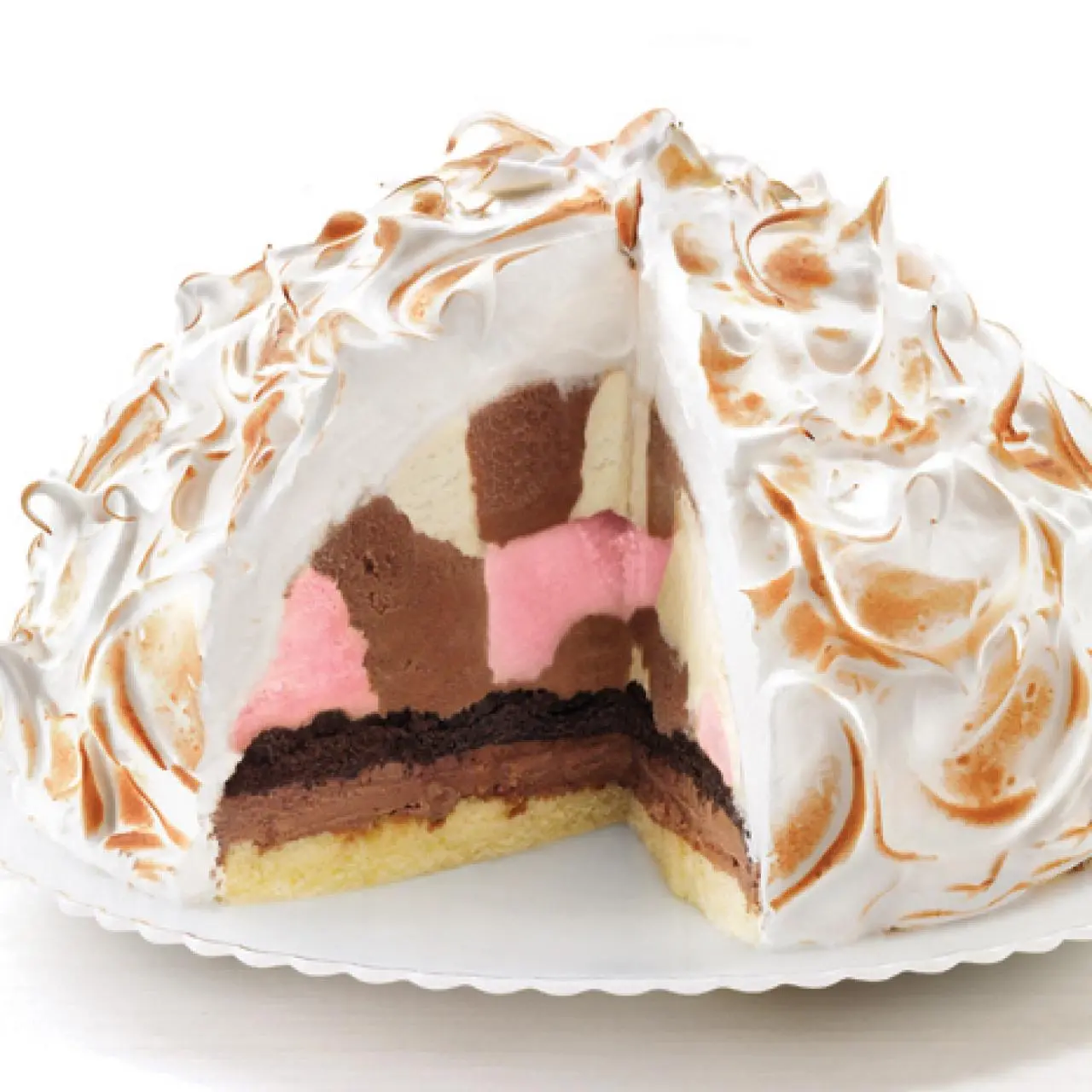
The culinary world is replete with desserts that tantalize the taste buds, but few boast the theatricality, historical intrigue, and exquisite flavor profile of Baked Alaska. This iconic dessert, a marvel of contrasting temperatures and textures, combines a warm, airy meringue exterior with a frozen ice cream core, all resting on a sturdy cake base. It’s a dish that speaks to both the adventurous spirit of travel and the refined pleasures of a luxurious lifestyle, making it a perfect subject for those who appreciate the finer things in life, whether at home or exploring new destinations.
For many, Baked Alaska evokes images of grand dining rooms in historic hotels or sophisticated cruise ships, served with a flourish. Its origins are steeped in fascinating lore, tying together scientific curiosity, global exploration, and the evolution of haute cuisine. Understanding how to create this masterpiece not only grants you the ability to impress guests but also provides a deeper appreciation for the interplay of art and science in cooking. This guide will walk you through the journey of Baked Alaska, from its intriguing past to a detailed recipe, and explore its significance within the broader contexts of travel, hospitality, and a gourmet lifestyle.
The Allure of Baked Alaska: A Culinary Journey
Baked Alaska is more than just a dessert; it’s an experience. The magic lies in its seemingly impossible construction: how can ice cream remain perfectly frozen when encased in meringue that’s been seared by intense heat? This paradox is the heart of its enduring appeal, captivating diners and chefs alike for over a century. Its dramatic presentation, often involving a tableside flambé, solidifies its status as a celebratory dish, synonymous with special occasions and memorable gatherings.
A Sweet History: Origins and Evolution
The story of Baked Alaska is as rich and layered as the dessert itself, beginning with a scientific curiosity that predates its culinary fame. The phenomenon of “heat insulation by air” was famously demonstrated by American-born physicist Benjamin Thompson, also known as Count Rumford, in the late 18th century. He discovered that a layer of beaten egg whites could insulate the interior from heat, a principle he applied to a dish he called “omelette surprise” or “omelette à la norvégienne” (Norwegian omelette), though without the ice cream.
The dessert we know today truly began to take shape in the mid-19th century. Its most commonly cited origin traces back to Delmonico’s Restaurant in New York City in 1876. Chef Charles Ranhofer is credited with creating the dish in honor of the recently acquired U.S. territory of Alaska, which had been purchased from Russia in 1867. He named it “Alaska, Florida” – “Alaska” for the cold interior and “Florida” for the hot exterior, reflecting the warmth of the Sunshine State. Over time, the name was simplified to “Baked Alaska.” This moment in culinary history transformed a scientific novelty into a global delicacy, solidifying Delmonico’s reputation as a pioneer in American gastronomy.
Across the Atlantic, a similar dessert, the “omelette norvégienne,” was gaining traction in France, particularly in Paris. It’s believed that French chefs, inspired by Rumford’s work and perhaps independently developing similar concepts, contributed to its popularity in Europe. Today, whether you encounter it in a chic Parisian bistro or a historic American steakhouse, the essence remains the same: a triumph of temperature and texture. This rich history highlights how food can connect us to different cultures and eras, often becoming a landmark in itself within the culinary landscape. Travelers often seek out these historic establishments, making a visit to Delmonico’s a culinary pilgrimage for many food enthusiasts.
Why Baked Alaska Continues to Dazzle
In an age of instant gratification and digital distractions, Baked Alaska offers a timeless appeal rooted in craftsmanship and theatricality. It’s a dessert that demands attention, both from the chef preparing it and the diner anticipating it. The visual spectacle of the meringue browning under a broiler or, more dramatically, being flambéed tableside, creates an unforgettable moment. This showmanship is often a highlight of luxury dining experiences, whether aboard a cruise ship traversing the Caribbean or at a five-star resort in the Maldives.
Beyond the visual, the sensory experience is unparalleled. The crisp, slightly caramelized exterior of the meringue gives way to its soft, marshmallowy interior, which then yields to the intensely cold, creamy ice cream and the tender, often subtly flavored cake. This symphony of textures and temperatures—hot and cold, soft and firm, sweet and sometimes tangy—is what elevates Baked Alaska from a simple dessert to a culinary masterpiece. It embodies a sense of occasion, transforming an ordinary meal into an extraordinary event, perfectly aligning with the lifestyle of those who seek unique experiences in their travels and daily lives. Many high-end hotels, like the Four Seasons Resort Maui at Wailea or the Waldorf Astoria in cities like Berlin, often feature sophisticated desserts like Baked Alaska on their menus, catering to guests looking for an indulgent escape.
Crafting Your Own Culinary Masterpiece: The Baked Alaska Recipe
While the grandeur of Baked Alaska might suggest a daunting task, crafting this dessert at home is surprisingly accessible. With careful preparation and attention to detail, you can recreate this iconic treat and bring a touch of luxury to your own dining table. The process is broken down into three main components: the cake base, the ice cream core, and the meringue shell.
Essential Components: Cake, Ice Cream, and Meringue
-
The Cake Base:
- Type: A sponge cake, genoise, or pound cake works best. It needs to be sturdy enough to support the ice cream and meringue but soft enough to cut through easily. A vanilla or chocolate sponge cake is traditional, but you could experiment with a red velvet or even a lemon cake for a twist.
- Preparation: You’ll typically bake a thin layer of cake, then use a round cutter to create discs that match the size of your desired Baked Alaska portions, or simply use a larger cake base for a family-style dessert. Ensure the cake is completely cooled before assembly. This base provides structural integrity and a complementary texture and flavor profile to the cold and sweet layers above.
-
The Ice Cream Core:
- Flavor: This is where you can truly personalize your Baked Alaska. Classic choices include vanilla, chocolate, or strawberry, often layered. However, don’t shy away from more adventurous flavors like coffee, pistachio, mint chip, or even a fruit sorbet for a lighter touch.
- Preparation: The key to a successful Baked Alaska is very firm ice cream. It’s often recommended to slightly soften the ice cream, shape it (e.g., in a dome or log shape), and then refreeze it solid before assembly. This ensures it holds its shape when the meringue is applied and briefly heated. You can also use multiple flavors, layering them creatively for visual appeal and complex taste.
-
The Meringue Shell:
- Type: A Swiss or Italian meringue is generally preferred over a French meringue for Baked Alaska. These types of meringues are made by cooking the egg whites with sugar syrup (Italian) or over a bain-marie (Swiss), making them more stable, denser, and less prone to weeping. This stability is crucial for insulation and holding its shape during the brief high-heat exposure.
- Preparation: Achieving stiff, glossy peaks is paramount. The meringue acts as a protective blanket, insulating the ice cream from the heat of the oven or torch. Its thick, airy structure traps air, creating a barrier that prevents the ice cream from melting too quickly. Flavoring the meringue with a touch of vanilla extract or a complementary liqueur can add another dimension.
Step-by-Step Guide to Perfection
Creating Baked Alaska is a sequential process that benefits from planning and chilling time.
- Prepare the Cake Base: Bake or acquire your preferred cake. Once cooled, cut it into a suitable base for your dessert. For individual servings, 4-inch (10 cm) diameter rounds are ideal. For a larger centerpiece, a single cake base to fit your ice cream mold works well. Place the cake on a freezer-safe plate or baking sheet.

-
Form the Ice Cream Core: Allow your chosen ice cream flavors to soften slightly—just enough to be pliable, not melted. If using multiple flavors, layer them in a bowl or a dome-shaped mold lined with plastic wrap. Press firmly to remove air pockets. Once shaped, invert the ice cream onto your cake base. Immediately return the assembled cake and ice cream to the freezer. This step is critical; the ice cream must be rock solid before proceeding. Freeze for at least 4-6 hours, or ideally overnight.
-
Make the Meringue: This step should be done just before you intend to bake/torch the Baked Alaska.
- For Swiss Meringue: Whisk egg whites and granulated sugar in a heatproof bowl set over a saucepan of simmering water (a bain-marie). Whisk constantly until the sugar is dissolved and the mixture reaches about 160°F (71°C) and is warm to the touch. Remove from heat and transfer to a stand mixer. Beat on high speed until stiff, glossy peaks form and the meringue is cool, about 8-10 minutes.
- For Italian Meringue: Combine sugar and water in a saucepan and cook until it reaches 240°F (115°C) (soft-ball stage). Meanwhile, begin whipping egg whites in a stand mixer until soft peaks form. With the mixer running on medium-high speed, slowly pour the hot sugar syrup into the egg whites in a thin stream. Continue beating until the meringue is very thick, glossy, and completely cool, about 10-15 minutes.
-
Assemble and Cover: Remove the solidly frozen cake and ice cream from the freezer. Working quickly, spread the meringue generously over the entire ice cream dome and cake base, ensuring no part of the ice cream is exposed. Use an offset spatula to create decorative swirls and peaks, which will caramelize beautifully. The meringue layer should be thick, at least 1-2 inches (2.5-5 cm), especially at the base where the cake meets the ice cream, to provide maximum insulation.
-
Brown the Meringue: This is the moment of truth. You have two main options:
- Oven Method: Place the assembled Baked Alaska on a baking sheet. Bake in a preheated oven at a very high temperature, around 500°F (260°C), for 3-5 minutes, or until the meringue is beautifully golden brown. Keep a close eye on it, as it can burn quickly.
- Torch Method: Using a kitchen torch, carefully brown the meringue all over, rotating the dessert and moving the flame constantly to achieve an even golden crust. This method offers more control and less risk of melting the ice cream if done efficiently.
-
Serve Immediately: The magic of Baked Alaska is its fleeting balance of hot and cold. Serve it immediately after browning to fully appreciate its dramatic contrast. Garnish with fresh berries, a dusting of cocoa powder, or a drizzle of sauce if desired.
Beyond the Kitchen: Baked Alaska in Travel and Hospitality
The allure of Baked Alaska extends far beyond the confines of a home kitchen. It is a dessert that has found its place in the annals of luxury travel and hospitality, becoming a signature offering in some of the world’s most distinguished establishments. For those who enjoy a lifestyle of exploration and indulgence, seeking out exceptional culinary experiences is often a highlight of their journeys.
Iconic Destinations and Legendary Establishments
Many travelers plan their itineraries around unique food experiences, and Baked Alaska often features on the menus of restaurants that are themselves tourist attractions. As mentioned, Delmonico’s Restaurant in New York City remains a historical benchmark, attracting visitors keen to taste a piece of culinary history. Similarly, throughout Europe, particularly in France, “omelette norvégienne” can be found in venerable establishments, such as Maxim’s in Paris, offering a glimpse into a bygone era of Parisian sophistication.
Luxury hotels around the globe have also embraced Baked Alaska as a staple of their dessert menus. Imagine dining at a resort like The Ritz London in the United Kingdom, where a perfectly executed Baked Alaska is served in a grand ballroom, adding to the opulent atmosphere. Or perhaps a stay at the Bellagio Hotel in Las Vegas, where the dessert might be part of a lavish tasting menu, complementing the city’s reputation for extravagance. Even on high-end cruise lines, such as those operated by Cunard or Silversea Cruises, Baked Alaska is often a featured item on formal nights, adding a touch of classic elegance to the onboard dining experience as passengers journey to exotic destinations. These establishments don’t just serve food; they craft experiences, and Baked Alaska, with its inherent drama and deliciousness, is a perfect fit.
The Ultimate Luxury Dessert Experience
For the discerning traveler, a meal is never just about sustenance; it’s about the ambiance, the service, and the story behind each dish. Baked Alaska fits perfectly into this narrative of luxury lifestyle and immersive tourism. When served in a Michelin-starred restaurant or a five-star hotel, the presentation becomes part of the attraction. Professional chefs often personalize the dish with unique ice cream flavors, artisanal cake bases, or infusions in the meringue, transforming it into a bespoke creation. The tableside flambé, often performed by a maître d’hôtel, is a theatrical flourish that enhances the dining experience, turning a simple dessert course into a memorable event.
Consider staying at a boutique hotel like The Peninsula Hong Kong in Hong Kong, renowned for its impeccable service and exquisite dining. Here, a Baked Alaska isn’t merely plated; it’s a performance, reflecting the hotel’s commitment to luxury and its celebration of culinary traditions. Such experiences are an integral part of high-end travel, where every detail, from the thread count of the sheets in your suite to the dessert served in the resort’s restaurant, contributes to an unforgettable journey. It’s about indulging in the finer things, understanding the local culture through its gastronomy, and creating lasting memories.
Embracing the Lifestyle: Baked Alaska as a Culinary Adventure
Whether you’re a seasoned traveler or an aspiring home chef, embracing Baked Alaska means embracing a culinary adventure. It’s about appreciating the journey, from historical discovery to the hands-on creation, and finally, to the shared enjoyment. This dessert bridges the gap between the elegance of professional kitchens and the warmth of home entertaining, offering a taste of luxury that is both attainable and deeply satisfying.
From Home Kitchens to Grand Dining Rooms
The beauty of Baked Alaska lies in its versatility. While it shines in the grand dining rooms of a Fairmont Hotel in Canada or a historic inn in Charleston, South Carolina, it is equally rewarding to prepare and enjoy in your own home. Making Baked Alaska at home transforms your kitchen into a personal culinary studio and your dining room into an exclusive restaurant. It’s an opportunity to experiment with flavors – perhaps a homemade lavender honey ice cream or a spiced pear cake – and to practice the precise techniques that define gourmet cooking.
This act of creation ties into a broader lifestyle trend where people are seeking authentic experiences and developing new skills. It’s about more than just a meal; it’s about the joy of making something beautiful and delicious from scratch. For those who enjoy entertaining, Baked Alaska is a showstopper, a guaranteed conversation starter that will leave a lasting impression on guests. It reflects a lifestyle that values quality, craftsmanship, and the pleasure of shared moments, whether in a luxurious hotel suite or a cozy apartment.

Tips for the Perfect Baked Alaska Experience
To truly master and enjoy Baked Alaska, consider these tips that blend culinary wisdom with travel-inspired insights:
- Plan Ahead: Assembling Baked Alaska requires several chilling stages. Ensure you have ample freezer space and time for each component to set properly. This organized approach mirrors the planning often required for seamless travel.
- Quality Ingredients: Just as choosing the right accommodation can elevate a trip, using high-quality ingredients will significantly impact the taste and texture of your dessert. Invest in good eggs, premium ice cream, and quality flour for your cake base.
- Master the Meringue: The meringue is the star of the show. Practice making Swiss or Italian meringue until you achieve perfect stiff, glossy peaks. Its insulation properties are key to the dessert’s success.
- Don’t Fear the Torch (or Oven): The browning stage is quick and dramatic. Whether using an oven or a kitchen torch, work swiftly and confidently. A brief burst of intense heat is all that’s needed.
- Serve Immediately: The contrast of hot and cold is fleeting. Have your serving plates ready and bring the Baked Alaska to the table the moment it’s perfectly browned.
- Personalize Your Creation: Think about flavor combinations that excite you. Perhaps a tropical fruit sorbet with a coconut cake for a taste of the Caribbean, or a dark chocolate ice cream with an espresso meringue for a sophisticated European flair. This personalization reflects the unique experiences sought in bespoke travel.
- Share the Experience: Like a well-documented journey, Baked Alaska is best enjoyed with others. It’s a dessert meant for celebration, for making memories around a table, much like the shared joy of discovering a new landmark or experiencing local culture.
In conclusion, “How To Make Baked Alaska?” is a question that opens the door not just to a recipe, but to a world of culinary history, scientific marvel, and a lifestyle that celebrates refinement and adventure. Whether you are a gourmand seeking out this dessert in an opulent hotel across the globe, or a passionate home cook eager to create a show-stopping treat, Baked Alaska promises a journey for the senses and a testament to the art of dessert making. It perfectly encapsulates the spirit of lifeoutofthebox.com – a blend of exploration, luxury, and the joy of discovery, both on the road and in your kitchen.