
The New York Strip, a prime cut beloved by steak aficionados, offers a perfect balance of tenderness and rich, beefy flavor. Its consistent quality and approachable preparation methods make it an ideal choice for both novice home cooks and experienced gourmands looking to elevate their culinary repertoire. This guide will navigate you through the essential steps to achieve a perfectly cooked New York Strip, transforming your kitchen into a destination for exceptional steak experiences.
Selecting the Perfect Cut
The foundation of a superb New York Strip steak lies in its selection. Understanding the nuances of grading and sourcing will significantly impact the final outcome.
Understanding Steak Grades
The U.S. Department of Agriculture (USDA) grades beef based on marbling, which refers to the intramuscular fat. More marbling generally translates to more flavor and tenderness.
- Prime: This is the highest grade, characterized by abundant marbling. Prime steaks are typically found in high-end restaurants and specialty butchers. While offering the most luxurious eating experience, they are also the most expensive.
- Choice: This grade is widely available and offers excellent quality. Choice steaks have less marbling than Prime but still possess a good amount of fat, ensuring a tender and flavorful result. This is often the sweet spot for home cooks seeking quality without the premium price tag of Prime.
- Select: Select grade steaks are leaner and have less marbling. They can still be a good option, especially if cooked carefully to avoid drying out, but they generally offer a less rich flavor and a less tender texture compared to Choice and Prime.
The Importance of Thickness and Marbling
When choosing your New York Strip, aim for a thickness of at least 1 to 1.5 inches. Thicker cuts are more forgiving during cooking, allowing for a beautifully seared exterior while maintaining a desirable level of doneness internally. Look for even distribution of marbling throughout the steak. Flecks of white fat interspersed within the red muscle are a good indicator of flavor and moisture. Avoid steaks with large, solid patches of fat, which can render away unevenly.
Sourcing Your Steak
For the best results, source your New York Strip from a reputable butcher. A good butcher can advise you on the origin of the meat, its aging process, and offer cuts that are superior to those typically found in supermarkets. Grass-fed vs. grain-fed is another consideration; grass-fed beef tends to be leaner and have a more pronounced, earthy flavor, while grain-fed beef often has a richer marbling and a milder taste.
Preparation is Key
Proper preparation ensures that your New York Strip steak cooks evenly and develops a delicious crust.
Bringing Steak to Room Temperature
One of the most critical steps often overlooked is bringing the steak to room temperature. Remove your New York Strip from the refrigerator at least 30-60 minutes before cooking. This allows the steak to cook more evenly, preventing a cold, raw center when the exterior is perfectly seared.
Patting Dry for the Perfect Sear
Moisture is the enemy of a good sear. Before seasoning, thoroughly pat the surface of the steak dry with paper towels. This removes any surface moisture, which will steam the steak rather than sear it. A dry surface is essential for developing that coveted Maillard reaction, responsible for the deep brown crust and complex flavors.
Seasoning Generously
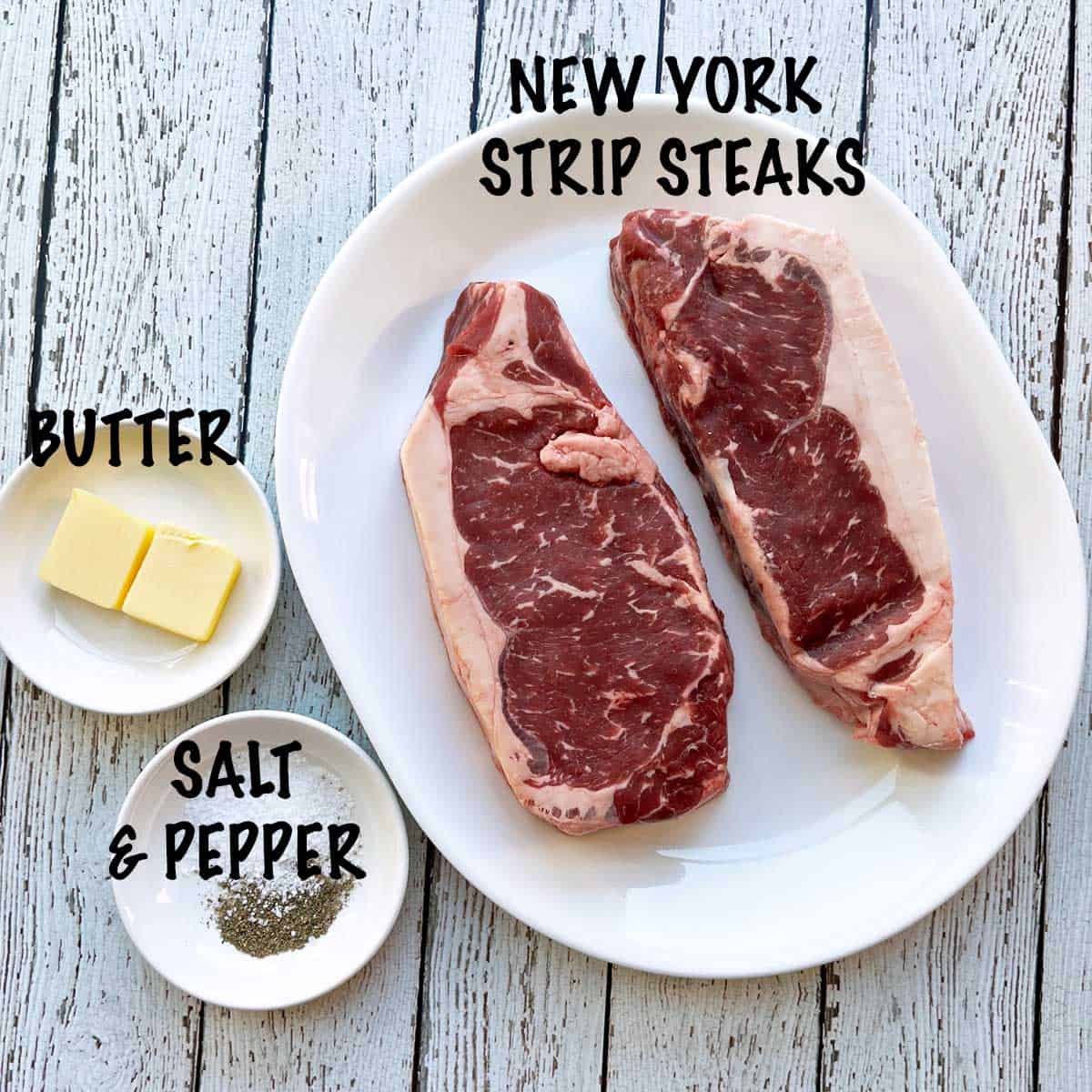
The New York Strip has a robust flavor of its own, but it benefits immensely from simple, generous seasoning. Coarse kosher salt and freshly cracked black pepper are classic and effective. Season both sides liberally, about 30-60 minutes before cooking if time allows, or immediately before it hits the heat. Some chefs advocate for seasoning well in advance to allow the salt to draw out moisture and then reabsorb it, creating a deeper flavor.
Cooking Methods for a Perfect Sear
Several cooking methods can yield a fantastic New York Strip. The most popular and effective methods involve high heat to achieve a beautiful crust.
Pan-Searing: The Classic Approach
Pan-searing is a go-to method for its accessibility and impressive results.
- Choose the Right Pan: A heavy-bottomed cast-iron skillet is ideal due to its excellent heat retention and distribution. Stainless steel pans are also a good alternative.
- High Heat: Place the skillet over medium-high to high heat. Allow it to preheat until it just begins to smoke.
- Add Fat: Add a high smoke point oil, such as grapeseed or canola oil, or a combination of oil and butter. The fat should shimmer but not smoke excessively.
- Sear the Steak: Carefully place the seasoned New York Strip into the hot skillet. Avoid overcrowding the pan; cook steaks one or two at a time. Sear for 2-4 minutes per side, depending on thickness, until a deep brown crust forms.
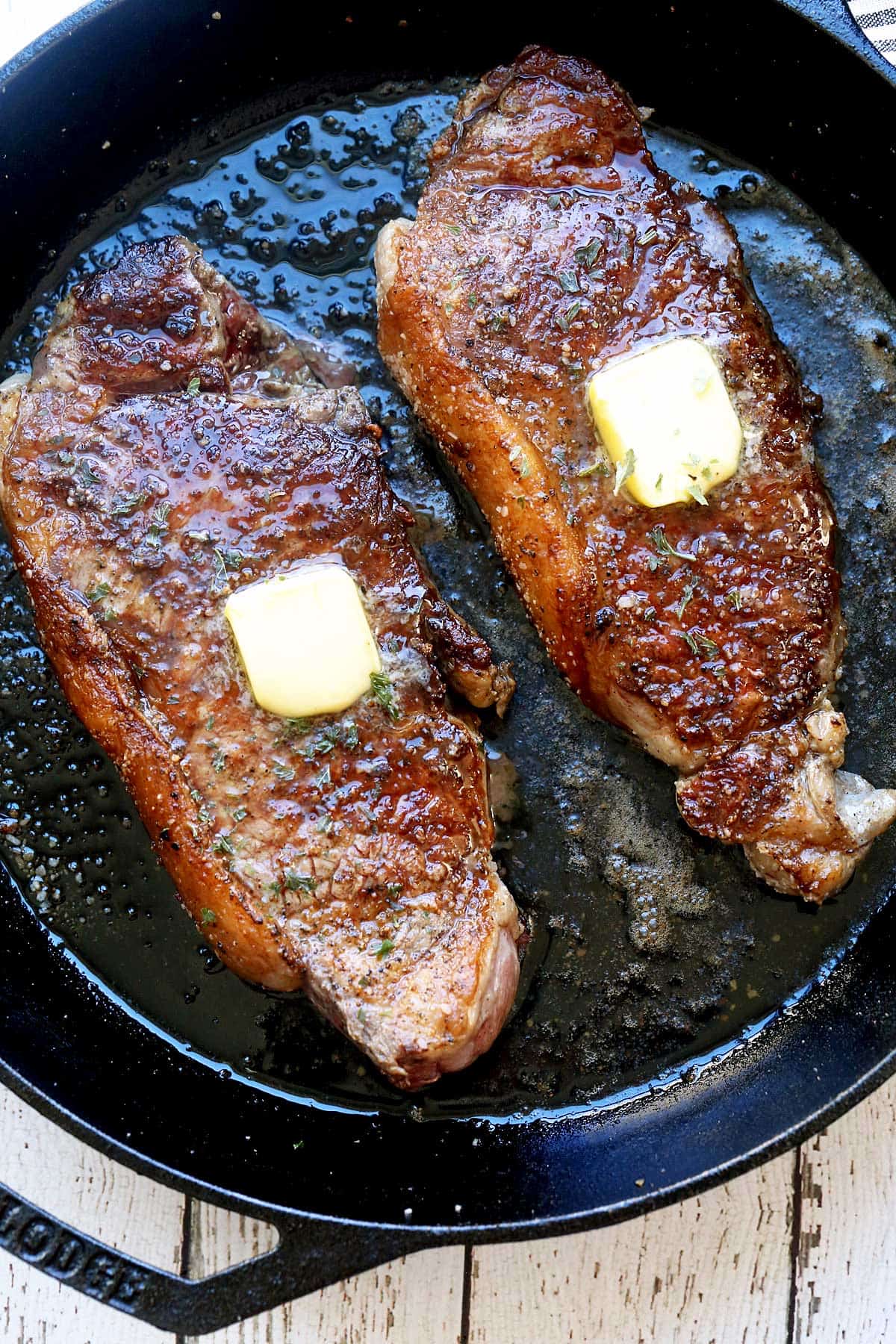
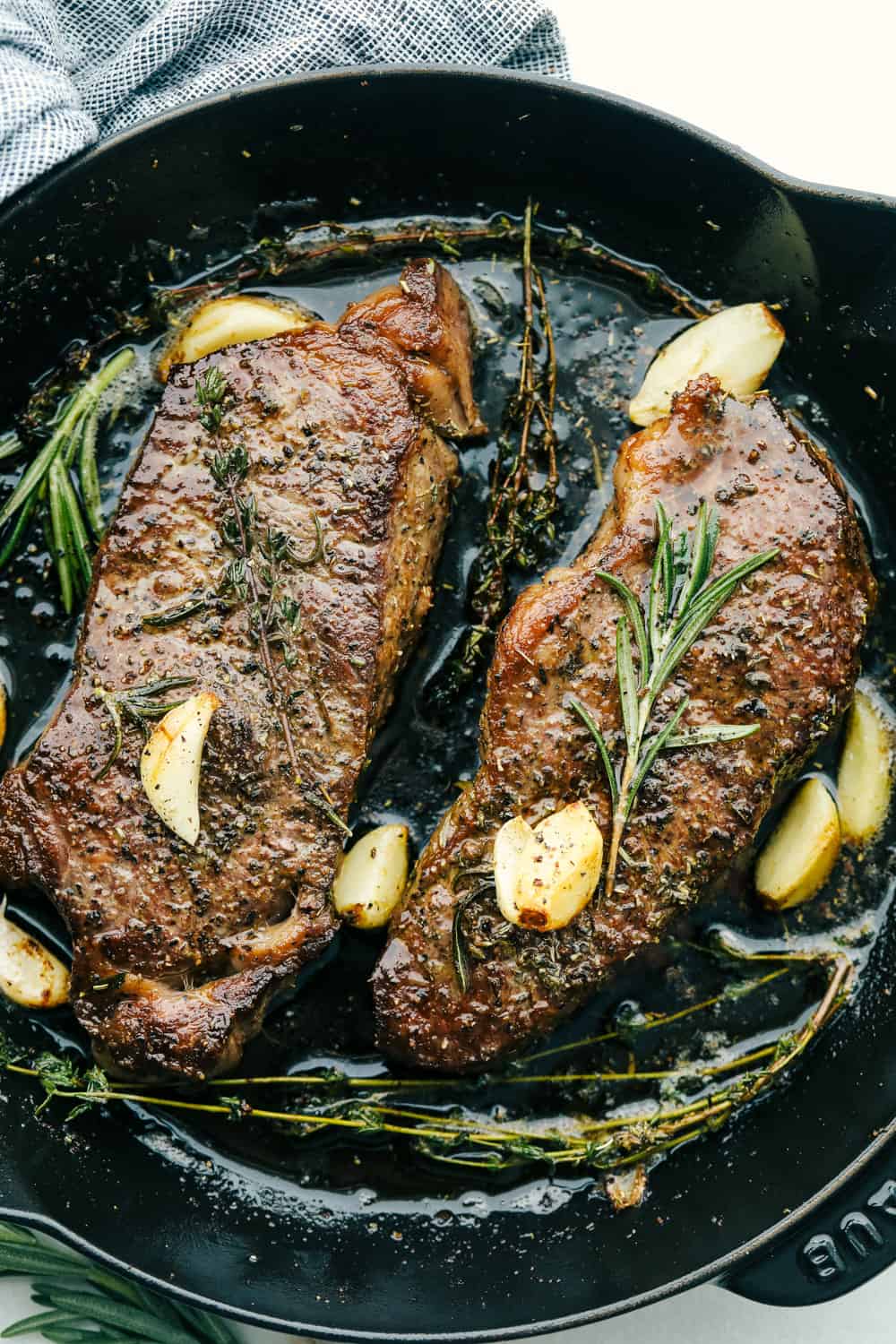
- Basting (Optional but Recommended): During the last few minutes of cooking, you can add a tablespoon or two of butter, a few crushed garlic cloves, and a sprig of rosemary or thyme to the pan. Tilt the pan and continuously spoon the melted butter and aromatics over the steak. This adds an extra layer of flavor and moisture.
- Check for Doneness: Use an instant-read meat thermometer to check the internal temperature. For medium-rare, aim for 130-135°F (54-57°C). For medium, 135-140°F (57-60°C).
- Resting: Crucially, transfer the steak to a cutting board or a warm plate and let it rest for at least 5-10 minutes before slicing. This allows the juices to redistribute throughout the steak, resulting in a more tender and flavorful bite.
Grilling: The Outdoor Option
Grilling imparts a distinct smoky flavor and attractive grill marks.
- Preheat the Grill: Preheat your grill to high heat. For a gas grill, this means turning the burners to their highest setting. For a charcoal grill, wait until the coals are covered in gray ash.
- Clean and Oil Grates: Ensure your grill grates are clean and well-oiled to prevent sticking.
- Sear and Cook: Place the seasoned New York Strip on the hottest part of the grill. Sear for 2-4 minutes per side to develop grill marks and a crust.
- Move to Indirect Heat: If the steak is browning too quickly, move it to a cooler part of the grill to finish cooking to your desired doneness.
- Monitor Temperature: Use a meat thermometer to check for doneness, aiming for the same temperatures as pan-searing.
- Rest: As with pan-searing, allow the steak to rest for 5-10 minutes before serving.
Reverse Sear: For Ultimate Control
The reverse sear method involves cooking the steak slowly at a low temperature before searing it at high heat. This is an excellent technique for achieving perfectly even doneness from edge to edge, especially for thicker cuts.
- Oven-Roast: Preheat your oven to a low temperature, around 225-275°F (107-135°C). Place the seasoned New York Strip on a wire rack set inside a baking sheet. Cook until the internal temperature is about 10-15°F below your desired final doneness. This can take 30-60 minutes or more depending on the thickness.
- Sear: Once the steak has reached the target internal temperature, remove it from the oven. Heat a cast-iron skillet with oil or butter to high heat. Sear the steak for 1-2 minutes per side, just long enough to develop a beautiful crust.
- Rest: Rest for 5 minutes before serving.
Enhancing Your Steak Experience
Beyond the core cooking techniques, a few finishing touches can elevate your New York Strip from delicious to unforgettable.
Finishing Touches and Accompaniments
- Compound Butters: A dollop of flavored butter placed on top of the hot steak as it rests is a classic and simple enhancement. Consider herb butter (rosemary, thyme, parsley), garlic butter, or a spicy chili butter.
- Sauces: While a well-cooked New York Strip needs little adornment, a classic sauce can add another dimension. A red wine reduction, peppercorn sauce, or béarnaise sauce are excellent pairings.
- Salt Flakes: A sprinkle of flaky sea salt, such as Maldon sea salt, just before serving provides a delightful textural contrast and a final burst of flavor.
Slicing and Serving
When it’s time to serve, slice the New York Strip against the grain. Look for the direction of the muscle fibers and slice perpendicular to them. This breaks down the connective tissues, making the steak more tender. Arrange the slices on a warm platter and serve immediately.
By following these guidelines, from meticulous selection and preparation to precise cooking and thoughtful finishing, you can master the art of preparing a truly exceptional New York Strip steak. It’s a culinary journey that promises rich rewards, making your dining table a destination for steak lovers.
LifeOutOfTheBox is a participant in the Amazon Services LLC Associates Program, an affiliate advertising program designed to provide a means for sites to earn advertising fees by advertising and linking to Amazon.com. Amazon, the Amazon logo, AmazonSupply, and the AmazonSupply logo are trademarks of Amazon.com, Inc. or its affiliates. As an Amazon Associate we earn affiliate commissions from qualifying purchases.