
The Soul of Tex-Mex: Understanding the Paste’s Importance
The vibrant, robust flavors that define Tex-Mex cuisine are not merely a collection of ingredients; they are a carefully orchestrated symphony of spices, chilies, and aromatics. At the heart of this culinary tradition lies a foundational element often referred to as “Tex-Mex paste” or a chili paste. This versatile concoction acts as the flavor base for a myriad of dishes, from enchiladas and chili con carne to stews and marinades. Understanding how to create a superior Tex-Mex paste is paramount for any home cook aspiring to authentically replicate the beloved tastes of this regional American cuisine, deeply influenced by its Mexican heritage.

The significance of this paste extends beyond its role in a single dish. It’s a testament to resourcefulness and flavor development, showcasing how simple ingredients can be transformed into a complex, deeply savory, and often subtly spicy foundation. Much like a mirepoix in French cooking or a sofrito in Latin American cuisines, the Tex-Mex paste provides an aromatic and flavor-rich starting point that elevates the final dish from ordinary to extraordinary. Its preparation is an act of culinary alchemy, where dried chilies are rehydrated, toasted, and then blended with a medley of complementary spices and seasonings, creating a concentrated burst of flavor.
This paste is the secret weapon for achieving that authentic, layered taste that distinguishes genuine Tex-Mex from imitations. It’s where the smoky notes of ancho chilies meet the earthy warmth of cumin, the subtle heat of New Mexico chilies, and the pungent zest of garlic and onion. Mastering this paste allows you to control the depth of flavor, the level of spice, and the exact aromatic profile of your Tex-Mex creations. It’s a fundamental skill that unlocks a world of culinary possibilities, enabling you to recreate the flavors experienced in iconic Tex-Mex establishments across cities like San Antonio or Houston.
The Essential Components: A Symphony of Flavors
Creating an exceptional Tex-Mex paste begins with selecting the right ingredients, each contributing a unique characteristic to the overall profile. The foundation is typically built upon a variety of dried chilies, which provide both color and a spectrum of heat and flavor.
The Chilies: The Heartbeat of the Paste
The choice of chilies is critical and allows for considerable customization based on your preference for heat and flavor complexity.
- Ancho Chilies: These are dried poblanos and offer a mild, smoky, and slightly sweet flavor with a deep reddish-brown hue. They are essential for providing the rich, complex base that defines many Tex-Mex dishes.
- New Mexico Chilies (Red or Green): While commonly used fresh, dried New Mexico chilies (often referred to as “chile colorado” when red) contribute a fruity, earthy, and moderately spicy note. They add another layer of complexity to the paste.
- Guajillo Chilies: These offer a bright, tangy, and mildly spicy flavor with a glossy, reddish-brown appearance. They add a pleasant acidity and a distinct fruitiness.
- Chipotle Peppers in Adobo Sauce: While not a dried chili in the traditional sense for paste, a small amount of minced chipotle pepper and its adobo sauce can introduce an intense smoky flavor and significant heat. Use judiciously.
When selecting dried chilies, look for plump, pliable pods that are free from mold or dust. Toasting them briefly before rehydrating intensifies their flavor and aroma, adding a crucial depth to the paste.
The Aromatics: Building the Flavor Foundation
Beyond the chilies, a robust blend of aromatics provides the savory backbone.
- Garlic: Fresh garlic cloves are indispensable, offering pungent sweetness and depth. Roasting or toasting them can mellow their intensity and bring out a nutty undertone.
- Onion: Yellow or white onions, when sautéed or roasted, contribute sweetness and a savory foundation that complements the chilies.
The Spices: Enhancing Complexity and Warmth
A curated selection of spices binds the flavors together and introduces warmth and aromatic intrigue.
- Cumin: This is arguably the most quintessential spice in Tex-Mex cuisine, lending its characteristic earthy, warm, and slightly smoky notes.
- Mexican Oregano: Distinct from Mediterranean oregano, Mexican oregano has a more citrusy, earthy, and slightly bitter profile that is integral to authentic Tex-Mex.
- Coriander: Ground coriander seeds offer a citrusy, floral, and slightly sweet counterpoint to the earthier spices.
- Cloves (Optional): A small pinch of ground cloves can add a potent, warm, and slightly sweet note, but it should be used with extreme caution as it can easily overpower other flavors.
- Cinnamon (Optional): A whisper of cinnamon can introduce a subtle warmth and sweetness, particularly beneficial in dishes like chili con carne.
The Liquid Element: Hydration and Emulsification
The chilies need to be rehydrated to a tender consistency, typically in hot water or broth. The resulting soaking liquid, often infused with the essence of the chilies, is crucial for blending the paste to the desired consistency. Some recipes may also incorporate a touch of vinegar or citrus juice for brightness.
Crafting the Tex-Mex Paste: A Step-by-Step Guide
The process of making Tex-Mex paste is a rewarding culinary journey. It involves careful preparation of the chilies and then a methodical blending of all components to achieve a smooth, flavorful emulsion.
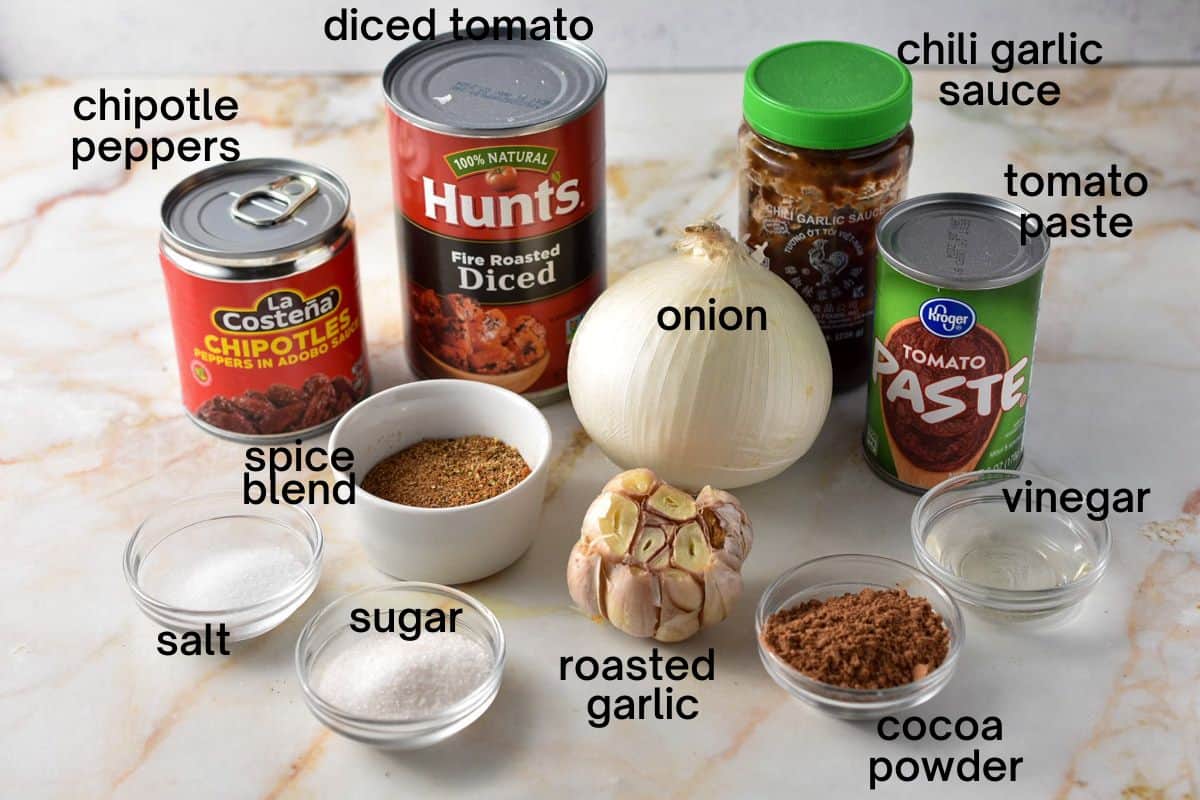
Step 1: Preparing the Dried Chilies
The first and most crucial step is to prepare the dried chilies. This involves cleaning, toasting, and rehydrating them to unlock their full flavor potential.
- Cleaning the Chilies: Begin by wiping down the dried chilies with a damp cloth to remove any dust or debris. Remove the stems and, if you prefer less heat, shake out most of the seeds and membranes from the inside. Some seeds can be left for added spice.
- Toasting the Chilies: This step is vital for deepening their flavor and aroma. Heat a dry skillet (cast iron is ideal) over medium heat. Place the cleaned chilies in the skillet in a single layer. Toast for about 30-60 seconds per side, pressing them down with a spatula, until they become fragrant and slightly pliable. Be very careful not to burn them, as this will result in a bitter paste. You’ll notice a distinct aroma releasing.
- Rehydrating the Chilies: Once toasted, place the chilies in a heatproof bowl. Cover them with boiling water or a good quality chicken or beef broth for at least 20-30 minutes, or until they are fully softened and rehydrated. The liquid will begin to take on a rich color and aroma.
Step 2: Preparing the Aromatics and Spices
While the chilies are rehydrating, prepare the other components of your paste.
- Garlic and Onion: Peel the garlic cloves. You can either roughly chop an onion or use onion powder, depending on your preference for texture. If using fresh onion, a quick sauté in a little oil can mellow its harshness.
- Toasting Whole Spices (Optional but Recommended): For maximum flavor, lightly toast whole spices like cumin seeds and coriander seeds in a dry skillet over medium heat until fragrant, about 1-2 minutes. Then, grind them using a spice grinder or mortar and pestle. If using pre-ground spices, ensure they are fresh.
Step 3: Blending the Paste
This is where all the elements come together to form the cohesive and flavorful Tex-Mex paste.
- Initial Blend: Once the chilies are softened, drain them, reserving the soaking liquid. Place the rehydrated chilies in a blender or food processor. Add the fresh garlic cloves, toasted spices (ground if applicable), and any other desired dried spices like Mexican oregano, cumin, and coriander.
- Adding Liquid: Begin to add the reserved chili soaking liquid, a few tablespoons at a time, to help the blending process. You may also add a splash of vinegar (like apple cider vinegar) or fresh lime juice for brightness.
- Achieving Desired Consistency: Blend the mixture until it forms a smooth, thick paste. You may need to stop and scrape down the sides of the blender multiple times. Add more soaking liquid as needed to reach your desired consistency. Some prefer a very smooth paste, while others like a slightly coarser texture. The consistency should be spreadable but not watery.
- Seasoning and Adjustments: Taste the paste and adjust seasoning with salt as needed. If it’s too thick, add a bit more liquid. If it’s not spicy enough, you can blend in a pinch of cayenne pepper or a small amount of minced chipotle.
Step 4: Storing the Paste
Proper storage ensures you have this flavor base ready for future culinary endeavors.
- Refrigeration: The paste can be stored in an airtight container in the refrigerator for up to two weeks.
- Freezing: For longer storage, freeze the paste. You can portion it into ice cube trays, and once frozen, transfer the cubes to a freezer bag. This allows you to easily thaw and use individual portions. Frozen paste can last for several months.
Culinary Applications: Unleashing the Power of Tex-Mex Paste
The versatility of a well-made Tex-Mex paste is its greatest asset. It’s not just an ingredient; it’s a flavor catalyst that can transform a multitude of dishes, bringing authentic Tex-Mex character to your kitchen.
Enhancing Classic Tex-Mex Dishes
This paste is the cornerstone for many beloved Tex-Mex staples.
- Enchiladas: Smother your enchiladas with a generous amount of this paste, either on its own or blended with additional broth and seasonings for a richer sauce. It forms the base for classic red enchilada sauce.
- Chili Con Carne: Incorporate a few tablespoons of the paste into your chili recipe for an unparalleled depth of flavor and authentic Tex-Mex essence. It provides that characteristic smoky, savory, and subtly spicy undertone that defines great chili.
- Fajitas and Marinades: Use the paste as a base for marinades for chicken, beef, or shrimp intended for fajitas or other grilled dishes. It tenderizes the meat and infuses it with incredible flavor.
- Tamales: The paste is an essential component in the masa dough or filling for authentic Tex-Mex tamales, lending its signature taste to this festive dish.

Beyond the Classics: Expanding Culinary Horizons
The applications of Tex-Mex paste extend far beyond the most common dishes.
- Soups and Stews: Stir a spoonful or two into your favorite hearty soups and stews to add a complex, savory, and slightly spicy dimension. Think of adding it to a black bean soup or a hearty beef stew.
- Sauces and Dips: Blend the paste with sour cream, Greek yogurt, or cream cheese to create a flavorful dip for tortilla chips or vegetables. It can also be incorporated into barbecue sauces for a smoky, zesty kick.
- Burger and Meatloaf Enhancer: Mix a tablespoon or two into your burger patties or meatloaf mixture for an unexpected yet delicious flavor boost.
- Roasting Vegetable Base: Toss your favorite vegetables, such as potatoes, sweet potatoes, or bell peppers, with a bit of the paste and oil before roasting. They will emerge beautifully caramelized and deeply flavored.
Experimentation is key to unlocking the full potential of your homemade Tex-Mex paste. By understanding its fundamental role and how to craft it with care, you empower yourself to bring the authentic, bold, and comforting flavors of Tex-Mex cuisine into your own home, creating memorable meals that resonate with tradition and taste. Whether you’re preparing a feast for friends in Austin or simply enjoying a weeknight meal, this paste is your passport to an authentic culinary experience.
LifeOutOfTheBox is a participant in the Amazon Services LLC Associates Program, an affiliate advertising program designed to provide a means for sites to earn advertising fees by advertising and linking to Amazon.com. Amazon, the Amazon logo, AmazonSupply, and the AmazonSupply logo are trademarks of Amazon.com, Inc. or its affiliates. As an Amazon Associate we earn affiliate commissions from qualifying purchases.