
When exploring the vibrant culinary landscape of New York City, few dishes command as much respect as the iconic New York strip steak. Whether you are dining at a high-end establishment like Peter Luger Steak House or attempting to recreate the quintessential American steakhouse experience in your own kitchen, understanding the art of the marinade is essential. While a premium cut of beef often requires nothing more than salt and pepper, a well-crafted marinade can elevate the flavors, tenderize the fibers, and provide a depth of character that turns a simple dinner into a memorable gastronomic event.
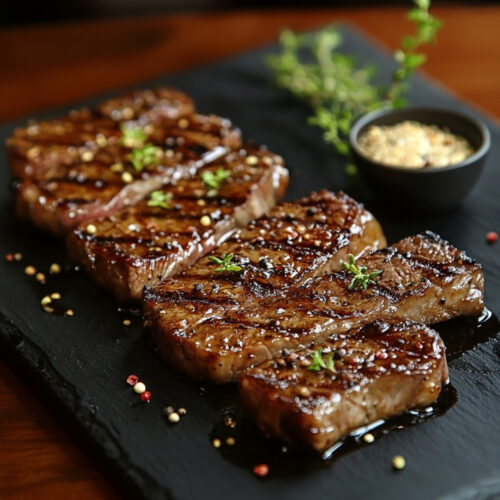
The Science and Strategy of Marination
Marinating is far more than just soaking meat in liquid; it is a delicate balance of chemistry that involves acid, oil, aromatics, and salt. When dealing with a high-quality New York strip steak, the goal is to enhance the natural beefy flavor rather than mask it.
The Balancing Act of Ingredients
An effective marinade generally follows a specific ratio to ensure the meat is properly seasoned without losing its structural integrity. Acid—such as balsamic vinegar, lemon juice, or red wine—works to break down the connective tissues. However, caution is required; too much acid can cause the meat to become mushy if left for too long.
Fats, such as high-quality olive oil or avocado oil, act as a carrier for the fat-soluble flavor compounds found in garlic, rosemary, and thyme. These ingredients help the marinade coat the steak evenly and ensure that the surface browns beautifully when exposed to the high heat of a cast-iron skillet or an outdoor grill.
Timing Considerations
For a New York strip steak, patience is a virtue, but over-marinating is a common pitfall. Unlike tougher cuts that benefit from overnight soaking, a strip steak is naturally tender. A window of two to four hours is generally ideal. This timeframe allows the flavors to penetrate the surface layers without compromising the texture of the steak. If you are preparing a meal for a special occasion in Chicago or hosting a summer barbecue in Texas, prepare your marinade in advance to ensure the steak reaches room temperature before it hits the heat.
Building Your Signature Marinade Flavor Profile
The beauty of a marinade lies in its versatility. Depending on the theme of your meal or the regional inspiration you draw from—perhaps a fusion style found in Los Angeles—you can tailor your ingredients to suit the palate.

Classic Steakhouse Aromatics
If you want to emulate the classic flavors found at renowned institutions like Keens Steakhouse, focus on savory and earthy notes. A blend of soy sauce, Worcestershire sauce, minced garlic, cracked black pepper, and fresh sprigs of rosemary creates a robust, umami-heavy profile. The soy sauce provides a deep saltiness, while the Worcestershire adds a subtle tang that complements the intense flavor of the beef.
The Sweet and Spicy Variation
For those who enjoy a more contemporary culinary approach, incorporating a touch of sweetness can balance the richness of the fat. Adding a tablespoon of brown sugar or honey to your marinade promotes a beautiful caramelization when the steak is seared. When paired with red pepper flakes or smoked paprika, this creates a crust that is both complex and deeply satisfying. This profile works exceptionally well for outdoor grilling, reminiscent of the vibrant barbecue culture found in Kansas City.
Infusing Global Influences
You might look toward the diverse flavors of San Francisco for inspiration by incorporating ginger, sesame oil, and rice wine vinegar. This Asian-inspired marinade brings a bright, aromatic quality to the New York strip. When experimenting with these bolder profiles, ensure that the salt content remains controlled; because the New York strip is a prized cut, you want to highlight the meat’s quality, not overwhelm it with excessive sodium.
Pro-Tips for Preparation and Cooking
Even the most perfectly marinated steak can be ruined by improper cooking techniques. Whether you are cooking in a state-of-the-art kitchen at a luxury property like the Ritz Carlton or a humble home kitchen, the fundamentals remain the same.
The Importance of Surface Dryness
One of the most critical steps in the marination process happens right before the steak goes into the pan. After removing the steak from the marinade, use paper towels to pat the meat completely dry. Excess moisture on the surface of the steak is the enemy of a perfect sear. If the steak is damp, it will steam rather than brown, preventing the formation of the delicious crust that defines a world-class steakhouse experience.
Resting: The Final Step
Once the steak has reached your desired level of doneness, the resting period is non-negotiable. Whether you are dining at a legendary spot like The Grill in New York City or enjoying a meal in your own backyard, letting the steak rest for at least five to ten minutes is vital. Resting allows the juices, which have been driven to the center of the meat by the heat, to redistribute throughout the muscle fibers. This ensures that every bite is as succulent and flavorful as the first.

Choosing Your Equipment
The method of cooking often dictates how you should prepare your marinade. A cast-iron skillet is excellent for indoor cooking, as it retains heat exceptionally well and produces a consistent sear. If you are using a grill, ensure your grates are clean and well-oiled to prevent sticking, especially if your marinade contains sugars that are prone to burning. By aligning your marination technique with your cooking environment, you ensure that the integrity of the beef is maintained throughout the entire process.
Whether you are a seasoned home cook or an aspiring gourmet, marinating a New York strip steak is an exercise in restraint and quality. By selecting high-quality ingredients, respecting the timing, and ensuring a proper sear, you can bring the sophisticated atmosphere of a premier dining destination directly to your table. Take the time to experiment with different herbs and aromatics, and you will soon find that the perfect marinade is not just a recipe, but a reflection of your personal culinary style.
LifeOutOfTheBox is a participant in the Amazon Services LLC Associates Program, an affiliate advertising program designed to provide a means for sites to earn advertising fees by advertising and linking to Amazon.com. Amazon, the Amazon logo, AmazonSupply, and the AmazonSupply logo are trademarks of Amazon.com, Inc. or its affiliates. As an Amazon Associate we earn affiliate commissions from qualifying purchases.