
The New York subway system, a sprawling, intricate network, is often described as the city’s lifeblood. For visitors and even some seasoned residents, navigating its labyrinthine tunnels and numerous lines can initially seem daunting. However, with a bit of preparation and understanding, it transforms from a potential source of stress into an incredibly efficient and exhilarating way to explore the vastness of New York City. This guide aims to demystify the system, empowering you to traverse the boroughs with confidence and discover hidden gems along the way.
Understanding the System: The Backbone of [New York City]
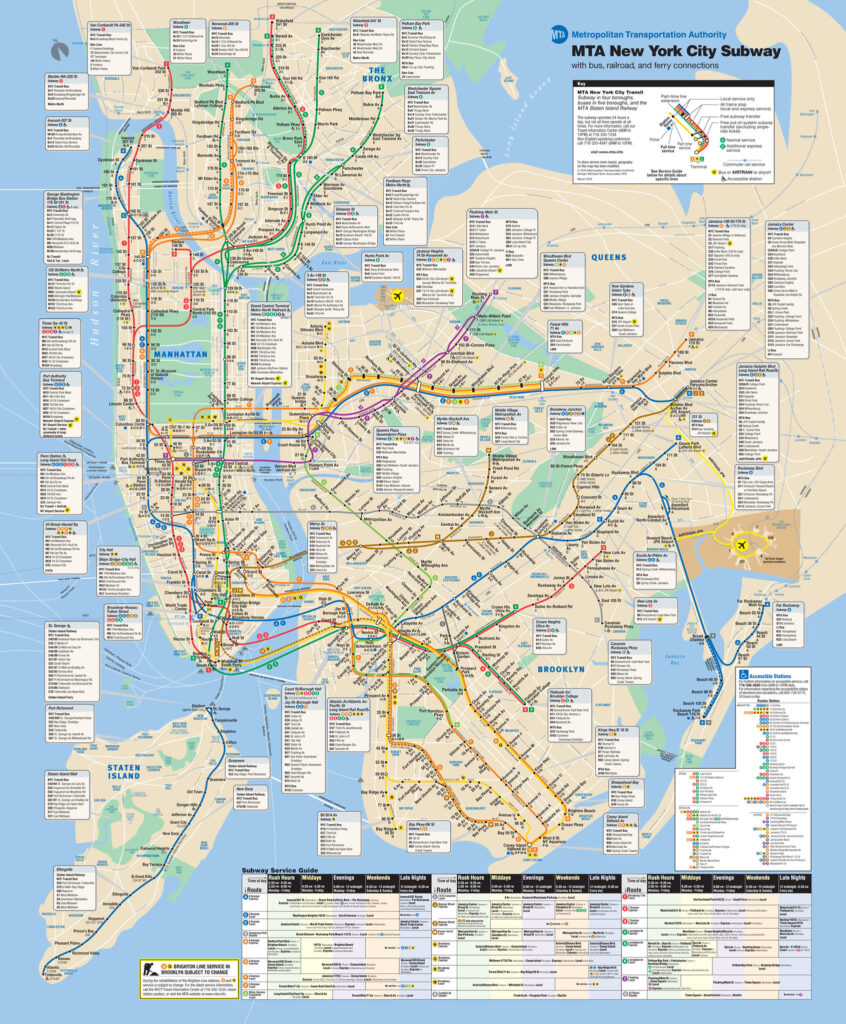
The New York City Subway is one of the oldest and most extensive public transportation systems in the world, operated by the Metropolitan Transportation Authority (MTA). It’s a 24/7 operation, meaning you can generally get anywhere, anytime, though service patterns can change late at night and on weekends. The system comprises over 470 stations and more than 24 different lines, each denoted by a letter or number.
Key Components to Grasp
- Lines and Routes: Each subway line is identified by a letter (e.g., A, C, E) or a number (e.g., 1, 2, 3). These letters/numbers typically correspond to the train cars themselves. Importantly, multiple lines can share the same tracks for significant stretches, meaning a single platform might serve trains heading in the same general direction but stopping at different local or express stations.
- Uptown vs. Downtown: This is a crucial distinction. “Uptown” refers to trains heading north, towards Harlem, The Bronx, and Queens. “Downtown” refers to trains heading south, towards Lower Manhattan and Brooklyn. Station signage will always clearly indicate the direction.
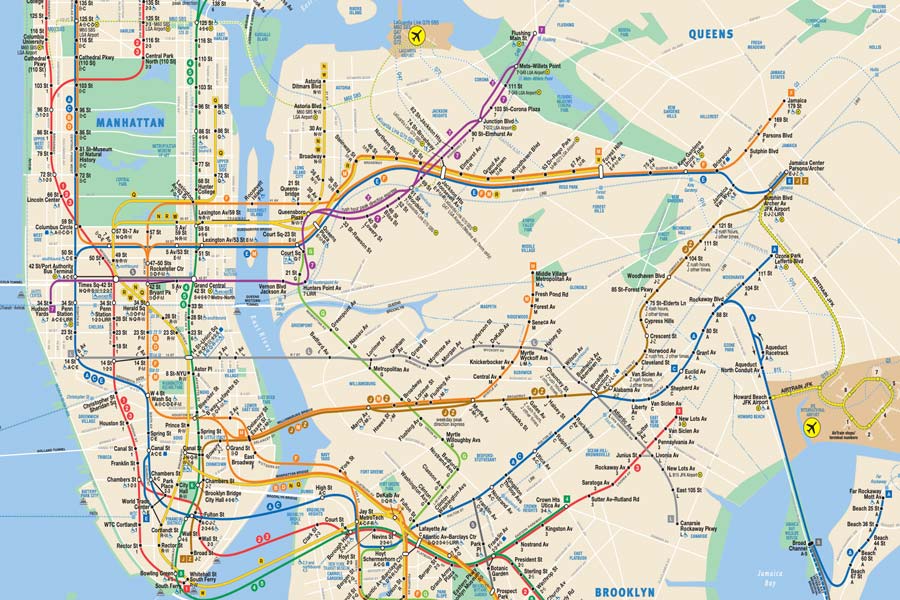
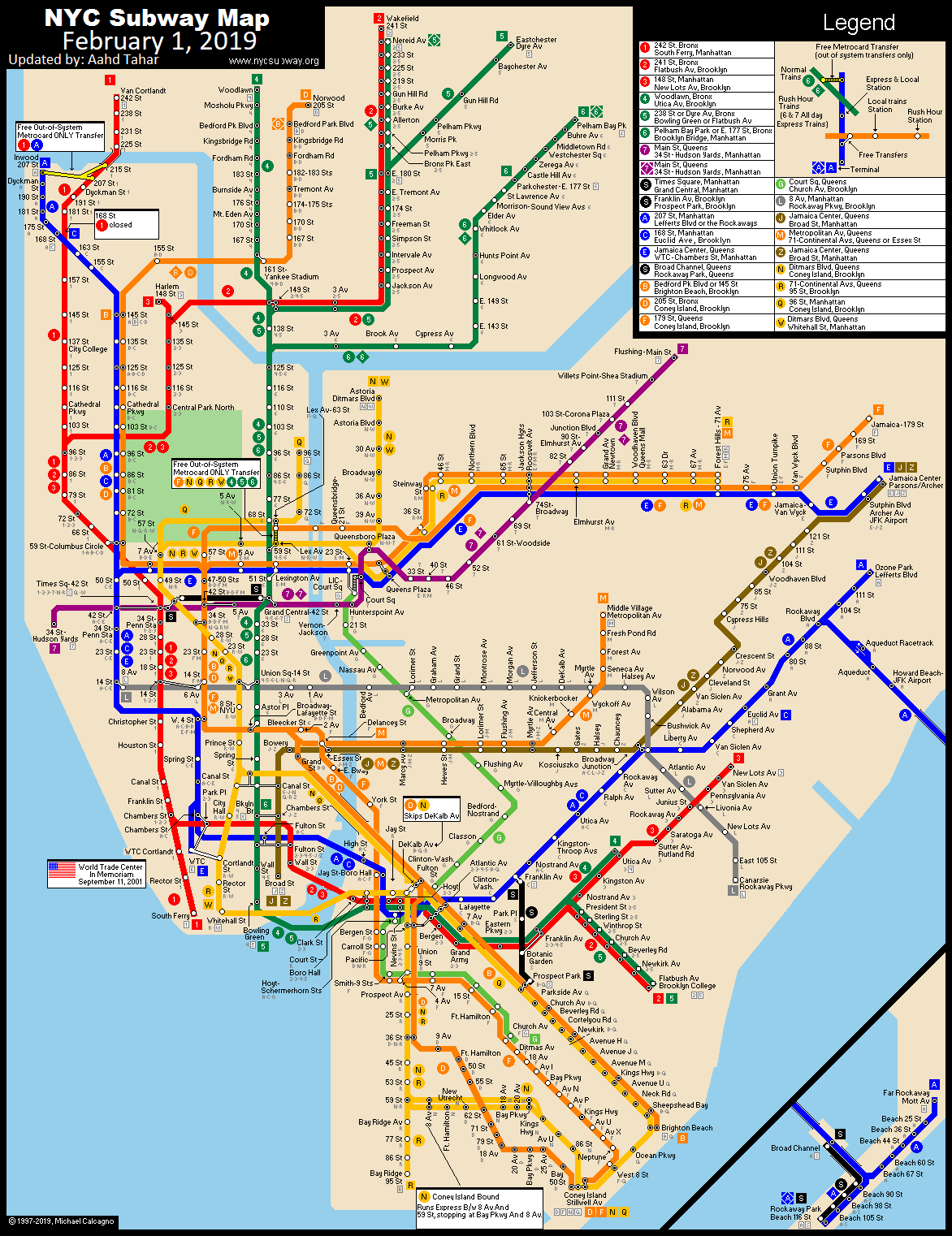
- Local vs. Express: Express trains skip many stations, making them faster for longer distances. Local trains stop at every station. Look for the symbols on the map and platform signs: a diamond symbol usually indicates an express stop, while a circle indicates a local stop. Understanding this difference can save you considerable time.
- Ridership Etiquette: While the subway can be crowded, a few simple courtesies can make the experience smoother for everyone. Let passengers exit the train before you attempt to board. Move to the center of the car if you’re not getting off at the next stop. Keep your belongings close and out of the aisle.
Planning Your Journey: Tools and Tactics
Effective planning is your greatest ally in conquering the New York City Subway. Thankfully, technology and readily available resources make this easier than ever.
Essential Tools for Navigation
- MTA Website and App: The official MTA website and its accompanying app, “MYmta,” are indispensable. They provide real-time service updates, delay information, trip planners, and system maps. Familiarize yourself with these resources before you even step into a station.
- Third-Party Navigation Apps: Numerous third-party apps (e.g., Citymapper, Google Maps) integrate MTA data to offer user-friendly, often more intuitive, navigation. These apps can compare different routes, show walking directions to the station, and even estimate travel times based on current conditions.
- Physical Maps: While digital is convenient, carrying a pocket-sized subway map can be a lifesaver, especially in areas with poor cell service. You can often find these at tourist information centers or even at some subway stations.
Crafting Your Route
- Identify Your Origin and Destination: Pinpoint your current location or starting point and your desired destination.
- Determine the Best Lines: Use your chosen app or map to see which subway lines serve both your origin and destination.
- Consider Transfers: The New York City Subway often requires transfers between lines. Your planner will indicate where these transfers are possible and often suggest the most efficient ones. Look for stations marked with interlocking circles on the map, indicating a transfer point.
- Check for Service Changes: Before embarking on your journey, always check for planned service changes or unexpected delays. The MTA typically posts these on their website and app.
Riding the Rails: A Step-by-Step Experience
Once you’ve planned your route, the physical act of riding the subway is straightforward, provided you know what to expect.
Entering the System
- Fares and Payment: The MTA uses the OMNY (One Metro New York) contactless payment system. You can tap your contactless credit/debit card, smartphone with a mobile wallet, or a wearable device at the turnstile. Alternatively, you can purchase a MetroCard at vending machines located in most stations. For frequent riders, a weekly or monthly Unlimited Ride MetroCard can be cost-effective.
- Navigating Station Entrances: Subway entrances are ubiquitous in New York City, often marked by green globes (entrances) and red globes (exits). Some stations have multiple entrances on different blocks, so pay attention to the signs indicating Uptown/Downtown and the lines served.
On the Platform and Aboard
- Platform Signage: Each platform has clear signage indicating the direction of travel (Uptown/Downtown) and the lines that stop there. Pay close attention to whether the platform serves local or express trains.
- Boarding the Train: When the train arrives, stand to the side of the doors and allow passengers to exit first. Once they have disembarked, you can board.
- Finding a Seat: During peak hours, seats can be scarce. Be prepared to stand. If you do find a seat, offer it to elderly passengers, pregnant women, or those with disabilities.
- Using the Strip Map: Inside the train car, a strip map above the windows displays all the stations along that particular line. This is incredibly helpful for tracking your progress and knowing when to prepare for your stop.
Exploring Beyond the Tourist Hotspots
The true magic of the New York City Subway lies in its ability to connect you to every corner of the city, from iconic landmarks to emerging neighborhoods.
Iconic Destinations Accessible by Subway
- Times Square: The pulsing heart of Midtown Manhattan, accessible via numerous lines, including the 1, 2, 3, N, Q, R, W, S, and 7 trains.
- Central Park: The city’s vast green oasis is easily reached from various stations along its perimeter, with the B, C, 1, 2, 3, N, Q, R, W, and 6 trains providing access to different sections.
- Statue of Liberty & Ellis Island: Take the 1 train to South Ferry or the R/W to Whitehall Street for ferry access to these historic sites.
- Museum of Modern Art (MoMA): The E and M trains stop directly at 53rd Street, just steps away.
- Metropolitan Museum of Art: The 4, 5, 6 trains to 86th Street offer a direct route.
Discovering Local Neighborhoods
The subway is your key to experiencing the authentic character of New York City.
- Greenwich Village: The A, C, E, B, D, F, and M trains serve this bohemian enclave known for its historic streets and vibrant arts scene.
- SoHo: The N, Q, R, W, and 6 trains provide access to this fashionable district famous for its cast-iron architecture and designer boutiques.
- Chinatown & Little Italy: Take the N, Q, R, W, 4, 5, 6, J, or Z trains to explore these culturally rich neighborhoods in Lower Manhattan.
- Brooklyn’s DUMBO: The F and A/C trains to Jay Street-MetroTech or High Street offer convenient access to this trendy area with stunning Manhattan skyline views.
- Williamsburg, Brooklyn: The L train is the primary artery to this eclectic and artistic neighborhood.
Safety and Best Practices
While generally safe, like any major urban transit system, the New York City Subway requires awareness and adherence to safety guidelines.
Staying Aware and Secure
- Be Aware of Your Surroundings: Keep your belongings secure and be mindful of who is around you, especially in crowded areas or late at night.
- Stay Visible: Try to sit or stand near other people, particularly on less crowded trains or platforms. Avoid being alone in deserted areas of stations.
- Know Your Exits: Familiarize yourself with the station layout and the location of exits.
- Trust Your Instincts: If a situation feels unsafe, trust your gut. Move to a more populated area or consider waiting for the next train.
- Report Suspicious Activity: If you witness anything concerning, do not hesitate to inform a transit worker or use the emergency call boxes available in many stations.
- Late Night Travel: While the subway runs 24/7, service can be less frequent and trains less crowded overnight. Exercise extra caution during these hours. Consider using the “Ask My MTA” system on some trains, where uniformed MTA personnel can be found.
By embracing the New York City Subway as a vital part of your urban adventure, you unlock a deeper, more authentic experience of the city. It’s not just a mode of transport; it’s a gateway to discovery, connecting you to the diverse tapestry of New York one stop at a time.
LifeOutOfTheBox is a participant in the Amazon Services LLC Associates Program, an affiliate advertising program designed to provide a means for sites to earn advertising fees by advertising and linking to Amazon.com. Amazon, the Amazon logo, AmazonSupply, and the AmazonSupply logo are trademarks of Amazon.com, Inc. or its affiliates. As an Amazon Associate we earn affiliate commissions from qualifying purchases.