
Notarizing a document in Texas is a straightforward process, but understanding the requirements and steps involved is crucial to ensure your document is legally valid. Whether you’re dealing with real estate transactions, affidavits, powers of attorney, or other important legal papers, a notary public acts as an impartial witness to the signing. This guide will walk you through the essentials of getting a document notarized in the Lone Star State, offering clarity and confidence.
Understanding the Role of a Notary Public in Texas
A notary public in Texas is a commissioned official appointed by the Texas Secretary of State to serve as an impartial witness in performing a variety of official acts related to the signing of documents. Their primary purpose is to deter fraud and ensure the proper execution of documents by verifying the identity of the signer and witnessing their signature.
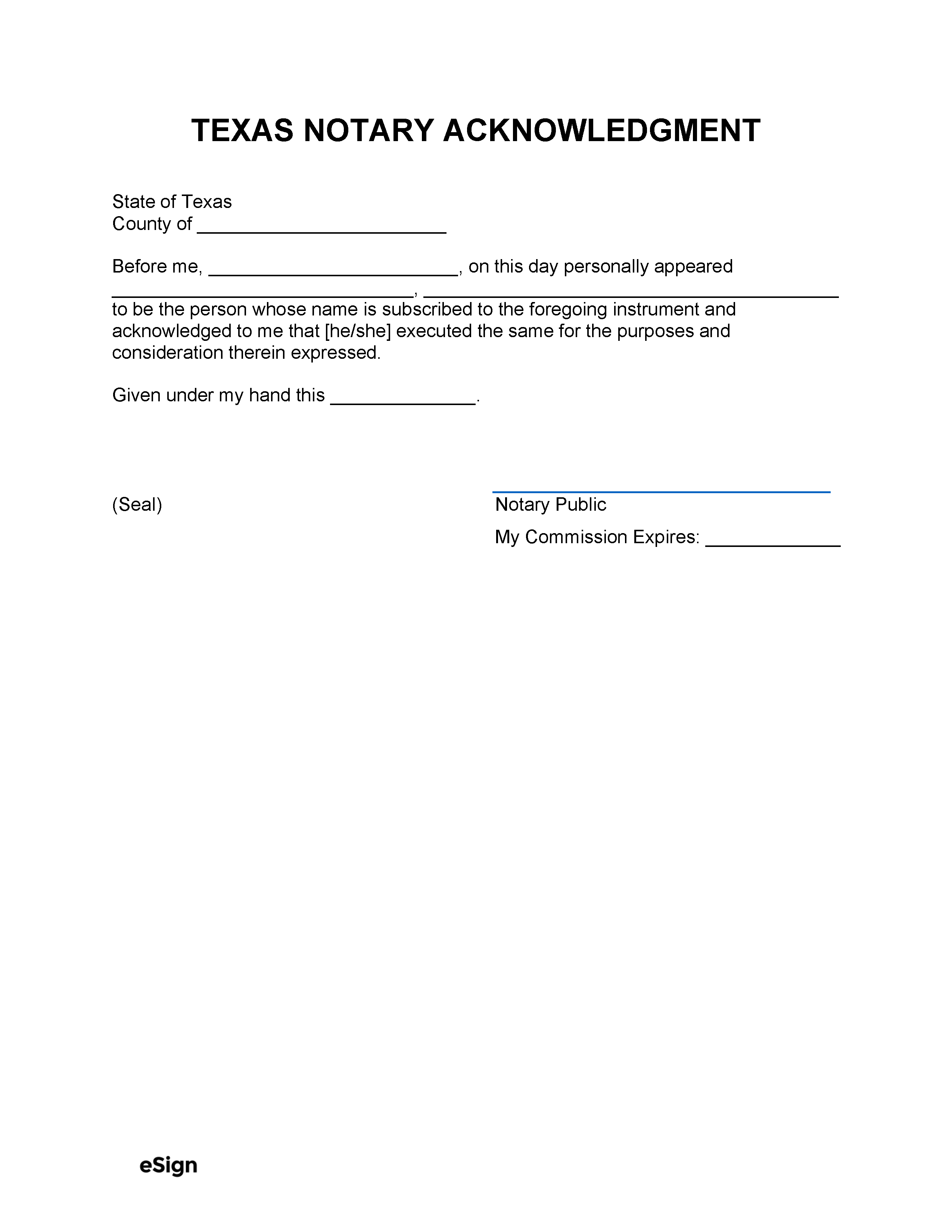
Key Responsibilities of a Notary
- Witnessing Signatures: The notary observes the signer executing their signature on the document.
- Verifying Identity: This is a critical function. Notaries must confirm the identity of the person signing the document through satisfactory evidence.
- Administering Oaths and Affirmations: For certain documents, the notary may administer an oath or affirmation to the signer, ensuring they are swearing or affirming the truthfulness of the document’s contents.
- Taking Acknowledgments: The signer declares to the notary that they have signed the document voluntarily.
- Executing the Notarial Certificate: The notary completes a notarial certificate on the document, which includes their signature, official seal, and commission information.
Who Can Be a Notary in Texas?
To become a notary public in Texas, an individual must meet several qualifications:
- Be at least 18 years old.
- Be a legal resident of Texas for at least six months prior to application.
- Be able to read, write, and understand the English language.
- Have no felony convictions or crimes involving moral turpitude that would disqualify them.
- Complete a notary public education course approved by the Texas Secretary of State.
- Pass a state-administered examination.
- Submit a completed application and pay the required fees.
- Obtain a surety bond.
Steps to Get Your Document Notarized in Texas
The process of getting a document notarized in Texas involves several distinct stages. Following these steps carefully will ensure a smooth and legally sound notarization.
1. Prepare Your Document
Before you meet with a notary, ensure your document is fully prepared. This means:
- Completeness: The document should be entirely filled out. Most notaries will not notarize a document with blank spaces, especially in critical areas where a signature or information is required.
- No Alterations: Do not make any handwritten changes, erasures, or obliterations to the document before notarization. If corrections are needed, a new document should be prepared.
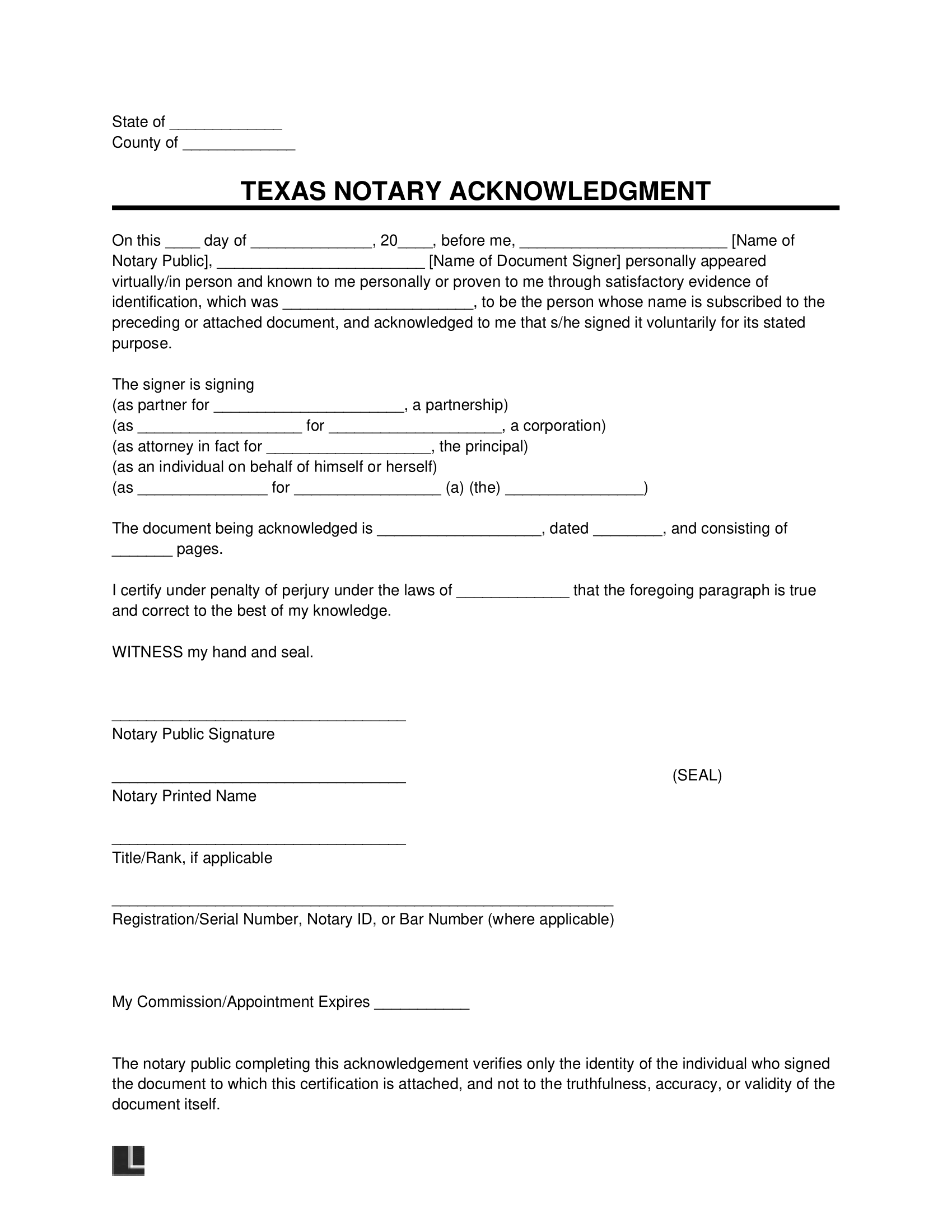
- Clear Notarial Wording: For many documents, specific notarial language (the “notarial certificate”) is required. This wording indicates the type of notarization being performed (e.g., acknowledgment, jurat). If you are unsure about the correct wording, consult the entity that requested the document or seek legal advice. Some notaries may be able to provide standard wording if it’s not already present.
2. Identify the Signers
All individuals whose signatures require notarization must be present before the notary. The notary cannot notarize a signature for someone who is not physically present.
3. Present Satisfactory Identification
This is arguably the most crucial step for the notary. In Texas, a notary must verify the identity of the signer through satisfactory evidence. Acceptable forms of identification typically include:
- A government-issued identification document: This must be current and contain the signer’s photograph, physical description, and signature. Examples include:
- A Texas driver’s license
- A Texas identification certificate
- A United States passport
- A foreign passport
- A United States military ID
- A Texas correctional identification certificate issued by the Texas Department of Criminal Justice
- A valid passport or card issued by the U.S. Department of State.
- The oath or affirmation of one credible witness: If the signer does not have a valid government-issued ID, a credible witness who personally knows the signer and has satisfactory identification may vouch for the signer’s identity. The notary must be satisfied with the witness’s identification as well.
It is essential to confirm with the notary you will be using what forms of identification they accept, as practices can sometimes vary slightly, although they must adhere to the Texas statutes.
4. Sign the Document in the Notary’s Presence
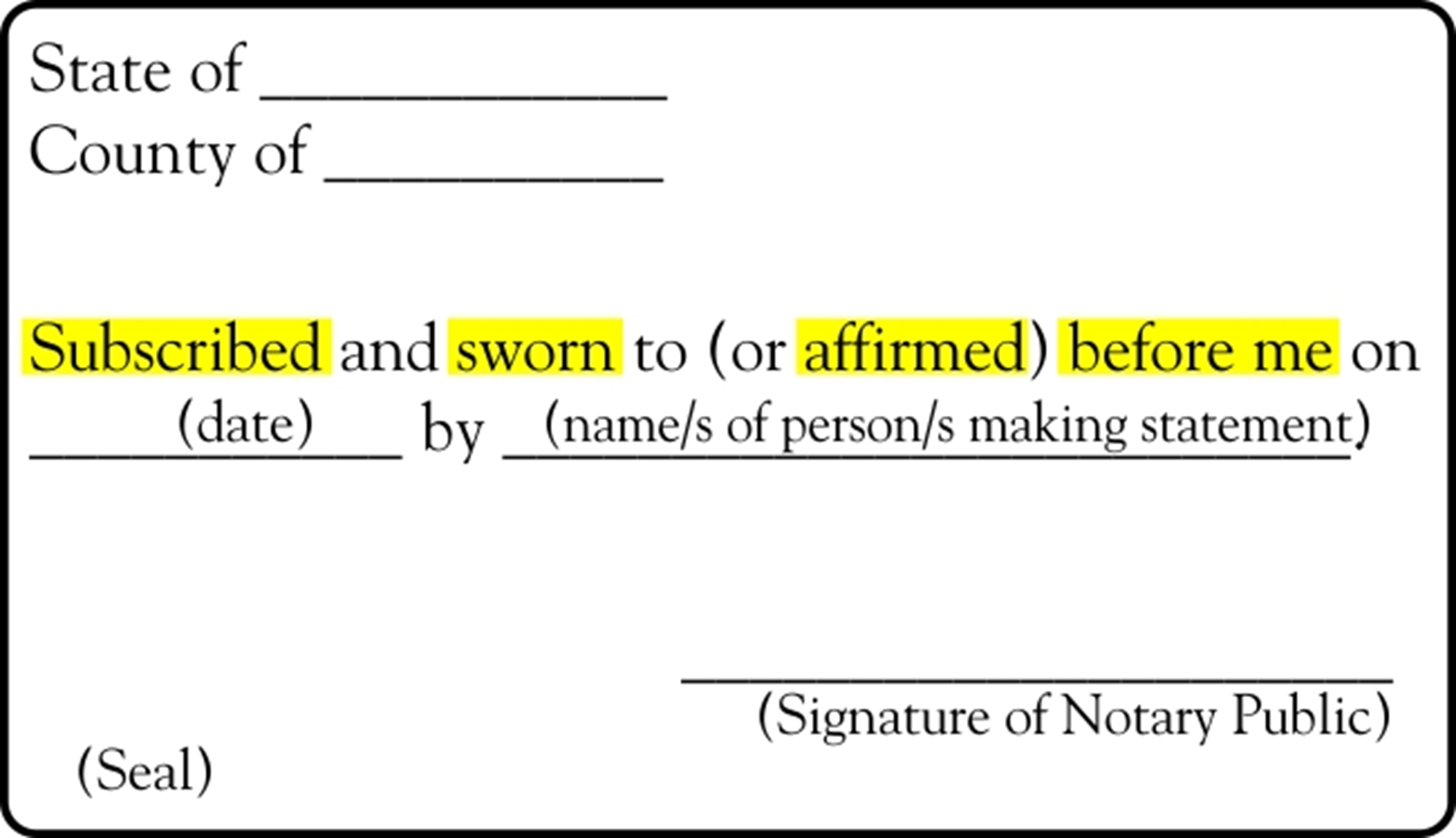
Once your identity has been verified, you will be asked to sign the document in front of the notary. For certain notarial acts, such as a jurat (where you swear or affirm the truthfulness of the document’s contents), you will sign after the notary administers the oath or affirmation. For an acknowledgment, you will typically declare to the notary that you signed the document voluntarily.
5. The Notary Completes the Notarial Certificate
After witnessing your signature and verifying your identity, the notary will complete the notarial certificate. This section, usually found at the end of the document or on an attached page, will contain:
- The type of notarial act performed: (e.g., “Sworn to and subscribed before me,” “Acknowledged before me”).
- The date of the notarization.
- The notary’s signature.
- The notary’s printed name.
- The notary’s commission expiration date.
- The notary’s official seal: This is a stamp containing the notary’s name, commission number, and the Texas state seal.
6. Pay the Notary Fee
Texas law sets maximum fees that notaries can charge for their services. As of the latest regulations, the maximum fee for most notarizations is $6.00 per signature. Some mobile notaries or those offering additional services may charge more for travel or convenience, but the per-signature notarization fee is capped. Always clarify the fees before the notarization is performed.
Where to Find a Notary Public in Texas
Locating a notary public in Texas is generally easy, as they are available in many public and private institutions.
Common Places to Find a Notary
- Banks and Credit Unions: Many financial institutions, such as Chase Bank or Wells Fargo, offer notary services, often for free or at a low cost to their customers.
- U.S. Post Offices: Some post office locations provide notary services.
- Libraries: Public libraries in many Texas cities offer notary services.
- Shipping Stores: Businesses like The UPS Store or FedEx Office frequently have commissioned notaries on staff.
- City Halls and County Clerk Offices: These government offices may offer notary services, though it’s advisable to call ahead and confirm.
- Legal and Real Estate Offices: Attorneys’ offices and real estate agencies often have notaries available for clients.
- Online Notary Directories: Websites dedicated to connecting individuals with notaries can be helpful, especially if you need a mobile notary who can come to your location.
- Mobile Notaries: If you are unable to travel, a mobile notary can come to your home, office, or a mutually agreed-upon location. This service typically incurs an additional travel fee.
When choosing a notary, it’s always a good idea to call ahead to confirm their hours of operation, the types of notarizations they perform, and their specific identification requirements.
Common Types of Notarial Acts in Texas
Texas notaries can perform several types of notarial acts, each serving a specific purpose. Understanding these can help you know what to expect and what information you might need to provide.
Acknowledgments
In an acknowledgment, the signer declares to the notary, in person, that they have willingly signed the document. The notary does not necessarily witness the signature itself but rather the signer’s declaration and acknowledgment of their signature on the document. This is common for deeds, powers of attorney, and other legal documents where the signer is confirming their voluntary execution.
Jurats
A jurat requires the signer to sign the document in the presence of the notary and to swear or affirm that the contents of the document are true and correct. The wording of a jurat typically includes “Sworn to and subscribed before me.” This is often used for affidavits, depositions, and other documents where the signer is attesting to the truthfulness of the statements within.
Copy Certifications
A Texas notary can certify copies of certain documents. However, they cannot certify copies of vital records such as birth certificates, death certificates, or marriage certificates, or public records that are already required to be copied by law. For most other documents, the notary verifies that the copy is a true and exact duplication of the original document presented to them.
Protests
While less common, notaries may also be authorized to record protests of nonpayment or nonacceptance of negotiable instruments, such as checks or promissory notes.
Frequently Asked Questions About Notarization in Texas
Can a notary refuse to notarize a document?
Yes, a notary public has the right and obligation to refuse to notarize a document if:
- The signer does not appear in person.
- The signer cannot provide satisfactory identification.
- The notary believes the signer is unaware of the document’s contents or is not signing willingly.
- The notary suspects the document is fraudulent or illegal.
- The document is incomplete or contains uncorrected errors.
What if the document doesn’t have a place for a notary seal?
Notaries are required to affix their seal to the notarial certificate. If the document doesn’t have space, the notary will typically attach a separate piece of paper called a “loose certificate” or “rider” that contains the notarial wording, seal, and signature.
Do I need an appointment to see a notary?
While some notaries operate on a walk-in basis, especially those at The UPS Store or banks, it is always recommended to call ahead, particularly if you are seeking a mobile notary or visiting a less public location. This ensures the notary will be available and prepared for your visit.
Can a notary notarize a document signed by a minor?
Generally, notaries will not notarize documents for minors unless the minor is accompanied by a parent or legal guardian who is also signing or consenting to the document. Specific situations might require legal counsel to determine the proper notarization procedure.
What is a notary journal?
Texas notaries are required to keep a detailed journal of all official acts performed. This journal serves as a record of each notarization, including the date, time, type of document, names of signers, method of identification, and signatures. This journal is a critical tool for accountability and can be used to resolve disputes or investigate potential misconduct.
By understanding these steps and requirements, you can confidently navigate the process of notarizing your documents in Texas, ensuring your legal paperwork is properly executed and legally sound.
LifeOutOfTheBox is a participant in the Amazon Services LLC Associates Program, an affiliate advertising program designed to provide a means for sites to earn advertising fees by advertising and linking to Amazon.com. Amazon, the Amazon logo, AmazonSupply, and the AmazonSupply logo are trademarks of Amazon.com, Inc. or its affiliates. As an Amazon Associate we earn affiliate commissions from qualifying purchases.