
Embarking on new adventures, whether to a bustling international city like Paris, a serene beach resort in the Caribbean, or even exploring the vibrant local culture within the United States, often requires meticulous planning. Beyond booking flights, securing accommodation, and curating your itinerary of landmarks and attractions, one fundamental aspect that underpins much of our lifestyle and travel aspirations is identity. For residents of the Lone Star State, understanding how to obtain a birth certificate in Texas is not merely a bureaucratic task; it’s a gateway to international travel, domestic exploration, and a myriad of essential life functions.
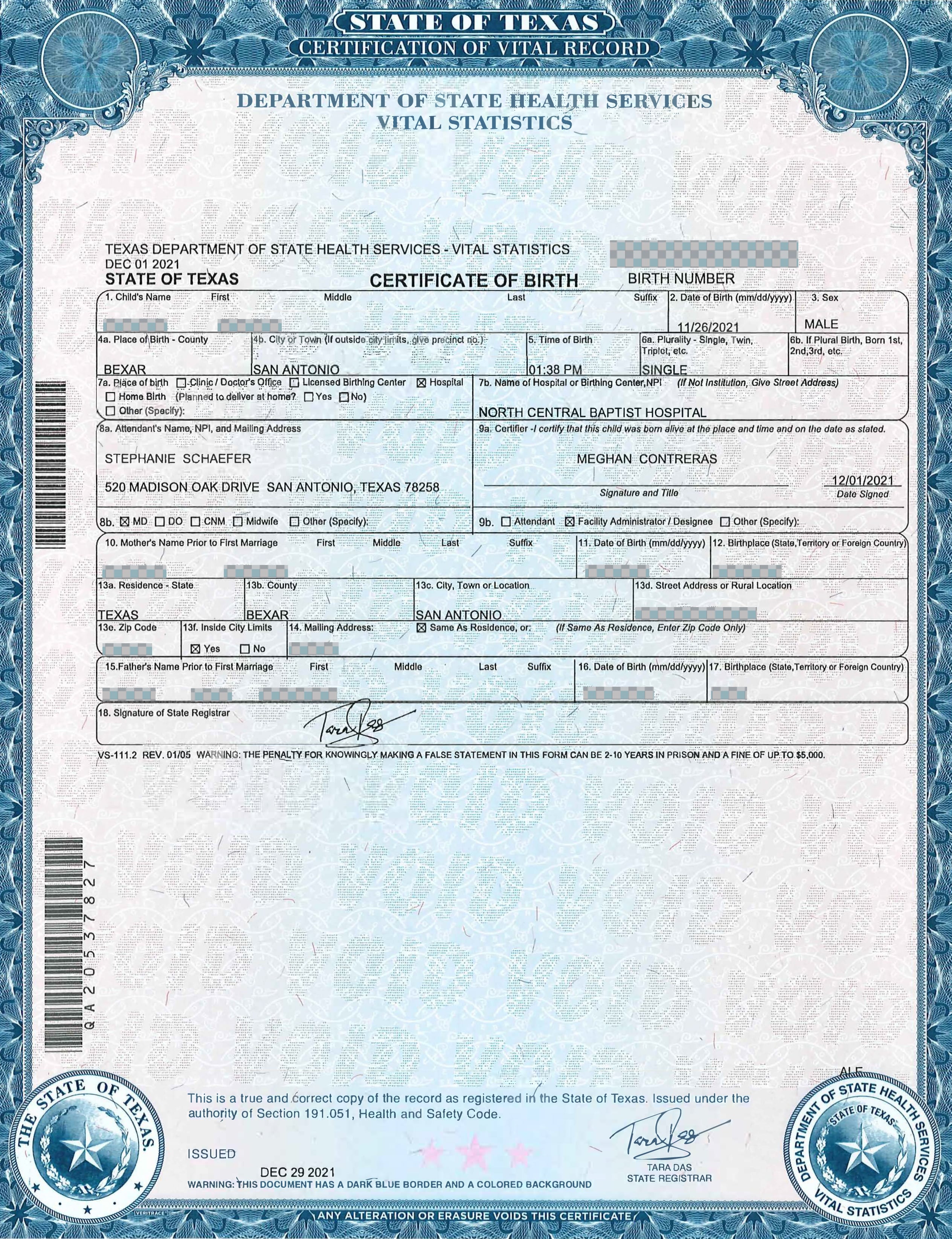
A birth certificate serves as the cornerstone of personal identification, a primary document proving not only your place and date of birth but also your legal parentage. From applying for a passport to enrolling in educational programs, claiming benefits, or even simply verifying your age for certain travel discounts or activities, its importance cannot be overstated. For the avid traveler or someone planning a new life chapter, ensuring easy access to this vital record is crucial for smooth journeys and hassle-free experiences. This comprehensive guide will walk you through the process, requirements, and considerations for obtaining a birth certificate in Texas, ensuring you’re well-prepared for whatever adventure lies ahead.
The Indispensable Role of Your Texas Birth Certificate in Travel and Beyond
In an increasingly interconnected world, where identity verification is paramount, your Texas birth certificate stands as a powerful testament to who you are. Its utility extends far beyond mere record-keeping, serving as a foundational document for countless personal, legal, and travel-related endeavors.
Why a Birth Certificate is More Than Just a Document
At its core, a birth certificate is the primary legal document confirming a person’s birth, establishing their identity, and providing crucial details about their origin. For anyone residing in or born in Texas, a certified copy of this document is often the first step in unlocking a series of important milestones and opportunities.
For instance, consider the dream of experiencing the historical grandeur of Rome or the natural wonders of Costa Rica. To make these international travel dreams a reality, you’ll need a passport. The United States Department of State mandates a certified birth certificate as primary evidence of U.S. citizenship for a passport application. Without it, your international travel plans could grind to a halt before they even begin.
Domestically, the landscape of travel has also evolved. The Real ID Act of 2005, a federal law, established minimum security standards for state-issued driver’s licenses and identification cards. For those planning to fly within the United States or access federal facilities, a Real ID compliant driver’s license or state ID card is often required. Obtaining a Real ID typically requires presenting your birth certificate as proof of identity and legal presence. So, whether you’re catching a flight from Dallas Fort Worth International Airport to New York City or driving cross-country to explore national parks, your birth certificate indirectly facilitates your domestic travels.
Beyond travel, a birth certificate is indispensable for:
- Obtaining other forms of identification: This includes driver’s licenses, state ID cards, and a Social Security Card from the Social Security Administration.
- Enrolling in educational institutions: From kindergarten to college, schools often require a birth certificate for registration.
- Accessing government benefits: Applying for various social services or benefits often requires proof of identity and age.
- Marriage and family matters: Getting married, adopting a child, or establishing paternity all rely on birth records.
- Employment: Some employers, particularly those requiring security clearances, may request a birth certificate.
- Inheritance and estate planning: In legal matters concerning wills and inheritances, proof of relationship and identity through birth records is crucial.
Essentially, for every significant life event that involves confirming who you are and where you come from, your Texas birth certificate plays a pivotal role.
Who is Eligible to Request a Texas Birth Certificate?
The sensitive nature of vital records necessitates strict rules regarding who can obtain a certified copy of a birth certificate. In Texas, access is generally restricted to individuals with a direct, tangible interest in the record. This ensures privacy and prevents unauthorized access to personal information.
Eligible applicants typically include:
- The individual named on the certificate: If they are 18 years of age or older.
- A parent: Whose name appears on the birth certificate.
- A legal guardian: With court documentation proving guardianship.
- A spouse: The current legal spouse of the individual named on the certificate.
- A child: A child (18 years or older) of the individual named on the certificate.
- A grandparent: A grandparent (parent of a parent listed on the certificate) of the individual named on the certificate.
- A sibling: An adult brother or sister of the individual named on the certificate.
- A legal representative: An attorney representing one of the above eligible individuals, with proper documentation.
It is critical to note that all requests must be accompanied by acceptable proof of identity and, if applicable, proof of relationship to the person named on the birth certificate. For example, a parent requesting their child’s birth certificate would need to provide their own ID and be listed as a parent on the record. Without proper documentation, your request will be denied, leading to delays in your travel plans or other important life events. Always ensure you have the necessary paperwork ready to avoid complications.
Navigating the Application Process: Your Options for Securing a Texas Birth Certificate
Once you understand the importance of a birth certificate and confirm your eligibility, the next step is to navigate the application process itself. Texas offers several convenient methods for obtaining a certified copy, each with its own set of requirements and considerations.
Essential Information and Documents You’ll Need
Before initiating your application, gathering all necessary information and supporting documents is crucial. Having everything prepared beforehand will significantly expedite the process and prevent common errors that can lead to delays.
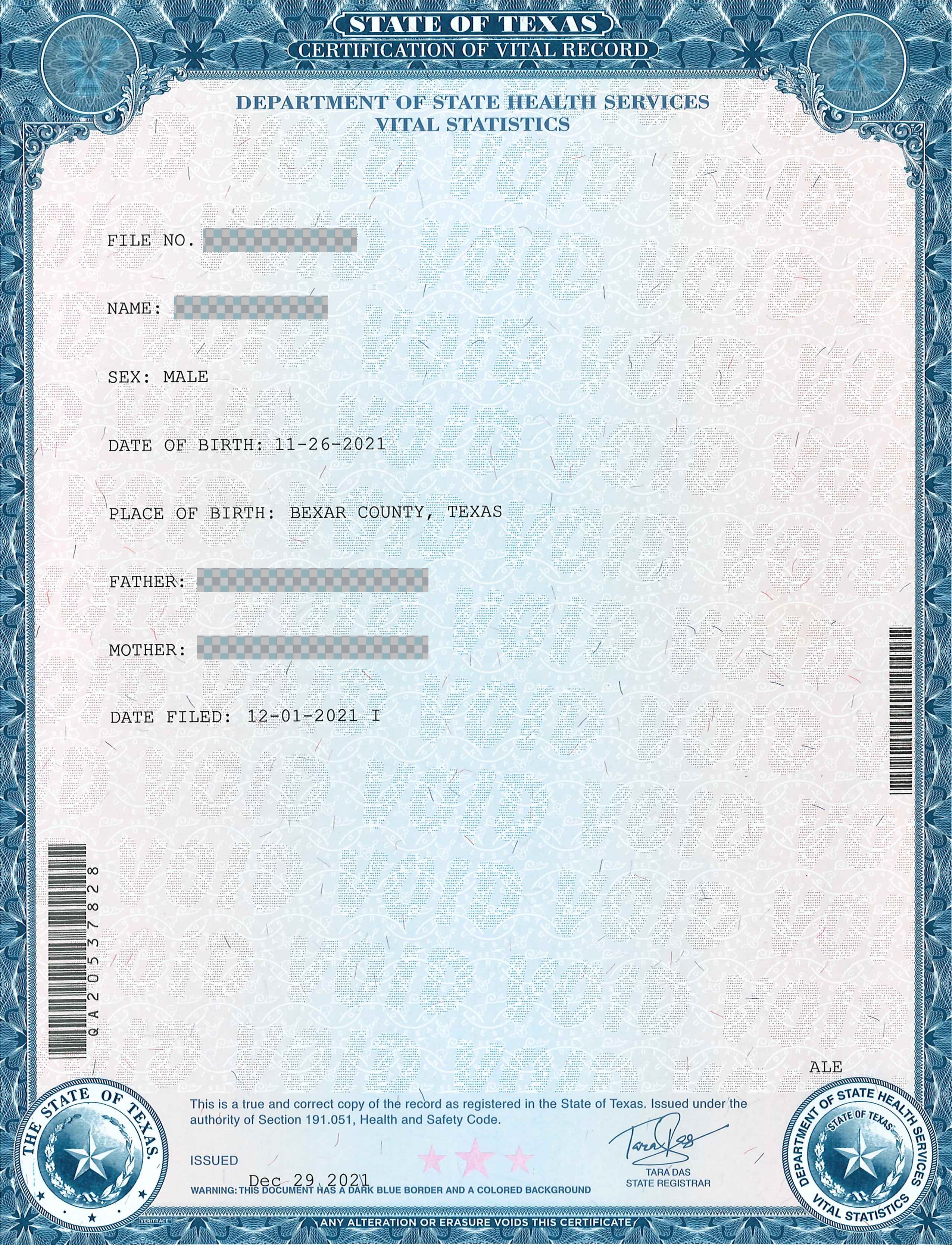
You will typically need the following information about the person named on the birth certificate:
- Full name at birth: Including any middle names and suffixes.
- Date of birth: Month, day, and year.
- Place of birth: City or county in Texas where the birth occurred.
- Parents’ full names: Including the mother’s maiden name.
In addition to this information, you must provide proof of your own identity. Acceptable forms of ID usually include:
- A current, valid driver’s license from any U.S. state.
- A current, valid state-issued ID card.
- A current, valid passport from any country.
- A military ID.
- Other government-issued identification with a photograph.
If you are requesting a birth certificate for someone else (e.g., your child or parent), you will also need to provide proof of your relationship to that individual. This might include:
- Your own birth certificate (to show parentage).
- A marriage certificate (to show spousal relationship).
- Court orders (for legal guardianship).
For mail-in applications, your ID and any supporting documents often need to be notarized. This adds an extra layer of security, verifying your identity before you send sensitive information through the postal service. The Texas Department of State Health Services (DSHS) website provides specific forms (e.g., the Application for a Certified Copy of a Birth Record) that you’ll need to complete accurately.
Methods of Application: Online, Mail, and In-Person
Texas offers multiple channels to apply for a birth certificate, each catering to different needs regarding speed, convenience, and security.
Online Application
For many, applying online is the most convenient option, especially for those with busy lifestyles or living far from a vital statistics office. The Texas DSHS contracts with third-party vendors (like Texas.gov or VitalChek) to process online requests.
- Pros: Accessible 24/7, from anywhere with an internet connection. Often the quickest method for processing and shipping. Payment is typically made via credit or debit card.
- Cons: These services usually charge an additional convenience fee on top of the state’s standard fee. You’ll need to upload copies of your ID and sometimes a notarized statement electronically.
- Tip: Always ensure you are using an authorized vendor linked directly from the official DSHS website to avoid scams and protect your personal information.
Mail Application
Applying by mail is a traditional and secure method, particularly suitable if you prefer not to share documents online or need to include specific supporting paperwork.
- Process: Download and complete the official application form from the DSHS website. Include a legible photocopy of your valid ID (often requiring notarization), proof of relationship if applicable, and a money order or cashier’s check for the appropriate fee. Mail all documents to the Texas DSHS Vital Statistics Section in Austin.
- Pros: Good for those who prefer physical documentation and payment methods. Secure if sent via certified mail.
- Cons: Longer processing times due to mail transit and manual review. Requires notarization for ID copies, which might require an extra step.
- Tip: Use certified mail with tracking to ensure your application reaches its destination and for proof of mailing.
In-Person Application
For immediate needs or complex cases, applying in person at a local vital statistics office or a county clerk’s office is often the best option.
- Locations: In Texas, you can apply at the DSHS Vital Statistics Section in Austin or at various local registrars’ offices (often located in county clerk’s offices or city health departments) throughout the state. Major cities like Houston, Dallas, San Antonio, and Fort Worth will have these facilities.
- Process: Bring your completed application form, original valid photo ID, proof of relationship (if applicable), and payment (cash, credit card, money order vary by location). You’ll typically receive the certificate on the same day, assuming all documentation is in order.
- Pros: Fastest method for obtaining a certificate, often same-day issuance. Staff can assist with questions and verify documentation on the spot. Ideal for urgent travel plans or last-minute requirements.
- Cons: Requires travel to a physical location during business hours, which may be inconvenient. Potential wait times depending on the office’s volume.
- Tip: Call ahead to confirm office hours, required documents, and accepted payment methods for the specific location you plan to visit.
Understanding Fees, Processing Times, and Key Considerations
Securing your Texas birth certificate involves not only understanding the application methods but also being aware of the associated costs, expected waiting periods, and crucial tips to ensure a smooth and successful process. This knowledge is especially vital for travelers who might be working with tight deadlines for passport applications or Real ID renewals.
Costs and Processing Timelines
The cost of a certified birth certificate in Texas is set by the state, though additional fees may apply depending on your application method.
- Standard Fee: As of the latest updates, the standard fee for a certified copy of a birth certificate from the Texas DSHS Vital Statistics Section is typically around $23. This fee is subject to change, so always verify the current amount on the official DSHS website or by contacting them directly.
- Online Vendor Fees: If you apply through an authorized online vendor, expect to pay an additional convenience fee (usually $5-$10) and potentially a shipping fee, which can vary based on expedited shipping choices.
- Local Registrar Fees: Fees at county or city vital statistics offices may vary slightly, so it’s always best to confirm with the specific office you plan to visit.
Processing times are a critical factor, particularly if you need the document for an upcoming trip or other time-sensitive matter.
- In-Person: Typically the fastest, with certificates often issued on the same day if all documentation is correct.
- Online: Generally quicker than mail, with processing times often ranging from 5 to 10 business days, plus shipping time (which can be expedited for an extra cost).
- Mail: This is usually the slowest method. Standard mail processing can take anywhere from 2 to 4 weeks, sometimes longer during peak periods or if there are issues with the application, not including postal delivery time.
Recommendation for Travelers: If you have an urgent need for a birth certificate, such as for a last-minute international flight to Mexico or Canada, applying in person is highly recommended. Otherwise, consider the online expedited options well in advance of your travel dates.
Critical Tips and Common Pitfalls to Avoid
Navigating government bureaucracy can sometimes be daunting, but with a few key tips and an awareness of common pitfalls, you can ensure your birth certificate application is a smooth experience.
- Double-Check All Information: Even a minor misspelling or incorrect date can lead to your application being rejected, causing significant delays. Cross-reference all names, dates, and locations with existing documents.
- Ensure Valid and Correct ID and Notarization: An expired driver’s license or an improperly notarized document is a sure way to receive a denial. Make sure your ID is current and that the notary public has properly executed the notarization if required.
- Beware of Unofficial Third-Party Websites: The internet is rife with unofficial services that may charge exorbitant fees or, worse, be fraudulent. Always begin your search on the official Texas Department of State Health Services website (dshs.texas.gov) for direct links to authorized vendors.
- Keep Copies of Everything: Before submitting your application, make photocopies or digital scans of the completed form, your ID, proof of payment, and any supporting documents. This can be invaluable if your application is lost or if there’s a dispute.
- Plan Ahead: For any critical need, such as a passport application, begin the process of obtaining your birth certificate several months in advance. Unexpected delays can arise, and sufficient lead time reduces stress.
- What if There are Errors on the Certificate? If you receive a birth certificate with incorrect information, you’ll need to follow a separate process for amendment. This typically involves submitting an application for amendment, along with supporting documentation proving the correct information. The DSHS website provides detailed instructions for this process.
- Special Considerations for Adoptions or Amendments: If the birth certificate is for an adopted individual or has undergone prior amendments (e.g., name changes), the process might be more complex, requiring specific court orders or additional documentation. Contact the DSHS Vital Statistics Section directly for guidance in such cases.

Preparing for Your Next Adventure: The Peace of Mind a Birth Certificate Provides
Ultimately, the act of obtaining a birth certificate in Texas is a fundamental step toward securing your identity and ensuring seamless participation in various aspects of life, particularly when it comes to travel and lifestyle aspirations. From the thrill of booking a luxury resort in Dubai to the simple pleasure of a family road trip across state lines, the underlying peace of mind that comes from having all your essential documents in order is invaluable.
A certified copy of your birth certificate not only facilitates international escapades by enabling passport acquisition, but it also smooths domestic journeys by fulfilling Real ID requirements. It’s an investment in your personal security, ensuring that proving who you are is never an obstacle to experiencing the world. By diligently following the guidelines outlined, gathering the necessary documentation, and choosing the application method that best suits your needs and timeline, you’ll successfully obtain this cornerstone document.
So, as you dream of your next destination, whether it’s exploring ancient ruins, hiking majestic national parks, or simply enjoying a relaxing staycation, remember that a properly secured birth certificate is your key to unlocking those experiences with confidence and ease. Prepare wisely, travel often, and live life out of the box, knowing your identity is firmly established.
LifeOutOfTheBox is a participant in the Amazon Services LLC Associates Program, an affiliate advertising program designed to provide a means for sites to earn advertising fees by advertising and linking to Amazon.com. Amazon, the Amazon logo, AmazonSupply, and the AmazonSupply logo are trademarks of Amazon.com, Inc. or its affiliates. As an Amazon Associate we earn affiliate commissions from qualifying purchases.