
Establishing yourself in a new state, particularly one as vibrant and expansive as Florida, involves a myriad of practical steps beyond simply finding a place to live. For anyone planning a long-term stay, whether for work, retirement, or a change of scenery, securing a state identification card is a fundamental and often overlooked necessity. A Florida ID card serves as a crucial document for proving your identity and residency within the state, opening doors to various services and simplifying daily life. This guide will walk you through the essential process, ensuring a smooth transition into your new Florida lifestyle.
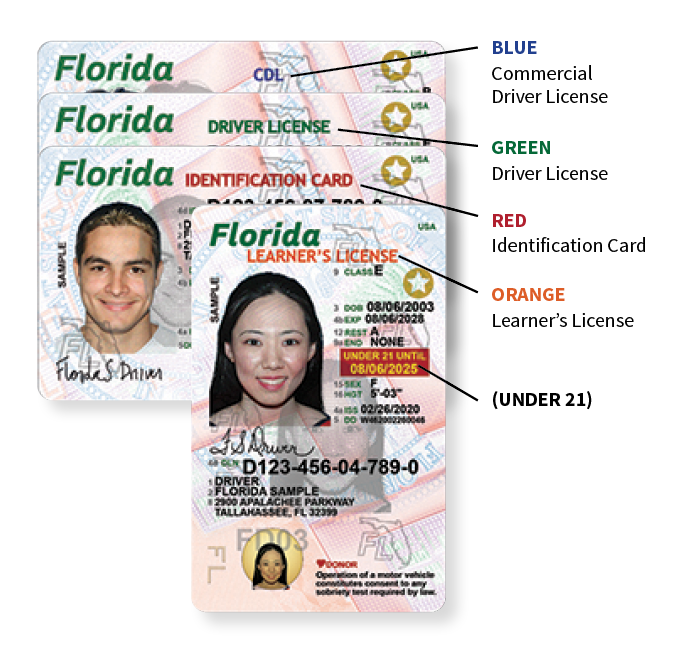
Understanding the Florida ID Card: Your Key to State Identification
The Florida ID card is more than just a piece of plastic; it’s an official document recognized by state and federal authorities. While it doesn’t grant driving privileges, it’s indispensable for individuals who don’t drive, choose not to obtain a driver’s license, or are ineligible for one. For long-term residents and those seeking to fully integrate into the Florida way of life, understanding its utility is paramount.
More Than Just an ID: The Benefits for Florida Residents
For anyone settling into Florida for the long haul, an official state ID card offers a wealth of benefits. It acts as primary proof of age for purchasing age-restricted items, accessing venues, and verifying identity in numerous transactions. From banking and cashing checks to applying for state benefits, voter registration, or even simply picking up a package, your Florida ID card is often the go-to document. It streamlines interactions with government agencies, private businesses, and even in situations requiring identification by law enforcement. Furthermore, with the implementation of the REAL ID Act, a Florida ID card issued in compliance with these standards will be accepted for domestic air travel by the Transportation Security Administration (TSA) and for accessing certain federal facilities, making it a critical asset for both within-state and national identification needs.
Distinguishing Between an ID Card and a Driver’s License
While both a Florida ID card and a Florida driver’s license serve as official proof of identity and residency, their primary distinction lies in driving privileges. A driver’s license explicitly authorizes you to operate a motor vehicle on public roads, whereas an ID card does not. Both are issued by the Florida Department of Highway Safety and Motor Vehicles (DHSMV) and meet the same stringent identification and security standards, including the REAL ID Act requirements. For those who do not drive, the ID card is the perfect, universally accepted solution for everyday identification needs, preventing the confusion or need to carry other less official forms of identity.
Eligibility and Preparation: Are You Ready to Apply?
Before embarking on the application process, it’s crucial to understand who qualifies for a Florida ID card and what preliminary steps you need to take. Being prepared can significantly reduce the time and potential frustration at the DHSMV office.
Who Qualifies for a Florida ID Card?
Generally, any person who is a resident of Florida and does not hold a valid driver’s license from Florida or any other state in the United States is eligible to apply for a Florida ID card. There is no minimum age requirement to obtain a Florida ID card, though applicants under 18 years old typically require a parent or legal guardian to sign the application. This accessibility ensures that all Florida residents, regardless of age or driving status, can possess official state identification.
The Importance of Establishing Florida Residency
A cornerstone of applying for a Florida ID card is proving your residency. This is critical for demonstrating your long-term commitment to the state and preventing fraudulent applications. The DHSMV requires specific documentation to establish your residential address, differentiating it from a mailing address. This step is particularly important for new residents who might have recently relocated and are in the process of updating all their official information. Establishing residency is not just for the ID card; it’s a foundational step for countless aspects of life in Florida, from registering children for school to accessing certain state-specific services.
The Indispensable Document Checklist: What to Bring
The success of your ID card application hinges entirely on presenting the correct and sufficient documentation. The Florida DHSMV follows strict guidelines, largely due to federal REAL ID Act requirements, to ensure the authenticity of applicants’ identities. Missing even a single required document can lead to delays or outright rejection of your application. It’s highly recommended to gather all necessary papers well in advance of your visit.
Primary Proof of Identity
This is the most critical component of your application. You must provide one original document that establishes your legal name and date of birth. Accepted documents typically include:
- A certified U.S. Birth Certificate (not a hospital certificate)
- A valid unexpired U.S. Passport or passport card
- An unexpired Alien Registration Card (Green Card, Form I-551)
- An unexpired Employment Authorization Card (EAD, Form I-766)
- Other specific immigration documents for non-citizens, such as I-94 with a valid foreign passport.
It is imperative that the document is original, not a photocopy, and is in good condition. Any discrepancies between the name on your identity document and other proofs (e.g., due to marriage or divorce) will require additional supporting documents like a marriage certificate or court order.
Proof of Social Security Number (SSN)
Applicants must also provide proof of their Social Security Number (SSN). You need to present one document showing your full Social Security Number. Acceptable forms include:
- Your original Social Security Card
- A W-2 form
- A pay stub with your full Social Security Number
- Any 1099 form.
The name on your Social Security Administration document must match the name on your primary identity document. If you do not have an SSN, specific rules apply for non-citizens, and you might need to present a letter from the Social Security Administration verifying your ineligibility.
Two Proofs of Residential Address
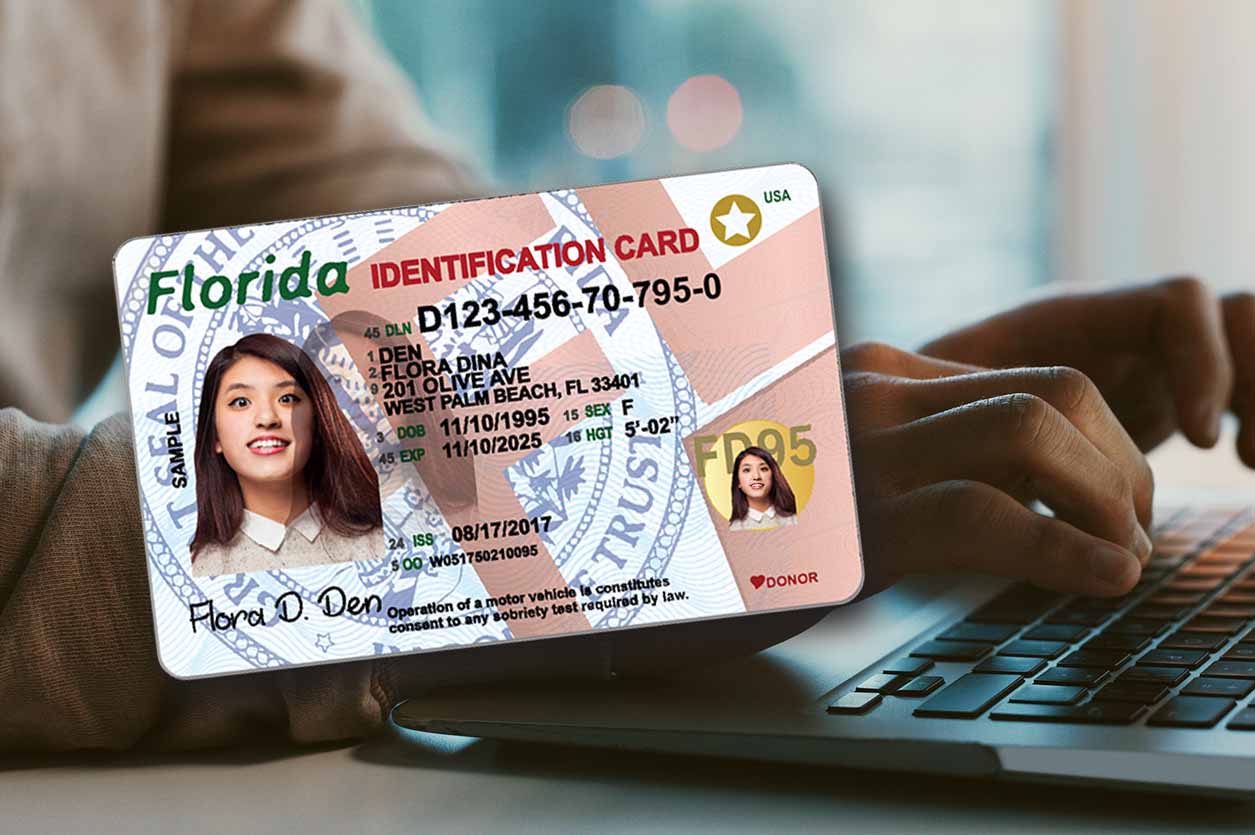
To establish your Florida residency, you must provide two different documents showing your current residential address. These documents must be from two different sources and dated within the last 90 days. Examples include:
- Utility bills (electricity, water, gas, cable, landline phone)
- Mail from a government agency (e.g., Social Security Administration, tax documents)
- A rental agreement or lease for your Florida residence
- A deed, mortgage, or statement for your Florida property
- An automobile insurance policy or bill
- A selective service card (for those eligible)
- A school transcript or report card (for minors)
- A bank statement or credit card statement.
The name on these documents should match your primary identity document, and the address must be a physical street address, not a P.O. Box.
Additional Documents for Specific Cases
Certain situations may require supplementary documentation. For instance, if your name has changed due to marriage, divorce, or a court order, you will need to provide original legal documents (e.g., marriage certificate, divorce decree, court-ordered name change) to link your current name to the name on your primary identity document. Non-citizens will have additional requirements based on their visa status or immigration documents, necessitating a careful review of the DHSMV’s specific guidelines for their category. Always check the official Florida DHSMV website for the most current and comprehensive list of acceptable documents tailored to your specific situation.
Navigating the Application Process at the DHSMV
With your documents meticulously gathered, the next step is the actual application at a Florida DHSMV office. While it might seem daunting, knowing the process can help you navigate it efficiently.
Finding Your Local Florida DHSMV Office
The Florida DHSMV operates various service centers across the state. You can find the nearest office by visiting the official DHSMV website and using their “Find an Office” locator. Many counties also have tax collector offices that provide driver’s license and ID card services. It’s often advisable to check if the specific office you plan to visit offers ID card services and if they allow appointments, which can significantly reduce waiting times. Offices in major metropolitan areas like Miami, Orlando, and Tampa can be particularly busy.
The On-Site Application: What to Expect
Upon arrival at the DHSMV office, you will typically be required to take a number or check in. Once called, a representative will review your documents to ensure they meet all requirements. You will complete an application form, have your photograph taken, and provide a digital signature. A vision test might also be administered, even for an ID card, as part of standard identification protocols, though it’s typically a quick and basic check. Be prepared to answer questions about your identity and residency truthfully.
Fees and Payment Methods
There is a fee associated with obtaining a Florida ID card. The exact amount can vary slightly, so it’s wise to check the current fee schedule on the DHSMV website. Most offices accept various payment methods, including cash, checks, debit cards, and major credit cards. Ensure you have the necessary funds or payment method readily available to avoid delays.
After Your Application: What Comes Next?
Once you’ve completed the application process at the DHSMV office, your journey to obtaining a Florida ID card is almost complete. However, there are a few more steps and considerations to keep in mind.
Receiving Your Temporary and Permanent ID Card
After your application is processed and approved, you will typically be issued a temporary Florida ID card on the spot. This temporary document is valid for immediate use and should be kept with you until your permanent card arrives. The permanent, plastic ID card will then be mailed to your residential address, usually within a few weeks. If you do not receive your permanent card within the specified timeframe, contact the DHSMV to inquire about its status.
Maintaining Your Florida ID Card: Renewals and Updates
Florida ID cards are typically valid for eight years. It is your responsibility to renew your card before its expiration date. The DHSMV usually sends a renewal notice, but it’s essential to keep track of the expiration date yourself. Renewals can often be processed online, by mail, or in person, depending on your eligibility. If you change your residential address, name, or other vital information during the validity period of your ID card, you are required to update this information with the DHSMV. This usually involves another visit to an office and presenting relevant documentation.

Common Pitfalls and How to Avoid Them
The most common reasons for delays or denials in obtaining a Florida ID card include incomplete documentation, expired documents, or discrepancies in names or addresses across different documents. To avoid these pitfalls:
- Double-check everything: Before leaving for the DHSMV, meticulously review each document against the official checklist.
- Bring originals: Photocopied documents are generally not accepted for primary identity and residency proofs.
- Address inconsistencies: If your name has changed, ensure you have all legal documents to link your old name to your new one.
- Verify validity: Ensure all documents, especially passports or immigration papers, are unexpired.
- Use current information: Residential proofs should be recent, typically within 90 days.
Obtaining a Florida ID card is a vital step for any individual planning a long-term stay in the Sunshine State. By understanding the requirements, preparing your documents thoroughly, and following the outlined process, you can smoothly acquire this essential piece of identification, empowering you to fully embrace and navigate your Florida lifestyle.
LifeOutOfTheBox is a participant in the Amazon Services LLC Associates Program, an affiliate advertising program designed to provide a means for sites to earn advertising fees by advertising and linking to Amazon.com. Amazon, the Amazon logo, AmazonSupply, and the AmazonSupply logo are trademarks of Amazon.com, Inc. or its affiliates. As an Amazon Associate we earn affiliate commissions from qualifying purchases.