
California’s construction industry is a vibrant and ever-expanding sector, offering numerous opportunities for skilled professionals. For those looking to establish themselves as leaders in this field, obtaining a general contractor license is a crucial and often mandatory step. This license not only signifies a level of expertise and professionalism but is also a legal requirement for undertaking most construction projects valued above a certain threshold. The process, while detailed, is navigable with careful preparation and a clear understanding of the requirements set forth by the California Contractors State License Board (CSLB). This guide will walk you through the essential steps, from determining eligibility to passing the examination and maintaining your license.
Understanding the Requirements for a General Contractor License
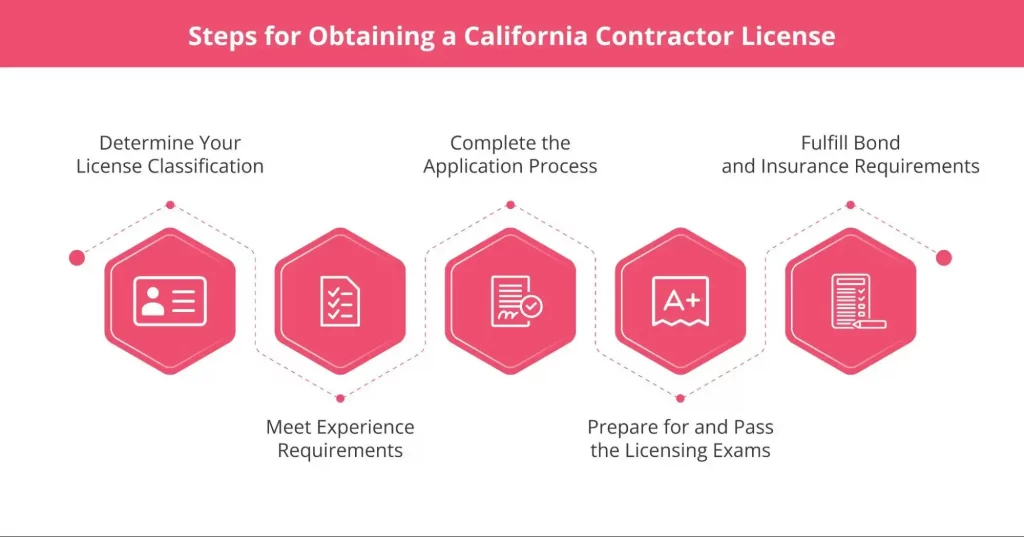
Before embarking on the application process, it is vital to ascertain your eligibility. The CSLB has specific criteria designed to ensure that only qualified individuals are granted a license. These requirements are centered around experience, character, and financial responsibility.
Experience Verification
The cornerstone of obtaining a general contractor license in California is demonstrating sufficient experience in the construction trade. The CSLB requires applicants to have at least four years of journeyman-level experience or an equivalent combination of education and training within the last 10 years.
- Journeyman Experience: This refers to experience where you have worked hands-on in a trade, performing the work of a skilled craftsman under the supervision of a licensed contractor or a qualified supervisor. It’s not enough to have just been present on a job site; you must have actively participated in the core construction activities.
- Equivalent Education and Training: For those with a degree in construction management, architecture, or engineering from an accredited institution, a portion of the four-year experience requirement may be waived. Typically, one year of college may be equivalent to one year of experience, but this is assessed on a case-by-case basis by the CSLB. Trade school or vocational program completion can also contribute to this requirement.
- Supervisory Experience: Experience gained in a supervisory capacity, where you were responsible for overseeing the work of others and managing aspects of construction projects, is also highly valued and contributes to the overall experience requirement.
It is imperative to accurately document your experience, as the CSLB will verify this information. You will need to provide names, addresses, and phone numbers of former employers or clients, along with a detailed description of the work performed. If you are self-employed, you will need to provide documentation such as business records, contracts, and client testimonials to substantiate your claims.
Background Check and Legal Standing
Beyond technical skills, the CSLB also assesses an applicant’s character and legal standing. Applicants must be at least 18 years of age and must not have been convicted of a crime that is substantially related to the qualifications, functions, or duties of a contractor. This includes fraud, theft, or acts of dishonesty.
- Fingerprinting: All applicants are required to undergo a background check through fingerprint submission. This allows the CSLB to access state and federal criminal history records.
- Honesty and Integrity: Applicants are expected to be truthful and forthcoming in their applications. Any misrepresentation or omission of information can lead to denial of the license and potential legal repercussions.
Financial Responsibility
The CSLB also assesses an applicant’s financial stability to ensure they can meet their financial obligations and manage projects responsibly. This typically involves demonstrating a certain level of financial solvency.
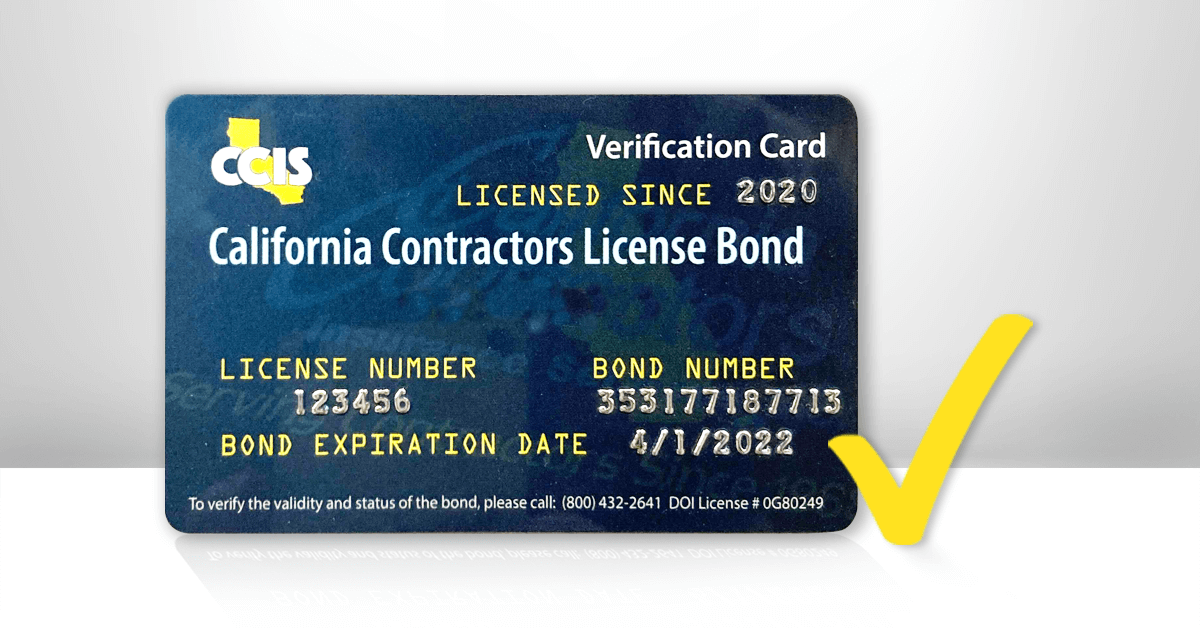
- Contractor’s Bond: A contractor’s bond, often referred to as a license bond, is a surety bond that protects consumers from financial harm caused by a contractor’s failure to complete a job, negligence, or fraud. The amount of the bond varies depending on the license classification and is subject to change by the CSLB. You will need to obtain this bond from a surety company licensed in California.
- Financial Statements (in some cases): For certain license types or if there are concerns about financial responsibility, the CSLB may request financial statements to assess an applicant’s ability to manage funds and complete projects.
The Application and Examination Process
Once you have confirmed your eligibility and gathered the necessary documentation, the next phase involves formally applying to the CSLB and preparing for the licensing examination.
Submitting the Application
The application for a general contractor license is submitted to the CSLB. It is crucial to complete the application accurately and thoroughly, as errors or omissions can cause significant delays or outright rejection.
- Application Forms: Download the appropriate application form from the CSLB website. Ensure you select the correct license classification for the type of contracting work you intend to perform. For general contractors, this often refers to the Classification “C-General Building Contractor.”
- Supporting Documentation: Attach all required supporting documents, including proof of experience, fingerprint cards, and any other relevant paperwork.
- Application Fee: A non-refundable application fee must be submitted with your application. The amount of this fee is subject to revision by the CSLB.
The Licensing Examination
Upon approval of your application, you will be scheduled to take the contractor’s license examination. This exam is designed to assess your knowledge of construction laws, regulations, and business practices in California. The exam typically consists of two parts: the Law and Business section and a Trade section specific to your license classification.
- Law and Business Examination: This section covers state laws and regulations relevant to contractors, including contract requirements, employment laws, licensing regulations, safety standards, and business management principles.
- Trade Examination: This section tests your knowledge and skills related to the specific trade or classification for which you are applying. For a general building contractor, this might include information on structural principles, materials, tools, safety, and planning.
Preparing for the Examination
Thorough preparation is key to passing the examination. The CSLB provides reference books and study guides that are essential for your preparation.
- Official Study Guides: The CSLB offers study guides for both the Law and Business exam and various trade exams. These guides outline the subject matter covered and suggest reference materials.
- Recommended Reading Materials: The CSLB also provides a list of recommended books and codes that may be used during the examination. Familiarizing yourself with these resources is paramount. For example, the California Building Code and other relevant industry standards will be critical.
- Practice Tests: Many third-party providers offer practice tests that simulate the actual examination format and content. These can be invaluable for assessing your readiness and identifying areas that require further study.
- Reviewing Experience: Revisit your documented experience and consider how it relates to the topics covered in the trade examination. Practical application of knowledge is often tested.
Post-Licensing Procedures and Maintenance
Successfully passing the examination is a significant milestone, but the process doesn’t end there. There are several important steps to complete before you can legally operate as a licensed general contractor, and ongoing requirements to maintain your license.
Issuance of License and Next Steps
Once you have passed both parts of the examination, you will receive a notification from the CSLB. You will then need to complete the final steps to have your license issued.
- License Fee: You will be required to pay the initial license fee.
- Contractor’s Bond and Bond of Qualifying Individual: As mentioned earlier, you will need to secure and file your contractor’s bond. If you have designated a Responsible Managing Employee (RME) or Responsible Managing Officer (RMO) who holds the required experience, they will also need to file a Bond of Qualifying Individual.
- Designation of a Responsible Managing Officer (RMO) or Responsible Managing Employee (RME): The license must be held by a qualified individual. This can be the sole proprietor, a partner, an RMO for a corporation, or an RME for an LLC. This individual must meet the experience requirements and pass the examination.
Maintaining Your License
Obtaining the license is just the beginning. To remain in good standing with the CSLB and continue operating legally, you must adhere to ongoing maintenance requirements.
- License Renewal: Contractor licenses in California are typically valid for two years. You must renew your license before it expires to avoid lapses. The CSLB will send renewal notices, but it is your responsibility to ensure timely renewal and payment of renewal fees.
- Continuing Education: While not always mandatory for all license types, keeping your knowledge current with industry best practices, new technologies, and evolving regulations is highly recommended and beneficial. Some specific classifications may have continuing education requirements.
- Adherence to Laws and Regulations: Always operate your contracting business in compliance with all applicable state and local laws, building codes, safety regulations, and contractual obligations. Violations can lead to disciplinary actions, fines, suspension, or even revocation of your license.
- Maintaining Insurance: As a licensed contractor, you are generally required to maintain appropriate business insurance, including general liability insurance and workers’ compensation insurance, if you have employees.
Exploring License Classifications and Specializations
While this guide focuses on the general process, it’s worth noting that California offers various contractor license classifications. Understanding these can help you tailor your license to your specific business goals.
The General Building Contractor (Class B)
The Class B license is for general building contractors who undertake construction projects that involve more than two unrelated trades. This is the most common classification for those who manage entire construction projects, coordinating various subcontractors and trades. For instance, a Class B contractor might oversee the construction of a new home, involving framing, plumbing, electrical work, and finishing.
Specialty Contractor Licenses
In addition to the general building contractor license, California offers numerous specialty contractor licenses (Class C licenses) for individuals who specialize in a particular trade. Examples include:
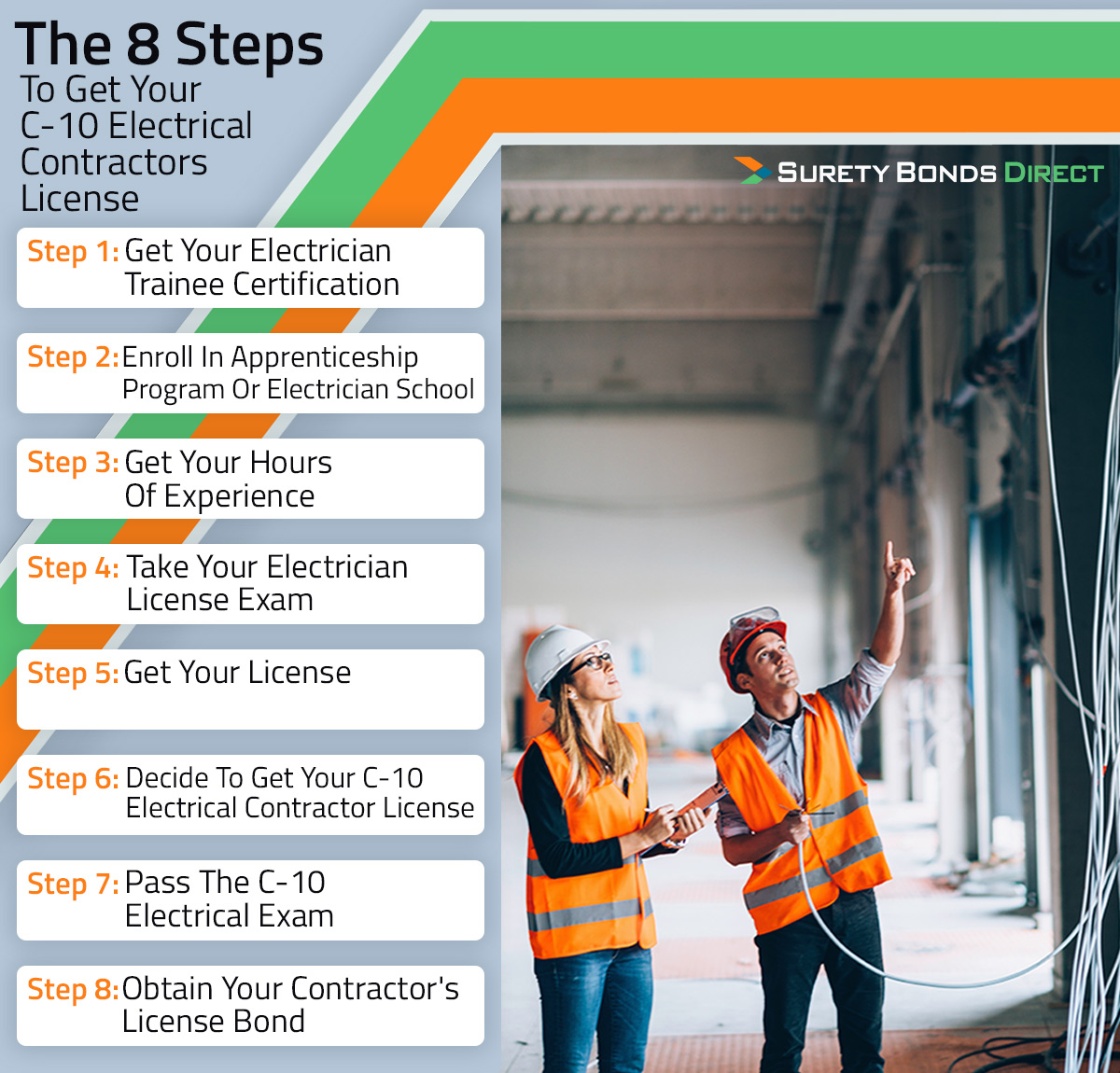
- C-10 Electrical Contractor: For those performing electrical contracting work.
- C-36 Plumbing Contractor: For individuals specializing in plumbing installations and repairs.
- C-21 Asbestos Abatement Contractor: For professionals engaged in the removal of asbestos.
- C-54 Tile, Stone, and Marble Contractor: For those specializing in tile and stone work.
Choosing the correct classification is essential. If your work consistently involves more than two unrelated trades, the Class B license is likely appropriate. If your business focuses on a single, specialized trade, then a Class C license might be more suitable. It is possible to hold multiple licenses if you qualify for each.
Navigating the Journey to Becoming a Licensed General Contractor
Obtaining a general contractor license in California is a rigorous but rewarding endeavor. It requires a significant investment of time, effort, and resources. By meticulously fulfilling the experience requirements, preparing thoroughly for the examinations, and adhering to all legal and financial obligations, you can successfully navigate this process. This license not only validates your skills and knowledge but also opens doors to greater opportunities and credibility within the thriving construction industry of the Golden State. Remember to consult the official California Contractors State License Board (CSLB) website for the most up-to-date information and forms, as regulations and requirements can evolve.
LifeOutOfTheBox is a participant in the Amazon Services LLC Associates Program, an affiliate advertising program designed to provide a means for sites to earn advertising fees by advertising and linking to Amazon.com. Amazon, the Amazon logo, AmazonSupply, and the AmazonSupply logo are trademarks of Amazon.com, Inc. or its affiliates. As an Amazon Associate we earn affiliate commissions from qualifying purchases.