
Navigating the landscape of medical marijuana can seem complex, particularly for those seeking to integrate it into their daily wellness routine. In Colorado, a state at the forefront of cannabis legislation, obtaining a Medical Marijuana (MMJ) card is a structured process designed to ensure patients receive proper care and access. For residents considering this path as part of their lifestyle choices, understanding each step is crucial for compliance and effective integration.
Understanding Colorado’s Medical Marijuana Program
Colorado‘s medical marijuana program is robust, established to provide qualifying patients with legal access to cannabis for specific debilitating medical conditions. Unlike recreational cannabis, which is widely available, an MMJ card offers several advantages, including higher possession limits, access to medical-only dispensaries, and often lower taxes on products. For many, this distinction is vital for long-term health management and financial practicality, making the MMJ card a key component of a medically supported lifestyle.
Eligibility Requirements for Colorado Residents
To be eligible for an MMJ card in Colorado, applicants must first and foremost be residents of the state. Proof of residency is a fundamental requirement, typically established through a valid Colorado driver’s license or state identification card. Beyond residency, age is another critical factor: individuals must be 18 years or older. Minors may qualify, but their application process involves additional steps, including recommendations from two separate physicians and the consent of a parent or legal guardian.
The most critical component of eligibility hinges on having a “qualifying medical condition.” Colorado law specifies a list of conditions for which medical cannabis can be recommended. These include, but are not limited to:
- Cancer
- Glaucoma
- HIV or AIDS
- Cachexia (wasting syndrome)
- Persistent muscle spasms
- Seizures
- Severe nausea
- Severe pain
- Post-Traumatic Stress Disorder (PTSD) (with a specific diagnosis and physician recommendation)
- Autism Spectrum Disorder (newly added)
It is imperative that a licensed Colorado physician diagnoses one of these conditions and believes that medical marijuana would be beneficial to the patient’s care. This physician’s recommendation forms the cornerstone of the application.
The Role of the Colorado Medical Marijuana Registry
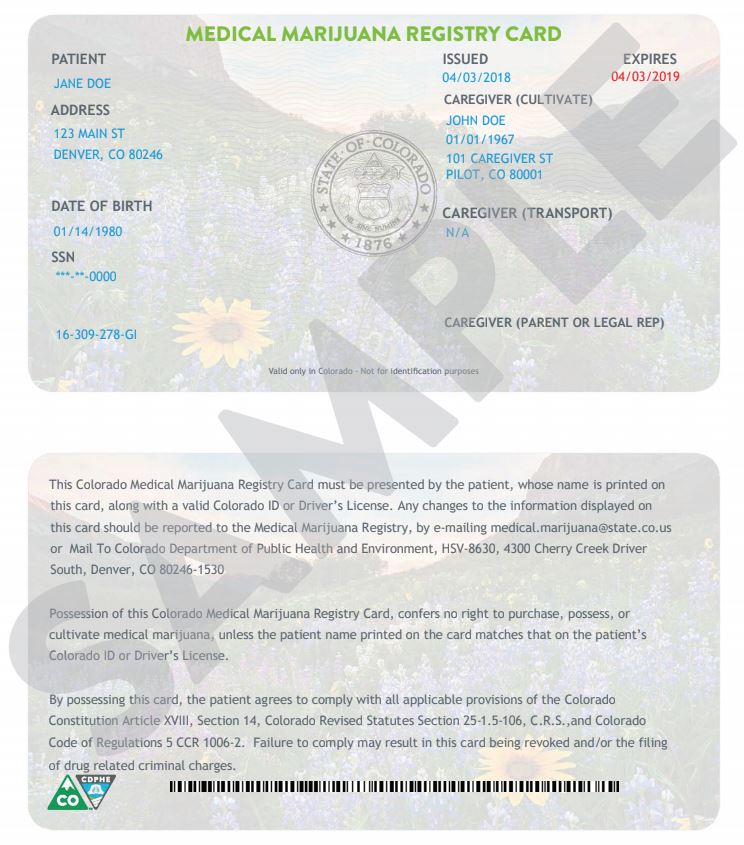
The Colorado Medical Marijuana Registry is the official database managed by the Colorado Department of Public Health and Environment (CDPHE). This registry is where all patient applications are processed and where MMJ cards are issued. Its purpose is multifaceted: it tracks patient data to prevent abuse, ensures compliance with state laws, and provides a centralized system for law enforcement and medical dispensaries to verify the legitimacy of a patient’s card.
For the applicant, the registry is the gateway to legal access. Once an application is approved and a card is issued, the patient’s information is securely maintained within this system, granting them the legal protections and benefits afforded to medical marijuana cardholders in Colorado. Understanding that the Colorado Medical Marijuana Registry is not merely a bureaucratic hurdle but a vital component of the program’s integrity is key to approaching the application process diligently.
Navigating the Medical Evaluation Process
The journey to obtaining an MMJ card fundamentally begins with a thorough medical evaluation by a licensed physician. This step is critical as it validates the patient’s need for medical cannabis and initiates the formal application process. Approaching this evaluation with preparedness can significantly streamline the entire experience.
Finding a Qualified Physician
Not just any doctor can recommend medical marijuana in Colorado. The state requires that the physician be licensed in Colorado and in good standing with the Colorado Medical Board. Furthermore, the physician must have a bona fide physician-patient relationship with the applicant, meaning they have conducted a full assessment of the patient’s medical history. Many clinics specialize in medical marijuana evaluations, and these are often excellent starting points for finding a qualified physician. Online resources and patient advocacy groups can also provide lists of doctors who are knowledgeable about cannabis as a medical treatment. When selecting a physician, consider their experience with medical cannabis, their understanding of Colorado regulations, and their ability to provide ongoing care and support.
Documentation for Your Appointment
To ensure a productive medical evaluation, patients should arrive prepared with comprehensive medical documentation. This includes:
- Medical Records: Any records pertaining to your qualifying condition, including diagnoses, treatment histories, medication lists, and specialist reports. These records help the physician understand your medical background and confirm the diagnosis of a qualifying condition.
- Identification: A valid Colorado driver’s license or state ID card to verify residency and identity.
- List of Current Medications: This helps the physician assess potential interactions or contraindications with cannabis.
- Questions for the Physician: Preparing a list of questions regarding medical cannabis, its potential benefits, risks, and different consumption methods can ensure all your concerns are addressed during the consultation.
The Physician’s Recommendation
Following a thorough evaluation and review of medical records, if the physician determines that medical marijuana is an appropriate treatment for your qualifying condition, they will provide a “Physician Certification.” This document is essentially the doctor’s formal recommendation for medical cannabis use. It includes the patient’s information, the qualifying condition, the physician’s details, and their signature. This certification is a critical piece of the puzzle; it must be submitted with your application to the Colorado Medical Marijuana Registry and is the legal basis for your MMJ card eligibility. The physician will often submit this directly to the CDPHE on your behalf, or provide you with the necessary details to do so.
Applying Through the Colorado Department of Public Health and Environment (CDPHE)
Once you have received your physician’s certification, the next step is to submit your application to the CDPHE via the Colorado Medical Marijuana Registry. Colorado has streamlined this process significantly, making it accessible to eligible residents.
Online Application vs. Mail-In
Colorado primarily encourages and supports online applications, which are generally faster and more efficient. The state’s online portal provides a user-friendly interface for uploading documents and submitting information.
- Online Application: This is the recommended method. You will create an account on the Colorado Medical Marijuana Registry website, fill out the application electronically, upload scanned copies of your required documents (physician certification, proof of residency, ID), and pay the application fee online. The system guides you through each step, and you can track your application’s status.
- Mail-In Application: While still an option, mail-in applications take considerably longer to process. If you choose this route, you will need to download and print the application forms from the CDPHE website, complete them manually, gather all physical copies of your documents, and mail them along with a check or money order for the application fee. Due to the inherent delays of postal service and manual processing, this method is typically reserved for those unable to use the online system.
Required Documentation for the Application
Whether applying online or by mail, you will need to provide specific documents:
- Physician’s Certification: The official recommendation from your Colorado-licensed physician. For online applications, this is often submitted directly by the physician, or you will receive a reference number to link your application.
- Proof of Residency: A valid Colorado driver’s license or state identification card.
- Proof of Identity: The same valid Colorado ID used for residency.
- Caregiver Designation (if applicable): If you designate a primary caregiver to assist you with medical marijuana, their information and a signed agreement will also be required. This is particularly relevant for homebound patients or those unable to visit dispensaries themselves.
Application Fees and Processing Times
As of current regulations, there is an application fee associated with obtaining an MMJ card. This fee helps cover the administrative costs of maintaining the Colorado Medical Marijuana Registry and processing applications. Fee waivers may be available for individuals who can provide proof of indigency, such as enrollment in specific state or federal assistance programs. It is essential to check the official CDPHE website for the most up-to-date fee schedule and waiver requirements.
Processing times vary, but online applications are generally processed much faster. For online submissions, approval can sometimes occur within a few days to a couple of weeks. Mail-in applications can take several weeks or even months. Once approved, you will receive your digital MMJ card, which can be printed or displayed on a mobile device for use at dispensaries. The physical card typically arrives by mail shortly thereafter.
Rights and Responsibilities of MMJ Cardholders
Obtaining an MMJ card in Colorado is not just about gaining access; it also comes with a set of legal protections and responsibilities that cardholders must understand to maintain compliance and a responsible lifestyle.
Legal Protections and Limitations
An MMJ card provides significant legal protection under Colorado law, allowing patients to possess and cultivate medical cannabis within specified limits without fear of state prosecution. However, these protections have important limitations:
- Possession Limits: While medical patients generally have higher possession limits than recreational users, there are still caps on the amount of usable marijuana, concentrates, and infused products that can be legally possessed at one time. Typically, patients can possess up to 2 ounces of usable medical marijuana. For cultivation, a patient (or their caregiver) may grow up to 6 plants (3 mature, 3 immature), though local ordinances may have stricter limits.
- Public Use: Even with an MMJ card, consuming cannabis in public places remains illegal. Use is generally restricted to private residences.
- Federal Law: It is crucial to remember that marijuana remains illegal under federal law. This means federal protections, such as those in national parks or on federal lands, do not apply. Crossing state lines with cannabis is also illegal.
- Employment Implications: Employers in Colorado are generally permitted to enforce drug-free workplace policies, even for MMJ cardholders. An MMJ card does not necessarily protect you from adverse employment actions if you test positive for cannabis.
Purchasing Medical Marijuana
With an MMJ card, patients can purchase medical marijuana from licensed medical dispensaries in Colorado. These dispensaries offer a wider range of products, often with higher potencies, and are exempt from certain taxes that apply to recreational sales, leading to cost savings. Patients must present their valid MMJ card and a government-issued ID at the dispensary.
- Designated Caregivers: For patients who cannot visit dispensaries themselves, a designated primary caregiver can purchase and possess medical marijuana on their behalf, provided the caregiver is also registered with the CDPHE.
Renewal Process
An MMJ card in Colorado is typically valid for one year. To maintain legal access, cardholders must renew their card annually. The renewal process is similar to the initial application: it requires a new physician’s certification within a specified timeframe before the card expires, and then resubmitting an application and fee to the CDPHE. Timely renewal is essential to avoid any lapse in legal protection and access.
Embracing a Medically Supported Lifestyle in Colorado
For many Colorado residents, obtaining an MMJ card is a significant step toward managing their health and improving their quality of life. Integrating medical marijuana into one’s lifestyle responsibly and effectively involves more than just possessing a card; it requires education, compliance, and ongoing self-awareness.
Accessing Resources and Community
Colorado boasts a vibrant community of medical cannabis patients and advocacy groups. Engaging with these resources can provide invaluable insights, support, and up-to-date information on cannabis research, product developments, and legal changes. Patient advocacy organizations often offer educational materials, workshops, and networking opportunities that empower cardholders to make informed decisions about their health and lifestyle. Utilizing these networks can help patients feel more connected and less isolated in their medical cannabis journey.
Integrating Medical Marijuana into Daily Life
Responsible integration of medical marijuana into daily life means understanding appropriate dosages, consumption methods, and potential effects. It also involves discreet use, especially when around others, and ensuring safe storage to prevent access by minors or pets. For many, medical cannabis is not about recreational use but about symptom management, improving sleep, reducing pain, or alleviating anxiety. Approaching it with a therapeutic mindset, akin to any other medication, fosters a healthier and more sustainable lifestyle. Establishing a routine, tracking efficacy, and adjusting as needed, often in consultation with your recommending physician, are key components.
Maintaining Compliance and Wellness
The landscape of cannabis laws can evolve, making it crucial for MMJ cardholders to stay informed about any changes to Colorado’s regulations. Regularly checking the CDPHE website and engaging with patient resources can help ensure ongoing compliance. Beyond legal adherence, maintaining wellness involves continuous communication with your physician, regular check-ins, and open dialogue about your treatment plan. An MMJ card is a tool for wellness, and like any tool, its effectiveness depends on how responsibly and knowledgeably it is used within the broader context of one’s health and lifestyle.
LifeOutOfTheBox is a participant in the Amazon Services LLC Associates Program, an affiliate advertising program designed to provide a means for sites to earn advertising fees by advertising and linking to Amazon.com. Amazon, the Amazon logo, AmazonSupply, and the AmazonSupply logo are trademarks of Amazon.com, Inc. or its affiliates. As an Amazon Associate we earn affiliate commissions from qualifying purchases.