
Florida, often referred to as the Sunshine State, is a motorcyclist’s paradise. With its year-round warm weather, diverse landscapes ranging from pristine beaches to lush national forests, and an extensive network of scenic roads, it’s no wonder many dream of exploring its beauty on two wheels. Whether you’re a resident looking for a new mode of transport, an adventurer eager to cruise the Overseas Highway to Key West, or a visitor planning an extended stay to soak in the vibrant culture, obtaining a motorcycle license in Florida is your first step towards unlocking unparalleled freedom and unforgettable travel experiences. This comprehensive guide will walk you through every stage of the process, ensuring a smooth journey from aspiring rider to licensed motorcyclist, while also offering insights into how this pursuit aligns with a fulfilling travel and lifestyle in one of America’s most captivating states.

Laying the Foundation: Eligibility and Initial Steps
Before you can hit the open roads of Florida on a motorcycle, it’s crucial to understand the state’s specific requirements and ensure you meet the necessary eligibility criteria. The Department of Highway Safety and Motor Vehicles (DHSMV) oversees the licensing process, designed to ensure all riders possess the fundamental knowledge and skills for safe operation.
Understanding Florida’s Licensing System
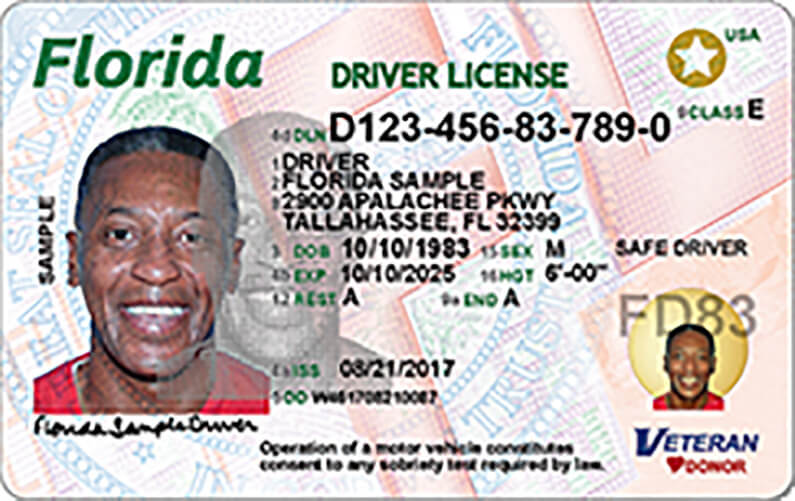
In Florida, a motorcycle license isn’t a standalone document but rather an endorsement added to your existing Class E driver’s license (the standard license for automobiles). This means you must first hold a valid Florida Class E driver’s license, or be in the process of obtaining one, before you can apply for your motorcycle endorsement.
The endorsement you’ll seek is typically designated as a “Motorcycle Endorsement,” signifying that you are authorized to operate a motorcycle in addition to other vehicles. This integrated approach ensures that all licensed motorcyclists also possess a foundational understanding of general road rules and traffic laws, contributing to overall road safety for everyone enjoying Florida’s diverse roadways, from the bustling streets of Miami to the serene country roads surrounding Lake Okeechobee.
Essential Prerequisites Before You Start
To be eligible for a motorcycle endorsement in Florida, you generally need to meet the following criteria:
- Age Requirement: You must be at least 16 years old. If you are 16 or 17, you must have held a Florida learner’s permit for at least one year without any traffic convictions.
- Existing Driver’s License: As mentioned, you must possess a valid Florida Class E driver’s license. If you’re new to Florida and hold an out-of-state driver’s license with a motorcycle endorsement, you may be able to transfer it directly without taking the Basic RiderCourse (BRC), provided it meets Florida’s reciprocity standards. However, if your out-of-state license doesn’t have an endorsement, or if you’re a new rider, the BRC is mandatory.
- Residency: You must be a legal resident of Florida. This typically involves providing proof of your address, such as utility bills or lease agreements. For those considering long-term stays or relocating to Florida, understanding these residency requirements is key to smoothly navigating all state-level processes, including vehicle registration and driver’s licenses.
Understanding these initial requirements will help streamline your journey. Once you confirm your eligibility, the next critical step involves formal training designed to equip you with the practical skills needed to ride safely and confidently.
Mastering the Ride: The Motorcycle Safety Course
The cornerstone of obtaining a motorcycle license in Florida is the successful completion of a Motorcycle Safety Course. This isn’t just a bureaucratic hurdle; it’s an invaluable investment in your safety and skill as a rider, preparing you for the diverse road conditions and traffic situations you’ll encounter, whether you’re commuting in Orlando or embarking on a cross-state adventure.
What to Expect from the Basic RiderCourse (BRC)
Florida mandates that all new motorcycle license applicants complete the Basic RiderCourse (BRC) or the BRC U-Turn, offered by approved providers. This comprehensive course is designed for beginner riders and covers essential motorcycle operation skills, traffic strategies, and risk management. Typically spanning a weekend, the BRC combines classroom instruction with practical, hands-on riding exercises in a controlled environment.
Key components of the BRC include:
- Classroom Sessions: You’ll learn about motorcycle controls, basic maintenance, protective gear, riding strategies, and how to identify and react to common road hazards. The emphasis is on developing good judgment and safe riding habits from the outset.
- Practical Riding Exercises: Under the guidance of certified instructors, you’ll perform various maneuvers on training motorcycles (which are usually provided). These exercises cover starting and stopping, shifting gears, turning, braking techniques (including emergency braking), obstacle avoidance, and slow-speed control. The BRC U-Turn is a newer, condensed version focusing on fundamental street skills for those who prefer a more agile learning experience.
- Skills Test: At the end of the course, you’ll undergo a riding skills test. Successfully passing this test is a prerequisite for receiving your Certificate of Completion, which is essential for your license application.
- Knowledge Test: A written test will also assess your understanding of the classroom material.
The BRC is not just about passing a test; it’s about building confidence and competence. The structured learning environment allows you to develop muscle memory and decision-making skills without the pressures of live traffic. This foundational training is crucial, particularly when considering the dynamic driving conditions in popular tourist areas like Tampa or Jacksonville.
Finding an Approved Training Provider
To ensure your BRC completion is recognized by the DHSMV, it is imperative to choose an authorized provider. The Motorcycle Safety Foundation (MSF) is the nationally recognized organization whose curriculum forms the basis of Florida’s approved courses. Many schools across Florida are certified to offer the BRC, including those affiliated with community colleges, private riding academies, and dealerships.
You can find a list of approved providers on the DHSMV website or by searching for “MSF certified courses Florida.” When selecting a school, consider factors such as:
- Location: Choose a school conveniently located near you, whether in bustling St. Petersburg or the more rural areas of the Panhandle.
- Schedule: Look for courses that fit your availability, often offered on weekends or spread out over several evenings.
- Cost: Prices can vary, so compare different providers. The cost of the BRC typically ranges from $200-$300, but it’s important to remember this fee is an investment in your safety and a mandatory step for your license.
- Inclusions: Confirm whether the course fee includes the use of a training motorcycle, helmet, and other necessary gear.
- Reputation: Read reviews and ask for recommendations to ensure you choose a reputable school with experienced and supportive instructors.
Upon successful completion of the BRC, you will receive a Certificate of Completion, which will waive the riding skills test at the DHSMV and serve as proof of your eligibility for the motorcycle endorsement. This certificate is valid for one year from the date of issue, so plan to visit the DHSMV before it expires.
Finalizing Your License at the DHSMV

With your Basic RiderCourse certificate in hand, you are now just a few steps away from obtaining your Florida motorcycle endorsement. The final stage involves a visit to a DHSMV service center, where your documentation will be verified and your new license issued.
Gathering Your Documentation
Preparation is key to a smooth visit. Before heading to the DHSMV, ensure you have all the required documents. This typically includes:
- Certificate of Completion: Your official BRC certificate, signed by your instructor. This is paramount as it waives the need for a separate motorcycle riding test at the DHSMV.
- Proof of Identity: A primary identification document, such as your valid US birth certificate, valid US passport, or permanent resident card.
- Proof of Social Security Number: Your Social Security card or other acceptable document showing your SSN.
- Proof of Residency: Two different documents showing your current Florida residential address. Examples include utility bills, a deed, rental agreement, or a vehicle registration.
- Your Valid Florida Class E Driver’s License: The license onto which your motorcycle endorsement will be added.
It’s highly recommended to check the official Florida DHSMV website (flhsmv.gov) for the most up-to-date list of acceptable documents, as requirements can sometimes change. Having all documents in order will prevent delays and ensure your trip to the DMV is efficient.
The Application Process and Fees
Once at the DHSMV service center, you will:
- Submit Your Documents: Present all the gathered documentation to the clerk. They will verify your identity, residency, and the authenticity of your BRC certificate.
- Pass Vision and Hearing Tests: You will be required to pass standard vision and hearing tests.
- Take a Photo: A new photograph will be taken for your updated driver’s license.
- Pay the Required Fees: There will be a fee for the motorcycle endorsement and potentially a fee for renewing your driver’s license if it’s nearing expiration, as the endorsement will be printed on your updated license. Fees typically include a $7.25 endorsement fee, plus a replacement license fee if applicable (around $25). Again, always confirm current fees on the DHSMV website.
- Receive Your New License: After successfully completing all steps and paying the fees, you will be issued a new Florida driver’s license with the “Motorcycle Endorsement” clearly indicated.
Congratulations! With your new license in hand, you are now legally permitted to ride a motorcycle in Florida. This accomplishment marks the beginning of countless travel opportunities and the chance to experience the Sunshine State from an exhilarating new perspective.
Beyond the Paper: Embracing Florida’s Motorcycle Lifestyle
Obtaining your motorcycle license is merely the key to unlocking a world of adventure in Florida. The state’s unique geography, vibrant culture, and extensive network of roads make it an exceptional destination for motorcyclists, perfectly aligning with themes of travel, tourism, and an active lifestyle.
Iconic Florida Routes and Destinations for Riders
Florida offers an incredible variety of routes that cater to every rider’s preference, from coastal cruises to interior scenic drives. Here are a few must-experience rides:
- The Overseas Highway (US-1) to Key West: This iconic journey across 42 bridges connecting the Florida Keys is a quintessential American road trip. The turquoise waters of the Atlantic Ocean and the Gulf of Mexico stretch endlessly on either side, offering breathtaking panoramic views. Riding into Key West rewards you with a lively atmosphere, historic landmarks like the Ernest Hemingway Home and Museum, and unforgettable sunsets at Mallory Square.
- Scenic Highway 30A in the Panhandle: For a more tranquil coastal experience, 30A offers stunning white-sand beaches, charming beach towns like Seaside and Rosemary Beach, and unique dune lakes. It’s a perfect ride for those seeking a relaxed pace and picture-perfect stops.
- Central Florida Backroads through Ocala National Forest: Trade the coast for lush forests, natural springs, and winding country roads. The Ocala National Forest provides a refreshing escape with opportunities for camping, hiking, and cooling off in crystal-clear springs like Juniper Springs or Silver Glen Springs.
- The Atlantic Coast Scenic Byway: Stretching along A1A from Ponte Vedra Beach to the Ormond Scenic Loop & Trail near Daytona Beach, this route offers ocean views, historic sites in St. Augustine, and the vibrant atmosphere of Daytona Beach.
These routes exemplify how a motorcycle license opens up Florida as a destination for experiential travel, allowing riders to delve deeper into local culture, enjoy unique activities, and create unforgettable memories.
Rider-Friendly Accommodation and Events
Florida’s popularity among motorcyclists has fostered a thriving ecosystem of rider-friendly services. When planning your travels, look for hotels, motels, and resorts that offer specific amenities for motorcyclists, such as covered parking, wash stations, and even designated motorcycle parking areas. Many smaller, independently owned accommodations or charming bed and breakfasts in towns like Fernandina Beach on Amelia Island are particularly welcoming to riders.
The state is also famous for its large-scale motorcycle events, attracting enthusiasts from across the globe:
- Daytona Bike Week: Held annually in March in Daytona Beach, this is one of the world’s largest motorcycle rallies, featuring races, concerts, vendors, and endless opportunities to connect with fellow riders.
- Leesburg Bikefest: Typically in April, this event transforms the quaint town of Leesburg into a biker haven, offering a more intimate yet equally exciting experience with live music, bike shows, and diverse food options.
These events are prime examples of Florida’s vibrant tourism scene, offering a deep dive into local culture and community for those with a passion for motorcycles.
Safety Tips for Your Sunshine State Adventures
While Florida offers fantastic riding conditions, it’s essential to remain vigilant and prioritize safety:
- Weather Awareness: Florida weather can change rapidly, with sudden thunderstorms, especially in the summer. Always check forecasts and be prepared for rain.
- Heat Management: Hydrate frequently and wear appropriate gear that offers protection while also allowing for airflow to combat the heat and humidity.
- Sand and Gravel: Coastal roads or areas near construction might have sand or gravel, which can be hazardous for motorcycles. Ride cautiously in such conditions.
- Wildlife: Especially in rural areas or near natural preserves like Everglades National Park, be aware of wildlife, particularly at dawn and dusk.
- Traffic: Florida’s popularity means heavy traffic in urban centers and tourist hotspots. Maintain situational awareness and practice defensive riding techniques learned in your BRC.
Obtaining a motorcycle license in Florida is more than just a procedural task; it’s an invitation to a lifestyle of exploration, freedom, and discovery. From cruising the scenic coastline of Clearwater Beach to navigating the historic streets of St. Augustine, your motorcycle will be your passport to experiences that simply can’t be matched by a car. So, get licensed, gear up, and prepare to embark on an unforgettable journey through the heart of the Sunshine State. The open road awaits!
LifeOutOfTheBox is a participant in the Amazon Services LLC Associates Program, an affiliate advertising program designed to provide a means for sites to earn advertising fees by advertising and linking to Amazon.com. Amazon, the Amazon logo, AmazonSupply, and the AmazonSupply logo are trademarks of Amazon.com, Inc. or its affiliates. As an Amazon Associate we earn affiliate commissions from qualifying purchases.