
The Sunshine State, Florida, is renowned globally for its stunning beaches, vibrant cities, world-class attractions, and an unparalleled lifestyle that draws millions of visitors and new residents each year. For many, the dream of living and working amidst this paradise extends beyond simply being a tourist; it involves building a professional life deeply intertwined with the state’s dynamic economy. One of the most compelling pathways to achieving this is by obtaining a real estate license in Florida. This credential not only opens doors to a lucrative career but also provides a unique vantage point into the state’s diverse landscapes, burgeoning communities, and the intricate dance between tourism, accommodation, and investment.
Becoming a licensed real estate agent in Florida offers more than just the opportunity to facilitate property transactions; it grants you access to a lifestyle of flexibility, entrepreneurship, and the chance to shape how people experience the state, whether they are seeking a permanent residence, a luxurious vacation home, or a strategic investment property in a prime travel destination. Imagine guiding clients to their dream waterfront villa in Miami, a charming family home near Walt Disney World Resort in Orlando, or a serene beachfront condo in Sarasota. This article will serve as your comprehensive guide to navigating the process, highlighting not just the procedural steps but also the immense potential that a Florida real estate license holds for a fulfilling professional and personal journey.
Why Florida? Unlocking a Lifestyle and Investment Paradise
Florida’s real estate market is unlike any other, fueled by constant population growth, a robust tourism industry, and its status as a top global destination. This unique environment makes obtaining a real estate license here particularly attractive, offering a blend of professional opportunity and an enviable lifestyle.
The Allure of Florida’s Diverse Market
From the sun-drenched shores of South Beach in Miami to the theme park capital of Orlando, the historic charm of St. Augustine, or the business hubs of Tampa and Jacksonville, Florida presents a mosaic of distinct real estate markets. Each region boasts its own appeal, catering to different demographics and investment strategies.
- Vacation Homes and Short-Term Rentals: The state’s booming tourism sector means there’s a constant demand for vacation homes, often managed as short-term rentals through platforms like Airbnb or VRBO. Agents specializing in this niche can assist investors in finding properties that double as lucrative income generators when not in personal use. These can range from cozy apartments to sprawling villas in popular destinations like Kissimmee or along the Gulf Coast.
- Luxury Properties and Resorts: Florida is synonymous with luxury. High-net-worth individuals from around the globe seek exquisite properties in exclusive locales such as Naples, Palm Beach, or Fort Lauderdale. Working with these discerning clients can involve transactions for multi-million dollar estates, penthouses overlooking the ocean, or properties within premier resorts like The Ritz-Carlton or Four Seasons. A real estate license opens up opportunities to connect with the world of luxury travel and high-end accommodation options.
- Investment Opportunities: Beyond residential sales, Florida’s growth attracts significant commercial and investment interest. Real estate professionals can facilitate deals involving hotels, retail spaces, or undeveloped land, playing a crucial role in the state’s economic expansion. Understanding the nuances of different types of accommodation (from boutique hotels to large resorts) is invaluable.
Real Estate as a Gateway to Flexibility and Entrepreneurship
A career in Florida real estate offers unparalleled flexibility, a highly sought-after aspect of a modern lifestyle. You can often set your own hours, manage your client portfolio, and define your geographic specialization. This autonomy is particularly appealing for those who desire a work-life balance that allows them to enjoy Florida’s myriad attractions, whether it’s a weekend trip to the Florida Keys or exploring new landmarks in their local city. Furthermore, real estate is inherently entrepreneurial. As an independent contractor, you build your own brand, cultivate relationships, and determine your earning potential. This entrepreneurial spirit aligns perfectly with those who are drawn to the dynamic nature of the travel and tourism industries, where innovation and client satisfaction are key.
Navigating the Path to Licensure: Your Journey Begins
The process of obtaining a real estate license in Florida is structured to ensure that all licensees are knowledgeable, ethical, and capable of serving the public effectively. While it requires dedication, the steps are clear and manageable.
Eligibility Requirements and Pre-License Education
Before you can even think about showing properties or closing deals, you must meet a set of fundamental eligibility criteria and complete specific educational requirements.
- Age and Residency: You must be at least 18 years old and hold a high school diploma or its equivalent. While you don’t need to be a Florida resident to apply, you will need to specify if you are a resident or not on your application.
- Social Security Number: A U.S. Social Security number is required for identification and for child support enforcement purposes.
- Honesty and Integrity: Applicants must disclose any criminal history, regardless of whether adjudication was withheld or if the record has been sealed or expunged. The Florida Real Estate Commission (FREC) reviews these disclosures to determine an applicant’s honesty and integrity, which are paramount in a profession that deals with significant financial transactions and personal assets.
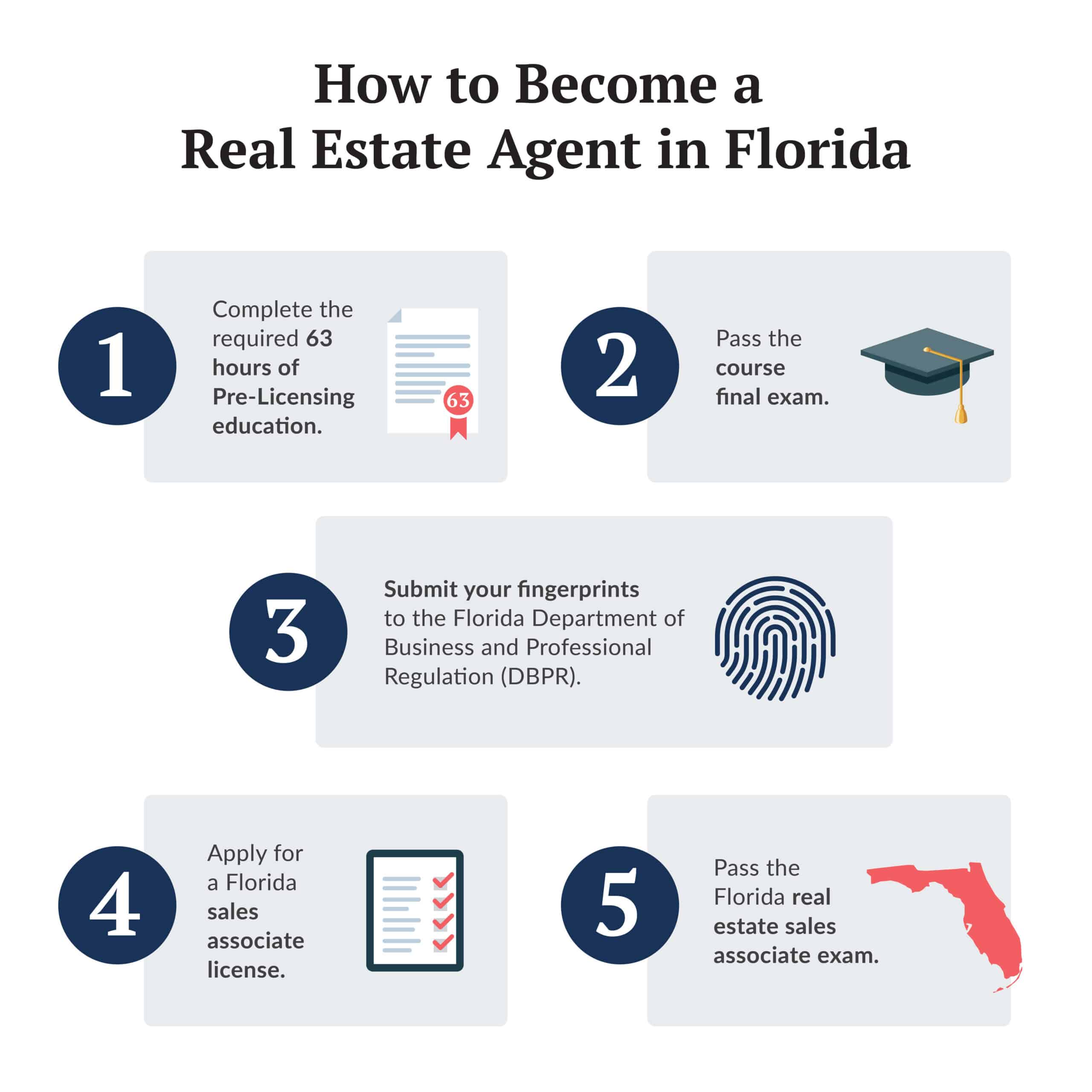
- Pre-License Course: This is arguably the most substantial step in the initial phase. You must complete a FREC-approved 63-hour sales associate pre-license course. This course covers a broad range of topics essential for becoming a competent real estate professional, including:
- Real Estate Law: Understanding Florida-specific statutes and regulations, which are crucial when dealing with varying property types, from residential homes to commercial properties and even hotels or resorts.
- Ethics and Agency: Establishing the professional conduct and responsibilities agents have towards their clients, which is vital for maintaining trust, particularly when helping clients with significant accommodation decisions or investment in travel-related properties.
- Valuation and Market Analysis: Learning how to assess property values, a skill essential for both buyers and sellers, especially in a diverse market like Florida’s where prices can vary dramatically based on proximity to landmarks or tourist attractions.
- Contracts and Closings: Mastering the legal documents involved in real estate transactions, from purchase agreements to closing statements.
This course can be taken in a traditional classroom setting, online, or through a hybrid format, offering flexibility to aspiring agents who might be balancing other commitments. Upon completion, you must pass the end-of-course exam with a score of at least 70%.
The Application and Examination Process
Once the pre-license education is complete, the next phase involves formal application and demonstrating your knowledge through a state examination.

- Application to the DBPR: You will submit your application to the Florida Department of Business and Professional Regulation (DBPR). This online application requires personal information, details of your pre-license course completion, and answers to background questions, including criminal history. The application fee must be paid at this stage.
- Fingerprinting and Background Check: As part of the application, you must get your fingerprints electronically scanned. This initiates a criminal background check, a mandatory step to ensure public safety and maintain the integrity of the real estate profession. The results of this check are sent directly to the DBPR.
- State Exam Scheduling: Once your application is approved by the DBPR, you will receive an authorization to schedule your state licensing exam. The exam is administered by a third-party testing service in various locations across Florida, including major cities like Orlando, Miami, and Tallahassee.
- The State Licensing Exam: This is a comprehensive exam consisting of 100 multiple-choice questions (45 state-specific questions, 45 general real estate questions, and 10 questions that don’t count towards the score). You’ll have 3.5 hours to complete it. A score of 75% or higher is required to pass. The exam is notoriously challenging, testing both your knowledge of Florida real estate law and general real estate principles. Many candidates choose to enroll in exam prep courses or utilize study guides to increase their chances of success.
- Receiving Your License: Upon passing the state exam, your license will be automatically issued as an inactive license. To activate it and begin practicing, you must register with a licensed real estate broker or brokerage firm. This step is crucial, as Florida sales associates must operate under the supervision of a broker.
Post-Licensure: Building a Thriving Career in the Sunshine State
Earning your real estate license is just the beginning. The journey to a successful career involves continuous learning, strategic specialization, and building a robust network within Florida’s unique market.
Continuing Education and License Renewal
To maintain your license and ensure you stay current with ever-evolving real estate laws and market trends, Florida requires ongoing education.
- First Renewal (Post-Licensure): Your first renewal after obtaining your initial sales associate license is critical. You must complete a 45-hour post-licensure course before your first license expiration date. Failure to do so will result in your license becoming null and void, requiring you to start the entire licensing process over again. This course delves deeper into practical aspects of real estate practice, helping new agents bridge the gap between theoretical knowledge and real-world application, which is invaluable when navigating diverse client needs, from families seeking a new home to investors eyeing boutique hotels or resorts.
- Subsequent Renewals: After the initial post-licensure course, all subsequent renewals require 14 hours of continuing education every two years. This includes a mandatory 3-hour core law update and 3 hours of ethics and business practices, with the remaining hours being elective. These ongoing requirements ensure that agents remain highly competent, ethical, and informed about all aspects of Florida real estate, including shifts in tourism trends, changes in accommodation demands, and new development opportunities in key destinations.
Specializing in Florida’s Unique Real Estate Niches
With your license active, you can begin to carve out your niche within Florida’s vast and varied real estate landscape. Given the website’s focus, consider these areas:
- Vacation Rentals and Investment Properties: Specialize in properties ideal for short-term rental income. This involves understanding local ordinances regarding vacation rentals (which vary significantly by city or county, e.g., Miami Beach vs. Orlando), marketing strategies for appealing to tourists, and the intricacies of managing such properties. This niche directly supports the tourism and accommodation themes.
- Luxury Residential and Waterfront Properties: Focus on high-value homes, condominiums, and estates in affluent areas like Naples, Sarasota, Palm Beach, or the Florida Keys. This requires a deep understanding of the luxury lifestyle market, exceptional negotiation skills, and a network of high-net-worth clients, often involving buyers seeking secondary homes or those relocating for an enhanced quality of life.
- Commercial Real Estate (Hospitality Focus): For those interested in the larger scale, specializing in commercial properties with a focus on hospitality—such as selling hotels, motels, resorts, or land for new accommodation developments—can be highly rewarding. This involves complex transactions and a strong grasp of market analytics specific to the travel industry.
- Relocation Services: With many people moving to Florida from other states and countries, specializing in relocation can be a valuable service. This involves not only finding suitable accommodation but also providing insights into local communities, schools, amenities, and the overall lifestyle of various Florida cities.
Beyond the Sale: Connecting Real Estate to Florida’s Premier Experiences
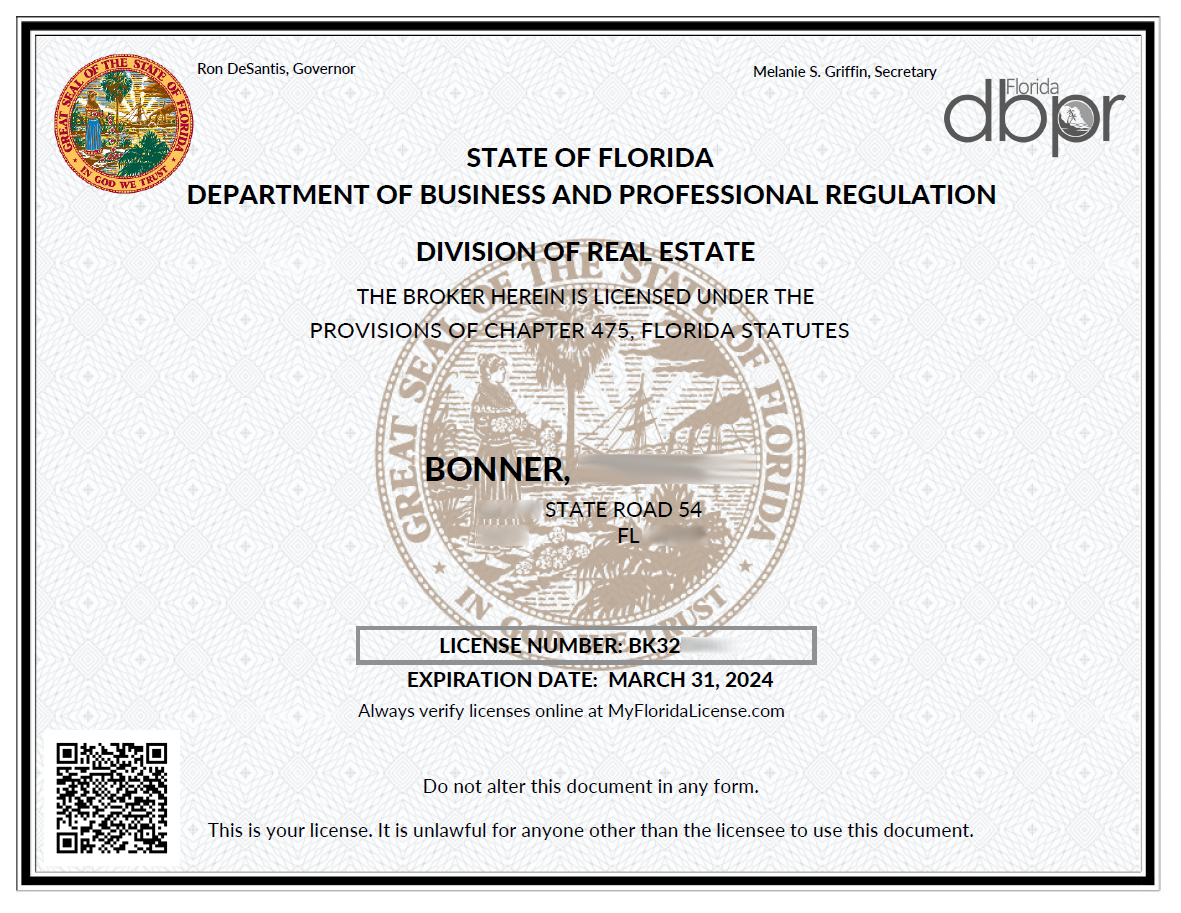
A Florida real estate license is not just a piece of paper; it’s a passport to understanding and participating in the state’s vibrant economic and cultural tapestry. The role of a real estate agent extends far beyond merely facilitating transactions; it involves becoming a local expert, a community ambassador, and a key player in shaping the travel and lifestyle experiences of others.
Understanding Tourist Demographics and Investment Hotspots
Successful real estate professionals in Florida possess an innate understanding of who is coming to the state and why. Are they families seeking proximity to Universal Orlando Resort? Retirees looking for a peaceful community near the beaches of Clearwater? Or international investors aiming for high-yield luxury apartments in Miami or Fort Lauderdale? By understanding these demographics, agents can identify prime investment hotspots, properties with high short-term rental potential, or emerging areas poised for growth, directly contributing to the state’s robust tourism economy.
Knowing the unique appeal of different Florida regions—the arts scene in Sarasota, the eco-adventures of the Everglades, or the bustling nightlife of South Beach—allows agents to not only sell a property but also to sell a dream, a lifestyle, and an experience. This holistic approach is what truly differentiates a competent agent from an exceptional one, especially in a state so intertwined with travel and leisure.
The Role of Real Estate in Shaping Florida’s Accommodation and Lifestyle Scene
Every property transaction in Florida contributes to the evolving narrative of its accommodation and lifestyle scene. From the development of new resorts and boutique hotels that cater to discerning travelers, to the sale of homes that become long-term residences for those seeking the sun-drenched Florida dream, real estate agents are at the forefront. They help families find homes close to top schools, assist professionals in securing strategic commercial spaces, and guide investors in acquiring properties that will house future tourists or residents.
By obtaining a real estate license in Florida, you are not just entering a profession; you are becoming an integral part of a thriving ecosystem that celebrates beautiful destinations, diverse accommodation options, and a coveted lifestyle. It’s an opportunity to blend professional ambition with a genuine passion for the state, making a tangible difference in how people live, visit, and invest in this extraordinary place. The path may require effort and dedication, but the rewards—both professional and personal—are as boundless as the Florida sun.
LifeOutOfTheBox is a participant in the Amazon Services LLC Associates Program, an affiliate advertising program designed to provide a means for sites to earn advertising fees by advertising and linking to Amazon.com. Amazon, the Amazon logo, AmazonSupply, and the AmazonSupply logo are trademarks of Amazon.com, Inc. or its affiliates. As an Amazon Associate we earn affiliate commissions from qualifying purchases.