
Embarking on a career in education in the Lone Star State is a rewarding pursuit, and for those who dream of shaping young minds, obtaining a teaching certificate in Texas is the crucial first step. This comprehensive guide will navigate you through the intricacies of the certification process, ensuring you have a clear roadmap to achieving your professional goals. While the core of becoming a certified educator is about meeting specific qualifications and demonstrating your readiness to teach, understanding the journey involves appreciating the structure, requirements, and resources available to aspiring teachers.
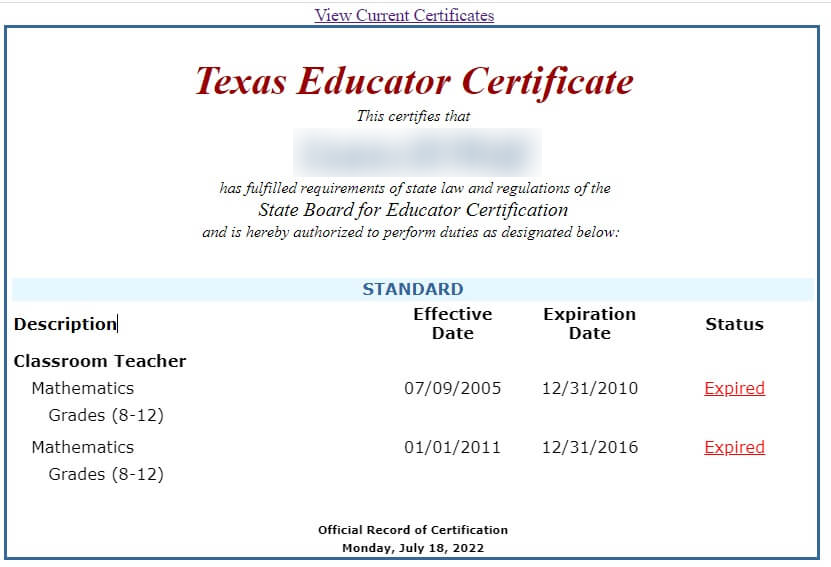
The Texas education landscape is overseen by the Texas Education Agency (TEA), which sets the standards and issues all teaching certificates. The agency’s primary objective is to ensure that every Texas student receives instruction from highly qualified and effective educators. This commitment to quality translates into a rigorous but ultimately achievable certification process for individuals passionate about teaching. Whether you’re a recent college graduate, a career changer, or an experienced educator looking to teach in Texas, this guide will break down the essential steps.
Understanding the Pathways to Teaching in Texas
Texas offers several pathways for individuals to obtain a teaching certificate, catering to diverse backgrounds and experiences. The most common route involves completing an approved educator preparation program, but other options exist for those who have already earned a bachelor’s degree or possess certain professional experience. Understanding these pathways is key to identifying the most efficient and suitable route for your individual circumstances.
The Traditional Route: Educator Preparation Programs (EPPs)
For most aspiring teachers, the most straightforward path is through an approved Educator Preparation Program (EPP). These programs are designed to provide you with the pedagogical knowledge, classroom management skills, and subject-specific content necessary for effective teaching.
Undergraduate Programs
If you are currently pursuing your bachelor’s degree, many Texas universities offer integrated teacher education programs. These programs typically allow you to major in your chosen subject area and simultaneously complete the coursework and field experiences required for certification. Upon graduation, you will have met the academic requirements and will be eligible to apply for your certificate. Your university’s education department will be your primary resource for guidance on course selection, student teaching placements, and the certification application process.
Post-Baccalaureate Programs and Alternative Certification Programs (ACPs)
For individuals who already hold a bachelor’s degree, Texas provides post-baccalaureate and Alternative Certification Programs (ACPs). These programs are specifically designed for degree holders who wish to enter the teaching profession without repeating their undergraduate studies.
- Post-Baccalaureate Programs: These are typically offered by universities and are structured similarly to undergraduate programs but are tailored for those who have already earned a bachelor’s degree. They involve a concentrated course of study focusing on pedagogy and certification requirements.
- Alternative Certification Programs (ACPs): ACPs are a popular and often faster route for career changers or those with existing degrees. These programs are offered by various providers, including school districts, universities, and private organizations. ACPs focus intensely on the practical skills and knowledge needed for the classroom, often with a shorter duration than traditional university programs. Many ACPs offer online components, making them accessible to individuals who need flexibility. Upon completion of an ACP, you will be recommended for certification.
No matter which EPP route you choose, remember to verify that the program is approved by the Texas Education Agency (TEA). An approved program ensures that the curriculum meets state standards and that your certification will be recognized.
The Fast Track: Certification by Examination
In certain circumstances, individuals with significant subject matter expertise may be eligible to obtain a Texas teaching certificate through examination only. This pathway is typically for those who have a bachelor’s degree in a specific subject and can demonstrate their proficiency through state-mandated exams.
Requirements for Certification by Examination
To qualify for certification by examination, you must meet specific criteria, which often include:
- Holding a bachelor’s degree with a minimum GPA.
- Demonstrating proficiency in the subject area you wish to teach, usually by passing a state-approved content exam.
- Meeting other eligibility requirements set by the TEA, such as background checks.
This route is less common for entry-level teachers but can be a viable option for individuals with substantial prior experience or advanced degrees in a particular field. It bypasses the structured pedagogical training of an EPP but still requires a thorough understanding of the subject matter and the ability to pass rigorous exams.
Key Requirements for Obtaining Your Texas Teaching Certificate
Regardless of the pathway you choose, several fundamental requirements must be met to obtain your Texas teaching certificate. These include academic qualifications, standardized testing, practical experience, and background checks.
Academic and Content Proficiency
At the heart of teacher certification is the demonstration of academic knowledge and subject matter expertise.
Bachelor’s Degree
A minimum of a bachelor’s degree from an accredited institution is a prerequisite for all Texas teaching certificates. The degree must be in a field that aligns with the subject area you intend to teach. For example, to teach high school mathematics, you would typically need a bachelor’s degree in mathematics or a closely related field.
Content Area Exams
To prove your mastery of the subject matter you wish to teach, you will need to pass state-administered content area examinations. These exams, known as Texas Examinations of Educator Standards (TExES) exams, are designed to assess your knowledge and understanding of the specific curriculum you will be teaching. The Texas Education Agency (TEA) provides detailed information on which TExES exams are required for each certification area. Preparation for these exams is crucial, and many EPPs incorporate extensive review and practice into their curriculum.
Pedagogy and Professional Skills
Beyond subject knowledge, effective teaching requires a strong understanding of pedagogical principles and professional skills.
Pedagogy Exams
In addition to content exams, you will likely need to pass a generalist or pedagogy exam, such as the Pedagogy and Professional Responsibilities (PPR) EC-12 TExES exam. This exam assesses your knowledge of teaching methodologies, child development, classroom management, assessment strategies, and legal and ethical responsibilities of an educator.
Field Experiences and Student Teaching
A critical component of most EPPs is the requirement for supervised field experiences and student teaching. These hands-on components provide invaluable practical experience in real classroom settings under the guidance of experienced mentor teachers.
- Field Experiences: These can range from observations in classrooms to short-term teaching assignments. They allow you to apply theoretical knowledge, observe different teaching styles, and begin to develop your own teaching persona.
- Student Teaching: This is an intensive, full-time teaching experience where you take on the full responsibilities of a classroom teacher under the supervision of a mentor teacher and an EPP supervisor. It is a crucial period for honing your skills, receiving feedback, and demonstrating your readiness to lead a classroom independently.
The duration and specific requirements for field experiences and student teaching vary depending on the EPP and the type of certification you are pursuing.
Background Checks and Fitness to Teach
Ensuring the safety and well-being of students is paramount in Texas. Therefore, all individuals seeking a teaching certificate must undergo thorough background checks.
Fingerprinting and Criminal History Review
As part of the application process, you will be required to submit to fingerprinting. This data is used to conduct a comprehensive criminal history background check through the Texas Department of Public Safety (DPS) and the Federal Bureau of Investigation (FBI). Any criminal history may impact your eligibility for certification, and the TEA has specific policies regarding offenses that could disqualify an applicant. It is essential to be upfront about any past legal issues.
Statement of Good Moral Character
You will also be asked to provide a statement of good moral character, affirming your commitment to ethical conduct and professional responsibility. This often involves answering questions about past conduct and providing references who can attest to your character.
Applying for Your Texas Teaching Certificate
Once you have successfully completed all the required components – academic coursework, examinations, field experiences, and background checks – you will be ready to apply for your Texas teaching certificate. The application process is managed through the Texas Education Agency (TEA).
The Online Application Process
The TEA utilizes an online portal for the submission of all certification applications. You will need to create an account on the TEA website and navigate to the Educator Certification Online System (ECOS).
Gathering Required Documentation
Before you begin your online application, ensure you have all necessary documents readily available. This typically includes:
- Official transcripts from all colleges and universities attended.
- Your TExES exam scores.
- Documentation of program completion from your EPP.
- Proof of successful completion of background checks.
- Payment for the application fee.
Submitting Your Application and Fees
Follow the instructions on the ECOS portal carefully. You will be prompted to enter your personal information, select the certificate you are applying for, and upload supporting documents. The application fee must be paid online at the time of submission. Incomplete applications will cause delays.
Processing and Issuance of Certificate
After submitting your application, the TEA will review it to ensure all requirements have been met. Processing times can vary, but typically, once an application is deemed complete and accurate, the issuance of your certificate can take several weeks. You will be notified electronically once your certificate has been issued.
Maintaining Your Teaching Certificate
Your Texas teaching certificate is generally valid for a period of five years and can be renewed. To maintain your certification, you will need to fulfill continuing professional education (CPE) requirements.
Continuing Professional Education (CPE)
Each year, teachers are required to complete a certain number of CPE hours to stay current with best practices, new educational technologies, and evolving state mandates. These hours can be earned through workshops, conferences, graduate courses, and other approved professional development activities. It is your responsibility to track your CPE hours and ensure you meet the renewal requirements before your certificate expires.

Renewal Process
The renewal process also involves an online application and the submission of proof of completed CPE hours. The TEA provides clear guidelines on acceptable CPE activities and the renewal timeline. Keeping your contact information updated with the TEA is crucial to ensure you receive timely notifications about your certificate’s expiration and renewal procedures.
Becoming a certified teacher in Texas is a structured process that requires dedication, careful planning, and attention to detail. By understanding the various pathways, meeting the essential requirements, and navigating the application process diligently, you can successfully obtain your Texas teaching certificate and begin a fulfilling career in education. The Texas Education Agency (TEA) is your ultimate resource for the most up-to-date information and forms.
LifeOutOfTheBox is a participant in the Amazon Services LLC Associates Program, an affiliate advertising program designed to provide a means for sites to earn advertising fees by advertising and linking to Amazon.com. Amazon, the Amazon logo, AmazonSupply, and the AmazonSupply logo are trademarks of Amazon.com, Inc. or its affiliates. As an Amazon Associate we earn affiliate commissions from qualifying purchases.