
Navigating the process of obtaining a driver’s license can seem like a complex undertaking, especially when relocating to a new state or embarking on the journey of becoming a licensed driver for the first time. For those setting their sights on the Lone Star State, understanding the specific requirements and procedures for securing a Texas driver’s license is paramount. This guide aims to demystify the process, offering a clear, step-by-step approach to ensure a smooth and successful acquisition of your Texas driving privileges. Whether you are a new resident, a teenager eager for independence, or a visitor looking to drive long-term, this comprehensive overview will equip you with the knowledge needed to navigate the Texas Department of Public Safety (DPS) and its licensing requirements.
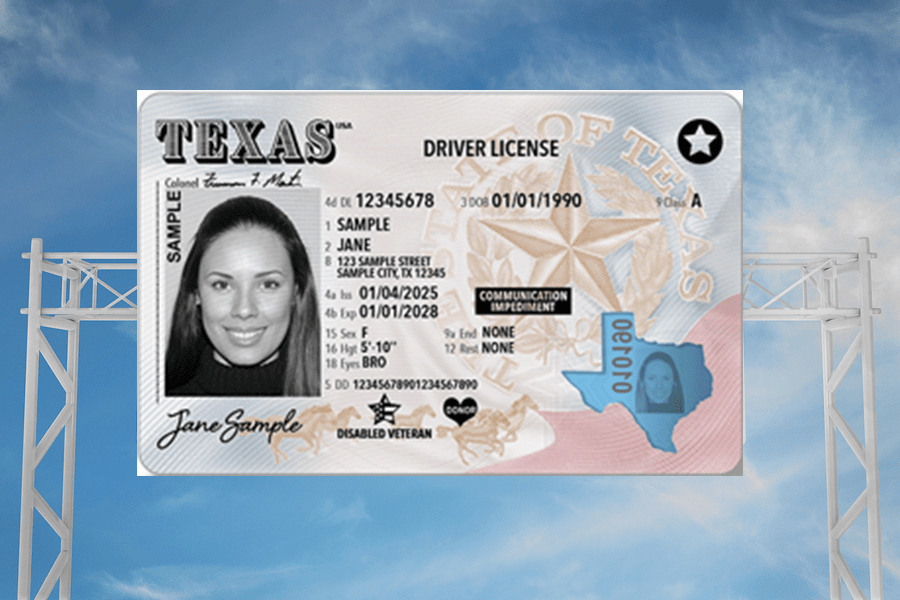
Understanding Eligibility and Requirements
The journey to a Texas driver’s license begins with understanding who is eligible and what documentation will be necessary. Texas has distinct requirements based on age, residency status, and prior driving experience. It is crucial to gather the correct identification and proof of Texas residency before visiting a Texas DPS driver license office.
Age-Specific Requirements
Texas employs a tiered licensing system, particularly for young drivers, designed to progressively introduce driving privileges and responsibilities.
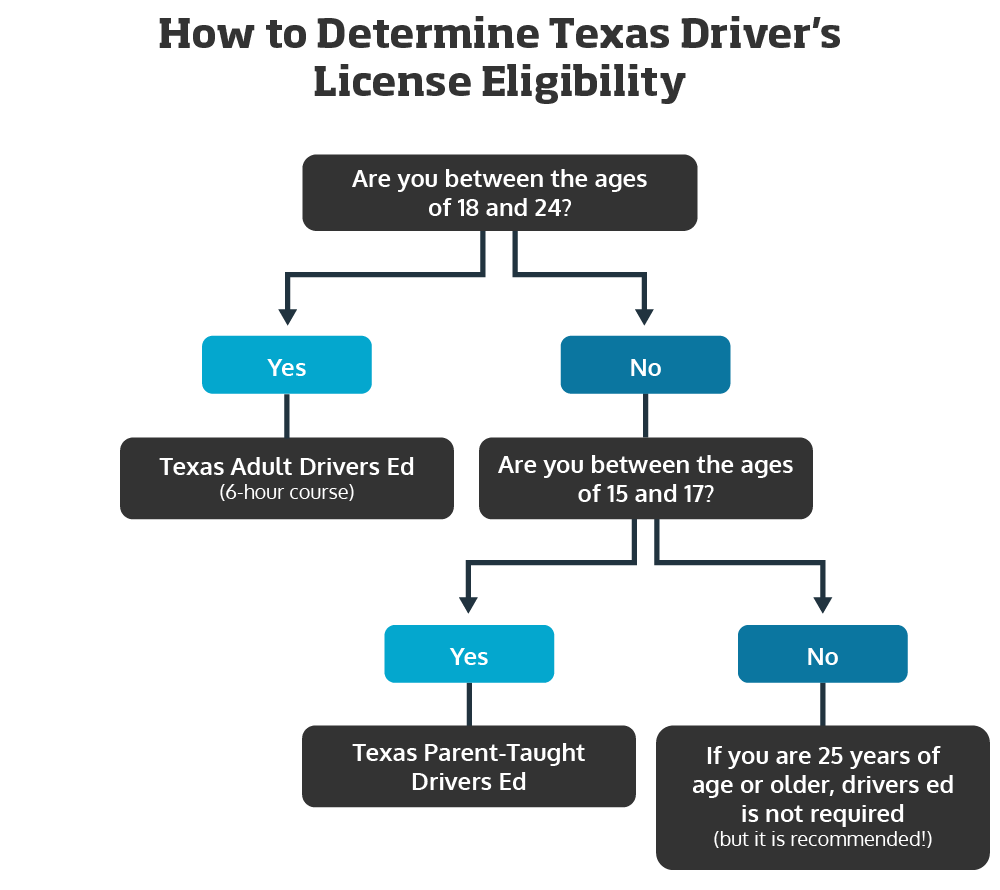
- Instruction Permit (Learner’s Permit): For individuals aged 15 to 17, a learner’s permit is the first step. Applicants must be at least 15 years old and have completed a state-approved driver education program or be enrolled in one. This permit allows supervised driving practice under specific conditions.
- Provisional Driver License: After holding a learner’s permit for at least six months and completing a Texas driver education program (including the Impact Texas Teen Drivers program), 16- and 17-year-olds can apply for a provisional license. This license comes with certain restrictions, such as limits on nighttime driving and the number of passengers allowed.
- Unrestricted Driver License: At age 18, or upon completing the requirements for the provisional license, individuals can apply for a full, unrestricted driver’s license.
Residency and Identification Verification
To prove you are a Texas resident and to verify your identity, you will need to present specific documents. The Texas DPS adheres to strict verification protocols.
- Proof of Identity: This can include an original or certified copy of your birth certificate, a U.S. passport, or a U.S. certificate of citizenship.
- Proof of Social Security: Your Social Security card is typically required.
- Proof of Texas Residency: Two different documents are needed to establish your residency. Examples include utility bills in your name at a Texas address, a lease agreement, a mortgage statement, or mail from a government agency.
- Proof of Lawful Presence: If you are not a U.S. citizen, you will need to provide documentation of your legal presence in the United States, such as an I-551 permanent resident card or an I-94 arrival and departure record.
It is highly recommended to visit the official Texas DPS website for the most current and exhaustive list of acceptable documents. Failing to bring the correct paperwork can lead to delays and require additional visits.
The Application Process: Step-by-Step
Once you have confirmed your eligibility and gathered the necessary documentation, the application process can commence. This typically involves visiting a Texas DPS driver license office, completing an application form, passing vision and knowledge tests, and, for certain applicants, a driving skills test.
The DL-44 Application Form
The first official step at the DPS office is completing the Driver License Application form, known as the DL-44. This form requires detailed personal information, including your name, address, date of birth, and information about your U.S. citizenship or lawful presence. You will also need to provide details about any previous driver’s licenses you may hold or have held. Be prepared to answer questions honestly and accurately, as any falsification can have serious consequences.
Vision and Knowledge Tests
- Vision Test: This is a fundamental requirement to ensure you can see adequately to operate a vehicle safely. You will be asked to read letters on a chart from a specific distance. If you wear glasses or contact lenses, be sure to have them with you, as the test will be administered with and without corrective lenses.
- Knowledge Test (Written Test): This test assesses your understanding of Texas traffic laws, road signs, and safe driving practices. The Texas Driver Handbook is the definitive resource for preparing for this test. It covers everything from speed limits and right-of-way rules to the effects of alcohol and drugs on driving. Studying the handbook thoroughly will significantly increase your chances of passing. The test is typically administered on a computer and consists of multiple-choice questions.
The Driving Skills Test (Road Test)
For individuals applying for their first driver’s license (excluding those who have a valid license from another state or country and meet certain criteria), a driving skills test is mandatory. This test evaluates your ability to operate a vehicle safely and competently in real-world driving conditions.
- Vehicle Requirements: You must provide a safe, registered, and insured vehicle for the test. The vehicle should be in good working order, with functioning brakes, turn signals, lights, and a horn. Ensure the tires are properly inflated and the mirrors are clean and adjusted.
- Test Maneuvers: The examiner will assess your ability to perform various driving tasks, which may include:
- Starting and stopping smoothly.
- Following other vehicles at a safe distance.
- Changing lanes safely and appropriately.
- Making turns, including making left and right turns at intersections.
- Executing parallel parking or a three-point turn (often referred to as a K-turn).
- Observing traffic signals and signs.
- Maintaining proper speed and awareness of surroundings.
- Demonstrating good judgment and defensive driving techniques.
The examiner will be looking for signs of nervousness that impede safe driving, but more importantly, they will be evaluating your adherence to traffic laws and your overall control of the vehicle. Practicing these maneuvers in various traffic conditions is crucial for success.
Special Considerations for Teen Drivers and New Residents
Texas has specific programs and requirements for younger drivers and individuals moving from other jurisdictions. Understanding these nuances can streamline the licensing process.
Impact Texas Teen Drivers (ITTD) Program
The Impact Texas Teen Drivers (ITTD) program is a mandatory component for Texas provisional license applicants. This free, two-hour informational video course is designed to educate teens on the dangers of distracted driving, especially the risks associated with texting while driving and the consequences of driving under the influence of alcohol or drugs.
- Completion Certificate: Upon successful completion of the ITTD program, you will receive a certificate. This certificate must be presented at the driver license office when you take your driving skills test. It is valid for 90 days, so it’s important to complete the program no more than 90 days before your driving test.
- Focus on Real-World Dangers: The program uses real-life scenarios and testimonials to drive home the critical message of safe driving habits and the severe repercussions of irresponsible behavior behind the wheel.
Transferring an Out-of-State License
If you hold a valid driver’s license from another U.S. state, you are generally not required to take the driving skills test again. However, you will need to:
- Surrender Your Out-of-State License: You must present your current, valid driver’s license from your previous state.
- Provide Required Documentation: Bring the same proof of identity, Social Security, and Texas residency documents as listed earlier.
- Pass Vision and Knowledge Tests: You will still need to pass the Texas vision test and the Texas knowledge test. The knowledge test ensures you are familiar with Texas traffic laws, which may differ from those in your previous state.
- Complete Application: Fill out the DL-44 application form.
- Pay the Fee: A fee is associated with obtaining a Texas driver’s license.
You have 90 days after establishing residency in Texas to obtain a Texas driver’s license. It is advisable to do this sooner rather than later to avoid potential legal issues.
Maintaining Your Texas Driver’s License
Once you have successfully obtained your Texas driver’s license, understanding the rules for renewal and maintaining a good driving record is essential for continued driving privileges.
License Renewal
Texas driver’s licenses are typically valid for eight years for adults and six years for drivers under 18. The Texas DPS sends renewal notices by mail or email, but it is your responsibility to ensure your license is renewed on time.
- Online and Mail Renewal: For many drivers, renewal can be completed online through the Texas DPS website or by mail, provided you meet certain criteria (e.g., no change in address, no vision deficiency).
- In-Person Renewal: If you do not qualify for online or mail renewal, or if you prefer, you can renew in person at a Texas DPS driver license office. You will need to complete the DL-44 form and pass the vision test.
- Age 79 and Older: Drivers aged 79 and older must renew their license in person every two years and pass a vision test.

Maintaining a Clean Driving Record
A good driving record is crucial for keeping your license. Accumulating traffic violations, such as speeding tickets or DUIs, can lead to license suspension or revocation.
- Traffic Violations: Pay any tickets promptly and consider attending defensive driving courses (when eligible) to keep points off your record.
- License Suspension/Revocation: The Texas DPS can suspend or revoke a driver’s license for various reasons, including accumulating too many traffic violation points, failing to pay child support, driving while intoxicated, or causing a serious accident. Understanding the consequences of unsafe driving practices is vital.
Obtaining a Texas driver’s license is a significant step towards navigating the vast and diverse state of Texas. By understanding the eligibility requirements, diligently preparing for the tests, and adhering to the rules and regulations, you can confidently and legally enjoy the freedom of the open road.
LifeOutOfTheBox is a participant in the Amazon Services LLC Associates Program, an affiliate advertising program designed to provide a means for sites to earn advertising fees by advertising and linking to Amazon.com. Amazon, the Amazon logo, AmazonSupply, and the AmazonSupply logo are trademarks of Amazon.com, Inc. or its affiliates. As an Amazon Associate we earn affiliate commissions from qualifying purchases.