
Navigating the administrative landscape of a new state can often feel like a complex puzzle, especially when it comes to fundamental aspects like obtaining identification. For individuals embracing a new chapter in Florida—whether as a permanent resident, a long-term seasonal visitor, or a digital nomad—securing a local ID is a pivotal step towards seamless integration into the vibrant Florida lifestyle. More than just a piece of plastic, a Florida ID or driver’s license unlocks a myriad of conveniences, from everyday transactions to legal necessities, making your stay or relocation significantly smoother and more fulfilling.
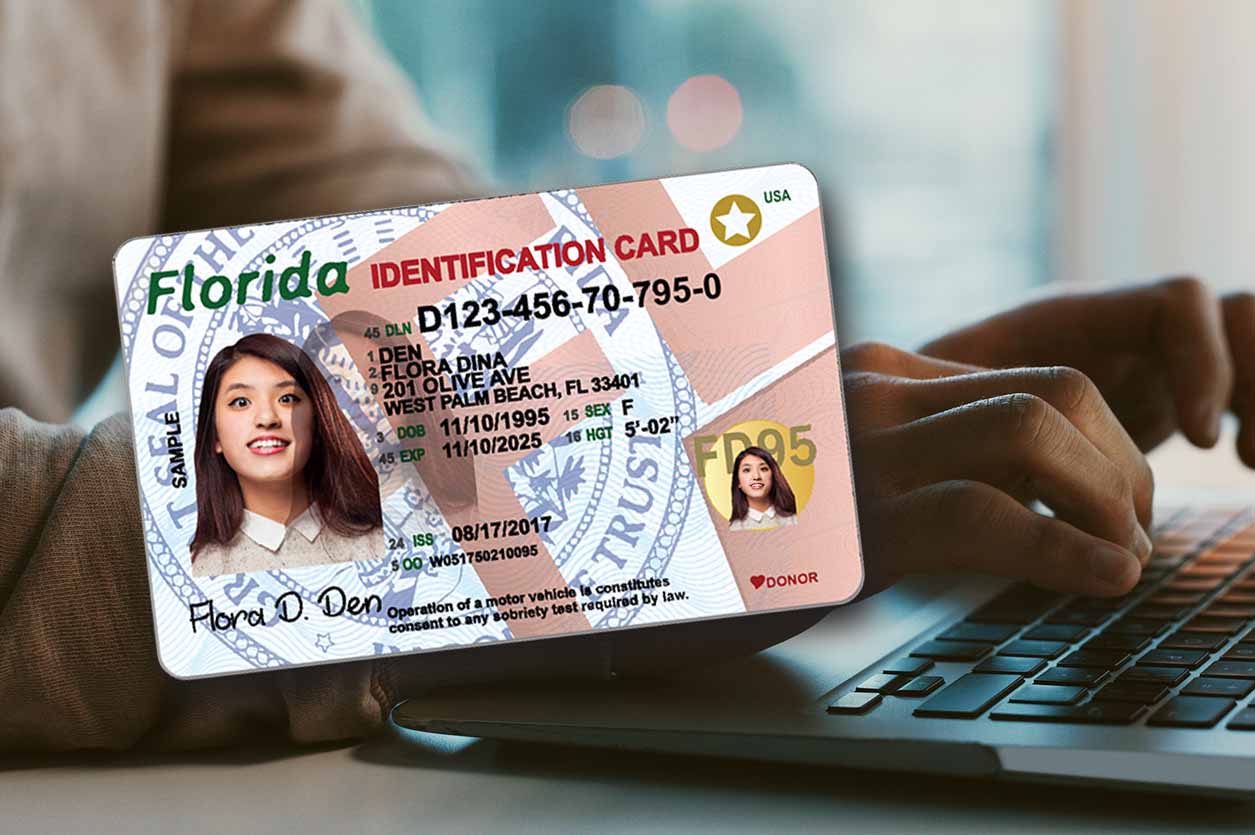
This comprehensive guide delves into the specifics of acquiring a Florida ID, framed through the lens of enhancing your lifestyle. We’ll cover everything from understanding the types of IDs available and the documentation required to navigating the application process and special considerations for various life situations. By demystifying this process, we aim to empower you to confidently establish your presence and truly thrive in the Sunshine State.
Understanding Florida IDs: Why They Matter for Your Lifestyle
Before embarking on the application journey, it’s essential to understand the types of identification available in Florida and why each might be relevant to your personal lifestyle choices. The primary issuing authority is the Florida Department of Highway Safety and Motor Vehicles (DHSMV), which issues both driver’s licenses and state identification cards.
Driver’s License vs. Identification Card
For many, the distinction between a driver’s license and a state ID card is straightforward: one allows you to operate a vehicle, the other does not. However, both serve as official proof of identity and residency within the state.
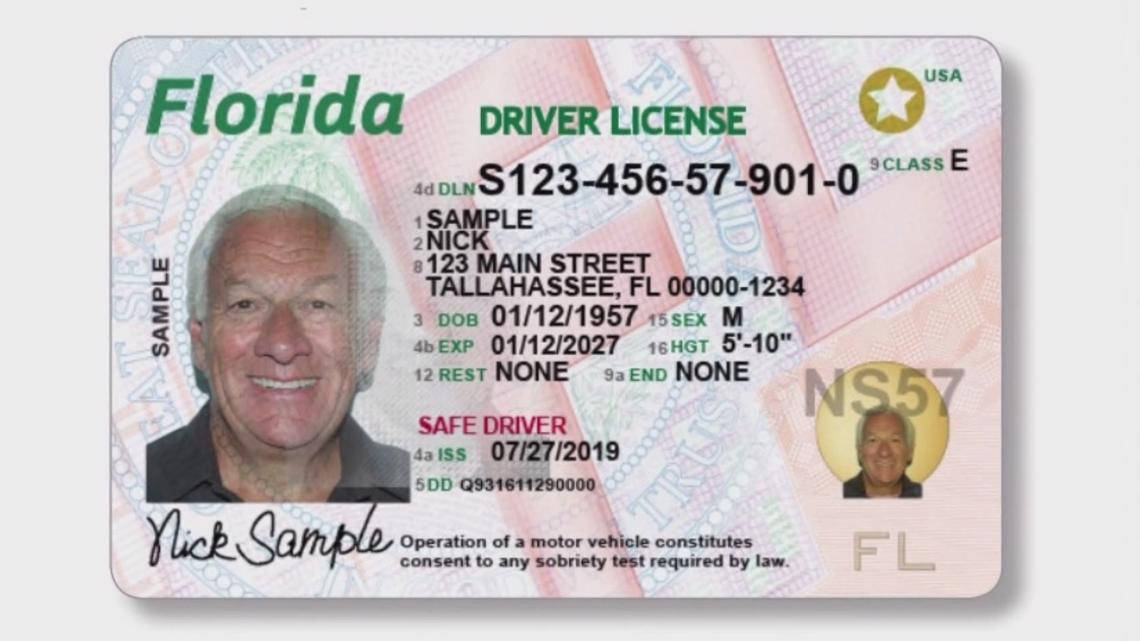
- Florida Driver’s License: This is the most common form of identification for residents. Beyond its primary function of permitting vehicle operation, a Florida driver’s license acts as a universally accepted form of ID for banking, air travel (compliant with the Federal Real ID Act), age verification, and various administrative processes. For those whose Florida lifestyle involves commuting, road trips to places like Key West, or simply the freedom of personal transportation, obtaining a driver’s license is paramount.
- Florida Identification Card: If you don’t drive, or if you prefer not to use your driver’s license as your primary ID, a state identification card is an excellent alternative. It carries the same weight as a driver’s license for identification purposes, minus the driving privilege. This is particularly suitable for urban dwellers who rely on public transport in cities like Miami or Orlando, or for individuals who prefer a non-driving ID for peace of mind. Both types of IDs are crucial for establishing your identity and accessing services that enrich your Florida experience.
Benefits for New Residents and Long-Term Visitors
Acquiring a Florida ID offers significant advantages that directly impact your daily lifestyle:
- Proof of Residency: Many services, from setting up utility accounts to registering children for school, require proof of Florida residency. A state-issued ID provides this unequivocally.
- Enhanced Security: A Real ID-compliant Florida ID is required for boarding domestic flights and accessing federal facilities, ensuring smooth travel experiences within the U.S.
- Convenience in Daily Life: Banking, purchasing alcohol or tobacco, renting vehicles, and even some healthcare services often require a valid state ID. Having a Florida ID simplifies these routine tasks, reducing potential friction.
- Access to Local Benefits: From resident discounts at attractions like theme parks in Orlando to library cards and recreational permits, a local ID can unlock a range of perks tailored to Florida residents, enhancing your engagement with local culture and activities.
Eligibility and Documentation: Your Pathway to a Florida ID
The process of obtaining a Florida ID hinges on providing the correct documentation. The DHSMV requires specific proofs to verify your identity, Social Security number, residential address, and legal presence in the U.S. Gathering these documents beforehand is key to a smooth and efficient application, allowing you to quickly move on to enjoying your Florida lifestyle.
Proof of Identity (Primary Documents)
You must present one original document from the following list to establish your identity:
- Certified U.S. birth certificate (not a hospital birth record)
- Valid U.S. passport or passport card
- Certificate of Naturalization
- Consular Report of Birth Abroad
- Alien Registration Card (Green Card)
- Employment Authorization Card (I-766)
- Unexpired foreign passport with a valid U.S. visa, accompanied by the I-94 form (proof of legal entry)
Ensure the document is original or a certified copy; photocopies are not accepted. The name on this document will be the name that appears on your Florida ID.
Proof of Social Security Number (SSN)
You must provide your Social Security Number. One of the following original documents can be used:
- Social Security card
- W-2 form
- Pay stub displaying your SSN
- SSA-1099 form
- Any 1099 form displaying your SSN
If you do not have an SSN, you must provide a letter from the Social Security Administration (SSA) indicating you were never issued one. This is common for certain non-immigrant visa holders who are not authorized to work in the U.S.
Proof of Residential Address (Two Documents Required)
This is crucial for establishing your Florida residency. Two different documents showing your current residential address are needed. Examples include:
- Utility bill (electric, water, gas, cable, landline phone)
- Lease agreement or mortgage statement
- Bank statement or credit card statement
- Mail from a government agency (federal, state, county, city)
- Vehicle registration or title
- Property tax bill
- Medical or health insurance card with address
- Voter registration card
- Statement from a parent, step-parent, legal guardian, or other person with whom the applicant resides, accompanied by their proof of address and a copy of their ID.
For those moving to Florida, ensuring that initial bills or statements are sent to your new address promptly is essential to streamline this requirement.
Proof of Legal Presence (for Non-Citizens)

If you are not a U.S. citizen, you must present proof of your legal presence in the U.S. This typically includes your unexpired foreign passport with a U.S. visa and the most recent I-94 document. Depending on your visa type, additional documents from USCIS (U.S. Citizenship and Immigration Services) or Homeland Security might be required, such as a Permanent Resident Card, Employment Authorization Card, or an I-20 for students. The validity of your Florida ID will be tied to your authorized length of stay.
The Application Process: Step-by-Step for a Seamless Experience
Once your documentation is meticulously gathered, the application process itself is relatively straightforward. Adhering to these steps will minimize wait times and ensure you leave the DHSMV office with your temporary ID in hand, ready to fully engage with your new Florida lifestyle.
Scheduling Your Appointment
While walk-ins are sometimes accepted, scheduling an appointment online is highly recommended. This drastically reduces wait times and allows you to plan your visit efficiently. The DHSMV website provides an online portal for booking appointments at your nearest service center. Consider locations in major cities like Tampa, Jacksonville, or Sarasota for convenience, but also check smaller, less busy offices if available near your residence.
What to Expect at the DHSMV Office
On the day of your appointment, arrive punctually with all your original documents. You will:
- Check-in: Present your appointment confirmation (if applicable) and receive a queue number.
- Document Verification: A clerk will review all your submitted documents to ensure they meet the DHSMV’s requirements. Any discrepancies or missing documents will lead to delays or a need to reschedule.
- Vision Test (for Driver’s License): If applying for a driver’s license, you will undergo a basic vision screening.
- Written and Driving Tests (for Driver’s License, if applicable): If you are a new driver or transferring an out-of-state license that doesn’t meet reciprocity agreements, you might need to pass a written knowledge test and a driving skills test. Many states have reciprocity, allowing you to waive these tests if you have a valid out-of-state license.
- Photo and Signature: Your photo will be taken, and you will provide an electronic signature.
- Temporary ID: Upon successful completion, you will be issued a temporary paper ID, valid until your permanent card arrives in the mail (typically within 7-10 business days).
Fees and Payment
There are standard fees associated with obtaining a Florida driver’s license or ID card. These fees can vary slightly depending on the type of ID, endorsements, and whether it’s an initial issuance or a renewal. It’s advisable to check the current fee schedule on the DHSMV website before your visit. Most offices accept cash, credit/debit cards, and checks.
Special Considerations for Different Lifestyles in Florida
The journey to obtaining a Florida ID can vary slightly depending on your specific lifestyle and residency status. Understanding these nuances ensures a smoother process, aligning with your unique way of life in the Sunshine State.
Snowbirds and Seasonal Residents
Many individuals enjoy the Florida lifestyle for part of the year, particularly during the cooler months. While not strictly permanent residents, snowbirds and seasonal visitors can still obtain a Florida ID or driver’s license. This can be particularly beneficial for establishing a local presence, receiving mail, and accessing resident-specific benefits. The key challenge often lies in providing two proofs of residential address within Florida if your primary residence is elsewhere. Using utility bills for your Florida rental or owned property, alongside a Florida bank statement, can satisfy this requirement. Having a Florida ID helps integrate you into the community, even for part of the year.
Digital Nomads and Remote Workers
For the growing community of digital nomads and remote workers who choose Florida as their temporary or long-term base, a local ID can be incredibly valuable. It simplifies everything from opening local bank accounts to renting an apartment or car, and even accessing co-working spaces. The challenge for this group often involves establishing stable residential proof if they frequently move between short-term rentals. Utilizing mail forwarding services, setting up a P.O. box (which cannot be used as primary proof but can help receive other mail for secondary proof), or using a long-term rental agreement are common strategies. Obtaining a Florida ID solidifies your temporary “home base,” allowing you to fully embrace the work-life balance Florida offers.
Young Adults and Students
Young adults transitioning into independent living in Florida, especially those attending universities in cities like Tallahassee or Gainesville, will find a Florida ID indispensable. It serves as proof of age and identity for various social and legal interactions. For students, official university documents (like transcripts or enrollment verification) showing a Florida address, along with a lease agreement for student housing or a letter from a parent verifying co-residency, can fulfill the address requirements. This step is a rite of passage, empowering them with independence and facilitating their academic and social life in the state.
Maintaining Your Florida ID and What Comes Next
Obtaining your Florida ID is a significant achievement, but it’s also the beginning of its role in your Florida lifestyle. Understanding how to maintain it and leverage its benefits is key to long-term convenience.
Renewals and Updates
Florida driver’s licenses and ID cards typically need to be renewed every 6 to 8 years, though this can vary for non-citizens based on visa validity. The DHSMV often sends renewal notices by mail. Many renewals can be processed online, saving you a trip to the office. However, if your photo needs updating, or if there are significant changes to your personal information (name, address), an in-person visit might be required. It’s crucial to keep your address updated with the DHSMV to ensure you receive important communications, reflecting your current lifestyle and location.
Leveraging Your Florida ID for Daily Life
With your official Florida ID in hand, you’re now fully equipped to embrace all aspects of your chosen lifestyle in the Sunshine State. Use it to:
- Open Bank Accounts: Seamlessly conduct financial transactions with local banks.
- Register a Vehicle: If you plan on purchasing a car, your Florida ID will be essential for registration and titling.
- Access Healthcare: Facilitate appointments and services with Florida-based medical providers.
- Vote: Register to vote in local and state elections, allowing you to participate actively in the community.
- Enjoy Recreational Activities: Secure local permits for fishing, boating, or state park access, enhancing your enjoyment of Florida’s natural beauty.
- Legal Compliance: Ensure smooth interactions with law enforcement or other authorities, as your valid ID provides quick and reliable identification.
Obtaining a Florida ID is more than just an administrative task; it’s a foundational step that empowers you to fully immerse yourself in the rich and diverse lifestyle that Florida has to offer. By meticulously preparing and understanding the process, you can quickly move past the paperwork and focus on living your best life under the Florida sun.
LifeOutOfTheBox is a participant in the Amazon Services LLC Associates Program, an affiliate advertising program designed to provide a means for sites to earn advertising fees by advertising and linking to Amazon.com. Amazon, the Amazon logo, AmazonSupply, and the AmazonSupply logo are trademarks of Amazon.com, Inc. or its affiliates. As an Amazon Associate we earn affiliate commissions from qualifying purchases.