
Unlocking a New Lifestyle: The Power of a California Class A License
For many, the idea of a “Class A License” conjures images of long-haul truckers traversing vast highways. While this is certainly a primary application, for those yearning for a life less ordinary—a life “out of the box”—obtaining a Class A Commercial Driver’s License (CDL) in California can be a gateway to unparalleled freedom and unique lifestyle choices. This isn’t just about driving big rigs; it’s about empowering yourself to embark on grand adventures, operate substantial recreational vehicles (RVs) with confidence, or even forge a path in specialized fields that blend work with wanderlust.
Beyond the Traditional Commute: What a Class A License Truly Means
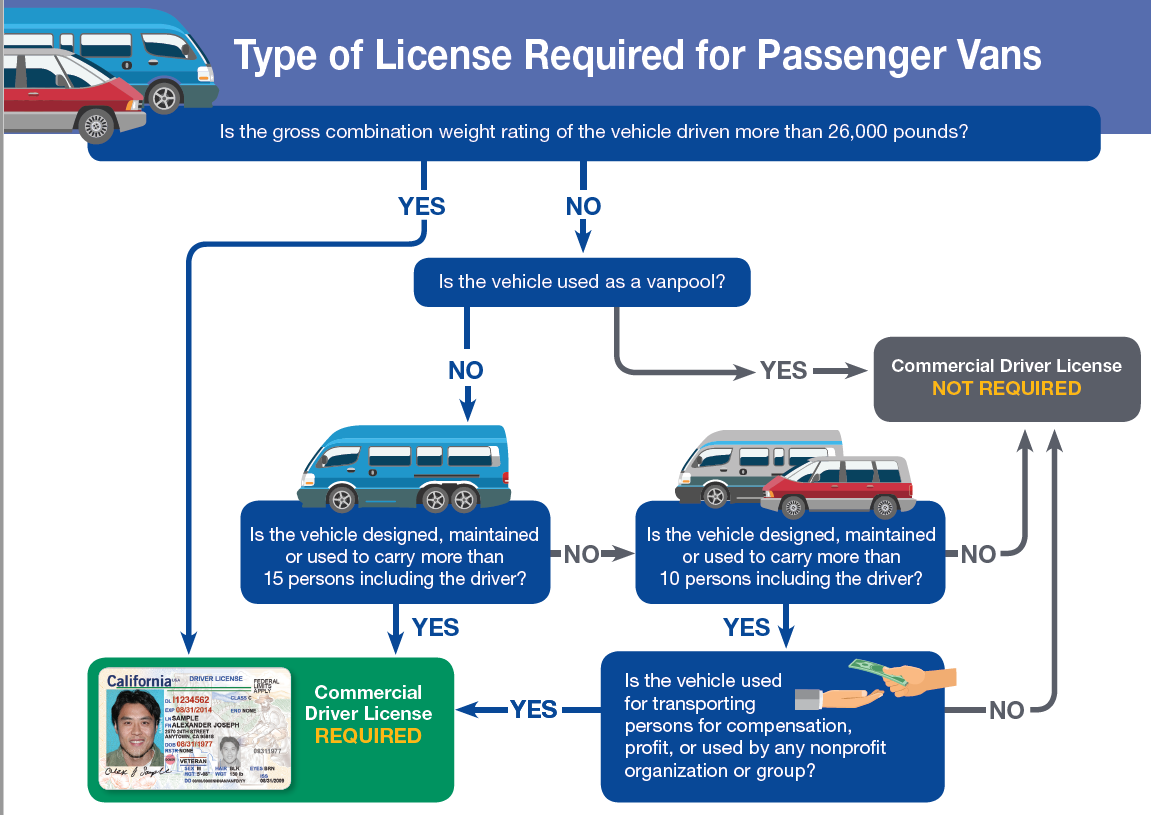
A Class A license is the highest level of driver’s license available, enabling you to operate any combination of vehicles with a Gross Combination Weight Rating (GCWR) of 26,001 pounds or more, provided the vehicle being towed has a Gross Vehicle Weight Rating (GVWR) of more than 10,000 pounds. This encompasses everything from tractor-trailers to livestock carriers, but more importantly for the lifestyle enthusiast, it covers many of the largest, most luxurious, and fully-equipped motorhomes and fifth-wheel RVs that redefine mobile living.
Imagine owning a sprawling recreational vehicle, essentially a mobile mansion, that allows you to chase the seasons, explore every corner of California’s diverse landscapes, from the redwood forests to the desert expanses, and beyond. Without a Class A CDL, many of the largest RVs, especially those towing a substantial car or trailer, exceed the limits of a standard Class C license. The Class A license doesn’t just grant legal permission; it instills the essential skills, knowledge, and confidence to safely command these formidable machines. It’s about more than compliance; it’s about capability, ensuring you and your precious cargo navigate busy freeways, winding mountain roads, and tight campground spaces with expertise. This foundational skill set opens doors to long-term travel, digital nomadism, and a truly self-sufficient mobile existence, allowing you to craft a lifestyle dictated by your desires, not by fixed addresses or conventional travel constraints.
The Call of the Open Road: RV Living and Extended Travel
The dream of full-time RV living resonates deeply with the “life out of the box” philosophy. A Class A license transforms this dream into a practical reality. For those considering an extended road trip across the United States or embracing a permanent nomadic lifestyle, a Class A CDL is often an indispensable asset. While some states have specific “non-commercial Class A” licenses for RVs, California’s standard Class A CDL is a robust qualification that covers all bases. It allows you to confidently pilot a large motorhome, especially if you plan to tow a car, boat, or utility trailer weighing over 10,000 pounds.
This capability is not just about legalities; it’s about peace of mind. Driving a 40-foot motorhome through the congested streets of Los Angeles or navigating the steep grades near Yosemite National Park requires a different skill set than driving a passenger car. The training involved in obtaining your Class A license covers critical aspects like air brakes, combination vehicle dynamics, weight distribution, and extensive defensive driving techniques tailored for large vehicles. These skills are invaluable for ensuring safety for yourself, your family, and others on the road. The open road beckons with endless possibilities—from chasing sunsets along the Pacific Coast Highway to establishing a temporary base near ski resorts in the Sierra Nevada. The Class A license is your permit to explore, to discover, and to truly live life on your own terms, unbound by traditional forms of accommodation or travel. It’s an investment in freedom, allowing you to chart your own course and experience the richness of diverse destinations at your own pace.
Navigating the Path to Certification: Eligibility and Requirements
Obtaining a Class A license in California is a structured process designed to ensure that all commercial drivers meet rigorous safety and competency standards. While the journey requires dedication, the rewards of enhanced capability and lifestyle freedom are well worth the effort. Understanding the foundational requirements is the first crucial step on this path.
Initial Hurdles: Age, Residency, and Medical Clearances
Before you can even begin studying for the written exams, you must meet certain fundamental eligibility criteria established by the California Department of Motor Vehicles (DMV) and federal regulations. First, you must be at least 18 years old to drive a commercial vehicle intrastate (within California only). However, to operate a commercial vehicle interstate (across state lines), you must be at least 21 years old. Given the nature of a lifestyle that embraces extensive travel, the 21-year-old requirement is often the more practical benchmark for aspiring Class A license holders.
Crucially, you must also be a legal resident of California and possess a valid Class C California driver’s license. The most significant hurdle for many is the Department of Transportation (DOT) medical examination. This mandatory physical ensures that you are medically fit to safely operate a commercial vehicle. It involves a thorough check of your vision, hearing, blood pressure, and overall physical and mental health. Any pre-existing conditions, such as diabetes or heart issues, will be evaluated to determine if they can be safely managed while driving. Upon passing, you’ll receive a DOT medical card, which must be carried with your license at all times. This medical clearance is paramount, as the physical and mental demands of driving a large vehicle for extended periods require a high level of health and alertness. Clearing these initial prerequisites sets the stage for the knowledge and skills acquisition phases.
Knowledge is Power: The Written Examination Phase
Once you’ve cleared the initial eligibility requirements, the next step involves mastering the theoretical knowledge essential for safe commercial vehicle operation. This phase primarily consists of a series of written examinations administered by the California DMV. The core tests required for a Class A license include:
- General Knowledge Test: This comprehensive exam covers a vast array of topics, including safe driving practices, vehicle inspection, basic vehicle control, cargo handling, drug and alcohol regulations, and hazardous materials recognition. It’s the foundational knowledge every commercial driver must possess.
- Air Brakes Test: Given that most Class A vehicles utilize air brake systems, understanding their operation, inspection, and troubleshooting is critical. This test ensures you have the necessary expertise in this complex braking system.
- Combination Vehicles Test: This specialized exam focuses on the unique challenges and dynamics of operating vehicles that consist of a tractor and one or more trailers. It covers aspects like coupling and uncoupling, weight distribution, turning, and backing with a trailer.
Beyond these core tests, depending on your specific lifestyle goals, you might consider additional endorsements. For instance, if you plan to drive a motorhome with air brakes and pull a heavy trailer, these three tests are sufficient. However, if your vision involves transporting specialized goods for a mobile business or even a future career that might involve more complex setups, endorsements like Tanker (N), Hazardous Materials (H), or Doubles/Triples (T) might be relevant. Each endorsement requires passing a separate written test.
Studying for these exams is paramount. The official California CDL Handbook (available on the DMV website) is your primary resource, providing all the necessary information. Many online practice tests and CDL preparation courses are also available, offering a simulated testing environment to help build confidence and identify areas needing further review. Dedication to this phase ensures a strong theoretical foundation, which is crucial for both passing the tests and, more importantly, for safe driving in real-world scenarios.
Hands-On Training: Mastering the Practical Skills
Passing the written exams grants you a Commercial Learner’s Permit (CLP), allowing you to practice driving a Class A vehicle under the supervision of a licensed CDL holder. This signals your readiness for the practical training phase, where theoretical knowledge transforms into tangible driving skills. This hands-on experience is arguably the most critical component of obtaining your Class A license and ensuring you are truly prepared for the open road.
Choosing the Right Training Program in California
While it is technically possible to prepare for the skills test with a private instructor, enrolling in a reputable Commercial Driver’s License (CDL) training school in California is highly recommended. These schools offer structured curricula, experienced instructors, and access to appropriate training vehicles, which are essential for developing proficiency. When selecting a school, consider factors such as:
- Accreditation and Reputation: Look for schools that are accredited and have a strong track record of successful graduates. Reviews and testimonials can provide valuable insights.
- Curriculum and Vehicle Types: Ensure the curriculum covers all aspects of the skills test and that the school provides training on vehicles similar to what you intend to drive. For example, if you plan on operating a large RV with air brakes, confirm they have suitable equipment.
- Instructor Experience: Experienced instructors who can provide personalized feedback are invaluable.
- Location and Schedule Flexibility: Choose a school that fits your geographical needs and offers class schedules compatible with your lifestyle. Popular training centers are often found near major cities like Sacramento, San Francisco, and Los Angeles, offering a range of options.
- Cost and Financial Aid: CDL training can be a significant investment, so inquire about tuition costs, payment plans, and any available financial aid or grants.
A good training program will not only teach you the mechanics of driving but also the critical nuances of commercial vehicle operation, safety protocols, and effective communication on the road. This comprehensive approach ensures you’re not just passing a test, but truly becoming a competent and confident driver.
Behind-the-Wheel Mastery: Pre-Trip, Basic Controls, and Road Test
The practical skills test, also administered by the California DMV, is the final hurdle before earning your Class A license. It’s a comprehensive evaluation divided into three main parts:
- Vehicle Inspection (Pre-Trip Inspection): This segment requires you to perform a thorough walk-around inspection of the vehicle, demonstrating your knowledge of its components and your ability to identify potential safety defects. You’ll need to articulate what you’re checking and why, covering everything from tires and brakes to lights and fluid levels. This ensures you can identify issues before they become hazards on the road.
- Basic Vehicle Control Skills Test: This portion evaluates your ability to maneuver the large vehicle in a controlled environment. Typical exercises include straight-line backing, offset backing (to the left or right), and parallel parking. Precision, smooth movements, and an understanding of your vehicle’s dimensions are key here. This is where you demonstrate mastery over the vehicle’s unique handling characteristics, especially when operating in tight spaces.
- Road Test: The culminating event, the road test, assesses your ability to drive safely and proficiently in real-world traffic conditions. An examiner will accompany you as you navigate various routes, evaluating your performance on turns, lane changes, merging, stopping, starting, and obeying traffic laws. Emphasis is placed on defensive driving techniques, maintaining proper speed and following distance, and managing your vehicle’s weight and length effectively.
Throughout the training and testing, safety is the paramount concern. Instructors will instill the importance of anticipating hazards, checking mirrors frequently, and understanding blind spots inherent to large vehicles. Mastering these practical skills not only helps you pass the test but also equips you with the confidence and expertise to safely embark on a lifestyle of independent travel and exploration, ensuring that your journey is as secure as it is exhilarating.
Embracing the “Out of the Box” Life: Opportunities with Your Class A License
With a California Class A license in hand, you’ve not just earned a credential; you’ve unlocked a diverse array of opportunities to reshape your lifestyle, pursue independent adventures, and even contribute to the broader travel ecosystem. The versatility of this license extends far beyond conventional trucking, paving the way for unique and fulfilling experiences that align with the “life out of the box” philosophy.
Independent Exploration and Adventure Tourism
For the true adventurer, the Class A license is a passport to unparalleled freedom. Imagine piloting a custom-built, heavy-duty overland vehicle capable of navigating challenging terrains, equipped for extended off-grid living. Your Class A license allows you to legally and safely operate such a rig, transforming remote landscapes into your temporary backyard. This enables a level of independent exploration impossible with smaller vehicles, allowing you to access pristine natural areas, national parks, and hidden gems that remain out of reach for most. Whether it’s exploring the desert trails of Anza-Borrego Desert State Park or traversing the scenic byways of the Redwood National Park, your mobility becomes limitless.
Furthermore, this license can open doors to niche areas within adventure tourism. You might operate specialized transport for guided tours, such as a large expedition vehicle for wildlife safaris or a support truck for multi-day cycling or hiking adventures. Some even leverage their Class A skills to manage mobile businesses—be it a gourmet food truck catering to festivals, a mobile workshop for artisans, or a traveling photography studio. The ability to move significant equipment and set up operations anywhere creates boundless entrepreneurial possibilities that blend profession with a passion for travel and discovery.
Career Flexibility and Supporting the Travel Ecosystem
While the primary focus for many obtaining a Class A license for lifestyle reasons isn’t traditional employment, the skills acquired are highly valuable and can offer significant career flexibility, indirectly supporting the travel and hospitality industry. Class A CDL holders are essential to the logistics that power resorts, remote lodges, and major tourist destinations. They transport everything from fresh produce and supplies to construction materials for new attractions. Your expertise could be invaluable for short-term contracts, enabling you to earn income while still maintaining a nomadic or semi-nomadic lifestyle.
Consider roles such as:
- Specialized Event Transportation: Moving stages, sound equipment, or exhibits for large outdoor festivals, concerts, or sporting events often held in scenic or remote locations.
- Luxury RV Delivery and Relocation: Assisting RV dealerships or private owners with the delivery or relocation of high-end motorhomes and trailers, offering opportunities to drive new vehicles to exciting destinations.
- Mobile Business Logistics: Supporting mobile businesses that require moving large, specialized equipment for fairs, markets, or pop-up events across California’s diverse regions.
- Tour Bus Operation (with Passenger Endorsement): If you enjoy interacting with people, a Class A license with a passenger endorsement allows you to operate tour buses, leading groups through wine country, historical sites, or national parks. This directly places you within the tourism sector, combining your driving skills with a love for showing others the wonders of your chosen destinations.
These opportunities provide not just financial stability but also a chance to remain engaged with the open road and the vibrant tapestry of destinations, enhancing the overall travel ecosystem while living a lifestyle free from the confines of a traditional office.
Beyond the License: Maintaining Your Freedom on the Road
Obtaining your Class A license in California is a monumental achievement, opening doors to an expansive, unconventional lifestyle. However, the journey doesn’t end with passing your final test. Maintaining your newfound freedom on the road requires ongoing commitment to safety, continuous learning, and adherence to regulations. This ensures that your adventures remain smooth, safe, and uninterrupted.
Continuous Learning and Endorsements
The world of commercial driving is constantly evolving, with new technologies, regulations, and best practices emerging regularly. As an “out of the box” traveler, staying informed is crucial. While your initial Class A license is comprehensive, consider pursuing additional endorsements that might enhance your specific lifestyle or career aspirations. For instance, if your mobile business involves transporting specialized liquids, a Tanker (N) endorsement would be essential. If you plan to haul multiple trailers for a particular venture, the Doubles/Triples (T) endorsement will be necessary. Even for purely recreational purposes, understanding these specialized areas can improve your overall driving knowledge and versatility. Many drivers also benefit from advanced defensive driving courses tailored for large vehicles, which go beyond the basic CDL curriculum and focus on hazard perception, accident avoidance, and driving in extreme conditions specific to California’s varied climates, from foggy coastal roads to snowy mountain passes.
Staying Compliant and Safe on California’s Roads
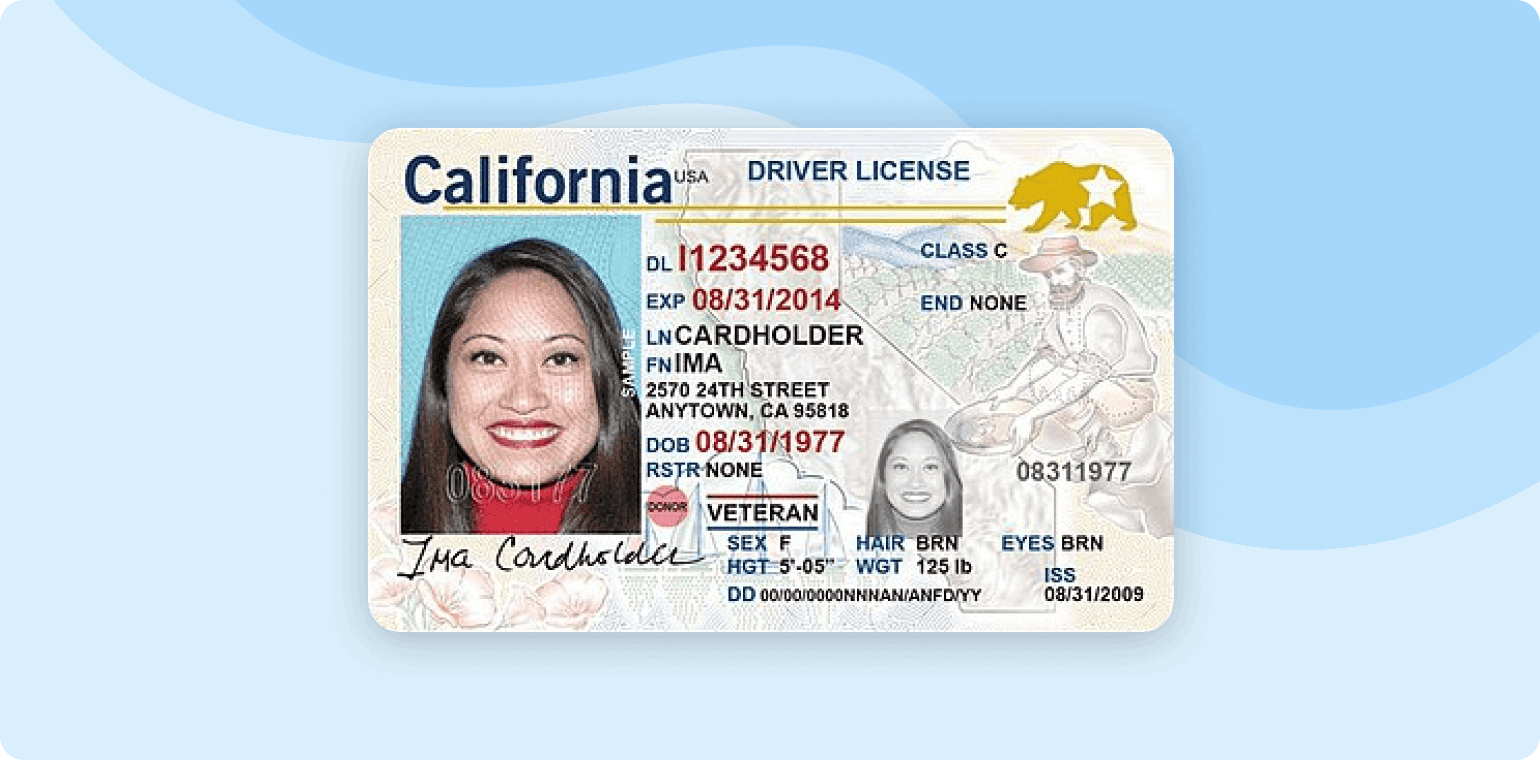
The privilege of operating a Class A vehicle comes with significant responsibilities. Maintaining your Class A license requires ongoing compliance with federal and state regulations. Your DOT medical card must be kept current, typically requiring a physical examination every two years. Failure to maintain a valid medical certificate can result in your CDL being downgraded or suspended. Vehicle maintenance is also paramount, especially when you’re relying on your rig for both transportation and living space. Regular inspections, preventative maintenance, and prompt repairs are not just legal requirements but essential practices for safety and reliability. The California Highway Patrol and other law enforcement agencies rigorously enforce commercial vehicle laws, and staying compliant avoids costly fines, downtime, and potential legal issues that could derail your travels.
Furthermore, developing a strong safety mindset is key. Always perform pre-trip inspections, manage your hours of service (even for non-commercial driving, knowing your limits prevents fatigue), and practice heightened situational awareness. The freedom of the open road is exhilarating, but it demands respect and responsibility. By embracing continuous learning, diligently maintaining your vehicle, and strictly adhering to safety and regulatory standards, your California Class A license will continue to be your reliable key to a life of adventure, exploration, and self-made opportunities, ensuring that your journey out of the box is both thrilling and secure.
LifeOutOfTheBox is a participant in the Amazon Services LLC Associates Program, an affiliate advertising program designed to provide a means for sites to earn advertising fees by advertising and linking to Amazon.com. Amazon, the Amazon logo, AmazonSupply, and the AmazonSupply logo are trademarks of Amazon.com, Inc. or its affiliates. As an Amazon Associate we earn affiliate commissions from qualifying purchases.