
The concept of a Power of Attorney (POA) is a cornerstone of responsible personal and financial planning, particularly when considering potential future incapacities or absences. In the vibrant and diverse state of Florida, understanding and executing a POA is a crucial step for many residents. This legal document grants a designated individual, known as the agent or attorney-in-fact, the authority to act on behalf of the principal (the person granting the power) in financial, legal, or healthcare matters. While the title “How To Obtain Power Of Attorney Florida” might initially suggest a purely legalistic process, its implications are deeply intertwined with how individuals manage their lives, plan for contingencies, and ensure their affairs are handled with care and precision, especially concerning travel, accommodation, and overall lifestyle management.
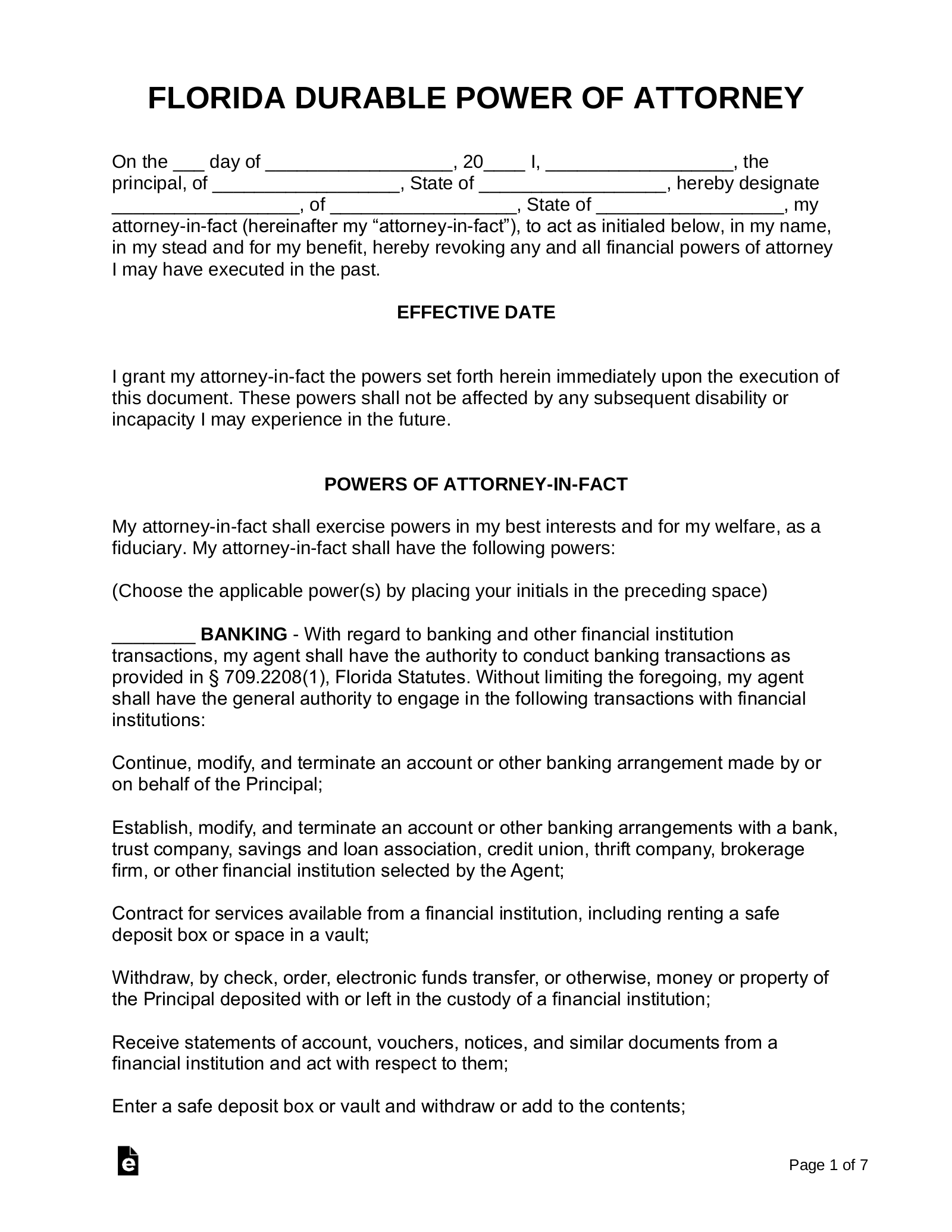
Understanding the Different Types of Power of Attorney in Florida
Florida law recognizes several distinct types of Power of Attorney, each serving a specific purpose and offering varying degrees of authority. The choice of POA type is paramount and depends heavily on the principal’s current situation and future expectations. For those who travel frequently, live abroad, or anticipate extended periods away from Florida, a well-structured POA can be indispensable for managing their affairs seamlessly.
General Power of Attorney
A General Power of Attorney grants broad authority to the agent to act on behalf of the principal in virtually any matter. This can include managing bank accounts, selling or purchasing property, entering into contracts, and making investment decisions. This type of POA is often used when the principal is unable to manage their affairs due to a temporary absence, such as an extended vacation or a business trip. However, it is important to note that a General POA typically terminates upon the principal’s incapacitation or death, unless it is also a Durable Power of Attorney.
Durable Power of Attorney
The Durable Power of Attorney is arguably the most critical type of POA for long-term planning. In Florida, a POA is considered durable if it contains language stating that it remains in effect even if the principal becomes incapacitated or disabled. This is vital because it ensures that the agent can continue to manage the principal’s affairs without interruption, even if the principal can no longer make decisions for themselves. This is particularly relevant for individuals who are concerned about potential health issues that might arise later in life, affecting their ability to oversee their lifestyle or travel plans.
Special or Limited Power of Attorney
A Special or Limited Power of Attorney grants the agent authority to act only in specific situations or for a defined period. For example, a principal might grant a limited POA to an agent to handle the sale of a specific property while they are traveling abroad, or to manage their accommodation bookings for a particular trip. This type of POA offers a higher degree of control for the principal, as the agent’s powers are narrowly defined and do not extend beyond the stated scope. This can be useful for short-term needs, such as when a person is out of the country and needs someone to handle urgent matters related to their hotels or rental properties.
Springing Power of Attorney
A Springing Power of Attorney becomes effective only upon the occurrence of a specific event or condition, typically the principal’s incapacitation. The document will clearly define the circumstances under which the POA “springs” into effect, often requiring a certification from one or more physicians. This type of POA offers an added layer of protection, ensuring that the agent’s powers are not activated until they are truly needed.
The Process of Obtaining a Power of Attorney in Florida
Acquiring a Power of Attorney in Florida involves a structured legal process designed to ensure the document is valid and enforceable. While the specifics can vary slightly based on the type of POA and individual circumstances, the core steps remain consistent.
Consulting with an Attorney
The most crucial step in obtaining a valid POA is to consult with a qualified Florida attorney specializing in estate planning or elder law. An attorney can provide invaluable guidance on the best type of POA for your specific needs, explain the implications of granting certain powers, and ensure the document is drafted in accordance with all applicable Florida statutes. They will also discuss the implications for your travel, hotels, and overall lifestyle management.
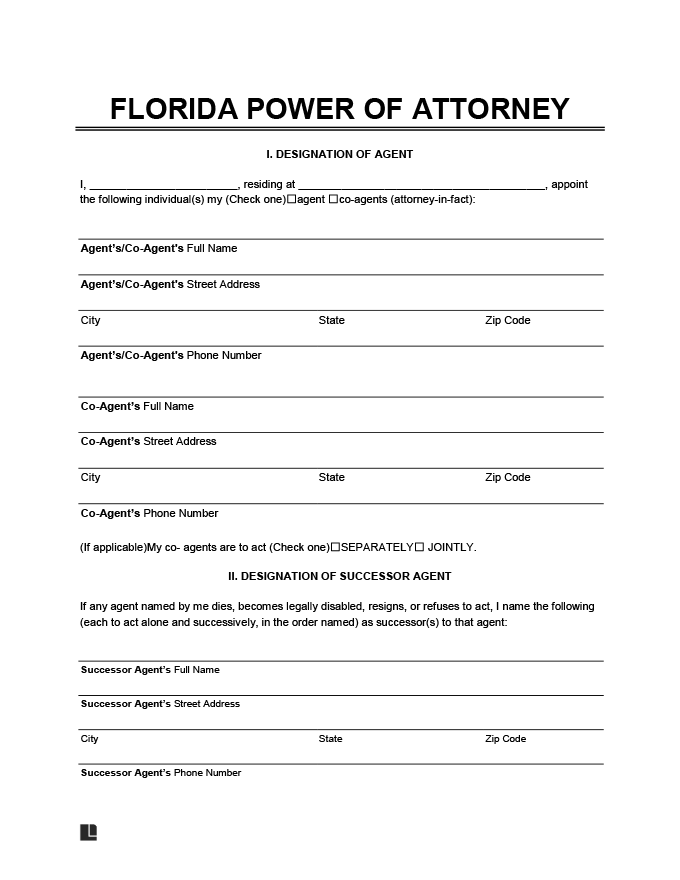
Drafting the Power of Attorney Document
Once the type of POA and the chosen agent are determined, the attorney will draft the document. This document must clearly state:
- The full legal names of the principal and the agent.
- The specific powers being granted to the agent.
- Any limitations or conditions on the agent’s authority.
- The effective date of the POA and, if applicable, its termination date or conditions.
- For Durable POAs, the language confirming its durability.
- For Springing POAs, the specific conditions that trigger its effectiveness.
The clarity and specificity of the language used in the POA are paramount to avoid ambiguity and potential disputes. This is especially important when the POA might be used to manage accommodation or resorts while the principal is away.
Executing the Power of Attorney
In Florida, a POA must be properly executed to be legally binding. This typically involves:
- Signing by the Principal: The principal must sign the document in the presence of witnesses and a notary public.
- Witnesses: Two witnesses are generally required. These witnesses must be at least 18 years old, understand that the person signing is the principal, and sign the document in the principal’s presence. Critically, the witnesses cannot be the person being appointed as the agent.
- Notarization: A notary public must then acknowledge the principal’s signature and administer oaths if necessary, adding their official seal and signature to the document.
For certain types of POAs, such as those involving real estate transactions, additional requirements may apply, including specific language or witness attestations.
Filing and Safekeeping
Once executed, the original POA document should be kept in a safe and accessible place. It is advisable to provide a copy to your chosen agent and to any financial institutions or relevant parties who may need to rely on the document. While POAs generally do not need to be filed with the county clerk’s office in Florida unless they are being used in conjunction with a real estate transaction, it is essential to have the original readily available when needed.
Key Considerations for Principals and Agents
The decision to grant Power of Attorney is significant, and both the principal and the chosen agent should understand their roles, responsibilities, and the potential implications.
Choosing the Right Agent
Selecting an agent is one of the most critical aspects of creating a POA. The agent should be someone you trust implicitly, who is responsible, capable of managing financial or healthcare decisions, and willing to act in your best interests. Consider factors such as:
- Trustworthiness: Is this person someone you have absolute faith in?
- Competence: Do they have the financial acumen or understanding of healthcare matters required?
- Availability: Will they be available to act when needed, especially if you travel extensively or live abroad?
- Proximity: While not always necessary, proximity can be helpful for managing immediate tasks related to accommodation or local property.
Responsibilities of the Agent
The agent has a fiduciary duty to act solely in the principal’s best interest. This means:
- Acting in good faith: Always prioritizing the principal’s well-being.
- Avoiding self-dealing: Not using the POA for personal gain.
- Keeping accurate records: Maintaining detailed accounts of all transactions made on behalf of the principal.
- Acting within the scope of the POA: Adhering strictly to the powers granted in the document.
- Communicating: Keeping the principal informed of significant actions taken, if the principal is capable of understanding.

Termination of a Power of Attorney
A POA can terminate for several reasons:
- Revocation by the Principal: As long as the principal is mentally competent, they can revoke a POA at any time by executing a written document revoking the prior POA and notifying the agent.
- Death of the Principal: A POA automatically terminates upon the death of the principal. At this point, the terms of the principal’s will or the laws of intestacy take over.
- Incapacity of the Agent: If the agent becomes incapacitated or dies, the POA may terminate, depending on its terms and whether a successor agent is named.
- Divorce: If the agent is the principal’s spouse and they become divorced, the POA is automatically revoked unless the document states otherwise.
- Specific Termination Date or Event: If the POA was created for a specific purpose or time period, it will terminate when that purpose is fulfilled or the date passes.
For individuals who travel frequently, perhaps staying in various hotels or planning extensive tourism experiences, a robust POA ensures that their financial and personal affairs are managed diligently, allowing them to enjoy their travels with peace of mind. It safeguards their assets, ensures their bills are paid, and that their chosen lifestyle can be maintained, regardless of their physical location. The process of obtaining a POA in Florida, while requiring careful consideration and legal consultation, is an empowering step toward securing your future and ensuring your wishes are respected.
LifeOutOfTheBox is a participant in the Amazon Services LLC Associates Program, an affiliate advertising program designed to provide a means for sites to earn advertising fees by advertising and linking to Amazon.com. Amazon, the Amazon logo, AmazonSupply, and the AmazonSupply logo are trademarks of Amazon.com, Inc. or its affiliates. As an Amazon Associate we earn affiliate commissions from qualifying purchases.