
Florida, often lauded as the “Sunshine State,” is a vibrant economic hub offering a compelling landscape for entrepreneurs and businesses looking to establish a presence. Beyond its world-renowned tourism and leisure industries, the state boasts a diverse and growing economy, fueled by innovation, a favorable business climate, and a strategic location. For those considering setting up shop in this dynamic region, understanding the process of opening a company in Florida is the crucial first step towards realizing their entrepreneurial dreams. This guide aims to demystify the procedures, outlining the essential steps and considerations for a smooth and successful launch, all while highlighting how a thriving business can intersect with and benefit from Florida’s rich tourism and lifestyle offerings.
Laying the Foundation: Business Planning and Legal Structures
Before diving into the formal registration process, a robust business plan is paramount. This document serves as your roadmap, detailing your business concept, target market, financial projections, and operational strategies. For a business aiming to tap into Florida’s tourism sector, this plan should meticulously consider the unique demands and opportunities of the local market. Are you envisioning a boutique hotel catering to luxury travelers near the pristine beaches of Sarasota? Or perhaps a unique culinary tour business exploring the vibrant food scene in Miami? Your business plan should answer these questions and more, laying a solid foundation for everything that follows.
Choosing the Right Legal Structure
One of the most significant decisions you’ll make is selecting the appropriate legal structure for your company. This choice impacts taxation, liability, and administrative requirements. The most common options in Florida include:
Sole Proprietorship
This is the simplest structure, where the business is owned and run by one individual, and there is no legal distinction between the owner and the business. While easy to set up, the owner is personally liable for all business debts and obligations.
Partnership
Similar to a sole proprietorship, a partnership involves two or more individuals who agree to share in the profits or losses of a business. Partners are generally personally liable for business debts.
Limited Liability Company (LLC)
An LLC offers a blend of partnership simplicity and corporate liability protection. It separates personal assets from business debts, meaning the owner’s personal property is generally protected if the business incurs debt or faces lawsuits. This is a popular choice for many small and medium-sized businesses in Florida.
Corporation (S Corp and C Corp)
A corporation is a more complex structure that is a separate legal entity from its owners (shareholders).
- C Corporations are taxed separately from their owners, which can lead to “double taxation” (profits are taxed at the corporate level and again when distributed to shareholders as dividends).
- S Corporations offer a pass-through taxation option, avoiding double taxation by allowing profits and losses to be reported on the owners’ personal income tax returns.
For businesses aiming to operate within the tourism, hospitality, or lifestyle sectors in Florida, the LLC often strikes an excellent balance between ease of management and personal liability protection. For instance, a new boutique hotel in the Florida Keys might find an LLC structure ideal.
Navigating the Registration Process
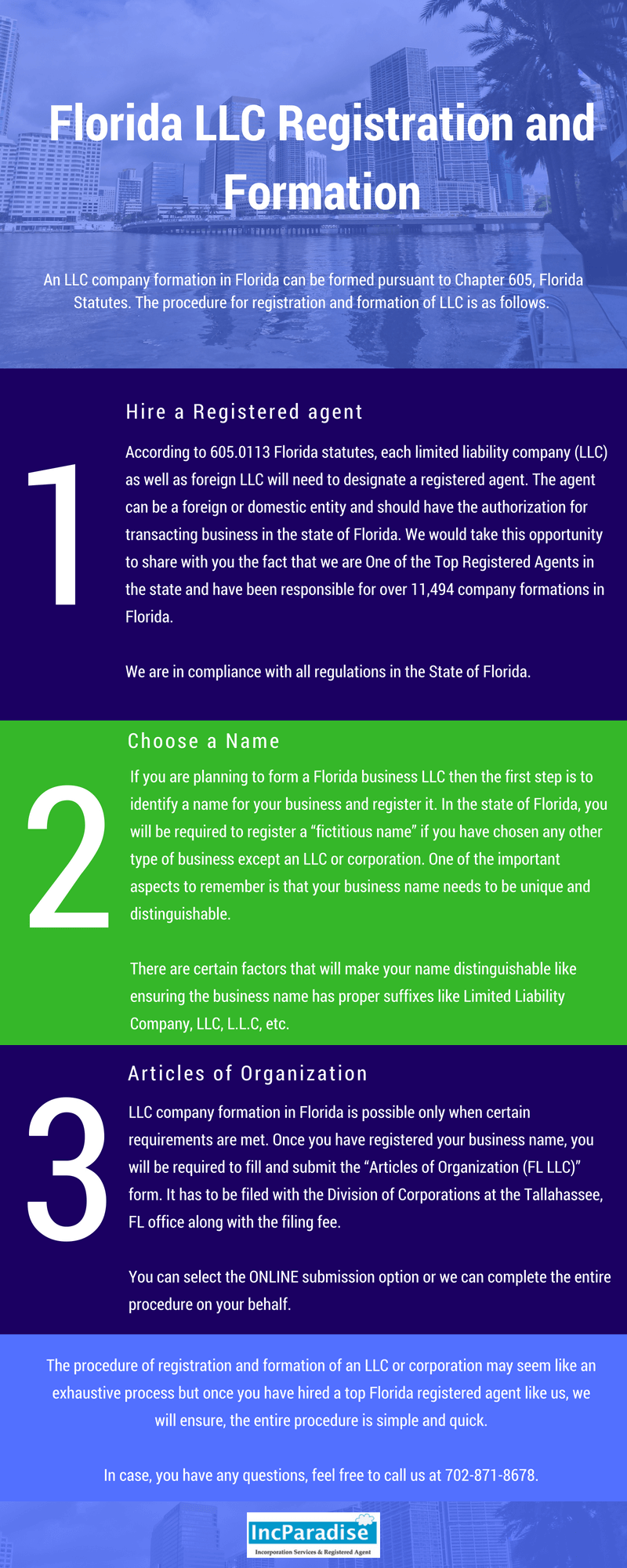
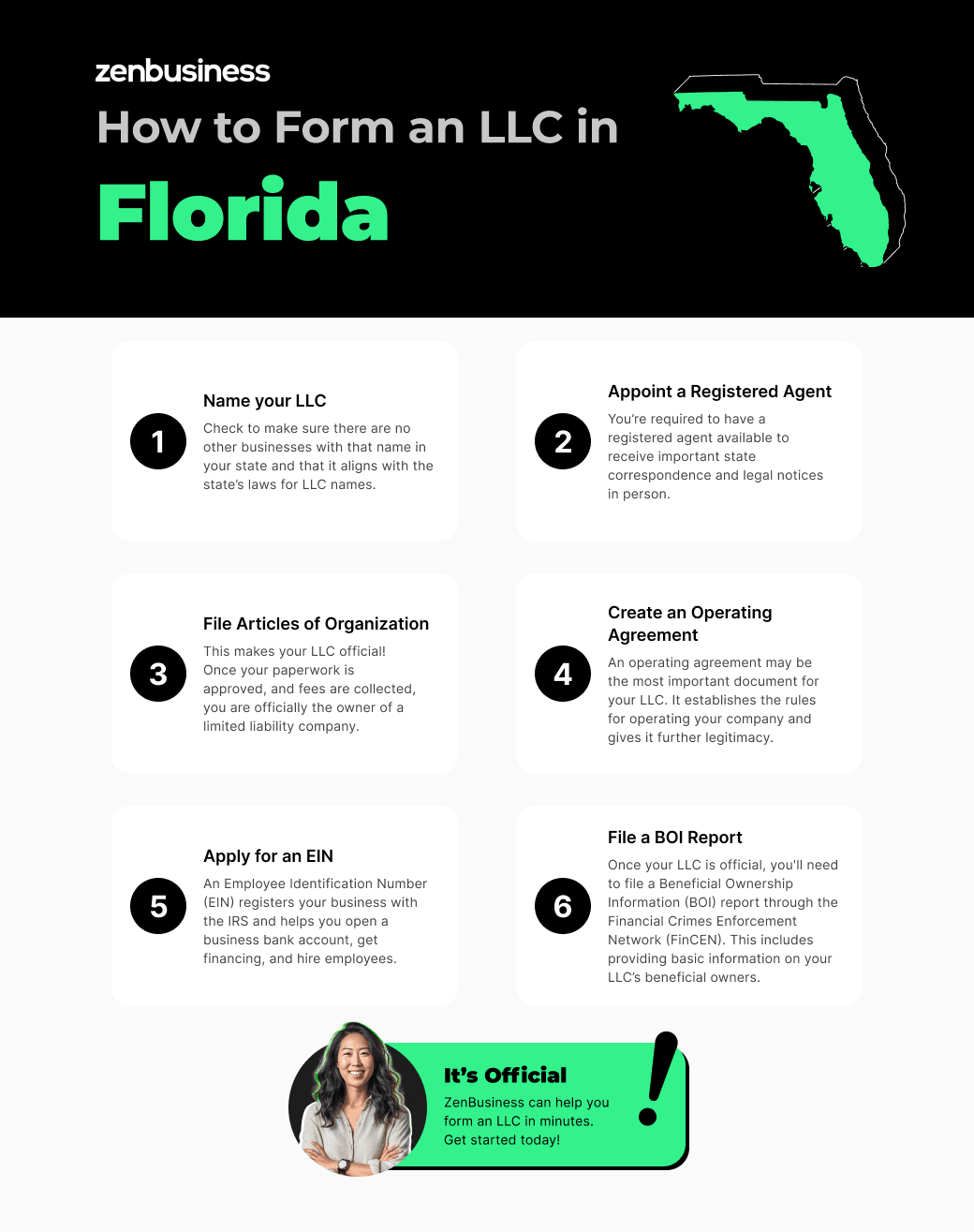
Once you’ve chosen your business structure, the next step involves formally registering your company with the state of Florida. This process ensures your business operates legally and can enter into contracts, open bank accounts, and conduct other official business activities.
Registering Your Business Name
Your business name is its identity. In Florida, you’ll need to ensure your chosen name is unique and available.
Fictitious Name Registration (DBA)
If you plan to operate your business under a name different from your legal name (for sole proprietorships or partnerships) or the registered corporate/LLC name, you must file a “Doing Business As” (DBA) or fictitious name registration with the Florida Department of State, Division of Corporations. For example, if a sole proprietor named Jane Doe opens a charming bed and breakfast called “The Sunshine Haven,” she would need to register “The Sunshine Haven” as a fictitious name.
Name Reservation
For LLCs and corporations, the name is typically registered when you file your formation documents. You can reserve a business name for a period of time before officially forming your entity, giving you exclusive rights to use it while you finalize your setup.
Obtaining an Employer Identification Number (EIN)
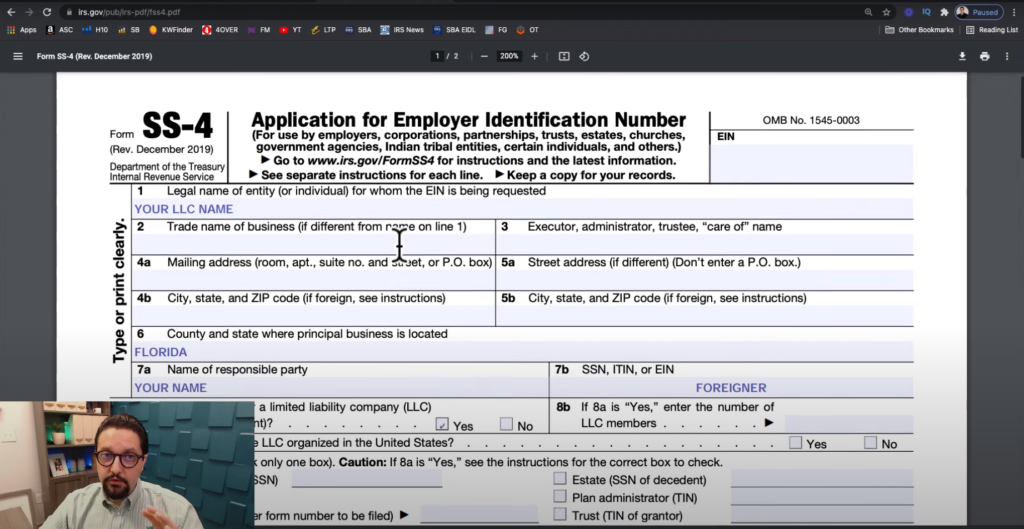
An Employer Identification Number (EIN), also known as a Federal Tax Identification Number, is like a Social Security number for your business. You’ll need to obtain an EIN from the Internal Revenue Service (IRS) if you plan to hire employees, operate as a corporation or partnership, or file certain tax returns. Even if not strictly required for some sole proprietorships, it’s often beneficial for opening business bank accounts and establishing business credit.
Filing Formation Documents
The specific documents required depend on your chosen legal structure:
For LLCs
You will file Articles of Organization with the Florida Department of State, Division of Corporations. This document includes information such as your LLC’s name, address, the name and address of your registered agent, and the management structure.
For Corporations
You will file Articles of Incorporation with the Florida Department of State, Division of Corporations. This document outlines the corporation’s name, purpose, the number of shares it’s authorized to issue, and the names and addresses of its incorporators and registered agent.
Appointing a Registered Agent
Every business registered in Florida must have a registered agent. This is a person or entity designated to receive official legal and government correspondence on behalf of your business. The registered agent must have a physical street address in Florida and be available during normal business hours. This is a crucial role for ensuring you don’t miss important legal notices, especially if your business is focused on services like tour operations in Orlando or event planning.
Essential Licenses, Permits, and Compliance
Operating a business in Florida, particularly one involved in tourism, hospitality, or food services, requires adherence to various state and local regulations. Understanding and obtaining the necessary licenses and permits is vital for compliance and avoiding penalties.
State Licenses and Permits
Many industries have specific licensing requirements. For businesses in the tourism and hospitality sector, this can include:
- Business Tax Receipts (formerly Occupational Licenses): Required by most cities and counties in Florida for any business operating within their jurisdiction. These are renewed annually.
- Alcoholic Beverage Licenses: If your company will serve or sell alcohol, such as in a hotel bar or restaurant, you’ll need specific licenses from the Florida Department of Business and Professional Regulation (DBPR).
- Food Service Licenses: Restaurants, cafes, and any establishment preparing and serving food require permits and inspections from the Florida Department of Health or the DBPR, depending on the type of establishment.
- Travel Agency Licenses: While not always mandatory, certain types of travel-related services may require specific registrations or licenses.
- Hotel and Motel Licenses: The DBPR also licenses public lodging establishments.
Local Licenses and Permits
Beyond state requirements, individual cities and counties often have their own licensing and zoning regulations. It’s imperative to research the specific requirements for the location where your business will be physically located or where you will conduct significant operations. For example, opening a souvenir shop near a popular landmark like Everglades National Park will likely involve specific local permits.
Sales Tax Permit
If your business sells goods or taxable services in Florida, you will need to register with the Florida Department of Revenue to obtain a sales tax permit. This allows you to collect sales tax from customers and remit it to the state. This is particularly relevant for retail operations, attractions, and many accommodation providers.
Understanding Employment Laws
If you plan to hire employees, you must comply with federal and state labor laws. This includes understanding minimum wage requirements, worker’s compensation, unemployment insurance, and proper payroll practices.
Ongoing Compliance and Growth in the Florida Landscape
Successfully launching your company in Florida is just the beginning. Ongoing compliance and strategic growth are key to long-term success. The state’s dynamic economy, especially its robust tourism sector, offers numerous opportunities for businesses that can adapt and innovate.
Maintaining Business Records and Filings
Regularly maintaining accurate financial records and fulfilling annual reporting requirements are essential. For LLCs and corporations, this often includes filing an annual report with the Florida Department of State to keep your entity in good standing. Failure to do so can lead to administrative dissolution of your company.
Navigating Florida’s Business-Friendly Environment
Florida is often recognized for its business-friendly policies. The absence of a state income tax for individuals is a significant draw. Furthermore, the state actively promotes economic development through various agencies and incentives, aiming to attract and retain businesses across diverse sectors. This environment can be particularly beneficial for startups in the travel tech or sustainable tourism spaces.
Leveraging Florida’s Tourism and Lifestyle Appeal
When thinking about opening a company in Florida, it’s impossible to ignore the state’s immense appeal to tourists and residents alike. Whether your business directly serves the tourism industry (e.g., a new resort near Disney World, a guided eco-tour company in the Florida Everglades, or a unique dining experience in Tampa) or benefits indirectly from the influx of visitors and a thriving lifestyle culture, understanding this aspect is crucial for your business plan and marketing strategy. A business that can offer exceptional experiences, like a luxury villa rental service on the coast or a boutique hotel focused on local arts and culture, can thrive by tapping into the very essence of what makes Florida a desirable destination. For instance, a company focusing on providing curated local experiences, connecting visitors with authentic Florida culture, could flourish.
In conclusion, opening a company in Florida involves a series of structured steps, from meticulous planning and legal structuring to diligent registration and ongoing compliance. By understanding and executing these processes effectively, entrepreneurs can confidently establish their businesses in the Sunshine State and position themselves to benefit from its vibrant economy and unparalleled lifestyle offerings. Whether you’re dreaming of a luxury resort, a cutting-edge tech startup, or a charming local eatery, Florida provides a fertile ground for your entrepreneurial journey.
LifeOutOfTheBox is a participant in the Amazon Services LLC Associates Program, an affiliate advertising program designed to provide a means for sites to earn advertising fees by advertising and linking to Amazon.com. Amazon, the Amazon logo, AmazonSupply, and the AmazonSupply logo are trademarks of Amazon.com, Inc. or its affiliates. As an Amazon Associate we earn affiliate commissions from qualifying purchases.