
California, a state synonymous with innovation, opportunity, and a dynamic business landscape, attracts entrepreneurs from across the globe. For those looking to establish a significant presence and foster growth, forming a corporation is a strategic move. While the allure of the Golden State is undeniable, navigating the legal intricacies of incorporation requires a structured approach. This guide will walk you through the essential steps to successfully open a corporation in California, ensuring a solid foundation for your business ventures.
Understanding the Corporate Structure in California
Before diving into the procedural aspects, it’s crucial to grasp what a corporation is and its inherent advantages. A corporation is a distinct legal entity, separate from its owners (shareholders). This separation offers significant benefits, primarily limited liability, meaning the personal assets of the shareholders are protected from business debts and lawsuits. This is a stark contrast to sole proprietorships or partnerships, where personal assets are at risk.

Types of Corporations in California
California recognizes several types of corporate structures, each with its own tax implications and operational considerations:
- S Corporation: This is a tax designation, not a legal entity type. An S-corp allows profits and losses to be passed through directly to the owners’ personal income without being subject to corporate tax rates. This can be advantageous for avoiding double taxation.
- C Corporation: This is the standard corporate structure. C-corps are taxed as separate entities, meaning the corporation pays taxes on its profits, and then shareholders pay taxes again on dividends received. This structure is often preferred by companies seeking to attract venture capital or those with significant reinvestment plans.
- Benefit Corporation (B Corp): California was one of the first states to offer this structure. A benefit corporation is a for-profit entity that is legally committed to pursuing social and environmental goals alongside profit. This appeals to businesses with a strong mission statement and a desire to operate ethically and sustainably.
Key Advantages of Incorporating
- Limited Liability: As mentioned, this is the cornerstone benefit, shielding personal assets.
- Ease of Raising Capital: Corporations can issue stock to attract investors, making it easier to fund expansion and operations.
- Perpetual Existence: A corporation continues to exist even if ownership changes or a founder departs.
- Transferability of Ownership: Ownership interests (shares) can be easily bought and sold.
- Credibility: Operating as a corporation can lend an air of professionalism and legitimacy to your business.
The Foundational Steps of Incorporation
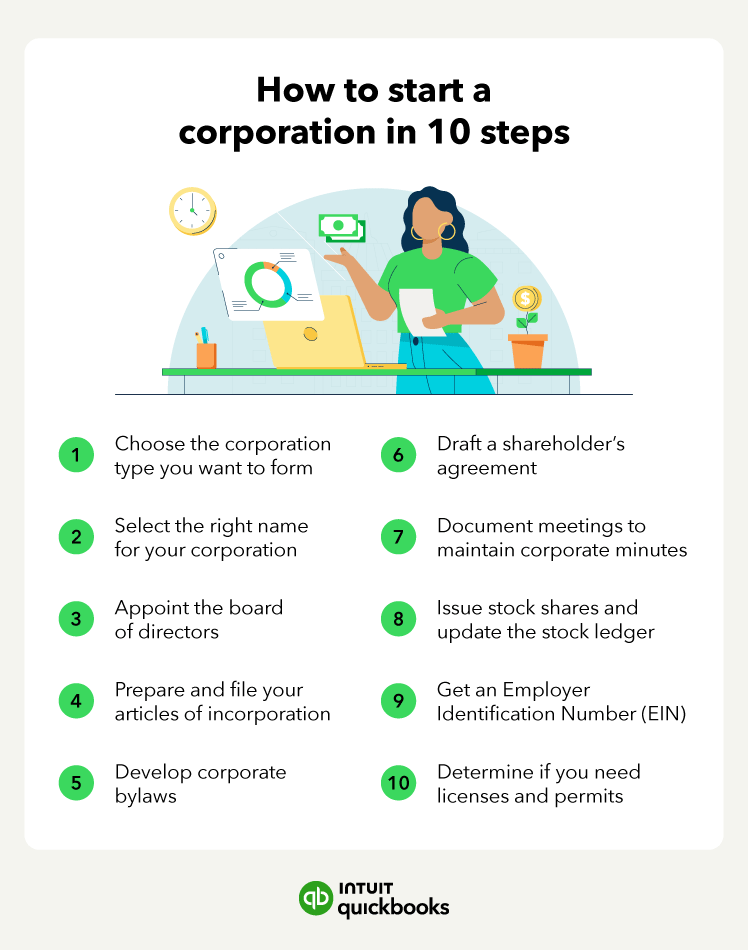
Embarking on the incorporation journey requires meticulous attention to detail and adherence to state regulations. These initial steps lay the groundwork for a legally compliant and robust corporate structure.
1. Choose a Unique Corporate Name
Your corporation’s name is its identity. It must be distinguishable from the names of other corporations already registered with the California Secretary of State. Before you get too attached to a name, it’s wise to conduct a thorough search.
Performing a Name Availability Search
- California Secretary of State Website: The most reliable method is to use the online business search tool provided by the California Secretary of State. This allows you to check if your desired name is already in use or too similar to an existing one.
- Consider Name Reservations: If you’ve found an available name but aren’t quite ready to file, you can reserve it for a period by submitting a Name Reservation Request form and paying the associated fee.
Naming Requirements
- Required Designations: Your corporate name must include a corporate designator such as “Corporation,” “Corp.,” “Incorporated,” or “Inc.”
- Prohibited Words: Certain words are restricted or prohibited, such as “Bank,” “Trust,” or “Insurance,” unless you meet specific licensing requirements.
- Misleading Names: The name should not be misleading or imply that your corporation is organized for a purpose not permitted by law.
2. Appoint a Registered Agent
A registered agent is an individual or a business entity designated to receive official legal and tax documents on behalf of your corporation. This is a mandatory requirement in California. The agent must have a physical street address in California (not a P.O. Box) and be available during normal business hours to accept service of process.
Responsibilities of a Registered Agent
- Receiving Legal Documents: This includes summons, subpoenas, and other court-related notices.
- Receiving Tax Notices: Official correspondence from state tax agencies will be sent to the registered agent.
- Maintaining a Physical Address: The agent serves as the official point of contact for legal and governmental communications.
Who Can Be a Registered Agent?
- An individual adult residing in California.
- A corporation or LLC authorized to do business in California.
- A business entity formed and existing under the laws of California.
Many entrepreneurs opt to use a commercial registered agent service, which provides a professional and reliable solution for this crucial role.
3. File Articles of Incorporation
This is the official document that formally creates your corporation in California. It’s filed with the California Secretary of State. The Articles of Incorporation typically include:
- Corporate Name: The chosen and approved name of your corporation.
- Corporate Purpose: A general statement of the business activities your corporation will undertake. While often broad, it should accurately reflect your intended operations.
- Name and Address of the Registered Agent: As discussed above.
- Number of Shares: The total number of shares your corporation is authorized to issue, and potentially the par value of those shares.
- Initial Directors (Optional but Recommended): You can name the initial directors who will manage the corporation until the first shareholder meeting.
Filing Methods
- Online Filing: The California Secretary of State offers online filing, which is generally the quickest and most efficient method.
- Mail or In-Person Filing: You can also download the form and submit it via mail or in person.
There is a filing fee associated with submitting the Articles of Incorporation.
Essential Post-Incorporation Actions
Once your Articles of Incorporation are filed and your corporation is legally formed, there are several critical steps to ensure its continued compliance and operational readiness.
1. Hold Your First Organizational Meeting
This is a crucial internal step for establishing the governance of your corporation. At this meeting, the initial directors (or incorporators if no directors were named in the articles) will:

- Adopt Corporate Bylaws: These are the internal rules and regulations that govern how your corporation will operate. Bylaws cover matters such as the election of directors, the holding of shareholder and director meetings, officer duties, and stock issuance procedures.
- Elect Directors: If not already named, directors are elected by the shareholders.
- Appoint Officers: The board of directors will appoint officers (e.g., President, Secretary, Treasurer) who will manage the day-to-day operations.
- Authorize the Issuance of Stock: Shares are formally issued to the initial shareholders.
- Approve Corporate Seal (Optional): While less common now, some businesses still opt for a corporate seal.
Meeting Minutes
It is imperative to keep detailed minutes of this organizational meeting. These minutes, along with the bylaws and stock ledger, form the core of your corporation’s internal records.
2. Obtain an Employer Identification Number (EIN)
An Employer Identification Number (EIN), also known as a Federal Tax Identification Number, is like a Social Security number for your business. You’ll need it for tax purposes, opening business bank accounts, and hiring employees.
How to Apply for an EIN
- Online: The fastest way to obtain an EIN is to apply directly through the Internal Revenue Service (IRS) website. The process is free and usually results in an instant assignment of your EIN.
- Mail or Fax: You can also apply by mail or fax using Form SS-4.
3. Comply with California State Tax Requirements
California has its own set of tax obligations for corporations.
Franchise Tax
All corporations registered in California are subject to an annual minimum franchise tax, currently $800, regardless of whether they are actively conducting business or are profitable. This tax is paid to the California Franchise Tax Board (FTB).
Other State Taxes
Depending on your business activities, you may also be subject to:
- State Income Tax: C-corporations pay state income tax on their net income.
- Sales and Use Tax: If you sell tangible personal property, you’ll need to register for and collect sales tax.
- Employment Taxes: If you hire employees, you’ll be responsible for withholding and remitting state payroll taxes.
It is highly recommended to consult with a tax professional or an accountant familiar with California business taxes to ensure full compliance.
4. Maintain Corporate Records and Annual Filings
To maintain your corporation’s good standing and the protection of limited liability, ongoing compliance is essential.
Annual Statement of Information
California corporations must file a Statement of Information (Form SI-550 for stock corporations, SI-350 for non-profit) with the California Secretary of State every two years. This statement updates the state on your corporation’s directors, officers, and registered agent. Failure to file can result in penalties and even the suspension of your corporate status.
Regular Board and Shareholder Meetings
Conducting regular meetings and keeping accurate minutes reinforces the corporate separateness and demonstrates adherence to governance procedures.
Books and Records
Maintain thorough financial records, including ledgers, invoices, and bank statements. This is vital for tax purposes and for providing transparency to shareholders and potential investors.
Considerations for Business Operations in California
Beyond the legal framework, several practical considerations are vital for a thriving corporation in California.
1. Business Bank Account
It is imperative to keep corporate finances separate from personal finances. Open a dedicated business bank account using your EIN and Articles of Incorporation. This reinforces the corporate veil and simplifies accounting and tax preparation.
2. Business Licenses and Permits
Depending on your industry and location within California (e.g., Los Angeles, San Francisco, San Diego), your corporation may need specific federal, state, and local licenses and permits to operate legally. Research the requirements applicable to your specific business activities.
3. Insurance
Protecting your corporation from unforeseen events is crucial. Consider various types of business insurance, including:
- General Liability Insurance: Covers third-party bodily injury and property damage.
- Professional Liability Insurance (Errors & Omissions): Essential for service-based businesses.
- Workers’ Compensation Insurance: Required if you have employees.
- Cyber Liability Insurance: Increasingly important for businesses handling sensitive data.
4. Intellectual Property Protection
If your corporation is involved in developing unique products, services, or branding, consider protecting your intellectual property through trademarks, copyrights, and patents. This can safeguard your competitive advantage and brand value.
Forming a corporation in California is a significant undertaking, but with careful planning and execution, it provides a robust framework for business success. By understanding the legal requirements, adhering to post-incorporation formalities, and staying compliant with state regulations, you can establish a strong foundation for growth and prosperity in the dynamic California market. Remember, consulting with legal and financial professionals throughout this process is highly advisable.
LifeOutOfTheBox is a participant in the Amazon Services LLC Associates Program, an affiliate advertising program designed to provide a means for sites to earn advertising fees by advertising and linking to Amazon.com. Amazon, the Amazon logo, AmazonSupply, and the AmazonSupply logo are trademarks of Amazon.com, Inc. or its affiliates. As an Amazon Associate we earn affiliate commissions from qualifying purchases.