
Opening a medical spa is an exciting venture that blends the allure of wellness and aesthetics with the precision of medical expertise. This burgeoning industry offers a unique opportunity to provide clients with advanced treatments that enhance their well-being and appearance, all within a relaxing and luxurious environment. Success in this field requires a strategic approach, meticulous planning, and a deep understanding of both the medical and business aspects involved. This guide will walk you through the essential steps to launch your own thriving medical spa, focusing on the lifestyle elements that draw clients and the operational considerations that ensure smooth sailing.
Laying the Foundation: Vision, Niche, and Business Plan
Before even considering a location or hiring staff, it’s crucial to establish a clear vision for your medical spa. What kind of experience do you want to offer? Who is your ideal client? Defining your niche will guide all subsequent decisions, from the services you offer to the ambiance you create.
Defining Your Medical Spa’s Identity
Your medical spa’s identity is more than just a logo; it’s the overall feeling and promise you extend to your clientele. Consider specializing in a particular area of aesthetic medicine, such as anti-aging treatments, body contouring, or laser therapies. Alternatively, you might aim for a holistic approach, integrating traditional spa services with advanced medical procedures.
- Target Clientele: Are you aiming for busy professionals seeking quick rejuvenation, individuals focused on long-term anti-aging, or a broader demographic interested in general wellness and aesthetic enhancement? Understanding your target audience will inform your service menu, pricing, marketing, and overall spa design.
- Unique Selling Proposition (USP): What will make your medical spa stand out from the competition? This could be a unique treatment protocol, a highly specialized team of practitioners, an unparalleled client experience, or a commitment to cutting-edge technology. For instance, a spa focusing on New York City‘s discerning clientele might emphasize personalized, discreet treatments, while a spa in a more resort-oriented area like Scottsdale, Arizona, might lean into sun-damage repair and detoxification.
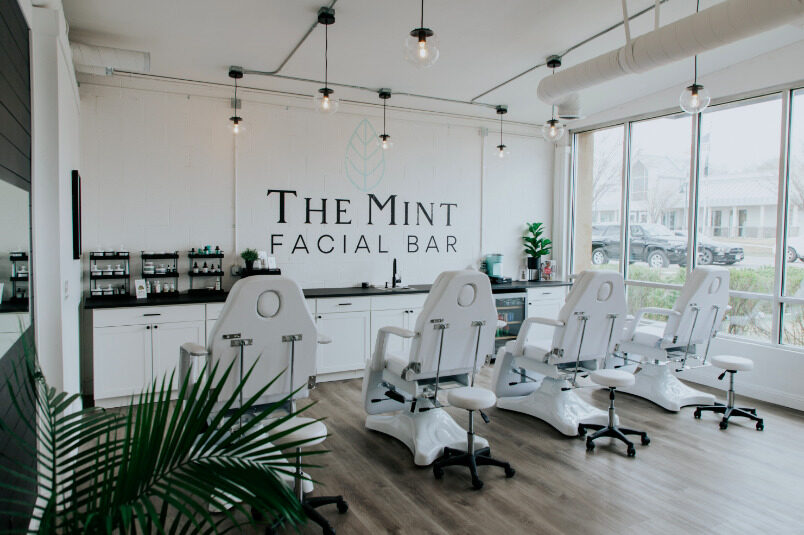
- Brand Aesthetics: The look and feel of your medical spa are paramount. This includes everything from the color palette and interior design to the music and scent. A luxurious, tranquil atmosphere can elevate the client experience, transforming a medical procedure into a pampering escape. Think calming natural elements, sophisticated furnishings, and soft lighting to create a sanctuary.
Crafting a Robust Business Plan
A comprehensive business plan is the bedrock of any successful enterprise, and a medical spa is no exception. This document will serve as your roadmap, outlining your goals, strategies, and financial projections.
- Executive Summary: A concise overview of your business concept, mission, and key objectives.
- Company Description: Detail your medical spa’s legal structure, ownership, and what makes it unique.
- Market Analysis: Research your target market, identify competitors, and analyze industry trends. Understanding the local landscape, perhaps in a vibrant city like Miami, Florida, or a more suburban setting, will be critical.
- Services and Products: Clearly define the medical and aesthetic treatments you will offer, along with any retail products. Consider popular treatments like Botox injections, dermal fillers, chemical peels, laser hair removal, and micro-needling.
- Marketing and Sales Strategy: How will you attract and retain clients? This section should cover branding, advertising, social media engagement, and client loyalty programs.
- Management Team: Outline the expertise and experience of your key personnel, particularly the medical director and lead practitioners.
- Financial Projections: This is a critical component and should include startup costs, operating expenses, revenue forecasts, and break-even analysis. Realistic financial planning is essential for securing funding and ensuring profitability.
- Funding Request (if applicable): If you are seeking external investment, clearly state the amount needed and how it will be used.
Navigating the Regulatory and Medical Landscape
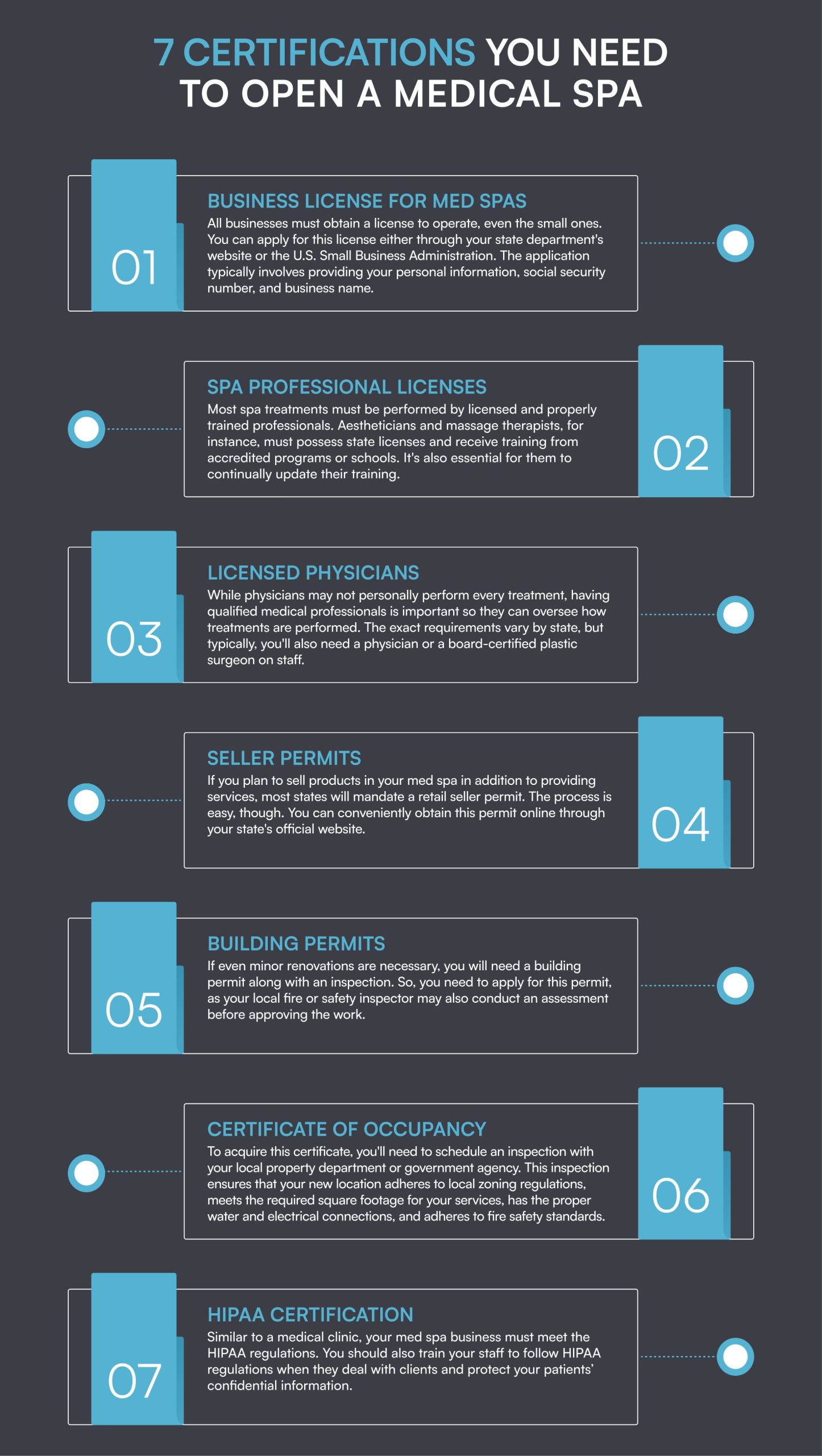
The “medical” aspect of a medical spa necessitates strict adherence to healthcare regulations and the establishment of a robust medical framework. This is where the distinction between a traditional spa and a medical spa becomes most apparent.
Securing the Right Medical Expertise and Oversight
- Medical Director: A licensed physician (MD or DO) must serve as the medical director. This individual is responsible for overseeing all medical services, establishing protocols, ensuring compliance with medical standards, and supervising any nurses or physician assistants performing procedures. Their expertise lends credibility and ensures patient safety.
- Scope of Practice: Clearly define the scope of practice for all licensed professionals, including nurses, physician assistants, aestheticians, and other technicians. This ensures that procedures are performed by qualified individuals within their legal and ethical boundaries.
- Licensure and Certifications: Ensure all practitioners hold current and appropriate medical licenses and certifications. This may include certifications in specific procedures like laser treatments or injectables.
- Patient Safety and Protocols: Develop comprehensive patient safety protocols, including emergency procedures, contraindication screening, infection control, and proper record-keeping. This is non-negotiable in a medical setting.
Understanding Legal and Compliance Requirements
The medical spa industry is subject to various federal, state, and local regulations. Ignorance of these can lead to severe penalties.
- State Medical Board Regulations: Each state has its own specific regulations governing medical spas, including requirements for physician supervision, facility licensing, and the types of procedures that can be offered. Research your specific state’s laws thoroughly. For instance, regulations in California might differ significantly from those in Texas.
- HIPAA Compliance: As a healthcare provider, you must comply with the Health Insurance Portability and Accountability Act (HIPAA) to protect patient privacy and sensitive health information. This involves implementing secure data management systems and training staff on privacy protocols.
- OSHA Standards: Occupational Safety and Health Administration (OSHA) standards must be followed to ensure a safe working environment for your staff.
- Informed Consent: A robust informed consent process is critical for all medical procedures. Clients must fully understand the risks, benefits, and alternatives before undergoing any treatment.
- Malpractice Insurance: Secure comprehensive malpractice insurance to protect your business and practitioners from potential liability claims.
Designing the Client Experience: Ambiance and Service Excellence
While the medical expertise is paramount, the client experience is what will differentiate your medical spa and foster loyalty. This encompasses the physical environment, the quality of service, and the overall feeling of pampering and care.
Creating a Welcoming and Luxurious Environment
The physical space of your medical spa should reflect your brand and the high-quality services you offer.
- Interior Design: Invest in a professional interior designer who understands the balance between a medical facility and a relaxing spa. Incorporate calming colors, comfortable seating, soft lighting, and aesthetically pleasing décor. Natural elements like plants and water features can enhance tranquility.
- Treatment Rooms: Ensure treatment rooms are private, impeccably clean, and equipped with the latest technology and comfortable treatment beds.
- Reception and Waiting Area: This is the client’s first impression. It should be welcoming, organized, and comfortable, offering amenities like refreshments and reading materials. A well-designed waiting area can set a positive tone for the entire visit.
- Cleanliness and Hygiene: Maintain the highest standards of cleanliness and hygiene throughout the spa. This is crucial for both client comfort and medical safety. Visible sanitation practices can reassure clients.
Delivering Exceptional Customer Service
Beyond the physical space, the human element of service is critical.
- Client Consultation: Comprehensive consultations are key. This is where you understand client goals, assess their suitability for treatments, and educate them on options. This should be a thorough, personalized process.
- Skilled and Compassionate Staff: Your staff are the face of your business. Hire professionals who are not only highly skilled in their respective fields but also possess excellent interpersonal skills, empathy, and a commitment to client satisfaction.
- Personalized Treatment Plans: Develop individualized treatment plans tailored to each client’s unique needs and goals. This demonstrates a commitment to their specific journey.
- Follow-Up and Communication: Maintain open communication with clients post-treatment. Follow-up calls or messages to check on their recovery and satisfaction can significantly enhance the client experience and build lasting relationships.
- Amenities and Extras: Consider offering small touches that enhance the client experience, such as complimentary beverages, calming music, or post-treatment relaxation areas.
Marketing and Growth: Attracting and Retaining Your Clientele
Once your medical spa is established and operational, a strategic marketing approach is essential for attracting new clients and ensuring long-term growth.
Building Brand Awareness and Visibility
- Professional Website: Develop a professional, user-friendly website that showcases your services, staff bios, pricing, and testimonials. Ensure it is optimized for search engines (SEO) to attract local clients.
- Social Media Presence: Engage with your target audience on platforms like Instagram, Facebook, and even TikTok. Share before-and-after photos (with client consent), educational content, behind-the-scenes glimpses, and promotions. High-quality visuals are essential.
- Local SEO and Online Directories: Ensure your medical spa is listed on relevant online directories and Google Maps. Encourage satisfied clients to leave online reviews.
- Public Relations and Local Partnerships: Collaborate with local businesses, fitness centers, or lifestyle bloggers to expand your reach. Consider hosting informational events or workshops.
- Content Marketing: Create valuable content, such as blog posts or videos, addressing common client concerns and showcasing your expertise in areas like skin health, anti-aging, or wellness.
Implementing Effective Client Retention Strategies
Acquiring new clients is important, but retaining existing ones is crucial for sustainable success.
- Loyalty Programs: Implement a loyalty program that rewards repeat clients with discounts, exclusive offers, or early access to new treatments.
- Email Marketing: Build an email list and send regular newsletters with updates, promotions, and valuable health and beauty tips.
- Referral Programs: Encourage existing clients to refer friends and family by offering incentives for both the referrer and the new client.
- Client Appreciation Events: Host exclusive events for your most loyal clients to foster a sense of community and gratitude.
- Continuously Evaluate and Evolve: Regularly assess your services, client feedback, and market trends. Be prepared to adapt your offerings and strategies to remain competitive and meet evolving client demands. The medical spa industry is dynamic, and staying at the forefront of innovation and client satisfaction is key to long-term prosperity.