
California, a land synonymous with innovation, breathtaking landscapes, and an unparalleled lifestyle, beckons entrepreneurs and dreamers from across the globe. From the sun-kissed beaches of Malibu to the bustling tech hubs of Silicon Valley, and from the majestic redwoods of the north to the iconic attractions of Southern California, the Golden State offers a fertile ground for new ventures. Whether you’re envisioning a boutique hotel in Napa Valley, a unique travel experience company guiding tours through Yosemite National Park, a portfolio of luxury vacation rentals in Palm Springs, or a vibrant culinary tour business in San Francisco, establishing a Limited Liability Company (LLC) in California is a strategic first step.
An LLC offers a robust framework, combining the personal liability protection of a corporation with the operational simplicity and tax advantages often associated with a partnership or sole proprietorship. For those looking to invest in California’s thriving hospitality sector, manage properties near world-renowned landmarks like the Golden Gate Bridge, or launch a lifestyle brand, understanding the process of opening an LLC is not just a legal formality; it’s a foundational move toward securing your investment and enhancing your entrepreneurial journey. This comprehensive guide will walk you through the essential steps, ensuring your venture in the Golden State is built on a solid foundation, allowing you to focus on crafting unforgettable experiences for travelers and making the most of California’s boundless opportunities.
Why Choose an LLC for Your California Travel & Hospitality Ventures?
Establishing an LLC in California is more than just paperwork; it’s a strategic decision that offers substantial benefits, especially for those venturing into the travel, hospitality, and property management sectors. The allure of California as a premier destination for tourism and investment makes the choice of a proper business structure paramount. An LLC provides a powerful blend of protection, flexibility, and credibility, essential for navigating the state’s dynamic business environment.
Protecting Your Lifestyle & Investments: Limited Liability
One of the most compelling reasons to form an LLC is the inherent personal asset protection it provides. In the event your business faces lawsuits, debts, or other liabilities, your personal assets—such as your home, car, and personal savings—are generally shielded from business creditors. This “corporate veil” is invaluable for anyone operating in sectors where unforeseen circumstances can arise. Imagine owning a vacation rental property near Disneyland in Anaheim or a boutique hotel in Santa Monica; an unfortunate incident involving a guest could lead to a significant claim. Without an LLC, your personal wealth could be at stake. With it, your exposure is limited to the assets held within the LLC. This security allows you to pursue your entrepreneurial dreams in California’s vibrant economy with greater peace of mind, knowing your personal lifestyle is protected. Whether you’re a digital nomad investing in properties or a seasoned hotelier expanding your portfolio, this limited liability is a cornerstone of smart business practice.
Navigating California’s Dynamic Business Landscape: Credibility & Flexibility
California’s economy is robust and highly competitive, making credibility a key asset. Operating as an LLC lends professionalism to your venture, making it appear more established and trustworthy to potential partners, investors, and even guests. For instance, if you’re seeking financing to purchase a resort in Lake Tahoe or to renovate a historic inn in Carmel-by-the-Sea, lenders and investors often prefer to deal with legally recognized entities like LLCs. This structure signals a serious commitment to your business and adherence to legal standards.
Furthermore, LLCs offer remarkable operational flexibility. Unlike corporations, which often have rigid management structures and extensive compliance requirements, LLCs can be managed by their members (member-managed) or by appointed managers (manager-managed). This adaptability is particularly useful for diverse ventures, from a single-owner travel blog monetizing experiences across California to a multi-member enterprise running multiple short-term rental properties on platforms like Airbnb. The tax flexibility is another significant advantage. LLCs are typically taxed as pass-through entities, meaning profits and losses are passed through to the owners’ personal income without being taxed at the business level, avoiding “double taxation” common with C-corporations. However, an LLC can also elect to be taxed as an S-corporation or C-corporation if it offers tax benefits suited to your specific financial strategy, especially given California’s unique tax landscape. This blend of protection, credibility, and adaptability makes the LLC an ideal choice for entrepreneurs aiming to thrive amidst California’s allure.
Essential Steps to Establish Your LLC in the Golden State
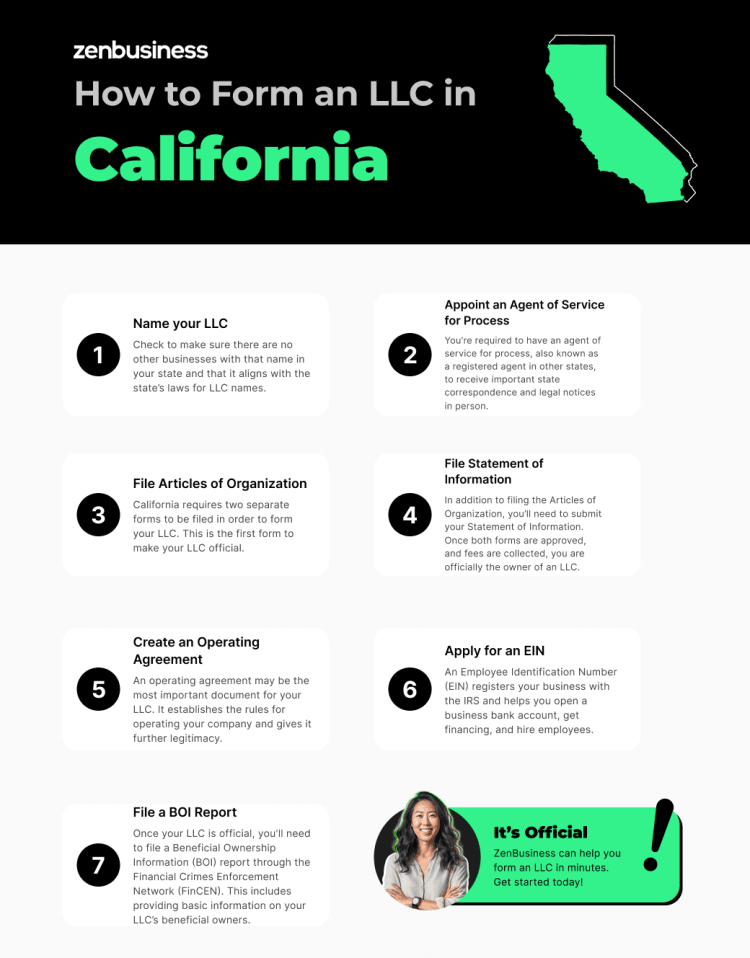
Opening an LLC in California involves a series of clear, actionable steps designed to ensure your business is legally compliant and well-positioned for success. While the process may seem daunting at first, breaking it down into manageable stages makes it straightforward, allowing you to proceed confidently towards launching your travel, hospitality, or lifestyle venture.
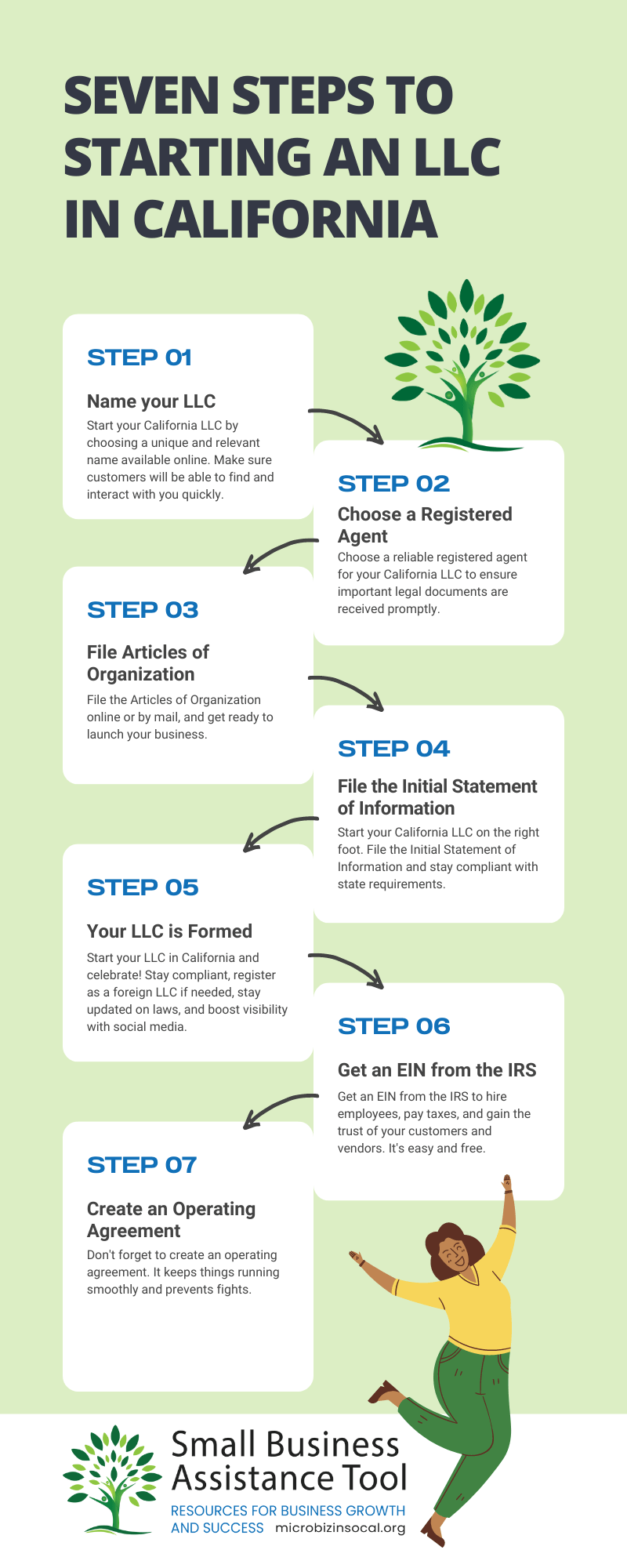
Step 1: Naming Your Venture & Securing Your Digital Presence
The first crucial step is choosing a distinctive name for your LLC. This name will represent your brand, whether it’s a luxury hotel in Beverly Hills, an adventure tour operator in Big Sur, or a bespoke travel planning service for trips to Hollywood. California law requires that your LLC name must include “Limited Liability Company” or “LLC” (or “L.L.C.”) at the end. More importantly, the name must be distinguishable from other existing business entities registered with the California Secretary of State. You can perform a preliminary name availability search on their website. It’s also wise to check if your desired name, or a similar variation, is available as a domain name and across social media platforms. Securing your digital presence early is paramount in today’s travel and lifestyle industry, ensuring consistency for your future website, booking platforms, and marketing efforts.

Step 2: Appointing Your Registered Agent: A Critical Connection
Every LLC in California is legally required to have a Registered Agent. This individual or entity must have a physical street address in California (not a P.O. Box) and be available during normal business hours to accept legal documents and official correspondence on behalf of your LLC. For entrepreneurs who might be frequently traveling, managing properties from afar, or operating a digital nomad business, a professional Registered Agent service is an invaluable resource. It ensures that crucial legal notices, tax forms, and service of process are always received promptly, no matter where your adventures in California or beyond may take you. This service acts as a reliable point of contact, maintaining your compliance even when you’re exploring new destinations.
Step 3: Filing Your Articles of Organization with the California Secretary of State
This is the foundational legal document that officially creates your LLC. The Articles of Organization must be filed with the California Secretary of State. The document is relatively simple, requiring information such as your LLC’s name, the name and address of your Registered Agent, and a statement that the LLC will be managed by one or more managers or members. There is a filing fee associated with this step. Once accepted and filed, your LLC officially exists as a legal entity in California. This crucial step marks the birth of your new hospitality venture, your travel agency, or your property management firm.
Step 4: Crafting Your Operating Agreement: The Blueprint for Success
While not required to be filed with the California Secretary of State, an Operating Agreement is perhaps the most vital internal document for your LLC. It’s a legal contract among the LLC members that outlines the ownership structure, members’ rights and responsibilities, profit and loss distribution, management structure, and procedures for decision-making. It also details what happens if a member leaves or new members join. For multi-member LLCs, especially those formed to manage a portfolio of hotels or vacation rentals, a well-drafted Operating Agreement prevents future disputes and provides clarity. For a single-member LLC, it still serves as a crucial document to establish the business’s separate identity and reinforce limited liability protection. Think of it as the detailed guide for how your dream resort in San Diego or your specialized tour company will be run, ensuring everyone is on the same page.
Step 5: Obtaining Your EIN and Understanding Tax Obligations
Once your LLC is officially formed, you’ll need to obtain an Employer Identification Number (EIN) from the IRS. This nine-digit number is like a Social Security number for your business and is required if your LLC has employees, is taxed as a corporation, or has more than one member. It’s also essential for opening a business bank account, which is a critical step for maintaining the separate identity of your LLC’s finances from your personal ones.
Regarding taxes, California has specific requirements for LLCs. All LLCs registered in California are subject to an annual minimum franchise tax, regardless of income. Additionally, if your LLC’s net income exceeds a certain threshold, it will be subject to an annual LLC fee. Understanding these obligations from the outset is vital for financial planning, especially when budgeting for your travel-related investments or property management overheads in a high-cost state like California.
Step 6: Complying with Local Regulations & Business Licenses
Beyond state-level registration, your LLC may need to obtain specific licenses and permits at the city and county levels, depending on the nature and location of your business. For instance, operating short-term rentals in popular tourist destinations like Los Angeles, San Francisco, or Santa Barbara often requires special permits and adherence to local zoning laws. Similarly, a tour operator might need specific permits to operate in state parks or city attractions. A local business license is typically required by the city where your LLC has its primary physical office. Researching and securing these local requirements is paramount to avoid penalties and ensure the smooth operation of your hotel, travel agency, or unique experience provider. This due diligence ensures your venture is fully integrated into the local fabric of California’s diverse communities.
Sustaining Your California LLC: Beyond the Initial Setup
Successfully establishing your LLC in California is a significant accomplishment, but it’s just the beginning. To truly harness the benefits of your business structure and ensure long-term success in the Golden State’s vibrant travel and hospitality market, ongoing compliance and astute management are essential. Maintaining your LLC’s good standing allows you to continue exploring investment opportunities in California’s diverse regions, from the urban dynamism of Oakland to the serene beauty of the Redwood National Park.
Annual Reporting and Fees: Staying Compliant
California requires LLCs to file a Statement of Information (Form LLC-12) with the California Secretary of State every two years. This report updates the state with current information about your LLC, including its principal address, Registered Agent, and managing members or managers. Failing to file this report can lead to penalties and even administrative dissolution of your LLC, jeopardizing your liability protection.
As mentioned, California LLCs are also subject to an annual minimum franchise tax, which must be paid to the California Franchise Tax Board. Additionally, depending on your LLC’s net income, you might be subject to an annual LLC fee. These recurring financial obligations are critical to factor into your business plan, particularly for ventures with variable income streams like seasonal resorts or event-based tour companies. Staying diligent with these annual requirements ensures your luxury travel brand or budget accommodation service remains in good standing, safeguarding your investment in California’s lucrative market.
Maintaining Separate Identities: Business vs. Personal Finances
To fully leverage the limited liability protection offered by your LLC, it is absolutely crucial to maintain a strict separation between your personal and business finances. This means opening a dedicated business bank account and credit cards in the LLC’s name and using them exclusively for business transactions. Never co-mingle funds by paying personal expenses from your business account or vice versa. For those investing in vacation rentals or managing boutique hotels, this separation is paramount. If you fail to maintain this distinction, a court could potentially “pierce the corporate veil,” holding you personally liable for the LLC’s debts and obligations, thus negating the very protection the LLC was designed to provide. Consistent adherence to this principle fortifies your LLC’s legal standing and protects your personal assets, allowing you to invest in more California properties or expand your travel experiences with confidence.
Expanding Your Horizons: Growth Opportunities in California
An LLC in California provides a stable and flexible platform for growth. As your initial venture, perhaps a guesthouse in Mendocino or a surf school in Huntington Beach, flourishes, your LLC structure simplifies the process of expanding into new areas. You might acquire additional properties, launch new travel services, or even partner with other hospitality businesses. The established legal framework makes it easier to secure further financing, enter into joint ventures, or diversify your investment portfolio across California’s vast and varied landscape. Whether your ambition is to build a chain of eco-friendly resorts, develop innovative travel tech solutions, or simply enjoy a lifestyle supported by smart investments, your California LLC is a powerful enabler. It allows you to explore the endless possibilities that the Golden State offers to entrepreneurs in travel, tourism, and lifestyle, from the vineyards of Sonoma to the desert retreats of Joshua Tree.
In conclusion, opening an LLC in California is a strategic move for anyone looking to make their mark or secure their investments within the state’s appealing travel, hospitality, and lifestyle sectors. From protecting your personal assets to enhancing your business’s credibility and providing flexibility for growth, the benefits are clear. By meticulously following the steps outlined and maintaining ongoing compliance, your California LLC will serve as a robust foundation, empowering you to pursue your entrepreneurial dreams in one of the world’s most desired destinations. With your business structure firmly in place, you are free to focus on what truly matters: crafting memorable experiences, building thriving properties, and living the life you envision amidst the beauty and dynamism of the Golden State.
LifeOutOfTheBox is a participant in the Amazon Services LLC Associates Program, an affiliate advertising program designed to provide a means for sites to earn advertising fees by advertising and linking to Amazon.com. Amazon, the Amazon logo, AmazonSupply, and the AmazonSupply logo are trademarks of Amazon.com, Inc. or its affiliates. As an Amazon Associate we earn affiliate commissions from qualifying purchases.