
Navigating the often-uncooperative climate control systems in hotel rooms can be a source of significant discomfort for travelers. While most modern hotels utilize centralized management systems that limit guest control over individual thermostats, there are instances and methods that may allow for some degree of adjustment. This guide delves into the nuances of hotel thermostat systems, the reasons behind their limitations, and potential strategies for achieving a more comfortable room temperature, all within the context of hotel amenities.
Understanding Hotel Thermostat Systems
Hotel rooms are designed with a primary objective: to provide a consistent and comfortable experience for a large number of guests while also managing operational costs and energy efficiency. This often leads to sophisticated climate control systems that differ significantly from residential setups.

Centralized Climate Control
The most prevalent system in hotels, particularly larger chains and newer establishments, is centralized climate control. In this model, the thermostat in your room is largely a display unit, showing a set temperature or providing a limited range for adjustment. The actual commands for heating or cooling are sent from a central management system, often controlled by the hotel’s engineering or front desk staff. This system allows the hotel to:
- Optimize Energy Consumption: By preventing extreme temperature settings or unoccupied rooms from consuming excessive energy, hotels can significantly reduce their utility bills.
- Maintain Brand Standards: Ensuring a consistent room temperature across all properties is a hallmark of many hotel brands. This prevents guests from experiencing overly hot or cold rooms that could detract from their stay.
- Prevent Damage: Extreme temperature fluctuations can sometimes lead to condensation or damage to sensitive equipment within the room.
- Respond to Maintenance Issues: A centralized system allows staff to quickly identify and address malfunctioning units without needing to enter every room.
Types of Thermostats
Even within centralized systems, you’ll encounter various types of thermostat interfaces:
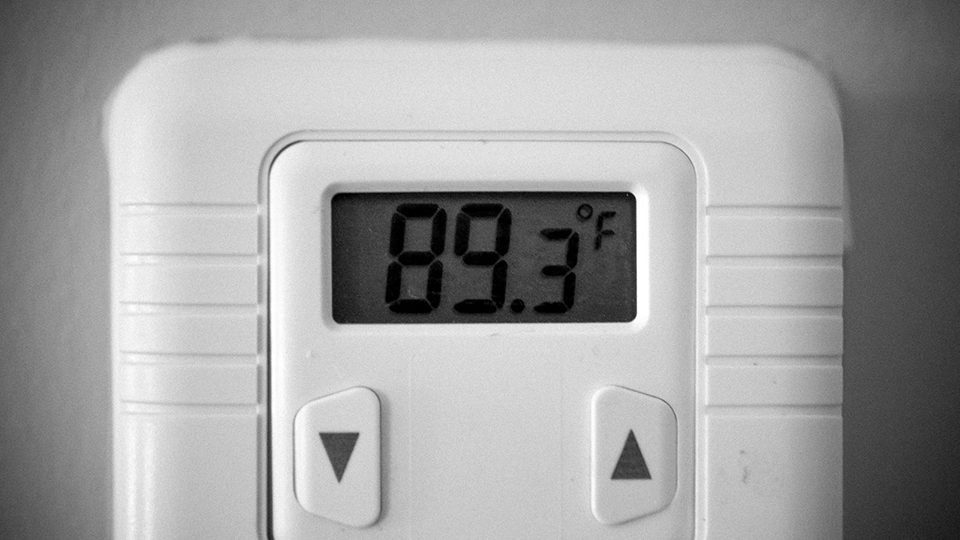
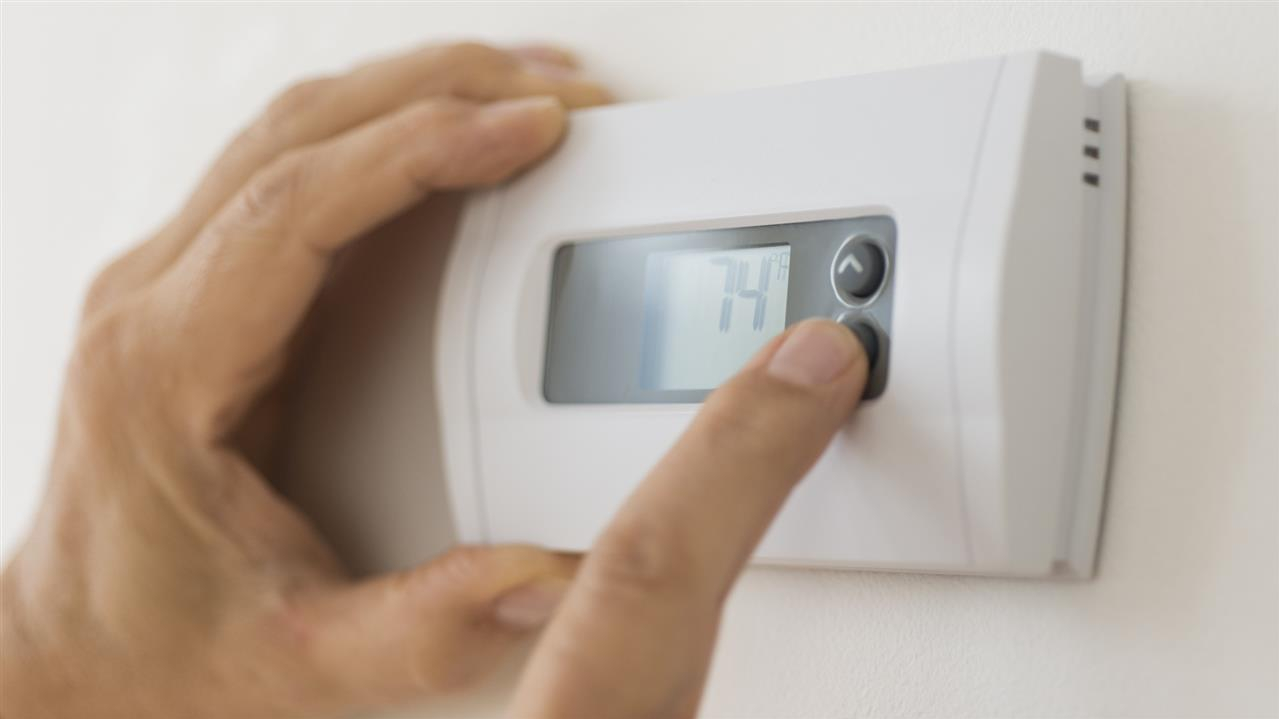
- Digital Thermostats with Limited Range: These are common, featuring an LCD screen and buttons or a dial that allow for minor adjustments within a pre-set range (e.g., ± 2 degrees Fahrenheit or Celsius). They often display the current room temperature and a target temperature.
- Touchscreen Interfaces: Increasingly found in upscale hotels, these offer a more modern user experience but are still typically linked to the central system.
- Simple Dial or Slider Thermostats: Older or more budget-oriented hotels might use simpler analog controls. These can sometimes offer a slightly wider range of manual adjustment but are still often subject to central overrides.
- Non-Adjustable Displays: Some rooms, especially in areas with consistent climates or in eco-friendly hotels, may have thermostats that only display the current temperature, with no adjustment capabilities for the guest.
The Rationale Behind Limited Guest Control
The decision to restrict guest control over hotel thermostats is not arbitrary. It’s a calculated measure driven by several practical and economic considerations. Understanding these motivations can help manage expectations when you find yourself a bit too warm or too cool.
Energy Efficiency and Sustainability
In an era of increasing environmental awareness and rising energy costs, hotels are under pressure to operate more sustainably. Uncontrolled thermostat usage by guests can lead to significant energy waste. For example, a guest who sets the thermostat to an extremely low temperature in a hot climate might be inadvertently causing the air conditioning system to work overtime, consuming far more energy than necessary. Similarly, setting the heat to maximum during a mild winter day in a location like Aspen or St. Moritz is inefficient. Centralized systems allow hotels to implement energy-saving protocols, such as:
- Setback Temperatures: Automatically adjusting temperatures in unoccupied rooms or during off-peak hours.
- Occupancy Sensors: Linking thermostats to door sensors so that the HVAC system reduces output when a room is empty.
- Enforced Temperature Ranges: Setting maximum and minimum temperature limits to prevent excessive energy draw.
Guest Comfort and Safety
While it might seem counterintuitive, limiting direct control can, in many cases, enhance overall guest comfort. A hotel strives to provide a predictable and pleasant environment. Without centralized control, one guest’s extreme setting could impact adjacent rooms through shared ductwork or insulation inefficiencies. Moreover, in extreme weather conditions, a poorly functioning or misused thermostat could potentially create unsafe conditions, such as overly dry air leading to respiratory issues or excessively cold temperatures causing discomfort. Hotel management aims to prevent these scenarios.
Operational and Maintenance Considerations
The operation of HVAC systems in large buildings like hotels is complex. A centralized system allows for:
- Proactive Maintenance: Engineers can monitor system performance and identify potential issues before they lead to complete failure, which is crucial for a property like the Bellagio Las Vegas or the Waldorf Astoria New York.
- Troubleshooting: If a guest reports an issue with their room temperature, hotel staff can remotely check the system’s status, often diagnosing the problem without an immediate in-room visit.
- Standardization: Ensuring that the HVAC system operates within its designed parameters helps prolong its lifespan and reduces the frequency of costly repairs.
Strategies for Adjusting Your Hotel Thermostat
Despite the limitations, there are several effective strategies you can employ to influence your room’s temperature and override or work around the thermostat’s restrictions. These methods focus on communication, understanding the system, and leveraging other room amenities.
Communicate with the Front Desk
This is by far the most direct and appropriate method for addressing temperature concerns. The front desk or guest services department is your primary point of contact for any issues during your stay.
- Be Specific: Instead of saying “it’s too hot,” state your preferred temperature or describe the discomfort precisely. For example, “I’m finding the room to be about 78 degrees Fahrenheit, and I would be more comfortable around 72 degrees.”
- Explain the Impact: Briefly explain how the current temperature is affecting your comfort. “I’m having trouble sleeping because the room is too warm.”
- Inquire About System Limitations: Politely ask if there are specific limitations to the thermostat. “I’ve tried adjusting the thermostat, but it doesn’t seem to be changing the temperature. Is there a specific range set by the hotel?”
- Request a Room Change: If the temperature issue cannot be resolved in your current room and it’s significantly impacting your comfort, politely request to be moved to a different room. This is especially relevant if you’re staying at a large resort like the Grand Wailea Maui or a hotel with multiple wings or HVAC zones.
Often, the front desk can:
- Adjust the Setpoint Remotely: They may have the ability to tweak the temperature for your specific room or zone through the central management system.
- Send Engineering: A maintenance technician can assess the room’s HVAC unit to ensure it’s functioning correctly and not blocked or malfunctioning.
- Offer Alternatives: If an immediate fix isn’t possible, they might offer a fan, extra blankets, or even a room change.
Understand Your Thermostat’s Functionality
Take a moment to study the thermostat in your room. Even if it appears limited, understanding its interface can reveal subtle options.
- Check for “Fan Only” Mode: Some thermostats allow you to switch the fan to a “fan only” setting. While this won’t change the air temperature, circulating air can make the room feel cooler. This is particularly useful in humid environments.
- Look for “Auto” vs. “On” Fan Settings: The “auto” setting typically runs the fan only when the heating or cooling system is actively engaged. The “on” setting runs the fan continuously, providing more air circulation, which can be beneficial.
- Explore “Hold” or “Schedule” Features (Rare): While less common in hotels due to centralized control, some thermostats might have a “hold” feature that temporarily overrides a programmed schedule. However, this is often disabled by hotel management.
- Identify Different Modes: Ensure the thermostat is set to the correct mode (Cool, Heat, Auto). Sometimes, a simple misconfiguration can be the issue.
Leverage Environmental Factors
Beyond the thermostat itself, several environmental factors within the room can be manipulated to influence your comfort.
Window Treatments
- Closing Curtains and Blinds: During hot, sunny days, keeping curtains and blinds closed is crucial for blocking solar heat gain. Thick, blackout curtains are especially effective. This is a simple yet powerful way to keep the room cooler, regardless of thermostat settings.
- Opening Windows (When Appropriate): In cooler climates or during the evening when outdoor temperatures drop below indoor temperatures, opening windows can provide natural ventilation and cooling. However, be mindful of noise pollution and security. This is most effective in locations like Banff or the Swiss Alps during cooler months.
Room Ventilation
- Door to Bathroom: If your room has a separate bathroom, leaving the bathroom door slightly ajar can help with air circulation from the room’s HVAC system into that space, potentially mitigating localized stuffiness.
- Using the Bathroom Fan: The exhaust fan in the bathroom can help remove warm, humid air from the room. Running it for short periods can make a difference, especially after showering.
Personal Comfort Measures
- Hydration: Staying hydrated by drinking plenty of water is essential for regulating your body’s internal temperature.
- Light Clothing: Wearing lightweight, breathable fabrics can help you feel cooler.
- Portable Fan (If Allowed): Some travelers carry small, battery-operated or USB-powered portable fans. Always check the hotel’s policy on bringing electrical appliances.
Understanding “Overrides”
The term “override” in the context of hotel thermostats typically refers to the ability of hotel management or engineering to directly control or change the temperature settings for a room remotely. This is distinct from a guest making a manual adjustment.
- Hotel-Initiated Overrides: These are usually performed via a building management system (BMS). If a guest is experiencing extreme discomfort that cannot be resolved by a simple thermostat adjustment, hotel staff might initiate an override.
- Guest “Overrides”: What guests perceive as an override is often simply an adjustment within the limited range permitted by the BMS. Some thermostats may display a message like “Cooling Setpoint Locked” or “Heating Hold” if the system is actively preventing a manual change outside the allowed parameters.
The “Thermostat Hack” Myth
You might come across online “hacks” that claim to trick hotel thermostats into providing more control, often involving placing items behind the thermostat cover or manipulating wires. It is strongly advised to avoid such methods.
- Voiding Warranties and Potential Damage: Tampering with hotel property can lead to charges for damages.
- Safety Hazards: Electrical components in HVAC systems can be dangerous if handled improperly.
- Ineffectiveness: Most modern hotel thermostats are connected directly to sophisticated central systems that are not easily fooled by simple physical manipulations. The display is often just a proxy for the actual control.
Conclusion
While the direct control over hotel room thermostats is often limited by design, understanding the underlying systems and employing effective communication strategies can lead to a more comfortable stay. By working with the hotel staff, understanding the thermostat’s functions, and utilizing environmental factors, travelers can often mitigate temperature discomfort. The key lies in approaching the issue with patience and clear communication, rather than attempting potentially damaging or ineffective “hacks.” A well-rested and comfortable guest is a hotel’s ultimate goal, and most establishments are willing to assist when approached appropriately.
LifeOutOfTheBox is a participant in the Amazon Services LLC Associates Program, an affiliate advertising program designed to provide a means for sites to earn advertising fees by advertising and linking to Amazon.com. Amazon, the Amazon logo, AmazonSupply, and the AmazonSupply logo are trademarks of Amazon.com, Inc. or its affiliates. As an Amazon Associate we earn affiliate commissions from qualifying purchases.