
Florida, the Sunshine State, beckons millions of visitors each year with its pristine beaches, vibrant cities, and world-class attractions. From the magical theme parks of Orlando to the dynamic cultural scene of Miami and the historic charm of St. Augustine, there’s an endless array of experiences awaiting travelers. However, navigating Florida’s extensive network of toll roads is an integral part of most journeys across the state. For those unfamiliar with the system, understanding how to properly pay tolls is crucial to ensure a smooth, penalty-free trip. While transponders like SunPass and E-PASS are popular, the Toll-By-Plate system offers a convenient alternative, especially for out-of-state drivers and rental car users. This comprehensive guide will demystify Toll-By-Plate in Florida, ensuring you’re well-equipped to handle tolls with confidence and ease, allowing you to focus on enjoying all that Florida has to offer.
Understanding Toll-By-Plate in Florida
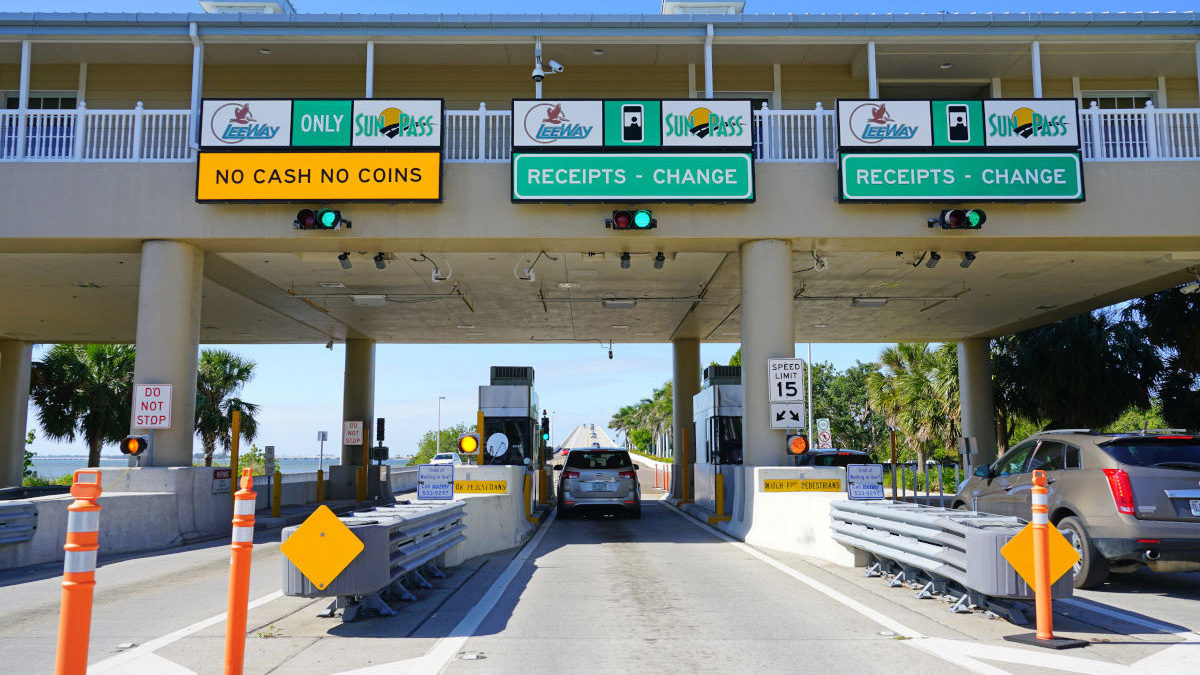
Florida’s toll road system is designed for efficiency, and the primary method of payment in many areas is electronic. Cash lanes are increasingly rare or non-existent on major toll roads, making electronic payment methods essential. Among these, Toll-By-Plate stands out as a flexible option.
What is Toll-By-Plate?
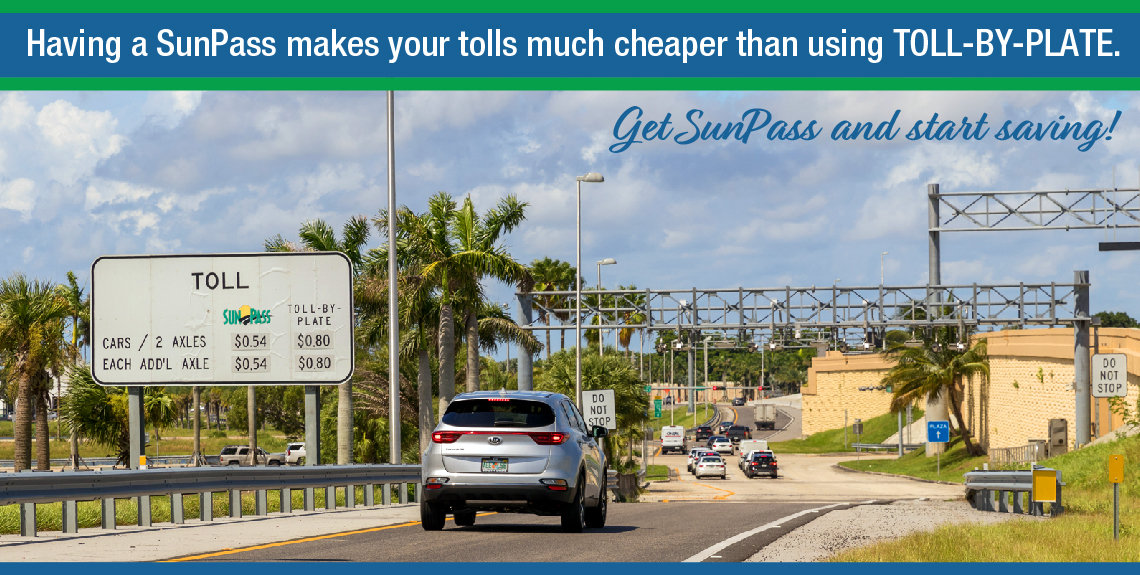
At its core, Toll-By-Plate is a payment system that uses high-speed cameras to capture an image of your vehicle’s license plate as you pass through a toll plaza. There’s no need to stop, search for cash, or have a transponder. The system then identifies the registered owner of the vehicle and sends an invoice (referred to as a “Toll Enforcement Invoice” or “Pay By Plate Invoice”) to their address via postal mail. This invoice details the date, time, location of the toll, and the amount due. The convenience lies in its automatic nature, allowing seamless passage through electronic tolling points. While incredibly convenient for occasional users or those who didn’t plan for tolls, it’s important to note that Toll-By-Plate transactions often incur higher rates than transponder-based payments and may include additional administrative fees from the toll authorities.
Who is Toll-By-Plate For?
Toll-By-Plate is particularly advantageous for several groups of travelers:
- Rental Car Users: This is perhaps the largest demographic for Toll-By-Plate. Rental car companies typically have programs in place to manage tolls for their vehicles, often utilizing the Toll-By-Plate system.
- Out-of-State Drivers: Visitors driving their own vehicles from other states who don’t have a Florida-compatible transponder (like SunPass or E-PASS) will automatically be billed via Toll-By-Plate if they use a toll road.
- Occasional Toll Road Users: For Florida residents or frequent visitors who only use toll roads infrequently, the cost of purchasing and maintaining a transponder might not be justified. Toll-By-Plate provides a pay-as-you-go solution without upfront investment.
- Those Who Forgot Their Transponder: Even if you own a SunPass or E-PASS, forgetting to mount it properly or having an inactive account can result in a Toll-By-Plate bill.
Key Differences from Transponders (SunPass/E-PASS)
Understanding the distinctions between Toll-By-Plate and transponder systems is crucial for making informed decisions about your toll payment strategy.
- Cost: Transponders (SunPass, E-PASS) offer discounted toll rates, often significantly lower than Toll-By-Plate. Toll-By-Plate invariably incurs the highest “cash equivalent” rates, plus potential administrative fees for processing the invoice.
- Convenience: Both offer cashless, non-stop travel. However, with a transponder, you pre-fund an account, so payment is instantaneous and automated. With Toll-By-Plate, you receive a bill later, requiring a separate action to pay.
- Billing: Transponders deduct directly from a prepaid account. Toll-By-Plate sends a physical invoice to the registered owner, which must be paid by a specified due date.
- Coverage: Florida’s transponders are broadly compatible across the state and, in some cases, with toll systems in other states (e.g., Georgia and North Carolina with SunPass Pro). Toll-By-Plate is generally specific to the jurisdiction and tied to the registered vehicle.
Navigating Toll-By-Plate as a Rental Car User
For many visitors to Florida, a rental car is the primary mode of transportation. Understanding how rental companies handle tolls is paramount to avoiding unexpected charges and ensuring a budget-friendly trip.
Rental Car Company Policies
Each rental car company has its own specific policy regarding toll payments, and these can vary significantly in terms of cost and structure. Most companies will automatically enroll you in their toll program if you use a toll road without a personal transponder. These programs essentially manage the Toll-By-Plate process on your behalf, but at a cost.
Policies generally fall into a few categories:
- Administrative Fee + Tolls: This is common. You pay the actual toll amount incurred, plus a daily administrative fee (which might be capped monthly) for the convenience of the rental company handling the billing. This fee applies only on days you use a toll road.
- Daily Flat Rate: Some companies offer an option to pay a flat daily fee for the entire rental period, regardless of whether you use a toll road or not. This might include unlimited tolls. This can be beneficial for heavy toll road users but costly for infrequent use.
- Opt-In/Opt-Out: Some services require you to actively opt-in, while others automatically enroll you. Always clarify this when picking up your vehicle.
It’s crucial to inquire about the rental company’s toll policy when booking or picking up your car. Read the fine print carefully, as these fees can add up quickly, sometimes exceeding the cost of the tolls themselves.
Common Rental Car Toll Programs
Many major rental car companies partner with third-party toll management services. Here are some examples of popular programs:
- PlatePass: Often used by companies like Hertz and Dollar, PlatePass charges a daily administrative fee for each day you use a toll road, plus the cost of the tolls. There’s usually a maximum administrative fee per rental period.
- TollPass (by Verra Mobility): Employed by companies such as Enterprise, National, and Alamo. Similar to PlatePass, this service often includes a daily administrative fee for toll usage days, alongside the toll charges themselves, with a potential monthly cap.
- E-ZPass (where applicable, some Florida agencies are now E-ZPass compatible): While E-ZPass is a transponder system, some rental companies in compatible areas might offer it or integrate it into their Toll-By-Plate offerings. However, SunPass is Florida’s primary transponder.
These programs are designed for convenience, allowing you to drive worry-free through electronic tolls. However, that convenience comes at a price. Ensure you understand the specific terms with your rental agency before hitting the road.
Best Practices for Rental Cars
To minimize toll-related expenses when renting a car in Florida:
- Ask Ahead: Before reserving, call the rental agency or check their website for their detailed toll policy. Get it in writing if possible.
- Understand Terms: Clarify administrative fees, daily caps, and whether the fee is applied only on usage days or for the entire rental period.
- Consider Your Own Transponder: If you travel to Florida frequently or plan extensive driving on toll roads, purchasing a SunPass Mini (a sticker transponder) might be more cost-effective. You can typically register it to your rental car’s license plate for the duration of your rental, just remember to deregister it afterward. This allows you to pay discounted transponder rates directly.
- Avoid Toll Roads: For shorter trips or if you’re on a strict budget, use GPS apps (like Google Maps or Waze) that offer a “avoid tolls” option. Be aware this might add significant time to your journey.
Managing Your Toll-By-Plate Account Directly
While rental car companies usually manage Toll-By-Plate for their vehicles, private vehicle owners, particularly out-of-state drivers, will need to manage their Toll-By-Plate invoices directly.
For Private Vehicle Owners
If you drive your own vehicle through a cashless toll plaza in Florida without a transponder, the system will capture your license plate, and an invoice will be mailed to the registered address of the vehicle owner.
- Receiving the Bill: Expect the invoice to arrive several days to a few weeks after your trip. It will detail each toll transaction, the amount due, and a payment deadline.
- Online Portals: The most convenient way to pay is typically through the respective toll authority’s online portal. For tolls managed by Florida Turnpike Enterprise (which operates many major toll roads), you can usually pay online at the SunPass website by entering your license plate number and state. Other agencies, like Orlando’s Central Florida Expressway Authority (CFX), have their own payment systems (e.g., E-PASS offers a pay-by-plate option on their site).
- Payment Methods: Online payments can usually be made with a credit card. Some authorities also accept payments by mail (check or money order) or over the phone.
- Payment Deadlines: Pay close attention to the due date on the invoice. Missing the deadline can lead to escalating fees and penalties.
Setting Up a “Plate-Only” Account
While not a traditional transponder, some Florida toll authorities offer options that bridge the gap between a full transponder account and standard Toll-By-Plate billing. For instance, SunPass allows users to create a “SunPass PlatePass” account where you register your license plate and pre-fund an account without needing a physical transponder. When you drive through a toll, your plate is read, and the toll is deducted from your prepaid balance at the slightly higher Toll-By-Plate rate (not the discounted transponder rate), but you avoid the administrative fees associated with mailed invoices. Similarly, E-PASS offers an “E-PASS Xpressway Account” which works similarly, often providing a modest discount compared to receiving a mailed invoice. These “plate-only” accounts are ideal for those who use toll roads somewhat regularly but don’t want the hassle of a physical transponder. They are also useful for managing tolls for multiple vehicles without needing multiple transponders.
Avoiding Penalties and Fees
The most critical aspect of managing Toll-By-Plate is avoiding additional charges.
- Pay Promptly: Once you receive an invoice, pay it before the due date. This is the simplest way to avoid penalties.
- Check for Unpaid Tolls: If you suspect you’ve used a toll road but haven’t received a bill after a reasonable time (e.g., two weeks), proactively check for unpaid tolls online using your license plate number. This is especially important for out-of-state drivers whose mail might take longer to arrive or get lost. Websites like the SunPass and E-PASS portals usually have a “Pay A Toll” or “Check Unpaid Tolls” section.
- Consequences of Non-Payment: Unpaid tolls can quickly accrue administrative fees, late penalties, and even fines. Persistent non-payment can lead to vehicle registration holds, driver’s license suspension, or referral to collection agencies, severely impacting your ability to rent a car or renew your registration in Florida or even your home state. For rental cars, unpaid tolls (or charges from the rental company’s program) can result in significant charges to your credit card long after your trip.
Tips for a Smooth Toll Road Experience in Florida
Being prepared is key to a stress-free journey on Florida’s toll roads. A little planning can save you time, money, and headaches.
Plan Your Route
Before you set out, familiarize yourself with your intended route.
- GPS Settings: Utilize navigation apps (Google Maps, Waze, Apple Maps) and activate their “avoid tolls” feature if you wish to bypass them entirely. Be mindful that this can significantly increase travel time, especially between major cities like Miami and Orlando or across the state.
- Toll Road Knowledge: Know where major toll roads are likely to be. For example, the Florida Turnpike is a major artery with tolls along much of its length. Access roads to airports like Orlando International Airport (MCO) often have tolls.
Understanding Florida’s Toll Roads
Florida has several major toll road networks operated by different authorities, though most are compatible with SunPass and E-PASS, and by extension, Toll-By-Plate.
- Florida Turnpike Enterprise: Manages the main Florida Turnpike, Sawgrass Expressway, Beachline Expressway (SR 528), Veterans Expressway (SR 589), and others.
- Central Florida Expressway Authority (CFX): Operates expressways around Orlando and Orange County, including SR 408 (East-West Expressway) and SR 417 (Central Florida GreeneWay).
- Miami-Dade Expressway Authority (MDX): Manages several expressways in the Miami area, such as the Dolphin Expressway (SR 836) and Airport Expressway (SR 112).
- I-4 Express: A newly opened managed lane facility in Orlando, which operates with dynamic tolling and is only accessible via transponder or Toll-By-Plate.
While these are distinct entities, their electronic tolling systems are largely integrated, meaning a SunPass or E-PASS will work on most of them, and Toll-By-Plate invoices will eventually reach the registered owner.
What to Do if You Miss a Payment or Receive a Bill
Mistakes happen, or mail can get delayed. If you realize you’ve used a toll road without proper payment or receive a bill:
- Don’t Panic: Act quickly but calmly.
- Verify the Bill: Ensure the license plate number, date, and location match your travel.
- Pay Online: The fastest and easiest way to resolve an outstanding Toll-By-Plate bill is usually through the relevant toll authority’s website. Have your invoice number or license plate ready.
- Contact Customer Service: If you have questions, disputes, or difficulty paying online, contact the customer service for the toll agency that issued the bill. Their contact information will be on the invoice. For SunPass-related issues, their customer service is generally the first point of contact for Florida Turnpike tolls.

Weighing Your Options (Toll-By-Plate vs. Transponder)
Your best payment method depends on your travel habits:
- Choose Toll-By-Plate if: You’re a one-time visitor driving your own car, you rarely use toll roads, or you’re renting a car and don’t mind the rental company’s administrative fees for convenience.
- Choose a Transponder (SunPass or E-PASS) if: You’re a frequent visitor or Florida resident, you plan extensive toll road travel, or you want to save money on tolls and avoid rental car administrative fees. A SunPass Mini sticker transponder is inexpensive and can be purchased at numerous retail locations across Florida, including most Publix supermarkets and CVS pharmacies.
In conclusion, “How To Pay Toll By Plate Florida” is a critical piece of information for anyone planning to drive in the state. While the Toll-By-Plate system offers undeniable convenience, understanding its mechanics, associated costs, and management requirements is essential for a smooth and enjoyable Florida experience. By being informed and proactive, you can navigate Florida’s toll roads confidently, allowing you to focus on the unforgettable moments awaiting you in the Sunshine State.
LifeOutOfTheBox is a participant in the Amazon Services LLC Associates Program, an affiliate advertising program designed to provide a means for sites to earn advertising fees by advertising and linking to Amazon.com. Amazon, the Amazon logo, AmazonSupply, and the AmazonSupply logo are trademarks of Amazon.com, Inc. or its affiliates. As an Amazon Associate we earn affiliate commissions from qualifying purchases.