
Traveling through Colorado offers breathtaking scenery, vibrant cities, and access to unparalleled outdoor adventures. However, like many modern states, Colorado utilizes a system of toll roads and express lanes to manage congestion and fund critical infrastructure projects. For visitors and new residents alike, understanding how to navigate and pay these tolls is essential for a smooth and penalty-free journey. This comprehensive guide will equip you with the knowledge to handle tolls effortlessly, ensuring your focus remains on enjoying the Centennial State.
Navigating Colorado’s Tolled Roadways
Colorado’s toll system is designed to provide quicker routes, particularly around high-traffic urban areas, and to offer motorists choices. Unlike older systems, Colorado operates exclusively with all-electronic tolling, meaning there are no traditional toll booths where you can stop and pay with cash. Cameras read your license plate or an electronic transponder as you pass, and charges are processed digitally. This system requires travelers to be proactive in understanding their payment options.
The primary toll roads and express lanes you’ll encounter in Colorado include:
- E-470: This 47-mile toll highway forms a semi-circular beltway around the eastern perimeter of the Denver metropolitan area. It’s often used by travelers looking to bypass downtown Denver congestion, especially when heading to Denver International Airport from the south or north.
- Northwest Parkway: A 9-mile toll road connecting E-470 in Broomfield to US 36 near Boulder. It provides a direct route for those traveling between the airport and areas northwest of Denver.
- I-25 Express Lanes: These lanes are found on portions of Interstate 25 in and around Denver and extending north. They are dynamically priced, meaning the toll rate changes based on congestion to keep traffic flowing freely for those who choose to pay.
- US 36 Express Lanes: Running between Denver and Boulder, these lanes offer a quicker commute along a heavily traveled corridor. Similar to I-25 Express Lanes, they use dynamic pricing.
- I-70 Mountain Express Lane: Located west of Denver, this lane is particularly useful for westbound traffic during peak travel times, such as weekends and holidays, when skiers and outdoor enthusiasts head to the mountains. It’s an optional, dynamically priced lane that helps alleviate significant congestion on one of Colorado’s most critical arteries.
Understanding where these tolls are located and their purpose will help you plan your routes effectively, deciding whether the time savings outweigh the cost for your particular journey.
Primary Payment Methods for Colorado Tolls
Given the all-electronic nature of Colorado’s toll roads, travelers have several methods for payment, each with its own advantages and considerations. Choosing the right method can significantly impact convenience and cost.
The ExpressToll Pass System
The most cost-effective and convenient way to pay tolls in Colorado is through the ExpressToll Pass system. This is Colorado’s official electronic toll collection program, operating similarly to E-ZPass or SunPass in other states.
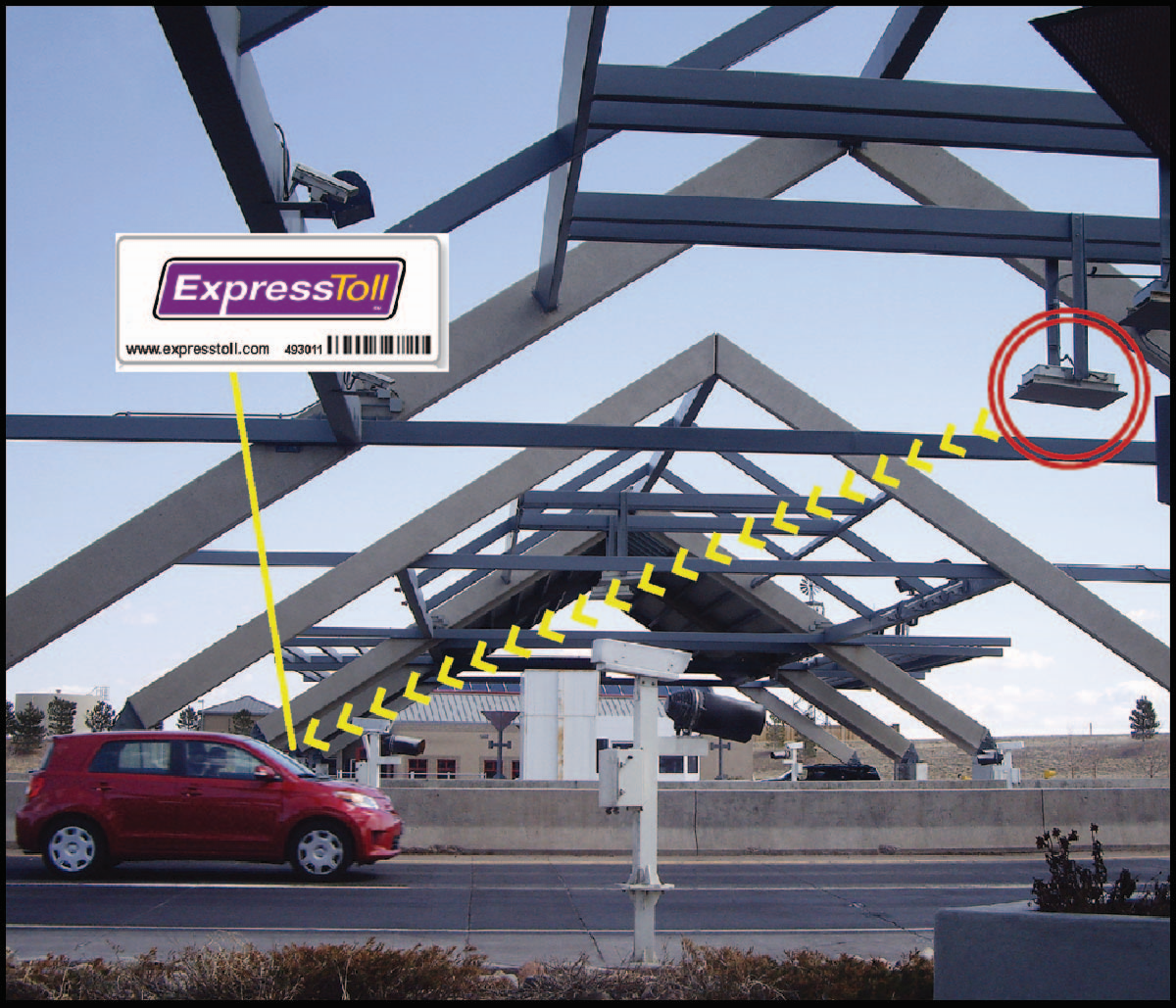
- What it is: An ExpressToll transponder (a small electronic device or sticker) is affixed to your vehicle’s windshield. As you drive through a toll point, the transponder communicates with an overhead reader, automatically deducting the toll from a linked account.
- Benefits: ExpressToll account holders receive the lowest toll rates, often significantly cheaper than other payment methods. It offers seamless travel without worrying about receiving bills in the mail, and your pass is valid on all Colorado toll roads and express lanes. Some specialized passes also allow for free travel in HOV lanes under certain conditions.
- How to get one: You can open an ExpressToll account online through the ExpressToll website, by mail, or in person at one of their service centers. You’ll typically link a credit card for automatic replenishment when your account balance gets low. There are various account types, including prepaid accounts where you load funds in advance, or post-paid options for frequent users. For visitors, a prepaid account linked to your vehicle for the duration of your trip is often the best choice.
- Types of Passes: The most common are the sticker tag (affixed to the windshield) and the switchable tag. The switchable tag is crucial for those who plan to use HOV (High Occupancy Vehicle) lanes. It has a switch that allows you to indicate whether you meet the HOV requirements (e.g., 3+ occupants for most lanes, or 2+ for some specific lanes) to travel free of charge in the express lanes. Without a switchable tag, even HOV-compliant vehicles will be charged.
License Plate Toll (Pay-By-Mail)
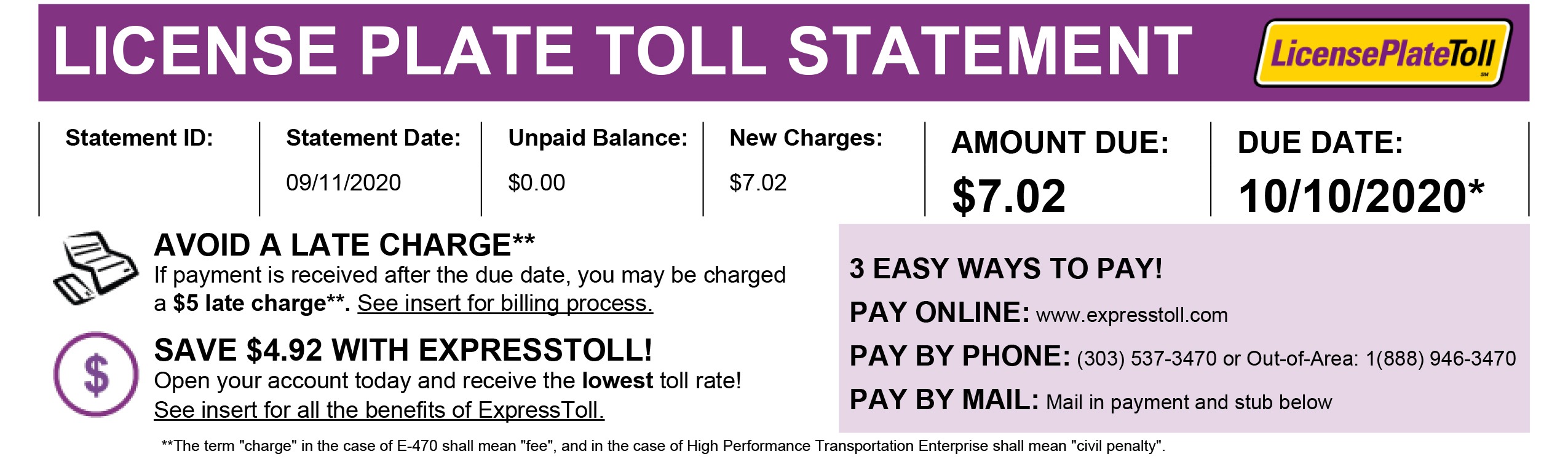
For those without an ExpressToll transponder, Colorado’s all-electronic tolling system uses License Plate Toll (LPT).
- How it works: When your vehicle passes a toll point without an active ExpressToll transponder, high-speed cameras capture an image of your license plate. The system then identifies the registered owner of the vehicle and mails a bill to the address on file with the Department of Motor Vehicles (DMV).
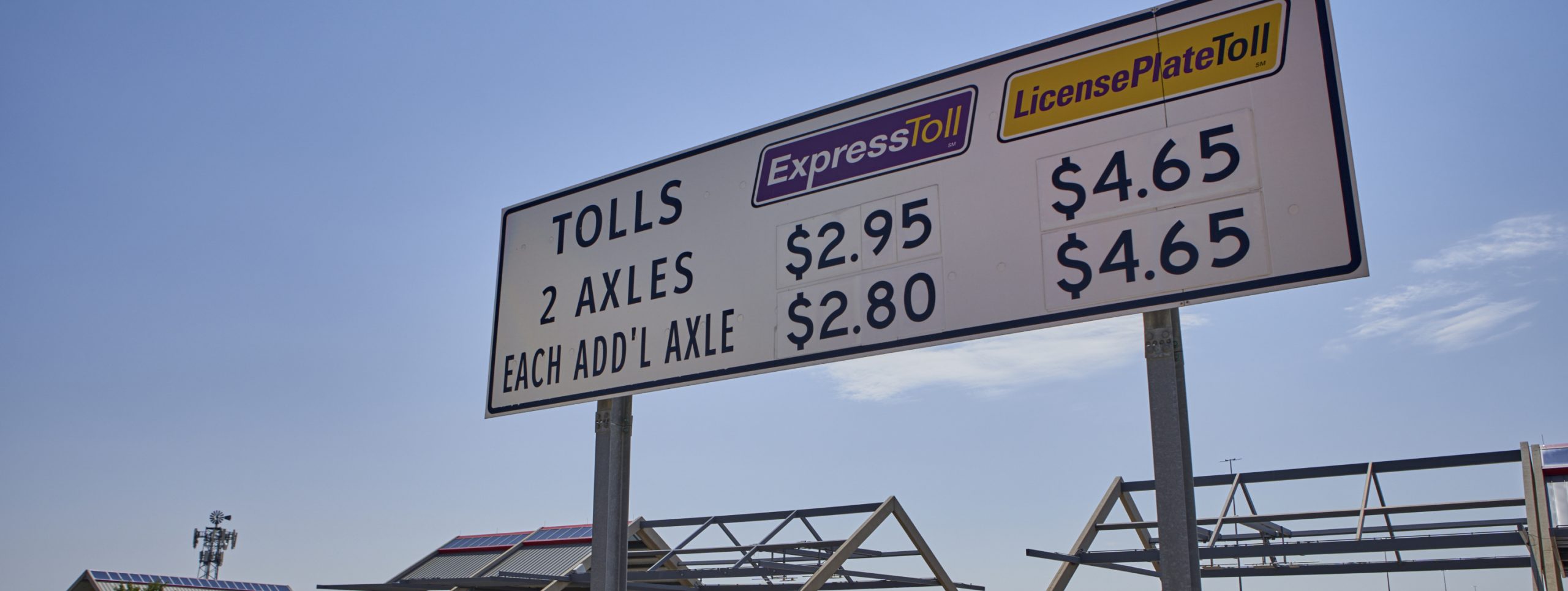
- Higher Cost: This method is considerably more expensive than using an ExpressToll Pass. A surcharge is added to each toll to cover the administrative costs of identifying the owner, processing the bill, and mailing it. These surcharges can add up quickly, especially on longer toll roads like E-470 or with multiple uses of express lanes.
- Potential Delays and Penalties: Bills can take several weeks to arrive, sometimes after out-of-state visitors have already returned home. It’s crucial not to ignore these bills. Unpaid tolls, especially if left unaddressed, can lead to significant late fees, additional penalties, and even a hold on your vehicle registration renewal in Colorado or potentially other states through reciprocity agreements.
- Importance of Updated Address: Ensure your vehicle’s registration address with the DMV is current. If the bill is sent to an old address, you might not receive it, leading to escalating fees without your knowledge.
Rental Car Considerations
Navigating tolls in a rental car in Colorado requires special attention, as most rental car companies have their own policies and systems.
- No Universal System: There is no single, state-mandated system for rental cars. Each rental company (e.g., Hertz, Enterprise, Avis, National) may have its own toll program, which often involves daily service fees in addition to the actual toll charges. These programs can be significantly more expensive than using your own ExpressToll account.
- Inquire Before Renting: Always ask your rental car company about their toll payment policy before you drive off the lot. Some companies automatically enroll you in their program if you use a toll road, while others require opt-in.
- Options for Travelers:
- Accept the Rental Company’s Program: This is the easiest option but often the most costly due to daily administrative fees and potentially higher per-toll charges. The rental company will charge your credit card on file for all tolls and fees.
- Decline and Use Your Own ExpressToll Pass: If you have an ExpressToll transponder, you might be able to use it with your rental car. You must add the rental car’s license plate number to your ExpressToll account for the duration of your rental. This is usually the most cost-effective method if feasible.
- Decline and Use License Plate Toll (Pay-By-Mail): While possible, this is generally not recommended with rental cars. The bill will initially go to the rental company, who will then forward it to you, often with hefty administrative fees (e.g., $15-$25 per toll instance) on top of the higher LPT toll rate.
- Risks of Not Addressing Tolls: Failing to manage tolls in a rental car can lead to surprising and substantial charges on your credit card weeks or even months after your trip, as the rental company retroactively processes tolls and adds their administrative penalties.
Tips for Seamless Toll Payment and Avoiding Penalties
Careful planning and awareness can save you money and headaches when traversing Colorado’s toll system.
Plan Your Route in Advance
Before you hit the road, leverage modern navigation tools. Apps like Google Maps or Waze can highlight toll roads and offer alternative non-tolled routes, allowing you to make an informed decision based on your priorities (speed vs. cost). Pay attention to whether you need to use an express lane, as these are clearly marked and have specific entry and exit points. Understanding where tolls are located on your itinerary can help you decide whether to purchase an ExpressToll Pass or mentally prepare for potential License Plate Toll bills.
Manage Your ExpressToll Account
If you opt for an ExpressToll account, proactive management is key. Ensure your account has sufficient funds, especially if it’s a prepaid account, to avoid a negative balance that could result in your tolls being converted to higher License Plate Toll rates. Always keep your vehicle information, particularly the license plate number, current on your account. If you’re using your pass in a rental car, remember to temporarily add the rental car’s license plate to your account for the duration of your trip and remove it afterward. For those using express lanes, ensure you have a switchable tag and correctly indicate your HOV status to receive free travel if applicable.
What to Do If You Receive a Bill or Miss a Payment
Do not ignore any toll bills. If you receive a License Plate Toll bill in the mail, address it promptly. You can typically pay these bills online via the ExpressToll website, which often provides a section for “Pay a Bill” or “Look Up a Toll.” If you believe you received a bill in error, or if you have questions, contact ExpressToll customer service immediately. They can help clarify charges, update information, or assist with disputes. Ignoring bills can lead to escalating late fees, collection agency involvement, and even a hold on your vehicle’s registration, making it impossible to renew until all outstanding tolls and penalties are settled.
Special Considerations for Express Lanes
Colorado’s express lanes are dynamically priced, meaning the toll amount changes throughout the day based on traffic volume. Prices are typically higher during peak commute times to encourage carpooling or the use of alternative routes, thereby helping to manage congestion. Always check the digital signs above the express lanes, which display the current toll price. For those meeting HOV requirements (typically 3 or more people in a vehicle, but sometimes 2+ on specific lanes), you can often use the express lanes for free if you have a switchable ExpressToll transponder and properly set it to HOV mode. Without an ExpressToll transponder, even HOV-compliant vehicles will be charged the License Plate Toll rate.
The Future of Tolling in Colorado
Colorado’s commitment to innovative infrastructure and congestion management means that toll roads and express lanes are likely to remain a significant part of the state’s transportation network. There are ongoing plans for expanding existing express lanes and potentially adding new tolled corridors to address population growth and increased travel demands. These initiatives aim to maintain efficient travel times and offer reliable options for motorists while funding necessary maintenance and improvements. Staying informed about these developments will continue to be important for frequent travelers and residents of the state.
By understanding the methods available for toll payment and adopting proactive travel habits, you can confidently navigate Colorado’s roads, saving time and avoiding unexpected costs, and ensuring a more enjoyable journey throughout this magnificent state.
LifeOutOfTheBox is a participant in the Amazon Services LLC Associates Program, an affiliate advertising program designed to provide a means for sites to earn advertising fees by advertising and linking to Amazon.com. Amazon, the Amazon logo, AmazonSupply, and the AmazonSupply logo are trademarks of Amazon.com, Inc. or its affiliates. As an Amazon Associate we earn affiliate commissions from qualifying purchases.