
Understanding Florida’s Unique Climate for Garlic Cultivation
Cultivating garlic in the Sunshine State offers a unique set of challenges and rewards, distinct from traditional growing regions. Florida’s subtropical climate, characterized by mild winters and hot, humid summers, demands a tailored approach for successful garlic production. For those exploring Florida’s local agricultural scene or looking to engage in a rewarding hands-on activity, understanding these climatic nuances is the first crucial step.
Florida’s Subtropical Nuances
Unlike most commercial garlic-growing areas in temperate zones, Florida rarely experiences prolonged periods of freezing temperatures. This milder winter allows for a longer growing season, but it also necessitates selecting garlic varieties that don’t require extensive chill hours for proper bulb formation. The intensity of the Florida sun, even in winter, and the subsequent rapid transition into spring heat, heavily influence planting schedules and care regimens. Gardeners in areas like South Florida face different conditions compared to those in North Florida, requiring regional adaptations to planting times and variety selection.

The Importance of Chill Hours (or lack thereof)
Garlic, particularly hardneck varieties, typically requires a period of cold temperatures, known as chill hours, to signal bulb division and development. Florida’s mild winters often mean insufficient chill for many traditional cultivars. This is why softneck varieties, which are less reliant on cold exposure, are generally more successful here. While some hardneck varieties may perform adequately in cooler parts of North Florida, consistent success across the state leans heavily on selecting heat-tolerant softneck types. For instance, a gardener in Miami would have a very different experience than one in Jacksonville when attempting to grow the same hardneck variety.
Soil Considerations: From Sand to Success
Florida’s soils are often sandy and nutrient-poor, a stark contrast to the rich, loamy soils favored by garlic. This presents an opportunity for local engagement, as improving soil quality is a significant part of successful Florida gardening. Amending the soil with ample organic matter – such as compost, aged manure, or peat moss – is critical. This not only enhances fertility but also improves water retention and drainage, preventing common issues like bulb rot in the humid environment. Prior to planting, a soil test can provide invaluable insights into specific nutrient deficiencies and pH levels, guiding amendments for optimal growth.
Selecting the Right Garlic Varieties for the Sunshine State
The key to a thriving garlic harvest in Florida lies predominantly in variety selection. Given the state’s unique climate, choosing garlic types that are well-adapted to warm winters and sandy soils is paramount. This decision directly impacts the size, flavor, and overall yield of your crop, transforming a gardening activity into a rewarding culinary endeavor.
Softneck vs. Hardneck: The Florida Dilemma
Garlic is broadly categorized into two main types: softneck and hardneck. Hardneck garlics produce a stiff, woody central stem (scape) and typically form fewer, larger cloves around this stem. They generally require significant chill hours to bulb properly and are renowned for their complex flavors. However, their reliance on cold makes them less suitable for much of Florida.
Softneck garlics, conversely, do not produce a stiff scape and yield many smaller cloves in multiple layers around a soft central stalk. They are known for their adaptability to warmer climates, longer storage life, and suitability for braiding. For most Florida growers, softneck varieties are the hands-down champions, offering consistent results and a satisfying harvest.
Recommended Varieties for Warm Climates
Within the softneck category, specific cultivars have proven particularly resilient and productive in Florida’s conditions. Varieties like ‘Creole’ types (e.g., ‘Burgundy’, ‘Ajo Rojo’) and ‘Artichoke’ types (e.g., ‘Inchelium Red’, ‘California Early’, ‘Lorze’) are excellent choices. Creole garlics are particularly heat-tolerant and boast a vibrant color and robust, spicy flavor, perfect for enriching local cuisine. Artichoke varieties are known for their large, easy-to-peel cloves and general hardiness, making them a popular option for home gardeners. Experimenting with a few different softneck types can help determine which performs best in your specific microclimate, whether you’re gardening in Orlando or Tampa.
Sourcing Quality Seed Garlic
Never plant grocery store garlic. Most commercial garlic is treated to inhibit sprouting and may carry diseases. Instead, source certified disease-free seed garlic from reputable growers or online suppliers specializing in warm-climate varieties. Look for firm, healthy bulbs free from blemishes or signs of mold. Each clove of a purchased bulb can be planted to produce a new garlic plant. It’s an engaging aspect of the activity to select and prepare your seed cloves, ensuring a strong start to your crop.
Step-by-Step Planting Guide for Florida Gardeners
Embarking on the journey of planting garlic in Florida is a rewarding activity that connects you directly to the rhythms of local agriculture. Following a precise planting schedule and method ensures the best possible outcome for your garlic bulbs, transforming raw cloves into flavorful additions to your Florida kitchen.
Optimal Planting Time in Florida
The timing of planting is perhaps the most critical factor for garlic success in Florida. Unlike temperate regions that plant in fall for an early summer harvest, Florida gardeners typically plant in late fall to early winter. For North Florida and Central Florida, this usually means October through November, allowing the garlic to establish roots during the cooler months. In warmer South Florida, planting can extend into December. The goal is to plant when soil temperatures begin to drop but before the peak of any mild winter chills, giving the plant ample time for root development before the onset of the long, hot growing season.
Preparing Your Garden Beds
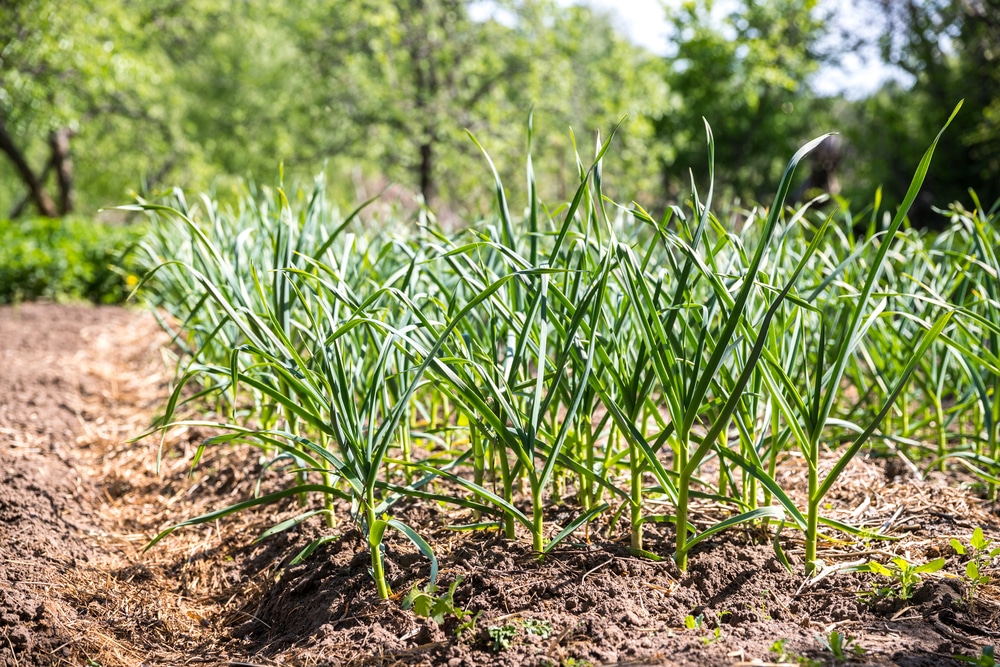
Garlic thrives in well-drained, fertile soil. Given Florida’s often sandy conditions, significant bed preparation is necessary. Begin by selecting a site that receives at least 6-8 hours of full sun daily. Loosen the soil to a depth of at least 8-12 inches. Incorporate generous amounts of organic matter, such as high-quality compost, well-rotted manure, or mushroom compost. This improves soil structure, aeration, drainage, and nutrient retention—all vital for garlic. Aim for a slightly acidic to neutral pH (6.0-7.0). Raised beds are an excellent option for Florida gardeners, as they provide superior drainage and allow for easier soil amendment, particularly beneficial in areas prone to heavy rains like around Gainesville.
The Planting Process: Depth and Spacing
Before planting, gently separate the garlic bulb into individual cloves, ensuring the papery wrapper remains intact on each clove. Plant the largest, healthiest cloves, reserving the smaller ones for culinary use. Plant each clove pointed-side up, with the basal plate (the flat end where the roots emerge) facing down. The general rule of thumb is to plant cloves about 2-3 inches deep and 4-6 inches apart, with rows spaced 12-18 inches apart. This spacing provides adequate room for bulb development and good air circulation, which is crucial in Florida’s humid environment.
Initial Care: Watering and Mulching
After planting, water the bed thoroughly to settle the soil around the cloves. Consistent moisture is important, but never allow the soil to become waterlogged. Immediately apply a 2-4 inch layer of organic mulch, such as straw, pine needles, or shredded leaves. Mulch helps regulate soil temperature, conserves moisture, and suppresses weeds, which can compete with young garlic plants for nutrients. This initial care sets the stage for healthy growth and is a foundational tip for anyone engaging in this aspect of Florida tourism or local activities.
Ongoing Care and Harvesting for Bountiful Florida Garlic
Once planted, your Florida garlic will require attentive ongoing care to ensure a robust harvest. This phase of cultivation is just as crucial as planting, offering continuous engagement with the growing cycle and deeper insight into local agricultural practices. Understanding the signs of maturity and proper harvesting techniques guarantees you’ll enjoy the fruits of your labor.
Nutrient Management and Pest Control
Garlic is a moderate feeder, benefiting from a balanced diet throughout its growth cycle. A slow-release organic fertilizer applied at planting, followed by a liquid feed (such as fish emulsion or compost tea) every 3-4 weeks during the active growth phase, can significantly boost bulb development. Avoid over-fertilizing with nitrogen once bulb formation begins, as this can encourage leafy growth at the expense of the bulb.
Pest and disease issues are generally minimal for garlic, especially when healthy seed is used and good cultural practices are followed. The strong scent of garlic itself can deter some pests. However, watch out for fungal issues like rust, which can occur in humid conditions. Ensure good air circulation and avoid overhead watering to minimize risk. Hand-picking any occasional pests like slugs or snails is usually sufficient. Implementing preventative measures aligns with sustainable local farming tips often shared within Florida’s gardening communities.
Watering Strategies through the Dry Season
Florida’s dry winter and spring months necessitate thoughtful watering. While garlic tolerates some drought, consistent moisture is vital for plump bulb development. Aim for about an inch of water per week, either from rainfall or irrigation. As harvest approaches (typically late spring to early summer), gradually reduce watering to allow the bulbs to begin drying out. This reduction in water helps to prevent rot and promotes better storage qualities. Stop watering entirely about 2-3 weeks before your anticipated harvest date.
Identifying the Perfect Harvest Window
Knowing when to harvest your Florida garlic is an art. The tell-tale sign is when the bottom third to half of the leaves turn yellow and begin to dry out, while the upper leaves still retain some green. This usually occurs around May or June in Florida, about 7-8 months after planting. Harvesting too early can result in smaller bulbs that don’t store well, while harvesting too late can lead to bulbs that have split skins, making them more susceptible to rot and reducing their storage life. Dig up a test bulb if you’re unsure; if the cloves are well-formed and distinct, it’s time to harvest.
Curing and Storing Your Florida Crop
After carefully digging up your garlic (avoid pulling, as this can damage the bulbs), gently brush off excess dirt. Do not wash the bulbs. The next crucial step is curing. Curing allows the outer skins to dry and tighten, sealing in flavor and extending storage life. Hang the whole plants (with stalks and roots still attached) in a cool, dark, well-ventilated area for 2-4 weeks. Garages, sheds, or covered porches in areas like Gainesville or Orlando are often ideal. Once cured, clip the roots and stalks, leaving about an inch of stem. Store your cured garlic in a cool (50-60°F / 10-15°C), dark, dry place with good air circulation. Softneck varieties can be braided for attractive and practical storage, making for a beautiful display of your successful Florida harvest.
Embracing Florida’s Local Food Scene Through Garlic
Growing garlic in Florida is more than just a gardening task; it’s an immersive experience that deepens your connection to local culture and food systems. From the moment you plant a clove to when you savor your homegrown garlic, you participate in a vibrant aspect of Florida’s agricultural identity.
From Garden to Plate: Culinary Uses
The journey of garlic from garden bed to dinner plate is where the true reward lies. Freshly harvested Florida garlic boasts a flavor far superior to store-bought varieties, often sweeter and more nuanced. Whether you’re roasting entire bulbs, mincing cloves for a homemade vinaigrette, or infusing oils, your homegrown garlic will elevate countless dishes. It becomes a staple in local Florida cuisine, complementing everything from fresh seafood caught off the coast near Tampa to vibrant salads featuring other local produce. This direct farm-to-table experience is a highlight for anyone interested in Florida’s local food movement.
Supporting Local Agriculture
By engaging in home garlic cultivation, you also gain a deeper appreciation for the efforts of local Florida farmers. Understanding the challenges and triumphs of growing produce in this unique climate fosters a greater respect for fresh, locally sourced ingredients. It encourages participation in farmers’ markets, connecting with growers who share similar passions, and perhaps even inspiring visits to agricultural attractions or food festivals across the state. This involvement strengthens the fabric of Florida’s vibrant local economy and food scene.
Garlic’s Role in Florida Gardens and Kitchens
Garlic, beyond its culinary uses, also plays an ecological role in the garden, with its natural pest-deterring properties. Integrating garlic into your Florida landscape can contribute to a more balanced and healthy ecosystem. Ultimately, planting garlic in Florida is an activity that offers practical skills, a connection to the earth, and a delicious yield. It exemplifies the spirit of local engagement, food appreciation, and hands-on experience that enriches any visit or long-term stay in the Sunshine State.
LifeOutOfTheBox is a participant in the Amazon Services LLC Associates Program, an affiliate advertising program designed to provide a means for sites to earn advertising fees by advertising and linking to Amazon.com. Amazon, the Amazon logo, AmazonSupply, and the AmazonSupply logo are trademarks of Amazon.com, Inc. or its affiliates. As an Amazon Associate we earn affiliate commissions from qualifying purchases.