
The iconic opening chords, the haunting melody, and the legendary guitar solo of “Hotel California” by the Eagles are etched into the annals of music history. For aspiring guitarists and seasoned players alike, mastering this masterpiece is often a rite of passage, a testament to dedication and skill. But beyond the notes and tablatures, “Hotel California” evokes a powerful sense of place, a narrative of journey, mystery, and a unique lifestyle – themes that resonate deeply with the core essence of travel, accommodation, and the human experience that defines lifeoutofthebox.com.
This article isn’t just a technical guide; it’s an exploration of how the pursuit of learning “Hotel California” on guitar can intersect with and enrich your lifestyle, travel experiences, and appreciation for destinations. We’ll delve into the practicalities of learning the song, suggest ways to integrate this passion into your travel plans, and uncover how the very spirit of the song can inspire your next adventure. Whether you dream of strumming its chords on a balcony overlooking the Pacific Ocean in California, or simply want to impress friends around a campfire in a faraway land, this guide will illuminate your path.
The Allure of “Hotel California”: Beyond the Notes
“Hotel California” isn’t merely a song; it’s a cultural phenomenon, a narrative tapestry woven with enigmatic lyrics and a timeless musical arrangement. Released in 1976, it quickly ascended to become one of the best-selling singles of all time, captivating audiences worldwide with its vivid imagery and complex themes. The song tells a story of a weary traveler, drawn into a mysterious luxury hotel, where the line between reality and illusion blurs. This narrative, steeped in the mystique of Los Angeles and the allure of a lavish yet unsettling destination, mirrors many of the feelings and experiences associated with travel itself – the excitement of the unknown, the comfort of luxurious accommodations, and sometimes, the bewildering aspects of new cultures and environments.
The song’s enduring popularity is a testament to its artistic depth. Its structure, featuring a distinctive acoustic intro, a driving rock rhythm, and an unforgettable twin-guitar harmony solo, provides a comprehensive challenge for any guitarist. Learning it offers more than just the ability to play a popular tune; it’s an opportunity to develop a wide range of techniques, from intricate fingerpicking to dynamic rhythm playing and advanced lead guitar work. This journey of mastery can be incredibly rewarding, fostering patience, discipline, and a deeper connection to music. Moreover, the story embedded within the song often inspires travelers to seek out destinations that evoke a similar sense of grandeur, history, or enigmatic charm, from historic hotels in New Orleans to boutique resorts in Mexico.
Deconstructing the Classic: Chords and Rhythm
Before diving into the epic solo, a solid foundation in the song’s rhythm guitar parts is essential. “Hotel California” primarily uses a relatively straightforward chord progression in the key of B minor, but its beauty lies in the subtle nuances of strumming patterns, arpeggiated figures, and dynamic shifts.
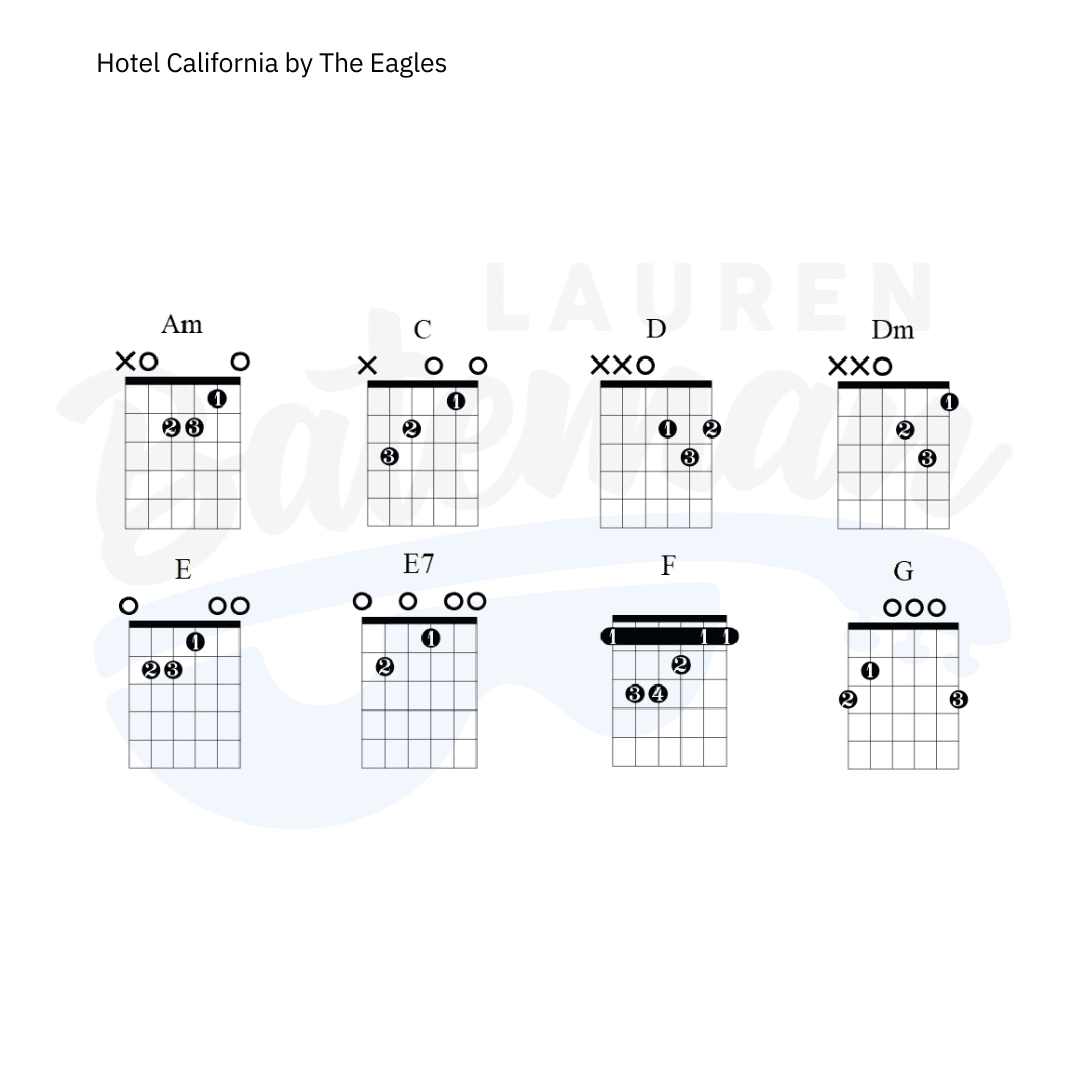
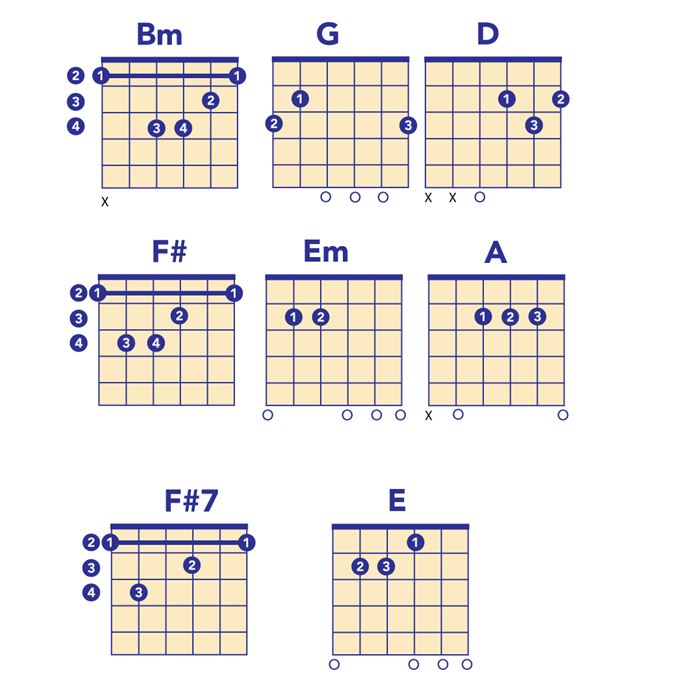
The main verse and chorus progression typically revolves around Bm, F#7, A, E, G, D, Em, and F#7. While these chords are common, the challenge for beginners often lies in the swift changes and the accuracy required to make each chord ring clear.
- Bm (B minor): Often played as a barre chord on the 2nd fret, it sets the melancholic tone.
- F#7 (F sharp 7): Another barre chord, typically on the 2nd fret, providing tension that resolves back to Bm.
- A (A major): A standard open chord.
- E (E major): Another standard open chord.
- G (G major): A standard open chord.
- D (D major): A standard open chord.
- Em (E minor): A standard open chord.
For the intro, the acoustic guitar part is characterized by a distinctive arpeggiated pattern over the Bm – F#7 – A – E – G – D – Em – F#7 progression. This fingerpicking technique requires precision and coordination between both hands. Many tutorials break down this intro note-for-note, often utilizing tablature (tabs) which show you exactly where to place your fingers on the fretboard. Practice this slowly, focusing on clean notes and consistent timing. Use a metronome to gradually build speed and ensure your rhythm is steady. The rhythm section during the verses and chorus involves a more strumming-based approach, but still with a clear emphasis on specific beats and dynamic control to complement the vocals. Experiment with different strumming patterns, always listening to the original track to capture its feel.
Mastering the Iconic Solo: A Journey of Skill
The guitar solo in “Hotel California,” performed by Don Felder and Joe Walsh, is widely regarded as one of the greatest of all time. It’s a masterclass in melodic phrasing, harmonic interplay, and technical proficiency, showcasing both the individual styles of the guitarists and their incredible synergy. For many guitarists, this solo is the ultimate goal, representing a significant benchmark in their playing ability.
The solo is long, complex, and features dual guitar harmonies, making it a formidable challenge. It’s best approached in smaller, manageable sections.
- Break It Down: Don’t try to learn the entire solo at once. Divide it into phrases or even just a few measures at a time.
- Slow Practice: Use a slow-downer app or software to play the original track at a reduced tempo. Start as slow as necessary to play each note accurately and cleanly. Gradually increase the speed as your muscle memory develops.
- Technique Focus: The solo features bends, vibrato, hammer-ons, pull-offs, slides, and intricate picking. Pay close attention to these techniques. Ensure your bends are in tune and your vibrato is smooth and controlled.
- Listen Actively: Beyond the notes, listen to the feel of the solo. The dynamics, the phrasing, and the emotional expression are crucial. Try to emulate not just what they play, but how they play it.
- Identify Each Part: The solo is structured with distinct sections, alternating between Felder’s more blues-rock infused lines and Walsh’s melodic, almost jazzy contributions. Understanding who plays what can help in replicating their individual voicings and approaches.
- Practice Harmonization: If you have a friend who also plays guitar, practicing the dual harmonies together can be an incredibly rewarding experience and a great way to develop your ear and timing.
Mastering the “Hotel California” solo is a marathon, not a sprint. It requires patience, persistence, and a willingness to break down complex tasks into smaller, achievable goals. The journey of learning this solo is, in itself, a testament to the dedication often required to master any significant skill, much like planning and executing a complex travel itinerary.
Finding Your “Hotel California”: Places, Inspiration, and Practice
The mystique of “Hotel California” is undeniably tied to its setting. The song paints a picture of a luxurious, almost surreal destination that is both inviting and unsettling. For guitarists, the environment in which they practice can significantly impact their learning and creative process. Just as a well-chosen hotel enhances a travel experience, a conducive practice space can accelerate your musical journey.
Consider how the aesthetics and ambiance of a location can inspire your playing. Imagine practicing the intro under the golden California sun, or perfecting the solo in a cozy nook of a historic hotel with a rich past. The desire for a perfect “practice retreat” can even influence your travel decisions, turning a simple trip into a unique blend of leisure and passion.
Inspirational Stays: Hotels for Musicians
For the traveling musician, or simply someone looking for an inspiring place to practice, choosing the right accommodation can be key. Many hotels around the world cater to guests with creative inclinations, offering amenities that go beyond the typical.
- Boutique Hotels with Character: Look for boutique hotels that pride themselves on unique design, local artistry, or a quiet, introspective atmosphere. A hotel with a common lounge area, a library, or even a small garden can offer a perfect backdrop for acoustic practice. In cities like London, Paris, or New York, you’ll find countless establishments, from converted historic mansions to modern design hotels, that provide inspiring settings.
- Resorts with Dedicated Spaces: Some luxury resorts, particularly those focused on wellness or creative retreats, might offer soundproofed rooms or dedicated music lounges. Imagine staying at a Four Seasons resort in Hawaii with a private lanai perfect for strumming, or a St. Regis property that offers bespoke experiences, perhaps even a local guitar lesson.
- Artist-Friendly Accommodation: Certain hostels and guesthouses, especially in bohemian or artistic districts of cities like Berlin or Barcelona, are known for attracting creative individuals. They often foster a communal spirit, sometimes even providing instruments or jam spaces.
- Eco-Lodges and Remote Retreats: For those who crave solitude and natural inspiration, an eco-lodge in the Amazon Rainforest or a secluded villa in Bali could provide the perfect escape. The quietude and beauty of nature can significantly enhance focus and creativity, allowing you to immerse yourself fully in your practice.
When booking, consider amenities like good Wi-Fi for online tutorials, comfortable seating, and perhaps even a balcony or patio where you can play without disturbing other guests. Always be mindful of noise levels, especially in shared spaces, or opt for rooms far from common areas if you plan extensive practice sessions.
The Californian Dream: Destinations that Evoke the Song
The imagery of “Hotel California” is deeply rooted in the American Southwest, particularly Southern California in the 1970s. For those inspired by the song, exploring destinations that evoke its spirit can be a rewarding travel experience.
- Los Angeles and the Sunset Strip: No exploration of “Hotel California” is complete without a nod to Los Angeles. The Sunset Strip in West Hollywood was a vibrant hub for rock and roll in the 70s, home to iconic venues like the Roxy Theatre and the Whisky a Go Go. While the actual hotel described in the song is fictional, many believe it drew inspiration from glamorous, slightly decadent establishments of the era, such as the Beverly Hills Hotel or the Chateau Marmont, both known for their long histories with rock stars and celebrities. Walking these streets, imagining the stories they hold, can certainly infuse your guitar practice with a sense of rock history.
- Desert Resorts of Palm Springs and Arizona: The “dark desert highway” and “warm smell of colitas, rising up through the air” lyrics often conjure images of desert landscapes. Palm Springs in California and destinations in Arizona offer luxurious resorts set against stunning desert backdrops. Places like Amangiri or The Phoenician provide an opulent, secluded experience that mirrors the grand, albeit mysterious, setting of the song. These tranquil environments can be ideal for focused practice and creative inspiration.
- Coastal Retreats and Beach Towns: The “pink champagne on ice” and the general vibe of a grand, leisurely existence might also lead one to explore California’s picturesque coastline. Think of upscale beach towns like Malibu, Santa Barbara, or the iconic Hotel del Coronado in San Diego. These locales combine stunning natural beauty with luxurious amenities, offering a blend of relaxation and potential for musical inspiration.
Exploring these destinations can provide a deeper context for the song, transforming your understanding from a purely auditory experience to a multi-sensory journey. Bring your travel guitar, find a quiet spot, and let the landscape inform your interpretation of the music.
The Lifestyle of a Traveling Musician: Guitar in Hand
Embracing the challenge of learning “Hotel California” can be more than just a musical endeavor; it can be integrated into a broader lifestyle choice, especially for those who love to travel. The dream of taking your instrument on the road and sharing music (or simply enjoying it privately) is a powerful motivator.
Choosing Your Instrument: Travel Guitars and Acoustics
Traveling with a full-sized acoustic or electric guitar can be cumbersome and sometimes risky. Thankfully, the market offers excellent alternatives for the globe-trotting guitarist:
- Travel Guitars: Brands like Martin (Little Martin) and Taylor (Baby Taylor) produce high-quality travel-sized acoustic guitars that are durable, lightweight, and surprisingly full-sounding. Their compact size makes them easy to fit into overhead compartments on planes or pack in a car.
- Folding Guitars: Innovative designs like those from Voyage-Air Guitar allow the neck to fold back, making the instrument incredibly compact for transport.
- Ukuleles and Mandolins: While not guitars, these smaller stringed instruments are incredibly portable and can be a fun way to bring music on your travels, often capable of playing simpler chord progressions.
- Electric Guitars (Travel-sized): If electric is your preference, companies make compact electric guitars and even ‘headless’ designs that are very travel-friendly. Paired with a small, portable amplifier (some even fit in your pocket), you can practice silently with headphones or enjoy a small jam session.
When choosing a travel guitar, consider its durability (solid wood vs. laminate), portability (size and weight), and tone. Investing in a good quality gig bag or hard case designed for travel is also crucial for protecting your instrument from temperature changes, humidity, and physical impact.
Connecting Through Music: Local Jams and Festivals
One of the most enriching aspects of traveling with your guitar is the opportunity to connect with local cultures and fellow musicians. Music is a universal language, and a guitar can be your passport to unique experiences.
- Open Mic Nights: Many cities around the world, from Dublin to Sydney, host open mic nights. This is a fantastic way to share your rendition of “Hotel California” or any other song, meet local artists, and soak in the musical scene.
- Street Performance: In certain areas, like Venice Beach in Los Angeles or the vibrant squares of Barcelona, street performing is an accepted part of the local culture. It’s a bold way to practice performance skills and connect with an audience. Always check local regulations regarding busking.
- Local Festivals and Gatherings: Research local music festivals or cultural gatherings in your destination. These events are often teeming with musicians and offer opportunities for impromptu jam sessions or networking. Imagine finding yourself playing “Hotel California” with newfound friends at a beach bonfire in Thailand or a mountain retreat in Patagonia.
- Music Lessons Abroad: Consider taking a local music lesson. Learning from a local teacher can offer fresh perspectives on technique and expose you to traditional music styles of the region, enriching both your musical and travel experiences.
Bringing music into your travels adds an entirely new dimension to your journey. It fosters connections, provides entertainment, and offers a unique way to remember your adventures – perhaps you’ll remember a particular beach by the specific phrase of the “Hotel California” solo you finally mastered there.
Integrating Guitar Practice into Your Travel Itinerary
For many, travel is about escape, relaxation, and discovery. Incorporating guitar practice doesn’t have to detract from these goals; in fact, it can enhance them. It provides a familiar comfort in unfamiliar surroundings and a productive outlet during downtime.

Budgeting for Your Musical Travel Adventure
Budgeting for a trip that includes your musical passion requires careful planning.
- Accommodation Choices: While a luxury resort might offer ideal practice conditions, budget-friendly options like hostels with private rooms or Airbnbs can also work. Look for properties that explicitly mention quiet areas or music-friendly policies. Consider longer stays in one location to maximize practice time without constant packing and unpacking, which can be easier on your budget in the long run.
- Travel Insurance for Instruments: If you’re bringing a valuable instrument, ensure it’s covered by your travel insurance policy. Some policies offer specific coverage for musical equipment.
- Airline Fees: Be aware of potential extra baggage fees for your guitar, especially if it’s not a travel-sized model that fits as a carry-on. Research airline policies beforehand.
- Local Lessons and Workshops: Factor in the cost of any local lessons or workshops you might want to attend. These can be a fantastic cultural immersion and skill-building opportunity.
- Exploring Inspirations: Budget for visiting those iconic landmarks, hotels, or musical venues that resonate with the “Hotel California” vibe, whether it’s exploring the historic architecture of Venice or taking a guided tour of rock history on the Sunset Strip.
Thoughtful budgeting ensures that your musical aspirations don’t compromise your travel experience, but rather enhance it, allowing for a harmonious blend of passion and exploration.
Learning to play “Hotel California” on guitar is a fulfilling journey, but when interwoven with the adventure of travel, it transforms into an unforgettable experience. From finding the perfect inspiring hotel room for practice to jamming with locals in far-flung destinations, the pursuit of this iconic song can open doors to deeper cultural connections and personal growth. So, pack your travel guitar, book your next inspiring stay, and let the timeless chords of “Hotel California” guide your next great adventure.
LifeOutOfTheBox is a participant in the Amazon Services LLC Associates Program, an affiliate advertising program designed to provide a means for sites to earn advertising fees by advertising and linking to Amazon.com. Amazon, the Amazon logo, AmazonSupply, and the AmazonSupply logo are trademarks of Amazon.com, Inc. or its affiliates. As an Amazon Associate we earn affiliate commissions from qualifying purchases.